




Victorian Silver Sweetmeat Dish
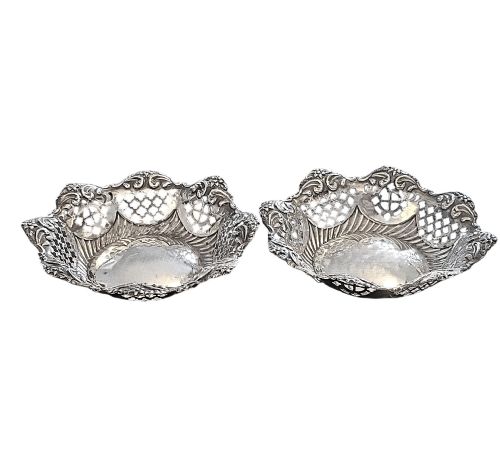
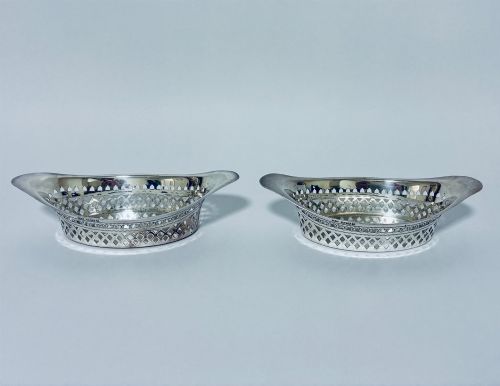
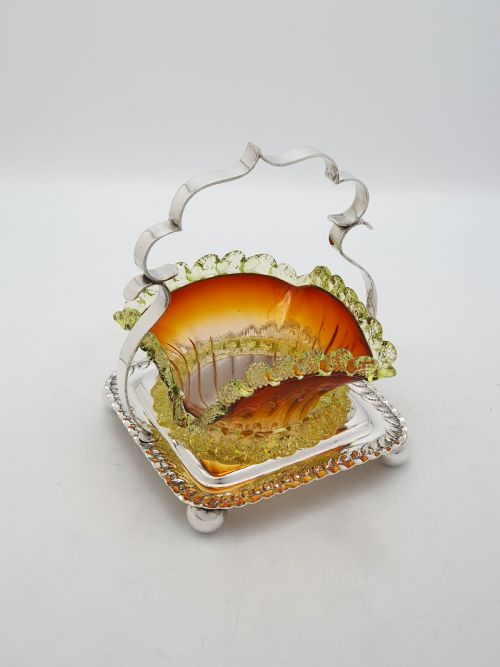
These Victorian silver sweetmeat dishes bring refined metalwork and coloured glass to the table, designed to serve small sweet confections.
Victorian Silver Sweetmeat Dish
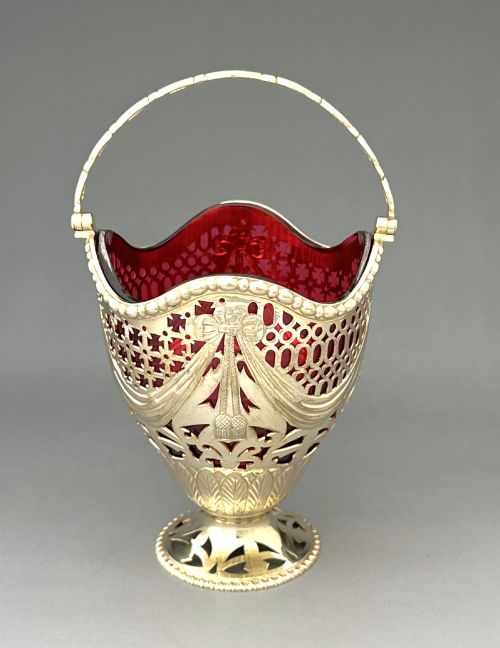
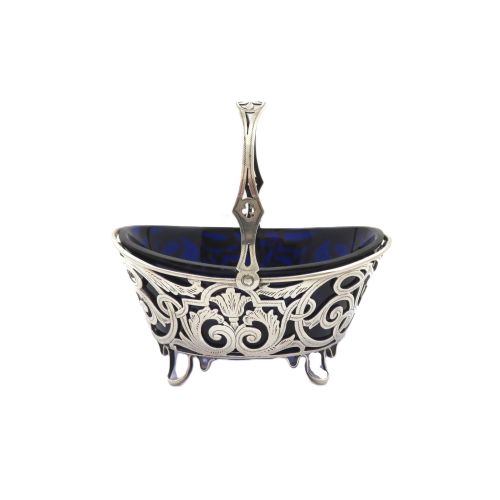
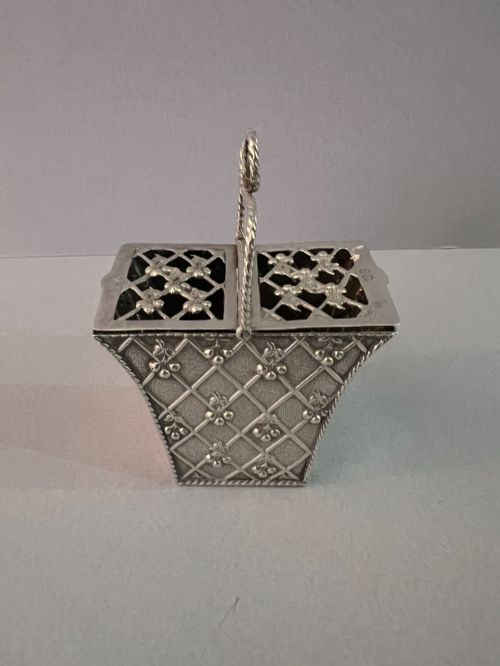
A victorian silver sweetmeat dish takes many forms on this page, including bonbon dishes, sugar baskets, serving dishes, and decorative bowls. Most examples date from the nineteenth century, spanning decades such as the 1850s, 1870s, 1880s, and 1890s, with some extending into the Edwardian period.
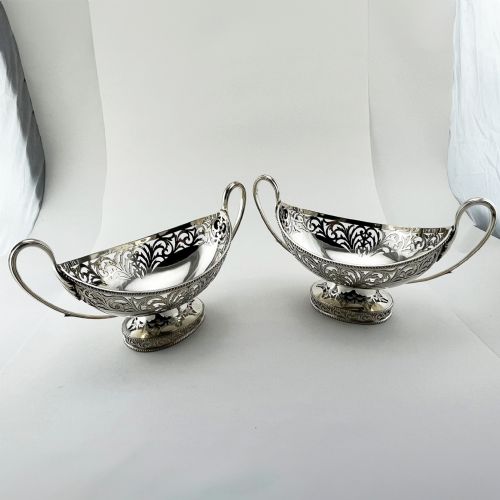
Buyers will encounter both sterling silver and silver plated versions, frequently paired with glass liners in shades of cranberry, cobalt, ruby, amber, and cut glass. These pieces serve as table tableware and decorative silverware, appearing individually or as matched pairs.
Stylistic influences range from classic Victorian and Georgian traditions to Rococo Revival curves and the distinctive geometric lines of the Aesthetic Movement.
Materials and Craftsmanship
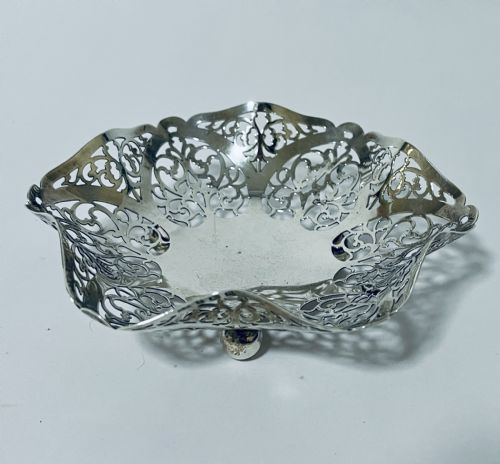
Silversmiths utilised sterling silver and silver plate alongside coloured and cut glass, forming structured metal frameworks that cradled glass liners or stood alone as pierced and embossed vessels. Techniques such as casting produced substantial handles and decorative mounts, while piercing created intricate openwork patterns across oval and lobed bodies.
Makers integrated hand-embossed detailing and silver gilt finishes to add texture and tonal contrast. Glass components were often frilled, moulded, or cut to catch the light, contrasting with the polished metal stands.
Several pieces feature double heart-shaped designs, offering a romantic touch to the traditional sugar basket.
Distinguishing Quality in Design and Execution
The distinction between standard production and finer work rests on the depth of the craftsmanship and the weight of the metal. Cast handles and heavily pierced or embossed silver demonstrate greater skill than lighter, stamped alternatives.
The integration of the glass liner also defines the piece; high-quality examples feature coloured or cut glass that fits its silver stand precisely, maintaining proportion and balance between the two materials.
Thomas Bradbury·William Comyns·James Deakin & Sons·Martin Hall·Roberts and Belk·George Fox
The Victorian Silver Sweetmeat Dish Glossary
- Sweetmeat dish
- A small vessel designed for serving sweets, nuts, or small confections during dessert courses.
- Sterling silver
- A silver alloy containing a high proportion of pure silver, standard for quality British tableware.
- Silver plate
- A base metal coated with a thin layer of silver, offering the appearance of solid silver at a different scale.
- Pierced work
- Metal perforated with decorative cut-out patterns, frequently seen in baskets and bowls to lighten the visual weight.
- Silver gilt
- Sterling silver coated with a thin layer of gold, providing a warm interior or surface contrast.
Victorian Silver Sweetmeat Dish: Frequently Asked Questions
What were sweetmeat dishes used for?
These dishes held sweet confections, small sugar plums, nuts, or dried fruits served at the end of a formal meal. They sat directly on the dining table or sideboard for guests to help themselves.
Over time, their uses expanded into general decorative tableware, often displayed empty or holding small items in a drawing room.
How do I clean silver and glass dishes?
Solid silver and silver plate require a soft cloth and a reputable silver polish formulated to remove tarnish without abrading the surface. Care must be taken around embossed details and pierced sections.
Glass liners should be removed and washed in warm, soapy water separately from the metal frames to protect both materials.
Are all these dishes made of solid silver?
The selection includes both sterling silver and silver plated items. Hallmarks stamped into the metal usually indicate solid sterling silver and identify the assay office and date.
Silver plated pieces use a base metal beneath the silver coating and may carry maker marks rather than standard sterling hallmarks.