





Victorian Silver Slice
These Victorian silver slice pieces are functional table utensils designed for serving fish, pastry, and toast with formal elegance.
Victorian Silver Slice
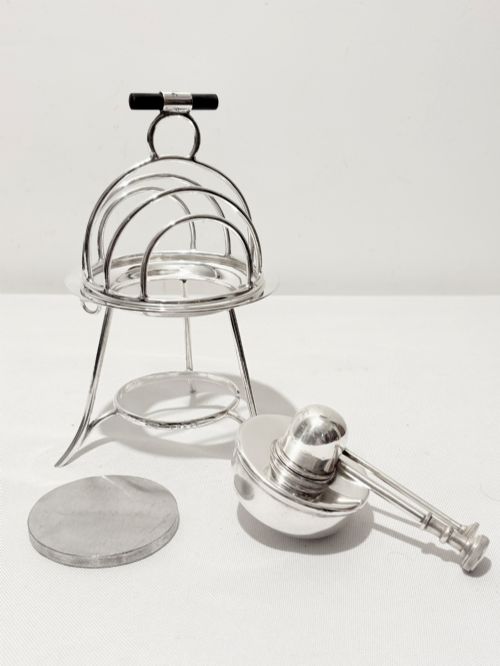
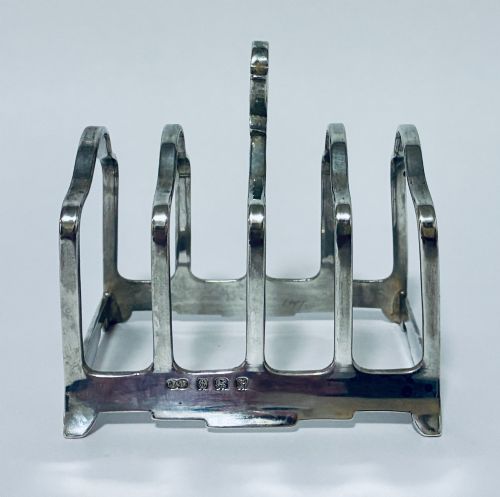
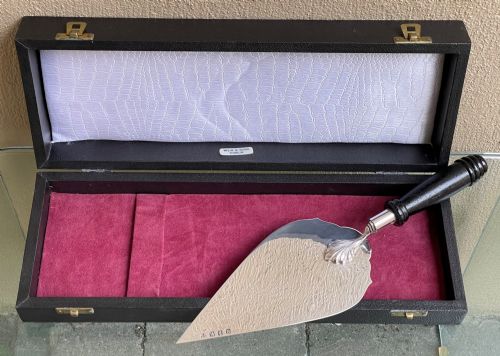
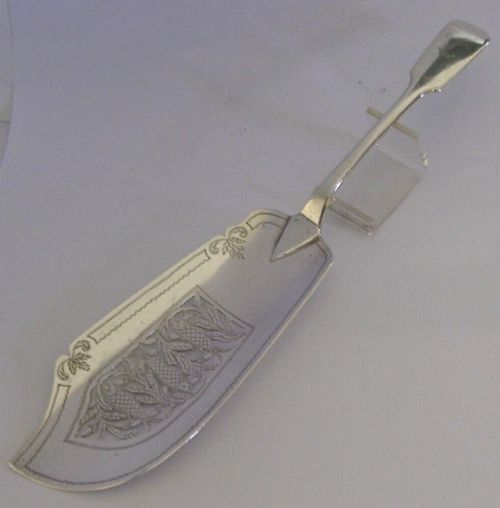
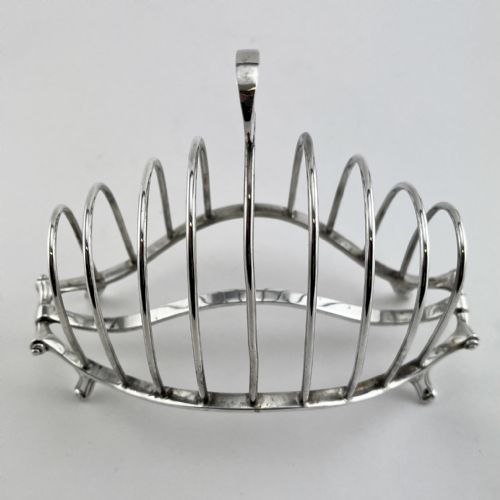
A Victorian silver slice encompasses specialised serving pieces such as fish servers, presentation trowels, and pastry servers encountered on this page. These utensils date principally from the nineteenth century, including specific years like eighteen hundred forty-seven, eighteen fifty-four, and eighteen ninety, alongside related toast racks.
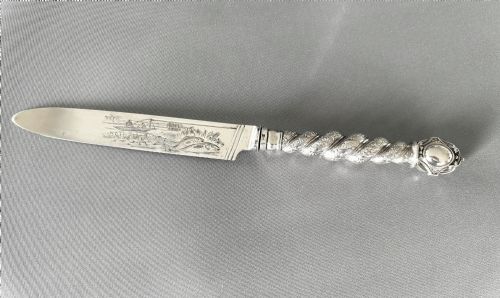
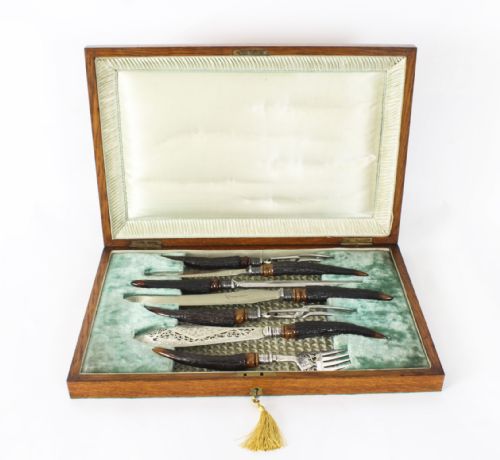
Fish servers appear frequently, often styled as a matched knife and fork set designed for dining table service. Presentation trowels and pastry servers represent related forms intended for ceremonial occasions or dessert courses, reflecting the specialised dining habits of the period.
Materials and construction
Makers utilised sterling silver and silver plate for the primary blade and structural components, frequently employing piercing techniques to create decorative patterns. Handles were fashioned from organic materials such as ebony, stag antler, and horn, secured to the metal shafts.
Victorian Silver Slice Retail Price Guide 2026
Typical asking prices for victorian silver slice among the pieces listed under this phrase on Sellingantiques today, from the lower quarter to the upper quarter. They describe what is for sale here now, not the wider market.
Dogs and hunting scenes peer out from the engraved blades of nineteenth century fish servers, immortalised alongside family crests.
Judging quality and craftsmanship
Quality rests upon the weight of the silver, the depth and precision of the hand engraving, and the structural integrity of pierced blade designs. Substantial gauge silver and crisp detailing distinguish superior examples from standard production pieces.
The choice and preservation of handle materials also influence worth, with well-matched stag antler, horn, or ebony adding distinction. Complete sets housed in their original presentation cases represent a higher tier of craftsmanship.
Martin Hall & Co·GEORGE ADAMS·Charles Boyton
The Victorian Silver Slice Glossary
- Sterling silver
- A silver alloy containing ninety-two point five percent pure silver by mass, widely utilised for domestic tableware and flatware during the nineteenth century.
- Silver plate
- A base metal coated with a thin layer of silver, providing the appearance of solid silver at a different cost point.
- Presentation trowel
- A ceremonial tool resembling a small building trowel, inscribed and presented to mark significant occasions or construction milestones.
- Toast rack
- A small metal framework designed to hold slices of toast upright at the breakfast table, preventing condensation from making the bread soggy.
- Hallmark
- An official stamp applied to precious metals indicating the standard of purity, the assay office, and the year of manufacture.
Victorian Silver Slice: Frequently Asked Questions
What is a silver slice used for?
These utensils were created to serve specific foods at the dining table, most notably fish courses, pastries, and occasionally toast. Their broad blades allowed the user to lift portions cleanly without breaking them.
Over time, changing dining customs shifted how these items were utilised, turning them into collectible examples of nineteenth century silver craftsmanship.
How do I identify a Victorian piece?
Identification relies primarily on hallmarks stamped into the metal, which record the assay office, the silver standard, and a date letter corresponding to the year of manufacture.
Stylistic markers such as engraved animal motifs, pierced blade patterns, and organic handles like stag antler also point toward nineteenth century production.
Can I use these for daily dining?
Many solid silver and silver-plated utensils remain robust enough for regular use at the modern dining table, provided they receive appropriate manual care. Hand washing prevents damage to organic handle materials like horn or wood.
Collectors often balance practical use against the preservation of delicate hand engraving and historic presentation cases.