



Victorian Silver Sewing Tool
A victorian silver sewing tool brings small, highly decorative metalwork into daily use, combining practical needlework gear with whimsical novelty forms.
Victorian Silver Sewing Tool
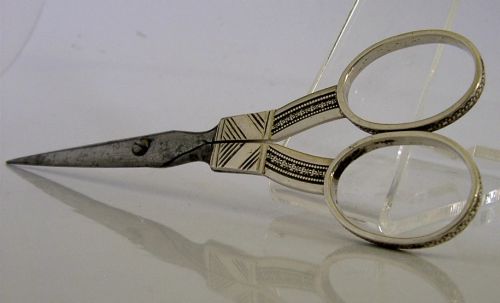
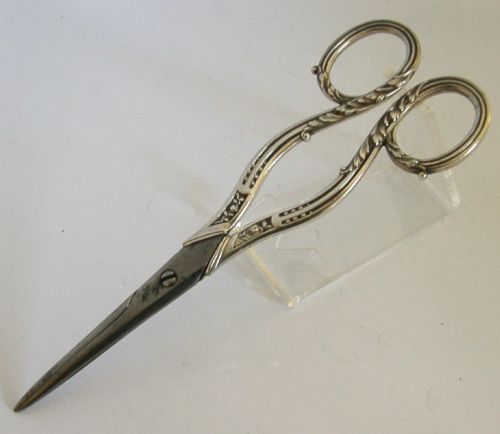
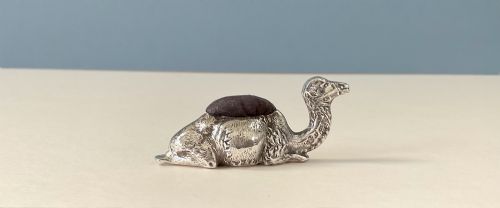
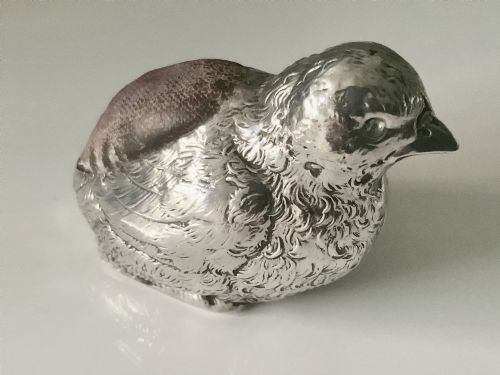
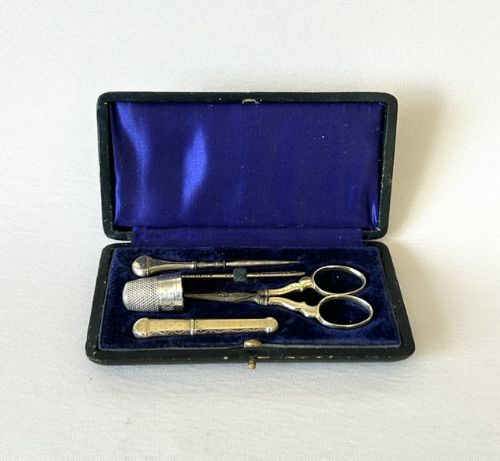
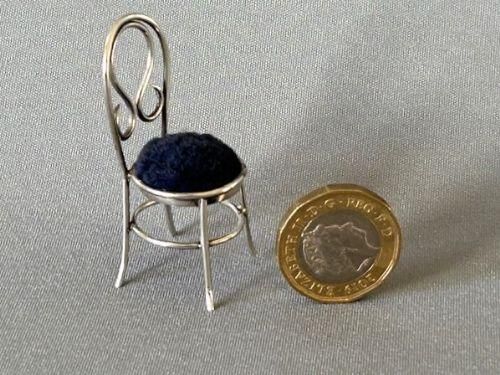
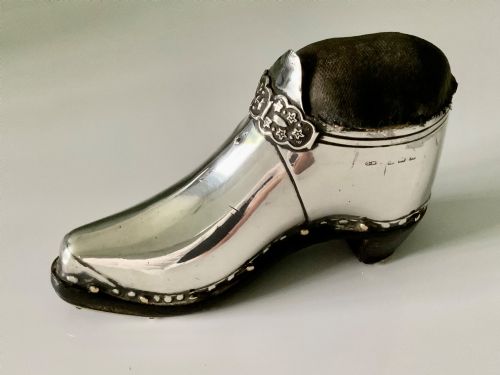
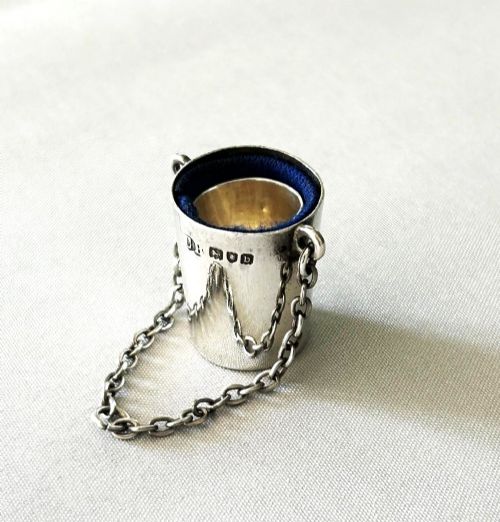
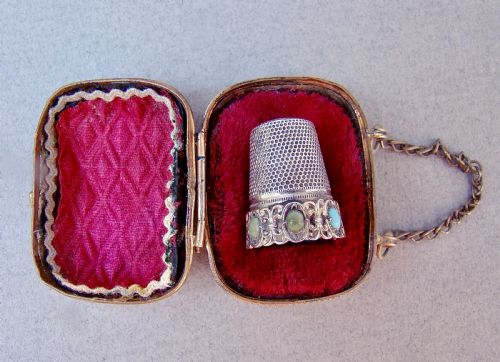
A victorian silver sewing tool encompasses everything from delicate pin cushions and thimbles to chatelaine accessories and fitted boxes. Buyers seeking a victorian silver sewing tool will frequently encounter novelty pin cushions shaped as animals, vehicles, and household objects alongside utilitarian scissors and cotton holders.
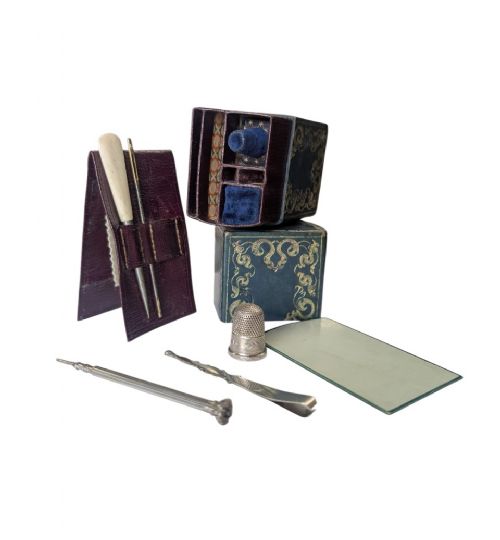
The selection ranges across the nineteenth century and into the Edwardian era, incorporating French and Dutch pieces alongside British examples. Forms vary from simple needle cases and thread holders to elaborate sewing compendiums and chatelaine items designed to hang from a belt.
How they were made
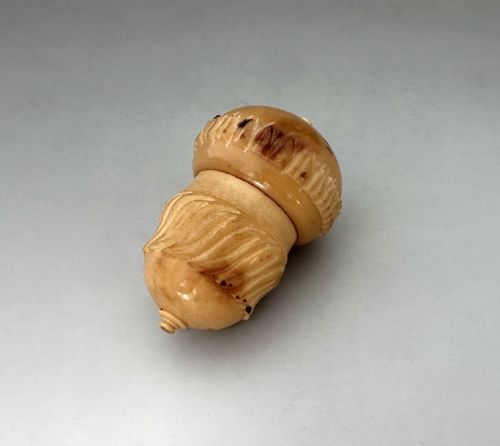
Sterling silver and standard silver form the primary metal framework, frequently shaped through casting, piercing, and chased floral scrollwork. Many objects combine metal with contrasting substances, mounting silver mounts onto tortoiseshell, bone, Corozo nut, leather, or fabric linings.
Pads and cushions rely on textiles such as velvet, silk, and general fabric to secure pins and needles. Steel provides the necessary cutting edge for scissors and blades, while specialised items incorporate ormulu mounts, stone settings, and silver gilt finishes.
Object forms include sewing boxes, chatelaines, scissors, and novelty pin cushions shaped as animals and vehicles.
What varies in quality
Quality rests upon the crispness of the chasing and the cleverness of the silver casting, particularly in novelty pin cushions shaped as animals or everyday objects where anatomical detail matters. Standard production relies on simple stamped components, whereas finer work displays intricate pierced scrollwork and well-defined figural forms.
The choice of secondary materials dictates the overall character, distinguishing simple fabric-covered pads from items utilising carved tortoiseshell, Corozo nut, or fitted leather boxes with stone-set chatelaine cases.
Walter And George Myers·Charles Horner·George W Shiebler
The Victorian Silver Sewing Tool Glossary
- Chatelaine
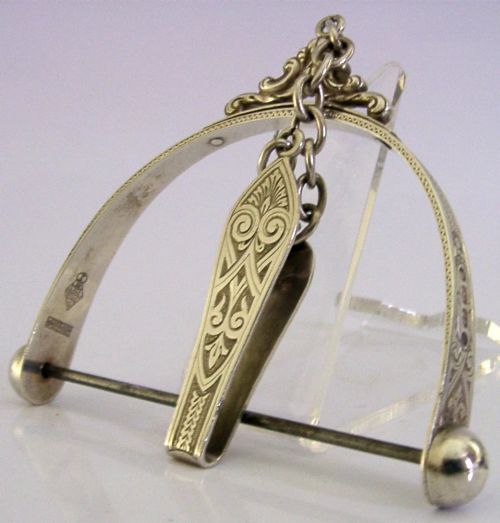
- A decorative belt hook with suspended chains carrying small utility items like scissors and needle cases. These wearable accessories kept essential tools close at hand during daily tasks.
- Pin cushion
- A padded small container upholstered in velvet, silk, or fabric, often formed into elaborate novelty shapes. They served to hold pins safely during sewing work.
- Etui
- A small ornamental box used for holding needles, small scissors, and other sewing implements. These fitted cases often used tortoiseshell or leather construction.
- Compendium
- A comprehensive collection of sewing tools housed together in a single fitted case or box. They gathered multiple implements for needlework into one portable container.
Victorian Silver Sewing Tool: Frequently Asked Questions
What is a chatelaine accessory?
A chatelaine accessory is a tool designed to suspend from a decorative belt hook using small chains. These pieces allowed needleworkers to carry scissors, thread holders, and pin cushions directly on their clothing.
Such items combined practical utility with ornamental display, often featuring pierced scrollwork and precious metal construction.
How were novelty pin cushions used?
Novelty pin cushions served the dual purpose of holding sewing pins securely and acting as decorative desk ornaments. Their unusual shapes, ranging from animals to miniature household objects, made them popular ornamental pieces.
Victorian and Edwardian needleworkers kept them nearby while working on garments and embroidery.
What materials accompany the silver?
Silver pieces frequently incorporate textiles such as velvet, silk, and fabric to form the pin pads. Hard organic materials like tortoiseshell, bone, and Corozo nut appear in boxes and thimble cases.
Steel provides durable cutting edges for scissors and blades within these sets.
How do I identify a Victorian piece?
Victorian examples often display hallmarks indicating specific British assay offices and dates, alongside characteristic decorative motifs like floral scrollwork. Stylistic indicators include classical scenes and specific nineteenth-century design trends.
Many items also align with later Edwardian or continental European production styles from the same broader period.