
Victorian Silver Plated Holder
A victorian silver plated holder brings functional elegance to a dining table or desk through elaborate metalwork and polished finishes.
Victorian Silver Plated Holder
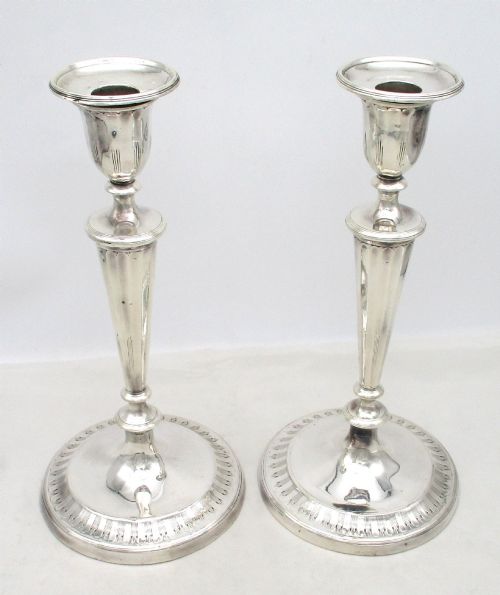
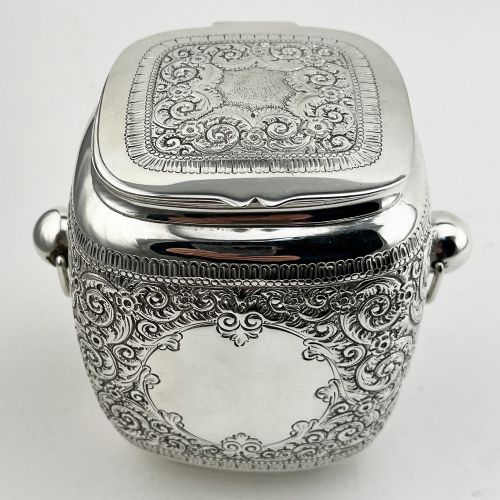
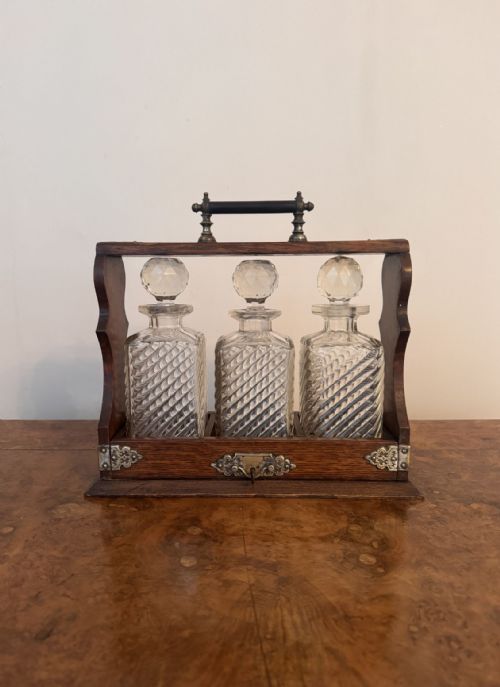
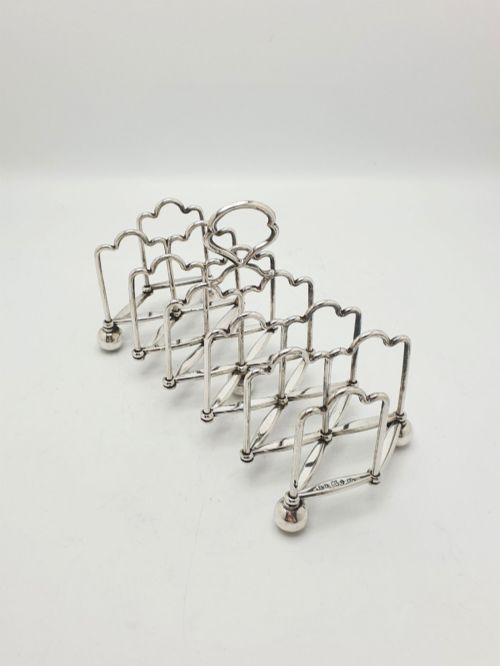
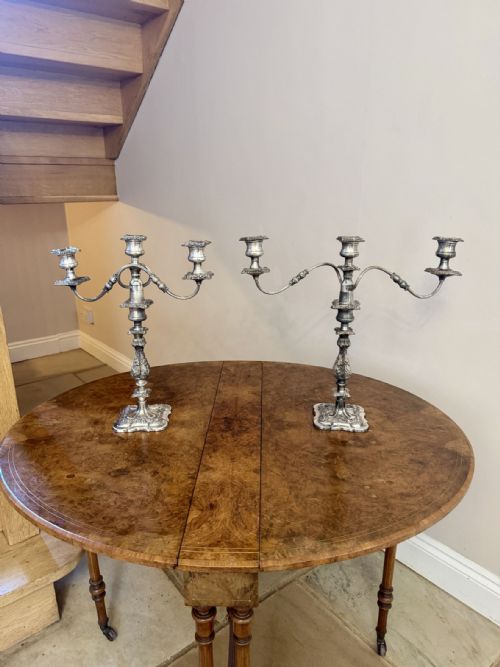
A victorian silver plated holder encompasses a diverse group of domestic items designed to support, organise, or display objects such as candles, wine bottles, toast, and desk accessories. The selection spans utilitarian dining table equipment and decorative desk furnishings produced across the nineteenth century.
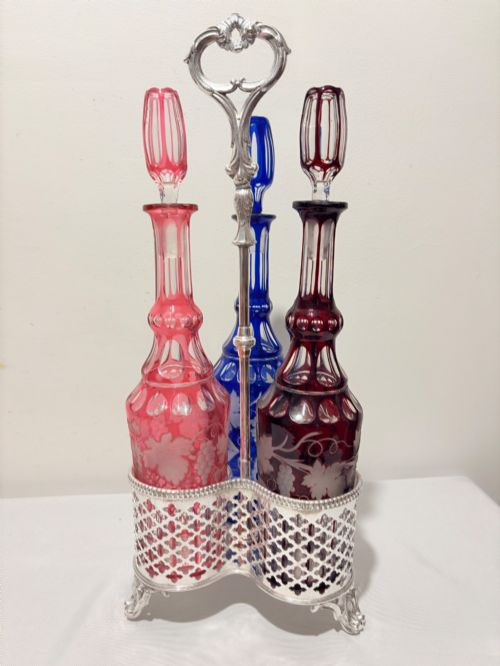
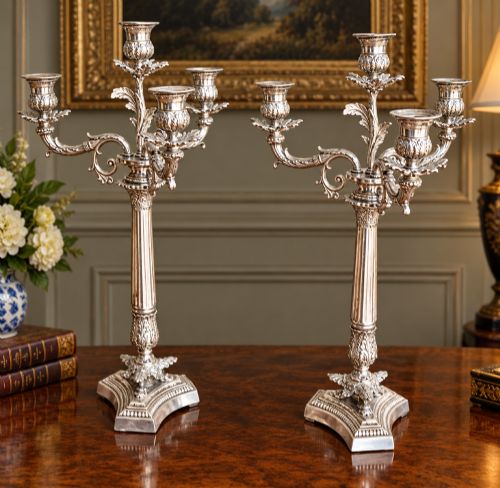
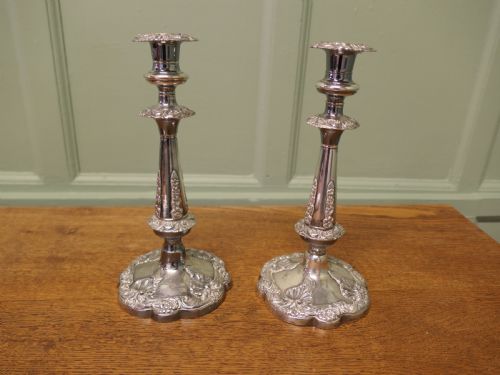
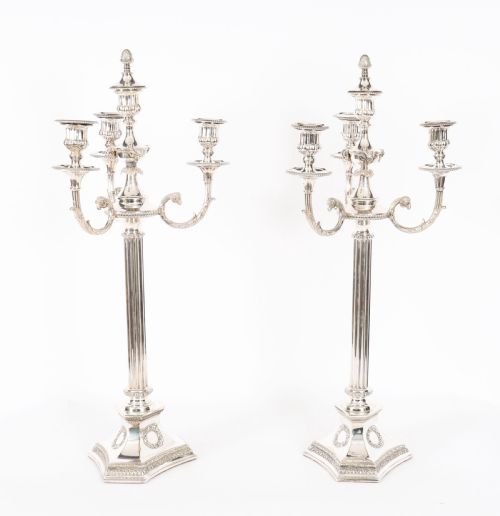
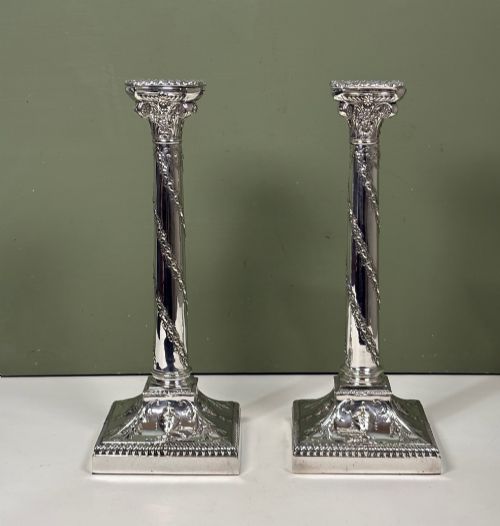
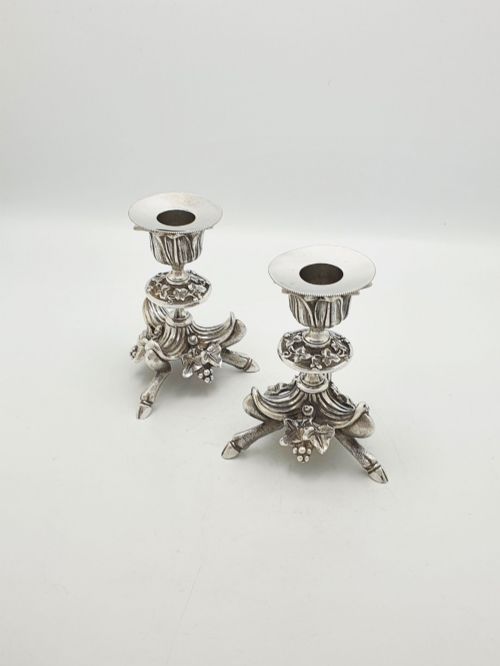
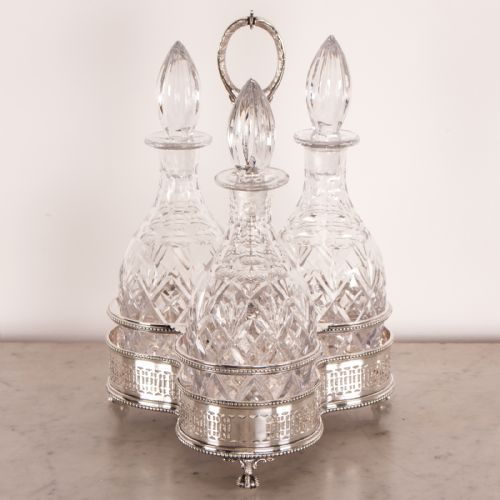
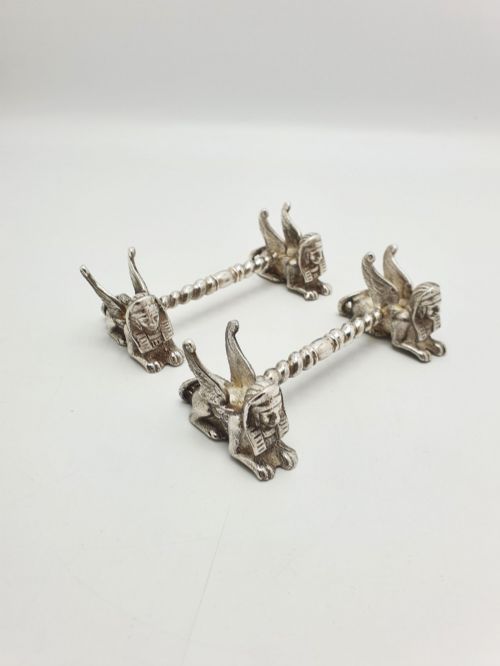
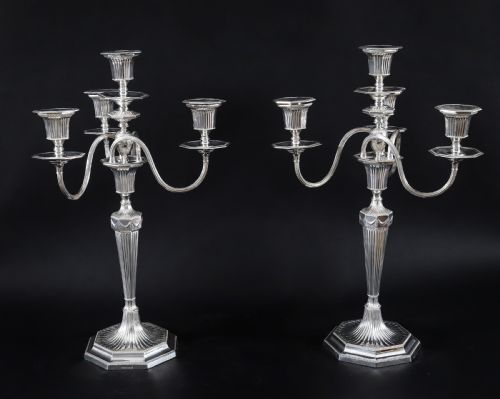
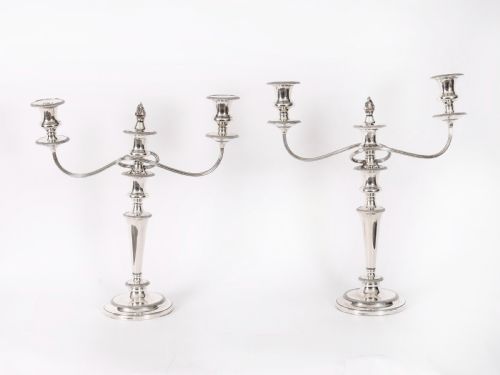
Buyers encounter numerous variations on this page, including towering candelabras, single candlesticks, bottle coasters, toast racks, and desk tidies. Many examples incorporate stylistic elements from the Neoclassical, Rococo Revival, and Egyptian Revival movements.
The objects frequently date from the mid to late nineteenth century, reflecting the manufacturing output of major English workshops and silversmiths. Common forms serve specific functions, from holding writing implements to securing bottles during formal dining.
Quality and craftsmanship
The standard of a victorian silver plated holder depends largely on the crispness of the cast ornamentation and the thickness of the applied silver layer. Pieces featuring hand-chased detailing and substantial metal weight demonstrate superior production standards.
Makers known for high-grade output maintained strict execution in structural joints, detachable components like sconces, and the integrity of applied figural elements. Well-preserved plating without excessive base metal exposure distinguishes better surviving examples.
Some Victorian dining tables featured mechanical spoon warmers shaped like birds to keep serving utensils at the correct temperature.
Martin Hall & Co·Elkington·Hawksworth Eyre·Garrard & Co·Walker and Hall·Harrods·WMF·Smith & Sissons & Co·James Dixon & Sons
The Victorian Silver Plated Holder Glossary
- Electroplated nickel silver
- A base alloy of copper, nickel, and zinc coated with a thin layer of pure silver through an electrolytic process. This technique became widely utilised by mid-nineteenth-century British manufacturers.
- Candelabra
- A branched candlestick holding multiple lights, often featuring detachable sconces and ornate central stems. Elaborate specimens frequently serve as dining table centrepieces.
- Toast rack
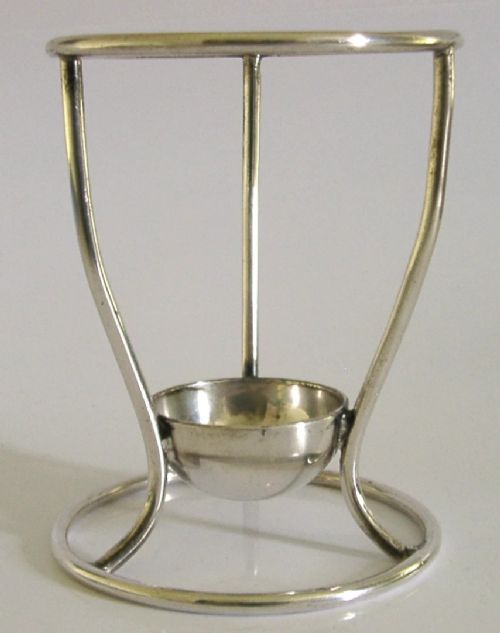
- A table accessory fitted with vertical metal divisions designed to hold slices of toast upright. Novelty versions often incorporate figural wirework shaped as wishbones or letters.
- Epergne
- A large ornamental centrepiece featuring a central bowl or basket surrounded by smaller detachable vases or holders. Victorian examples commonly combine silver plated stands with coloured glass.
- Sconce
- The detachable cup at the top of a candlestick or candelabra designed to catch dripping wax. These elements fit securely into the main nozzle of the lighting fixture.
Victorian Silver Plated Holder: Frequently Asked Questions
What is a silver plated holder?
A silver plated holder is a nineteenth-century domestic metalware item designed to support objects like candles, bottles, or desk accessories. These pieces use a base metal core coated with a layer of silver.
They combine practical utility with decorative metalwork styles ranging from plain classical columns to heavily ornamented figural designs.
How do I clean silver plate?
Silver plate requires gentle cleaning with non-abrasive cloths and dedicated silver cleaning solutions to preserve the metallic coating. Harsh chemical dips or scrubbing will wear away the thin silver layer over time.
Regular dusting and careful polishing maintain the lustre of the metal without damaging the underlying base alloy.
How do I date these items?
Dating relies on maker marks, registered design numbers, stylistic clues, and manufacturing techniques recorded in the piece. Victorian examples often display specific revival styles popular during particular decades.
Comparing structural details and hallmarks against known production periods helps narrow down the year of manufacture.
Were these holders used daily?
Most of these items served active functions in Victorian dining rooms, studies, and drawing rooms for lighting, serving, or organisation. Wealthy households utilised them during formal meals and daily administrative tasks.
Their robust construction in metals like nickel silver and brass allowed them to withstand frequent handling.
What is electroplating?
Electroplating is an industrial technique introduced in the nineteenth century that uses electrical current to bond a thin layer of silver to a base metal object. This method allowed manufacturers to produce affordable alternatives to solid silver.
The process revolutionised the silver trade in Sheffield and Birmingham.