



Victorian Silver Novelty Tableware
Victorian silver novelty tableware turns everyday dining into theatre, capturing late-nineteenth-century wit in animal and mechanical shapes that collectors prize.

Victorian Silver Novelty Tableware
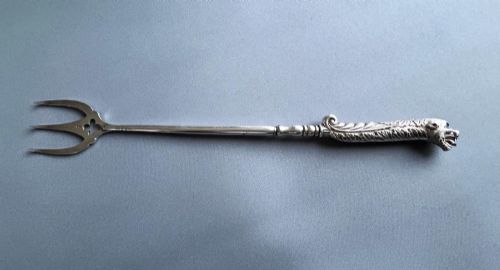
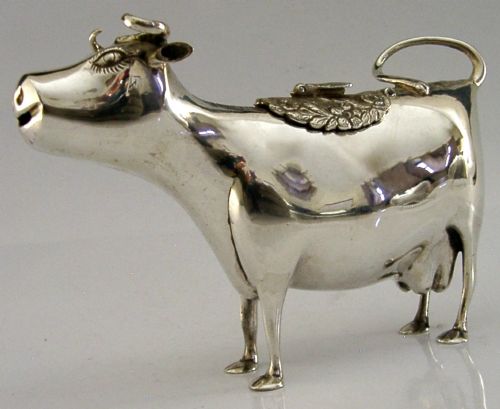
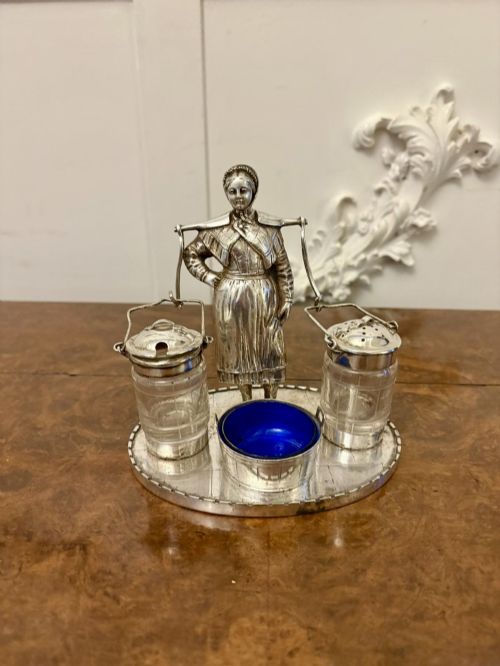
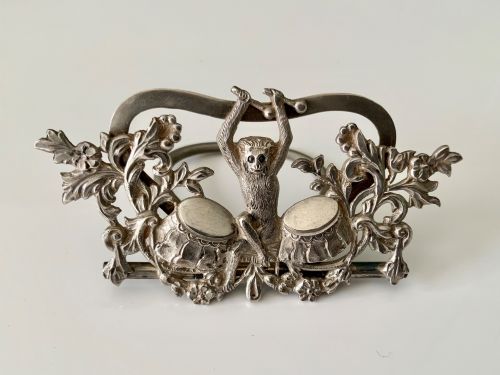
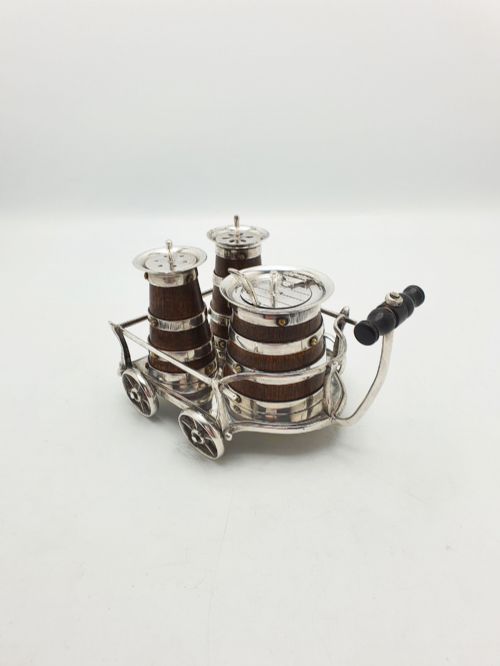
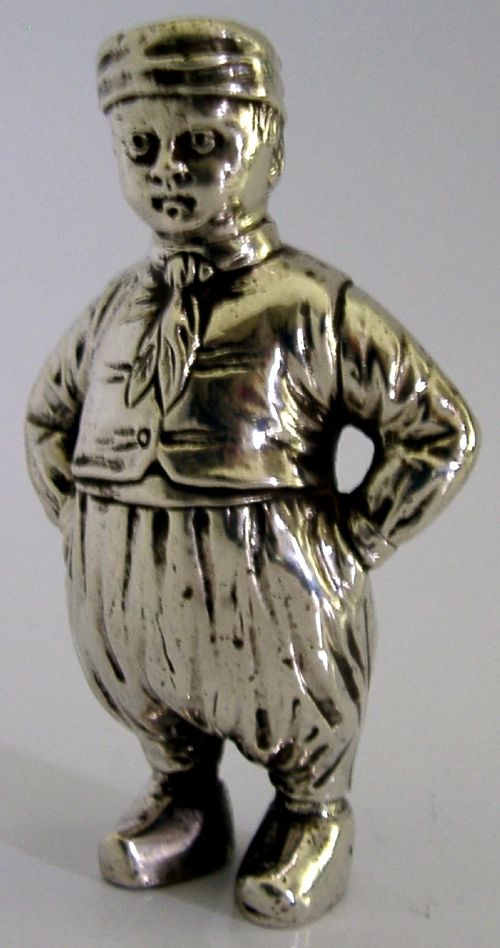
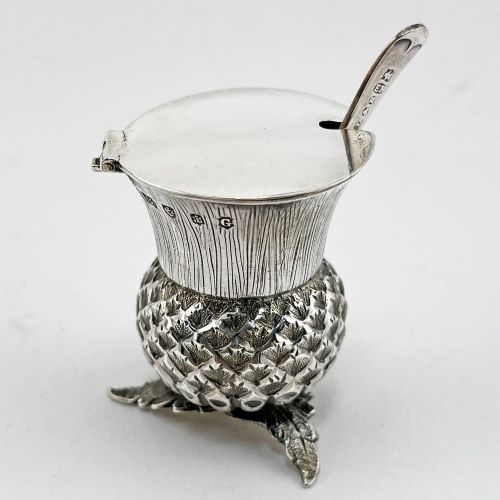
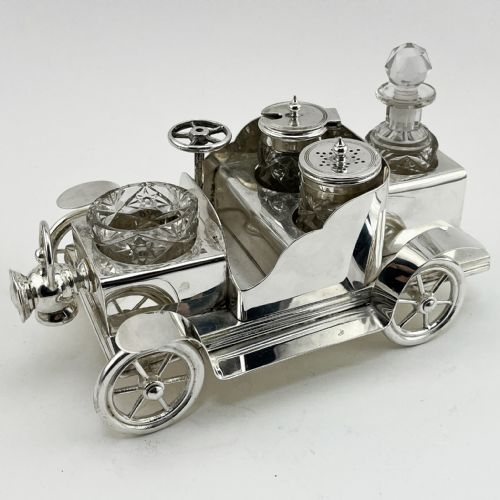
Victorian silver novelty tableware comprises functional dining pieces shaped as animals, humans, vehicles and natural objects, originating primarily from the nineteenth and early twentieth centuries. When searching for Victorian silver novelty tableware, buyers encounter whimsical cruet sets, pepper pots, salt dishes, spoon warmers, toast racks and menu holders.
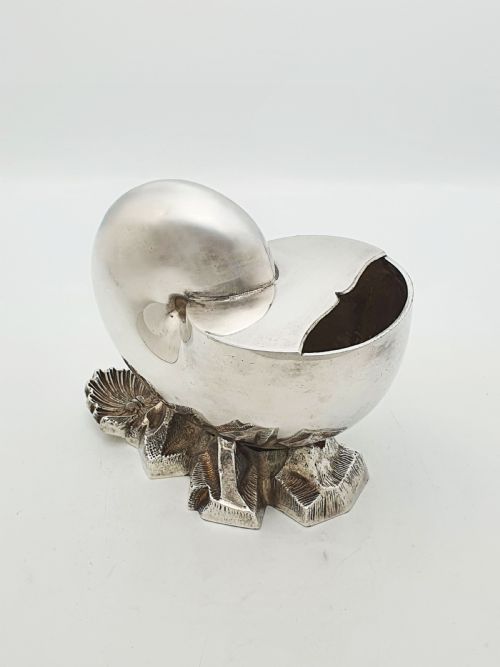
The objects span the Victorian and Edwardian eras, running from the mid-nineteenth century through to the early decades of the twentieth century. Forms range from realistic birds and mammals to utilitarian items disguised as nautilus shells, oak barrels, wagons and shoes.
Solid silver and silver plate predominate, occasionally combined with glass, cut glass, oak and walnut wood. Pieces appear singly or in matched pairs and sets, reflecting the elaborate dining customs of the period.
Markers of quality
Quality rests on the crispness of the casting and the naturalism or charm of the figural design, separating finely detailed birds, monkeys and human figures from generic or worn productions. Articulation in moving parts and the preservation of original silver plating or hallmarks indicate higher workshop standards.
The integration of secondary materials, such as clear cut glass inserts or solid oak and walnut woodwork, dictates the structural integrity and finish of cruet sets and sauce holders. Pieces that retain distinct maker details, registration dates and uncompromised surface texture command greater attention.
Victorian Silver Novelty Tableware Retail Price Guide 2026
Typical asking prices for victorian silver novelty tableware among the pieces listed under this phrase on Sellingantiques today, from the lower quarter to the upper quarter. They describe what is for sale here now, not the wider market.
Listings feature items from the Victorian, Edwardian and nineteenth-century periods, spanning silver plate, sterling silver, cut glass and oak.
Reid and Summers·Thomas Johnson
The Victorian Silver Novelty Tableware Glossary
- Cruet set
- A matched collection of bottles, castors or pots for holding condiments at the dining table, frequently mounted in a stand or frame.
- Spoon warmer
- A Victorian table vessel designed to hold hot water that kept soup or gravy spoons warm before service, often modelled in eccentric shapes like nautilus shells or shoes.
- Pepperette
- A small shaker or pot used specifically for dispensing ground pepper at the table, commonly shaped as animals or birds in novelty wares.
- Silver plate
- A layer of silver bonded to a base metal substrate, allowing manufacturers to create decorative tableware at a lower cost than solid sterling silver.
- Nutmeg grater
- A pocket or table utensil used for grating hard nutmeg spices directly into food and drink, typically cylindrical in form with an internal steel rasp.
Victorian Silver Novelty Tableware: Frequently Asked Questions
What is Victorian silver novelty tableware?
These items are functional dining accessories shaped as animals, vehicles, shells and figures, designed to amuse diners during the nineteenth and early twentieth centuries.
They combine utility with theatrical design, turning everyday items like pepper pots, salt cellars and spoon warmers into conversation pieces.
How were spoon warmers used?
Victorians filled these vessels with hot water to keep serving spoons warm before guests ladled gravy or sauce onto their plates.
They sat directly on the dining table or sideboard, frequently taking imaginative forms such as shells, boots and animal figures.
Are these pieces made of solid silver?
The pieces utilise a mixture of solid sterling silver, lower-purity silver such as eight hundred standard, and silver plate over base metals.
Many incorporate other materials including cut glass, oak and walnut wood to form complete cruet sets and condiment holders.
How do I date these items?
Dating relies on stamped hallmarks, registration numbers, style periods and material combinations spanning the Victorian and Edwardian eras.
Design motifs such as naturalism or specific Victorian vehicle forms help place the manufacture within the nineteenth or early twentieth century.