

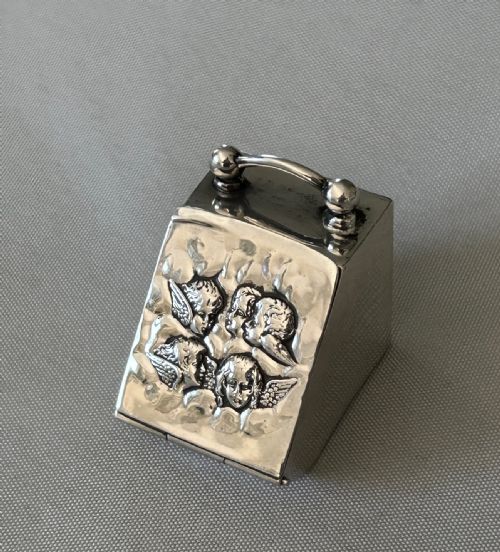
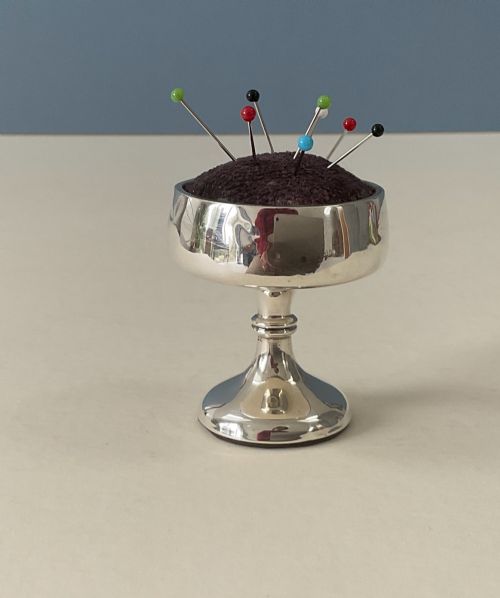


Victorian Silver Novelty Box
When you handle a victorian silver novelty box, you hold a functional container shaped to amuse, surprise or mimic life.
Victorian Silver Novelty Box
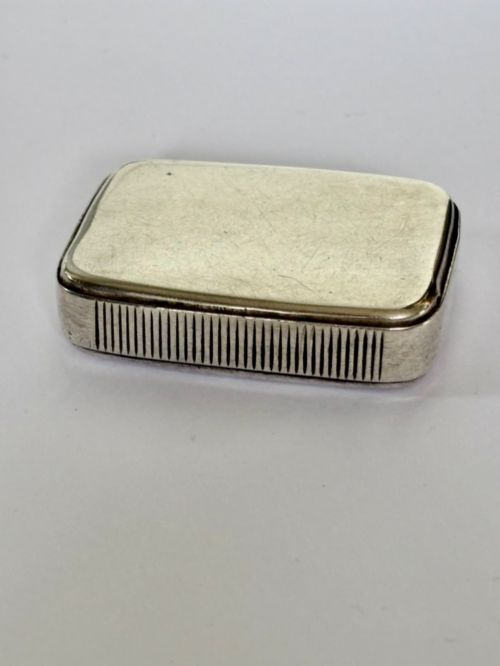
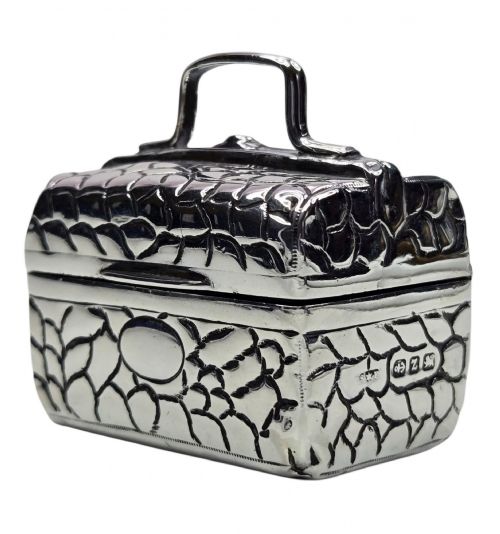
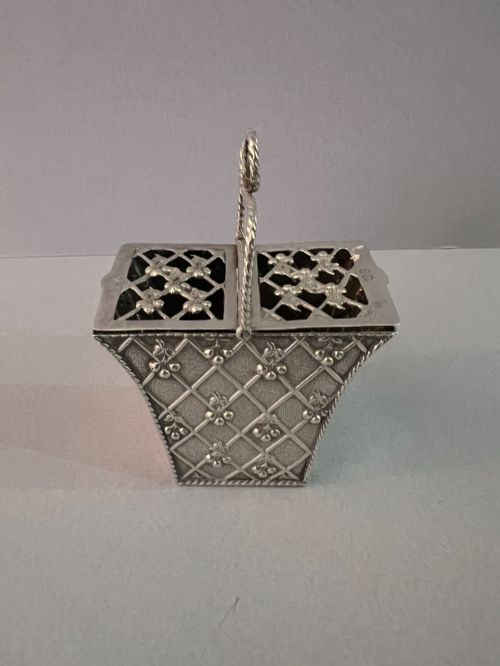
A victorian silver novelty box takes many shapes, ranging from miniature trunks and animals to everyday objects rendered in precious metal. These pieces emerge primarily from the nineteenth century and the Edwardian era, reflecting a Victorian appetite for playful silver.
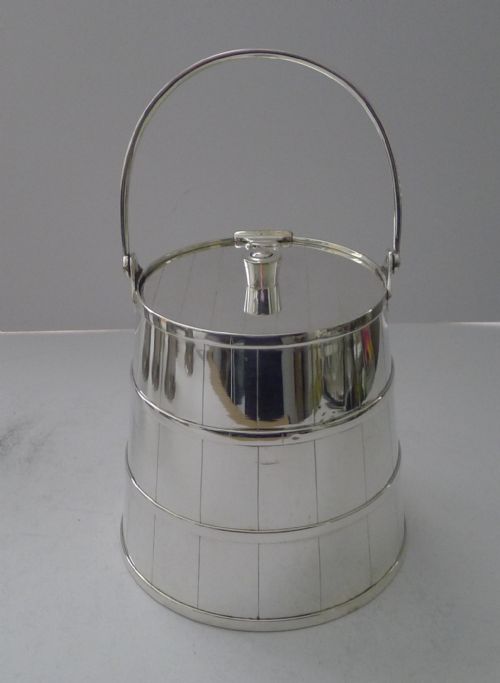
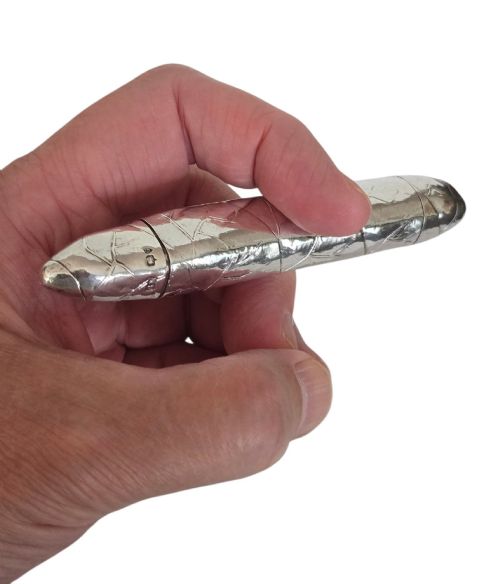
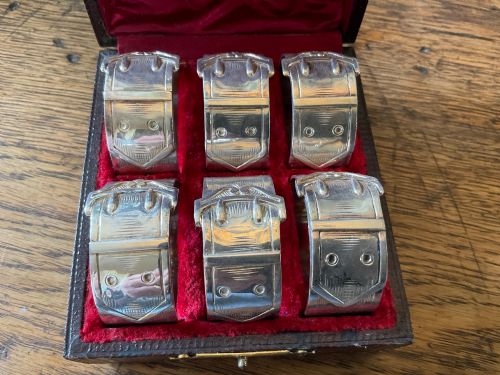
The selections span small pill boxes and vesta cases to larger biscuit barrels and desk tidies. Makers adapt familiar items like boots, animals, furniture and weights into hinged containers intended to catch the eye.
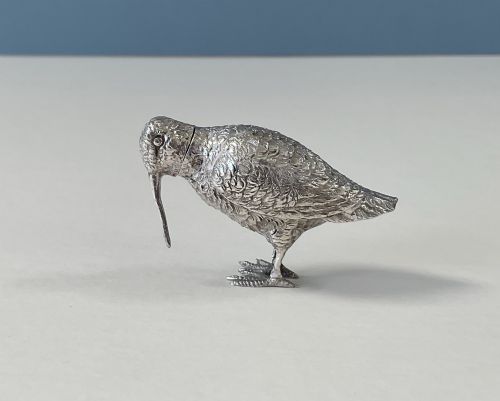
Many examples incorporate specific motifs such as equestrian gear, dogs, birds or architectural forms like sentry boxes. Their purpose is both utilitarian and whimsical, serving as portable containers for matches, tobacco, trinkets or dry goods.
Evaluating the Pieces
The complexity of the mechanism influences the character of the piece. Items featuring tight hinges, clever trick openings, sliding elements or well-preserved enamel paintwork represent the finer tier of production.
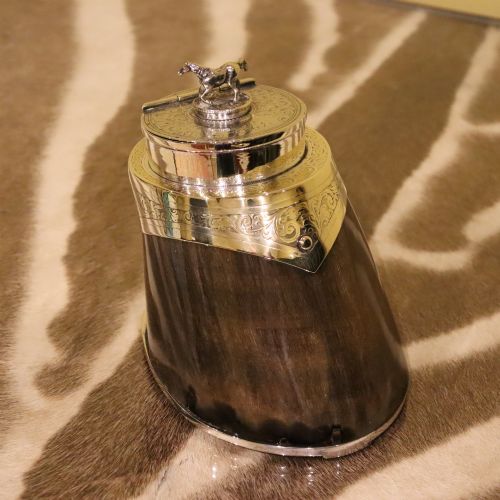
Silversmiths turned everyday weights, horse hooves, and French bulldogs into secure silver boxes to amuse the Victorian pocket.
Sampson Mordan Co·A J Zimmerman·W Comyns·Andrew Barrett Sons·Reid and Summers
The Victorian Silver Novelty Box Glossary
- Vesta Case
- A small pocket container designed to hold matches and keep them dry. These often take animal or object shapes in this category.
- Silver Gilt
- Silver covered with a thin layer of gold on its surface. This technique provides a rich interior or exterior golden finish.
- Vinaigrette
- A small ornamental box with a pierced inner grille holding a sponge soaked in aromatic vinegar. These were carried to mask unpleasant odours.
- Hallmark
- An official stamp applied to precious metals indicating the standard of purity, the assay office and the year of production. These marks help verify the period.
- Articulated
- Built with movable joints or sections. This construction allows animal snouts, tails or bodies to flex when handled.
Victorian Silver Novelty Box: Frequently Asked Questions
What were these boxes used for?
These containers served specific practical functions in daily life, such as holding matches, pills, tobacco, stamps or small trinkets.
Their unusual shapes provided a conversation piece for drawing rooms, smoking rooms and pocket use while keeping personal items secure.
How do I date a silver novelty box?
Dating relies heavily on the hallmarks stamped into the metal, which indicate the assay office and the specific year letter.
Stylistic cues such as Victorian Gothic elements or Edwardian design motifs also help place the piece within the nineteenth or early twentieth century.
Are all these boxes made of solid silver?
The listings include a mix of sterling silver, solid silver and silver plate over base metals. Some pieces also incorporate nickel-plated brass or wood.
Examining the hallmarks or testing the material confirms whether the exterior is solid precious metal or plated.
How do I care for silver boxes with enamel or velvet?
Care requires keeping moisture away from lined interiors, velvet pads and delicate enamel painted surfaces. Gentle dusting and avoiding harsh silver dips protect the coloured details and organic components.