


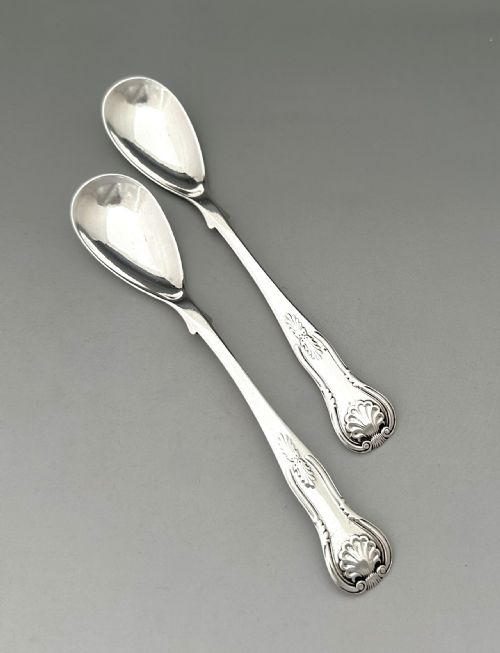

Victorian Silver Mustard
When you handle a Victorian silver mustard pot, you hold a miniature masterpiece of nineteenth-century dining craftsmanship designed to grace the formal table.
Victorian Silver Mustard
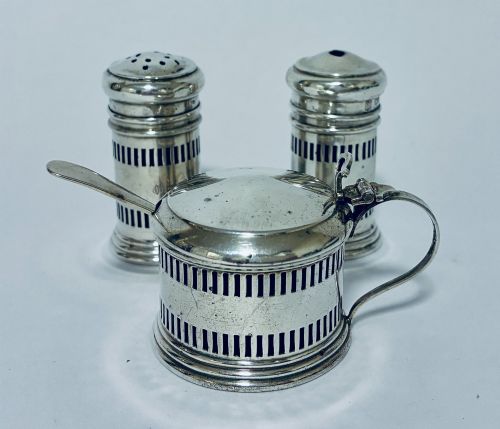
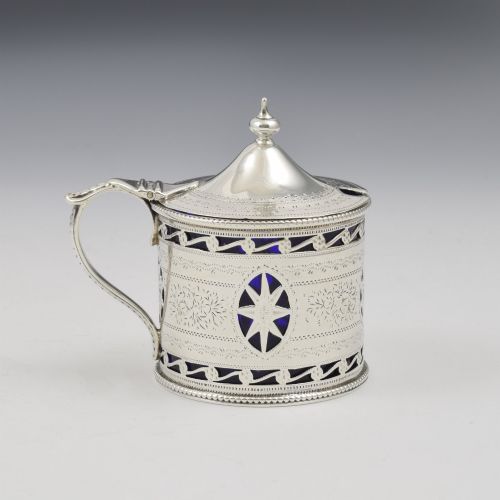
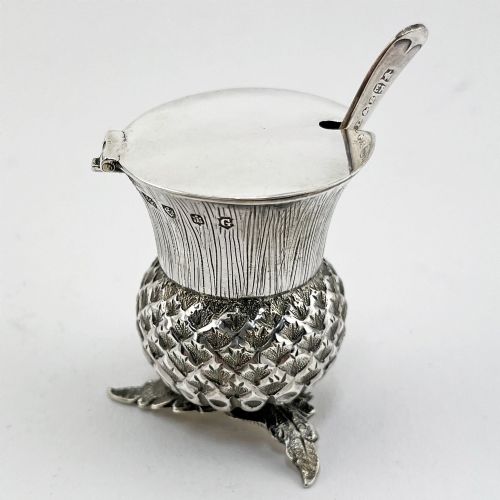
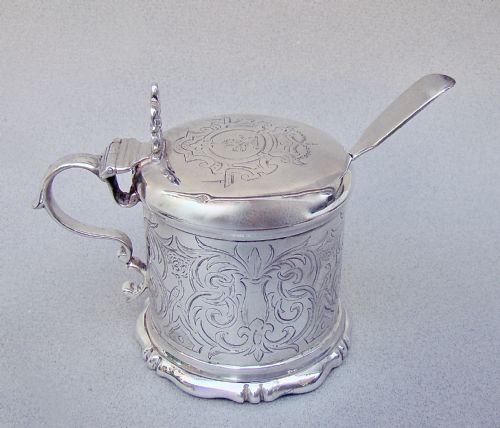
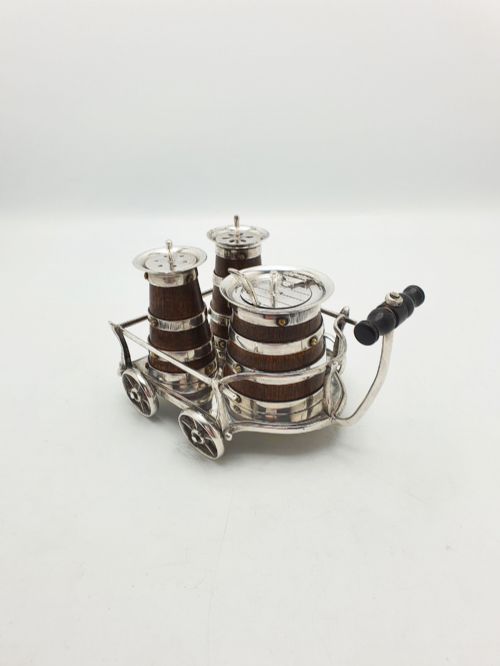
Victorian silver mustard pots represent small, functional vessels created to hold prepared mustard on the dining table during the nineteenth century. These items appear primarily as cylindrical drum shapes, octagonal bodies, or oval forms, alongside novelty designs modelled as thistles, birds, or farmyard animals.
Buyers exploring this selection encounter pieces spanning the early Victorian era through to the late nineteenth century and Edwardian period. Many individual pots survive accompanied by their original hinged lids, scroll handles, and contrasting glass liners.
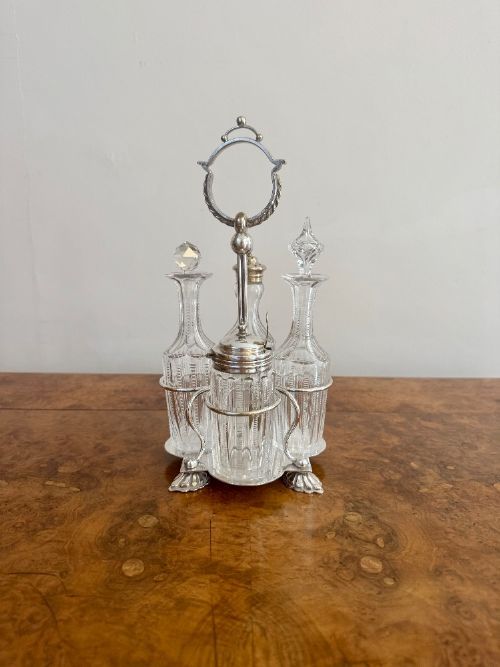
Beyond standalone pots, the selection frequently incorporates condiment sets, cruet frames holding multiple bottles, and associated mustard spoons. These tableware accessories reflect the structured dining customs of past decades, ranging from plain domestic pieces to elaborately pierced silver work.
How they were made
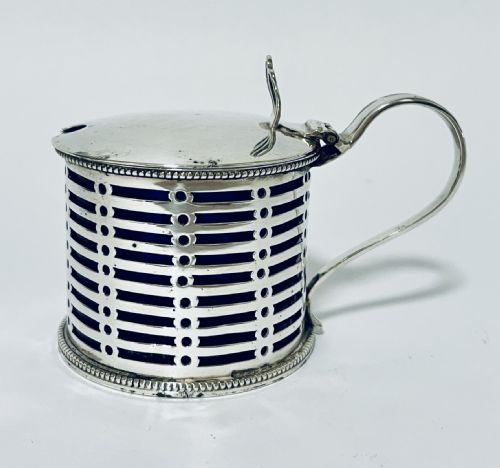
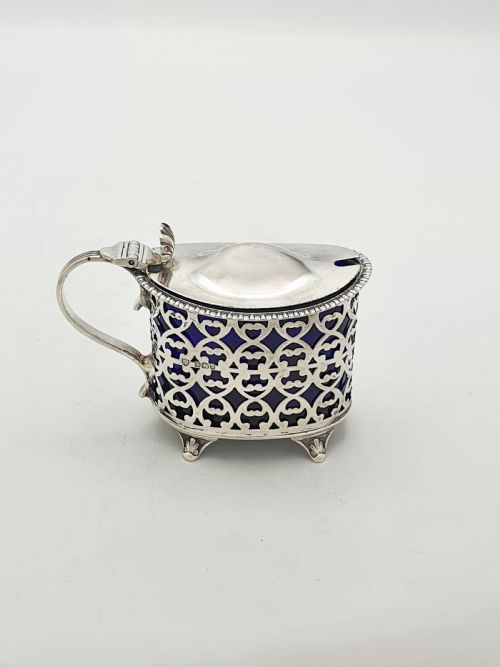
Silversmiths constructed these mustard pots using sterling silver or silver plate, shaping the metal through hammering, casting, and piercing techniques. Pierced examples demonstrate intricate pierced scrollwork or geometric trellis patterns designed to reveal the coloured glass liner housed within.
Internal glass liners typically consist of cobalt blue glass, ruby red glass, or plain cut glass, blown and fitted precisely to protect the silver from corrosive mustard. Many pieces incorporate sturdy hinged lids attached to thumbpieces, allowing for practical daily service at the dining table.
The inventory records pieces spanning the Georgian, early Victorian, Victorian, and Edwardian periods.
What varies in quality
Quality across these mustard pots rests upon the crispness of the silversmith's chasing, the weight of the sterling silver, and the presence of fully matched components. Superior examples display sharply cast decorative mounts, tight hinge action, and intact glass liners free from chips.
Maker attribution also distinguishes finer items, with pieces bearing the marks of renowned London and provincial silversmiths commanding particular attention. The intricacy of novelty forms, such as engraved hunting scenes or sculptural bird designs, separates standard domestic tableware from exceptional collector pieces.
Nathan and Hayes·Charles and George Fox·Mappin Brothers·Hamilton and Inches·George Unite·William Comyns
The Victorian Silver Mustard Glossary
- Cruet set
- A matched or fitted frame holding multiple condiment bottles, mustard pots, and cruet spoons for the table.
- Drum mustard pot
- A cylindrical vessel with straight sides, a flat hinged lid, and a handle, popular throughout the Victorian period.
- Cobalt glass
- A deep blue glass utilised for removable interior liners that contrast against pierced silver work.
- Pierced work
- A decorative technique where silversmiths cut openings through the metal sheet to create patterns and reveal the glass liner underneath.
- Thumbpiece
- The small projecting lever attached to the hinged lid of a mustard pot for easy opening with a single thumb.
Victorian Silver Mustard: Frequently Asked Questions
How were antique mustard pots used?
These vessels sat on dining tables to hold prepared mustard, which servants or diners spooned onto plates using small condiment spoons.
They formed part of larger cruet and condiment arrangements alongside salt cellars and pepper castors during formal meals.
Are glass liners original to the pots?
Many pots retain their original cobalt blue, ruby red, or clear cut glass liners, which protected the silver from vinegar in the mustard.
Replacement liners remain common due to the fragile nature of old glass, so buyers often check for a snug fit inside the silver body.
How do I date a silver mustard pot?
Hallmarks stamped onto the silver body and lid provide the exact assay office, standard mark, and date letter for pieces made in Britain.
Stylistic clues such as early Victorian rococo revival moulding or Edwardian simplicity also help identify the period of manufacture.
Can I use these pots today?
These mustard pots remain fully functional for modern dining provided the glass liner is intact and washed carefully by hand.
Many collectors prefer to display them as cabinet pieces or utilise them alongside contemporary table settings for special occasions.