


Victorian Silver Medallion
A victorian silver medallion brings tactile 19th-century history to the hand, combining crisp engraving, rich metalwork, and wearable memory.
Victorian Silver Medallion
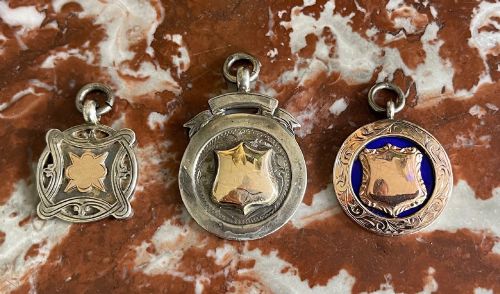
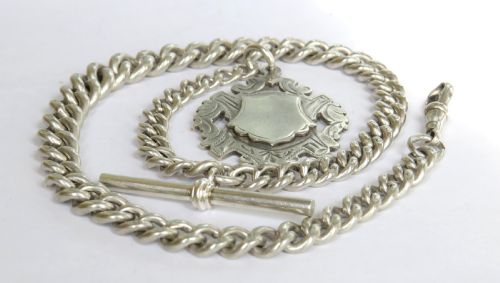
A victorian silver medallion typically manifests as a pocket watch chain fob, a commemorative medal, or a converted pendant meant for personal display. These pieces trace back through the nineteenth century, encompassing distinct periods such as the eighteen-eighties and eighteen-nineties alongside broader Victorian craftsmanship.
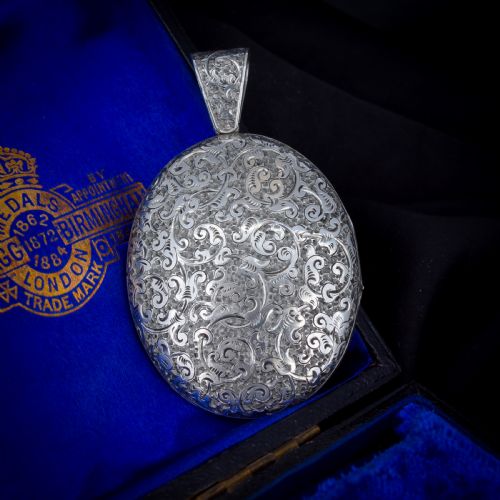
Buyers frequently encounter sterling silver formations paired with intricate engraving, sports awards, and commemorative pieces. Formats extend from pocket watch chains to lockets and brooches, reflecting the diverse ways people wore metalwork during the period.
Origins stretch from British provincial assay offices to continental workshops, capturing both local cycling achievements and grander Renaissance Revival aesthetics. Every item carries the physical imprint of its original manufacturing decade.
Materials and methods
Silversmiths utilised solid sterling silver and vermeil, often enhancing surfaces with gold accents or translucent enamel work. These metals provided a durable foundation for deep hand-engraving and structural mounts.
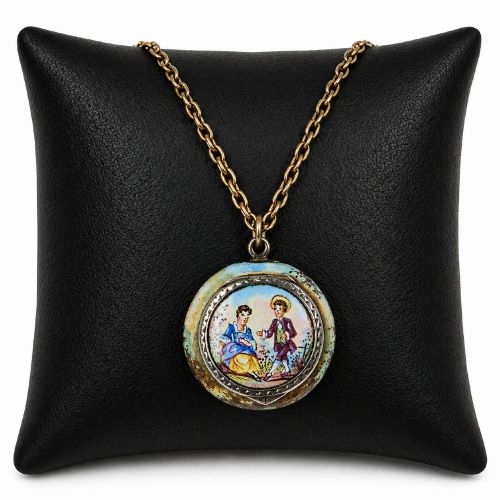
Craftsmen incorporated contrasting elements such as tortoiseshell with silver piqué inlay, baroque pearls, and velvet backing. Such materials demanded precise hand-assembly to secure delicate inlays and stone settings within heavy silver frames.
Listings feature items spanning the eighteenth century through to nineteen-twenty, encompassing British assay marks and continental European workshops.
Assessing quality and execution
Superior examples reveal themselves through the sharpness of the hand-engraving and the depth of the metal relief. Finer pieces maintain crisp lettering and well-defined figural scenes without smoothing from excessive wear.
The integration of secondary materials like enamel or tortoiseshell dictates the overall refinement of the object. Masterful placement of gold accents and secure bezel settings separate standard utilitarian items from exceptional works of miniature art.
Frederic Boucheron
The Victorian Silver Medallion Glossary
- Medallion
- A large metal disc struck or engraved for commemorative or decorative purposes. These objects often served as personal tokens or competitive sports awards.
- Sterling silver
- An alloy consisting of silver and other metals, traditionally copper, standardised for durability and quality. British items frequently display official assay office hallmarks.
- Vermeil
- Silver gilt comprising a base of sterling silver plated with a thin layer of gold. This technique offered the visual warmth of gold while utilising silver beneath.
- Piqué
- A decorative technique involving the inlay of tiny points or patterns of gold or silver into a dark organic ground such as tortoiseshell. Artisans heated the metal pins to press them securely into the surface.
- Watch fob
- A short strap or chain attached to a pocket watch, terminating in an ornamental medallion or seal. These items hung from a waistcoat pocket for practical retrieval and display.
Victorian Silver Medallion: Frequently Asked Questions
What is a victorian silver medallion?
A victorian silver medallion is a stamped or engraved piece of metalwork originating in the nineteenth century, often linked to pocket watch chains or personal commemoration.
These items range from athletic awards and cycling medals to decorative pendants worn on chatelaines or chains.
How were they worn originally?
Owners typically attached these objects to heavy silver pocket watch chains slung across a waistcoat. They also functioned as standalone pendants suspended from ribbon or cord around the neck.
Some pieces doubled as brooches, pinned directly to garments or secured inside fitted presentation boxes.
How do I identify the date?
Dating relies heavily on style indicators, engraved inscriptions, and any accompanying hallmarks stamped directly into the silver. Examining the specific motifs, such as Renaissance Revival styling or aesthetic movement patterns, helps narrow the decade.
Makers' marks and regional assay stamps provide further chronological anchors for British and continental pieces.
Are these pieces made of solid silver?
Most listings feature solid sterling silver or silver gilt, known as vermeil, alongside variants incorporating mixed metals and gold accents. Hallmarks stamped into the metal confirm the silver standard used by the maker.
Non-metal elements like enamel, pearl, and tortoiseshell frequently appear as supplementary decorative components.