




Victorian Silver Inkstand
A victorian silver inkstand brings the tactile discipline of nineteenth-century correspondence directly onto a working desk.

Victorian Silver Inkstand
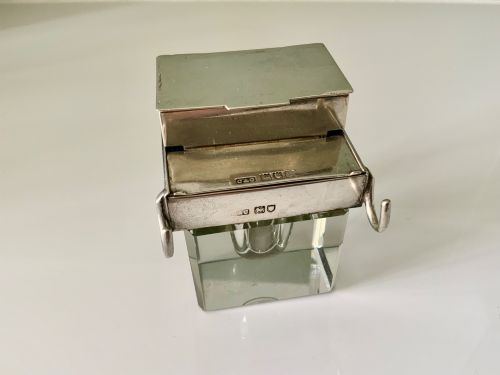
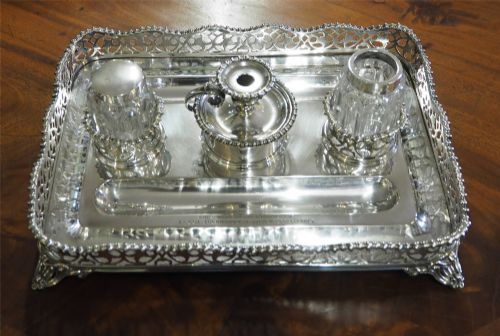
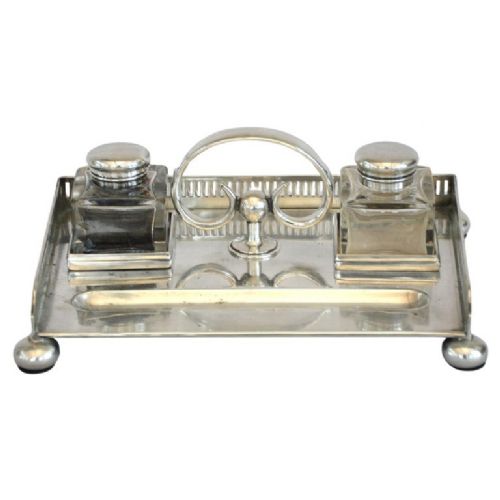
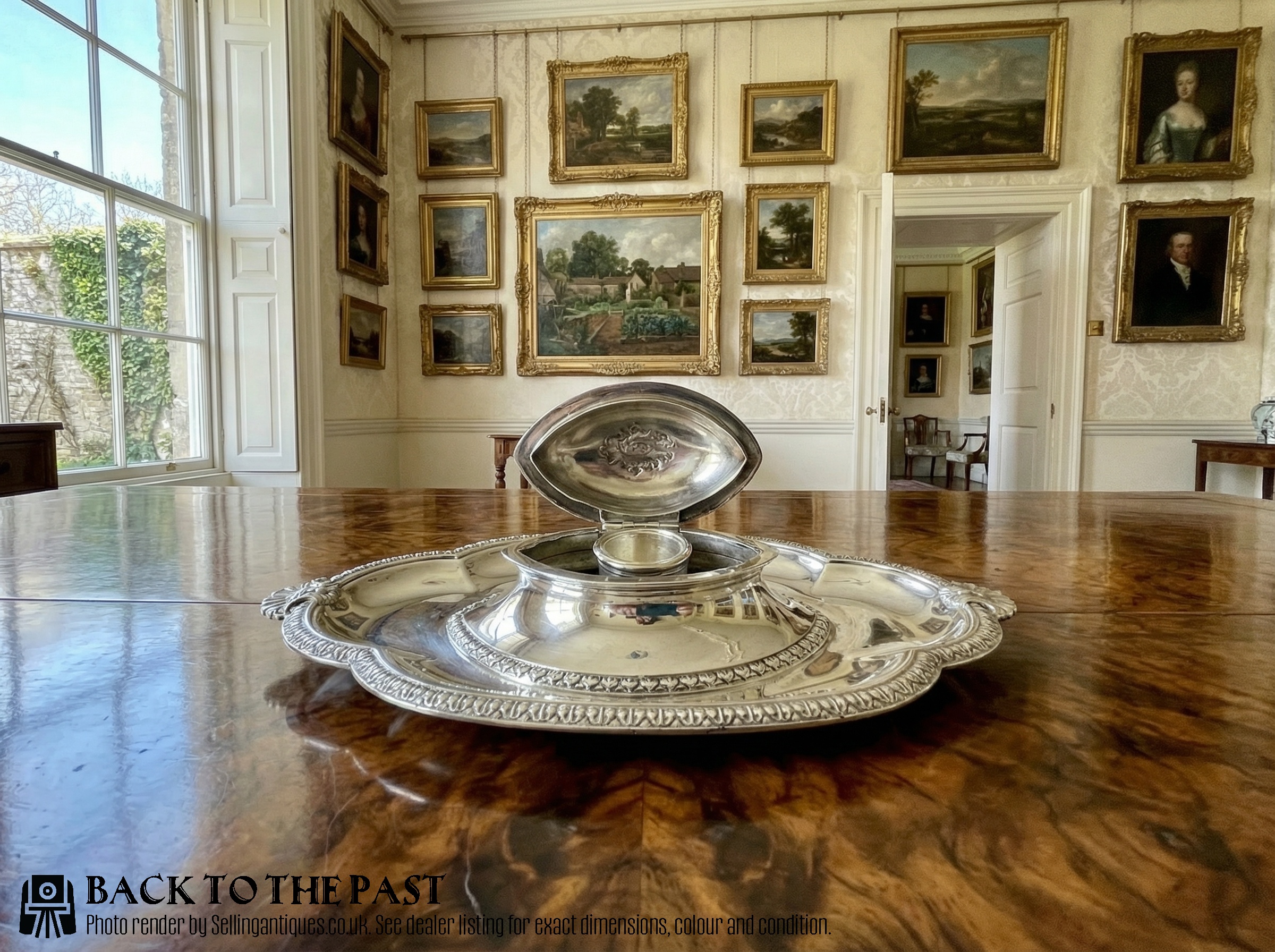
A victorian silver inkstand functions as a desk accessory designed to hold one or more inkwells, pen rests, and sometimes a pounce pot, taperstick, or stamp box. These desk stands appear most frequently from the nineteenth century through the Edwardian period, uniting utilitarian desk organisation with decorative metalwork.
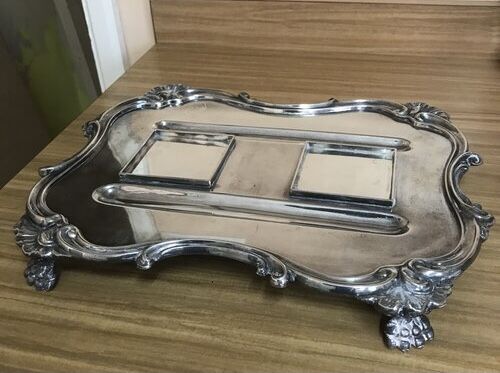
The objects take various forms, ranging from simple sterling silver trays with fitted glass inserts to elaborate double inkstands combined with chambersticks or desk tidies. Buyers encounter both sterling silver and silver-plated editions, often accompanied by fitted cut glass or hinged lids.
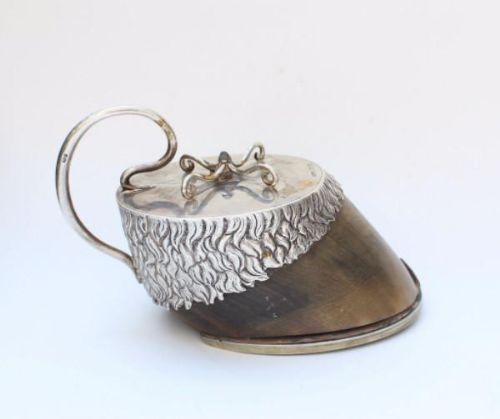
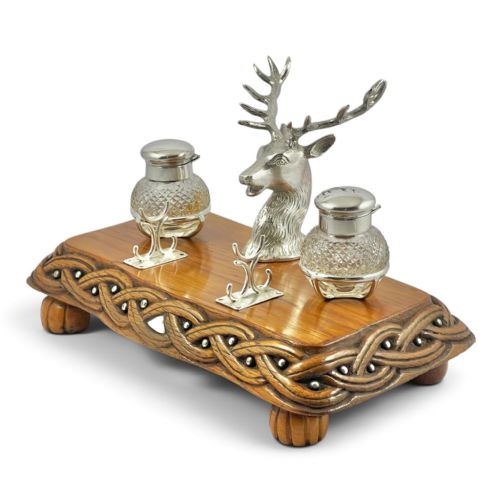
Regional variations span English workshops in London and Sheffield alongside Scottish pieces incorporating local materials such as oak, horn, and granite. Novelty versions also surface, shaped as owls, fruit, cornucopias, or horse hooves.
Materials and construction methods
Silversmiths constructed these stands using sterling silver or silver plate applied to brass or base metals, frequently incorporating heavy cast mounts, gallery rails, and applied feet. Glassmakers provided the heavy cut glass or crystal reservoirs that fit securely into the silver collars.
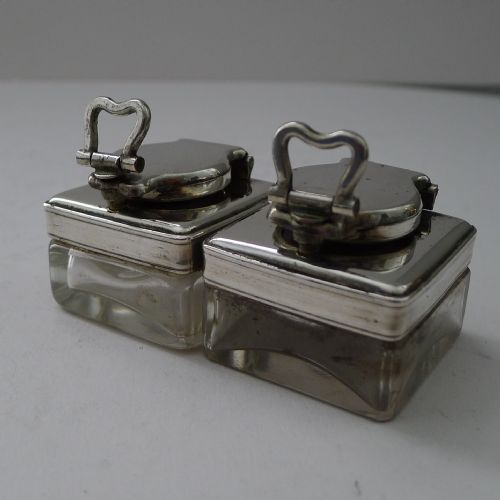
Cabinetmakers and silversmiths combined precious metals with organic materials, mounting silver hardware onto carved oak, coromandel, satinwood, tortoiseshell, horn, and taxidermy specimens. Hinged lids, collars, and pen rests required precise metalworking to ensure a stable, functional desk set.
Victorian Silver Inkstand Retail Price Guide 2026
Typical asking prices for victorian silver inkstand among the pieces listed under this phrase on Sellingantiques today, from the lower quarter to the upper quarter. They describe what is for sale here now, not the wider market.
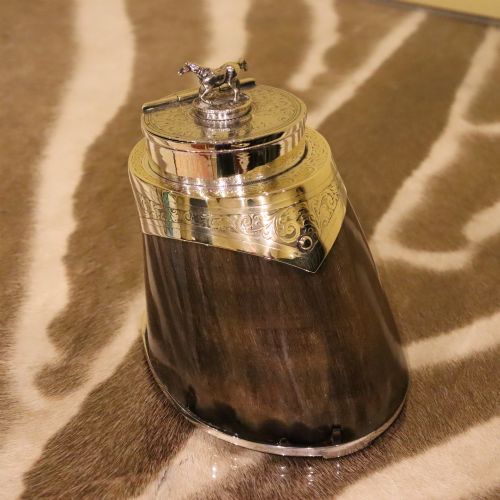
Taxidermy horse hooves fitted with silver hinges bring an unexpected equestrian presence directly to the nineteenth-century writing desk.
Assessing quality and execution
Quality rests upon the weight of the metal, the crispness of chased or pierced ornamentation, and the integrity of the fitted glass components. Heavier gauge sterling silver and substantial silver plate on brass indicate a higher standard of manufacture.
The inclusion of matched accessories - such as original glass inkwells with matching sterling silver collars, functional stamp boxes, and integrated tapersticks - elevates an example above simpler single-well trays. Maker attribution to notable silversmiths also distinguishes finer specimens.
Elkington And Co·Wilkinson And Co·Walker And Hall·Robert Garrard·Robert Hennell·Martin Hall And Co·William Comyns
The Victorian Silver Inkstand Glossary
- Standish
- An alternative term for a desk stand or inkstand that houses writing equipment. This traditional descriptor often implies a more elaborate arrangement featuring multiple inkwells and candleholders.
- Pounce pot
- A small container with a perforated lid used to sprinkle powder over unsized paper to prevent ink from blotting. It forms a standard component of many nineteenth-century desk sets.
- Chamberstick
- A short portable candlestick fitted with a handle and drip pan, frequently integrated into desk stands for sealing letters with hot wax. They match the metalwork of the main inkstand tray.
- Silver plate
- A layer of silver bonded to a base metal such as copper or brass, utilised extensively by large manufacturing firms to produce durable desk wares. It provides the visual weight of silver at a different scale of production.
- Taxidermy inkwell
- A desk accessory incorporating animal parts, most commonly horse hooves mounted with silver rims, hinges, and inscribed presentation shields. These unusual pieces reflect Victorian and Edwardian taste.
Victorian Silver Inkstand: Frequently Asked Questions
What is the difference between an inkstand and an inkwell?
An inkstand refers to the complete tray or desk stand that holds one or more inkwells alongside pen rests and accessories. An inkwell is simply the individual glass or metal vessel that contains the liquid ink.
Many listings offer a combined desk stand that integrates the inkwells directly into a larger silver or wooden tray base.
How do I care for silver and glass desk pieces?
Silver components require gentle cleaning with a specialised cloth to remove tarnish without wearing away thin plating or hallmarks. Glass inkwell inserts lift out safely for washing in warm soapy water.
Keep wooden and horn bases away from direct moisture and extreme heat to protect the organic materials and mounted metal joints.
What periods do these desk accessories come from?
Most examples originate from the Victorian era, spanning the nineteenth century up to nineteen hundred, with subsequent pieces extending into the Edwardian period. Maker's marks and date letters stamped into the silver help pin down the exact year of production.
Stylistic shifts trace a path from classical revival designs toward eclectic novelty items and sturdy oak mounts.
Are the glass inserts usually original to the stand?
Cut glass or crystal inserts frequently survive alongside the silver trays, though replacements occur due to accidental breakage over time. Examining the fit of the glass within the silver collar helps determine if the components belong together.
Matching glass patterns and period-appropriate wear across both parts suggest an original pairing.