

Victorian Silver Fruit Bowl
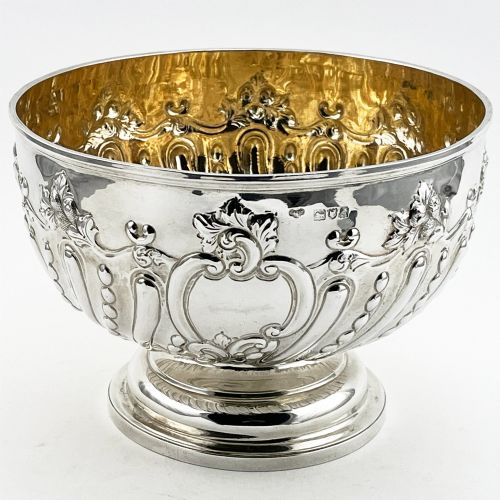
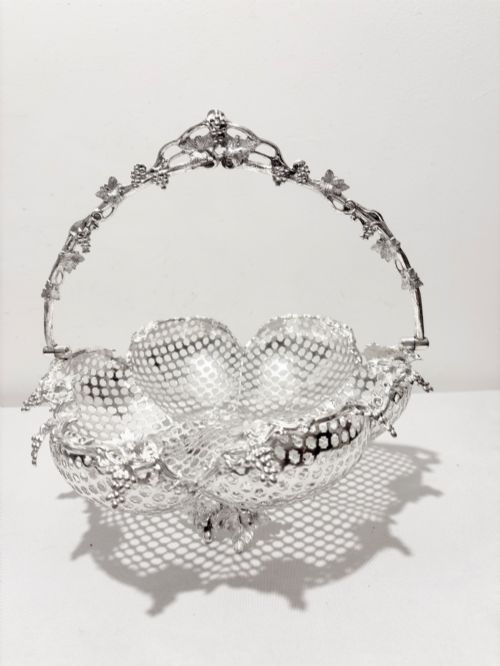
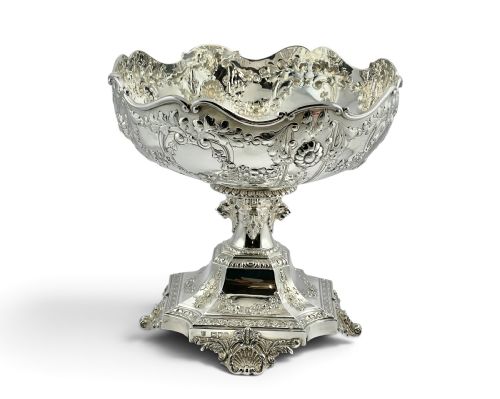
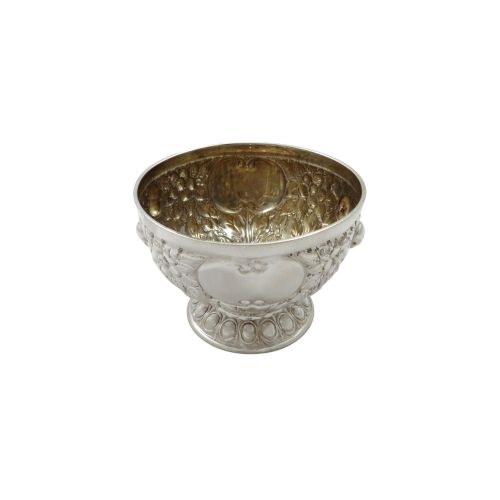
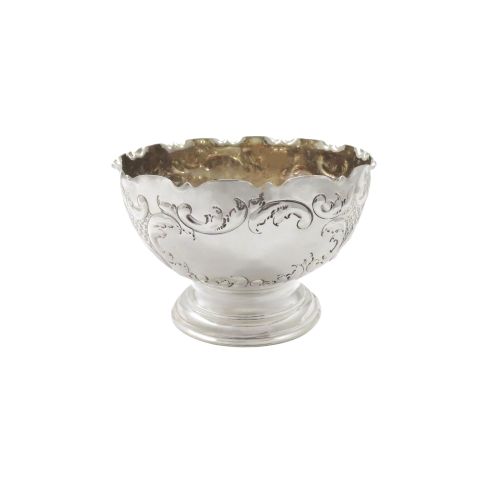
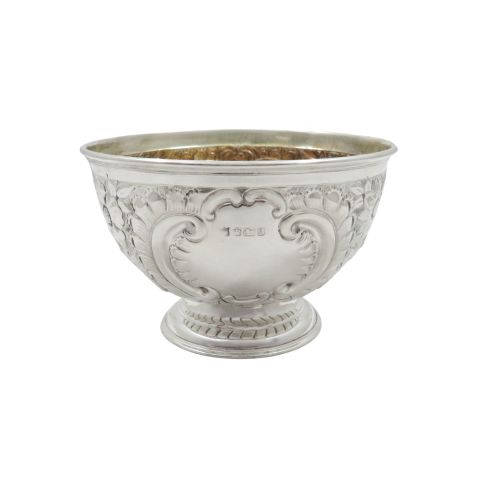
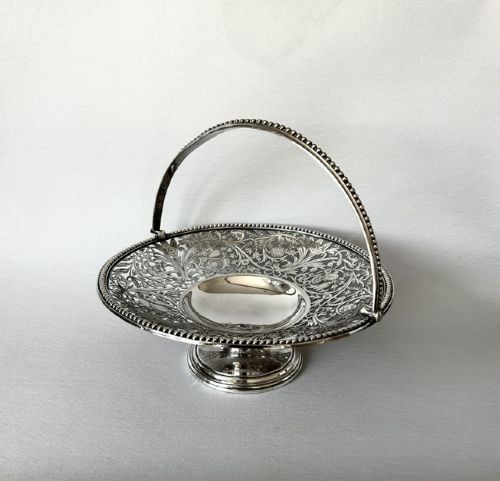
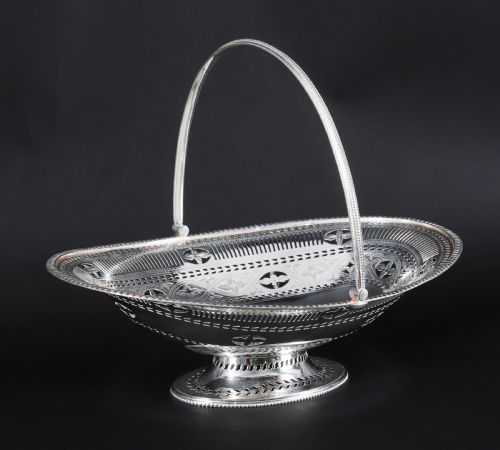
A victorian silver fruit bowl brings dining tables alive with chased floral detail and pierced metalwork.
Victorian Silver Fruit Bowl
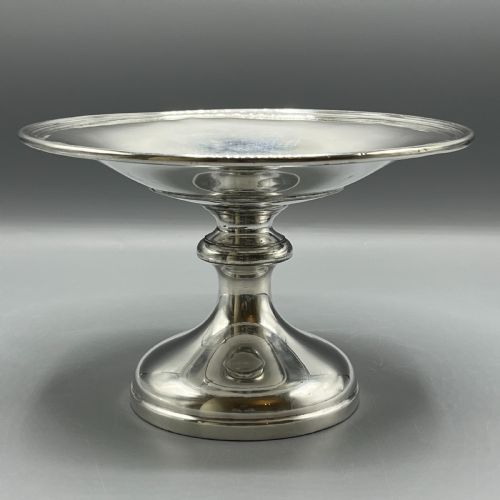
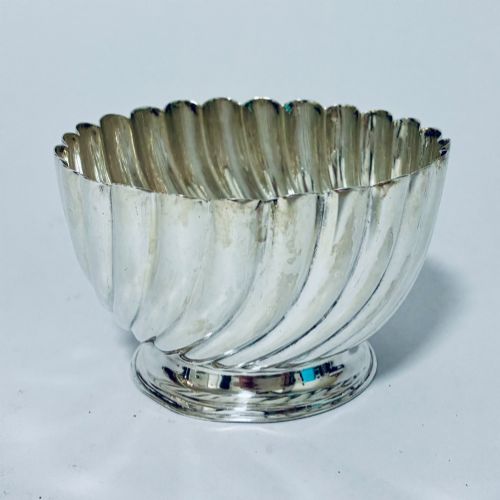
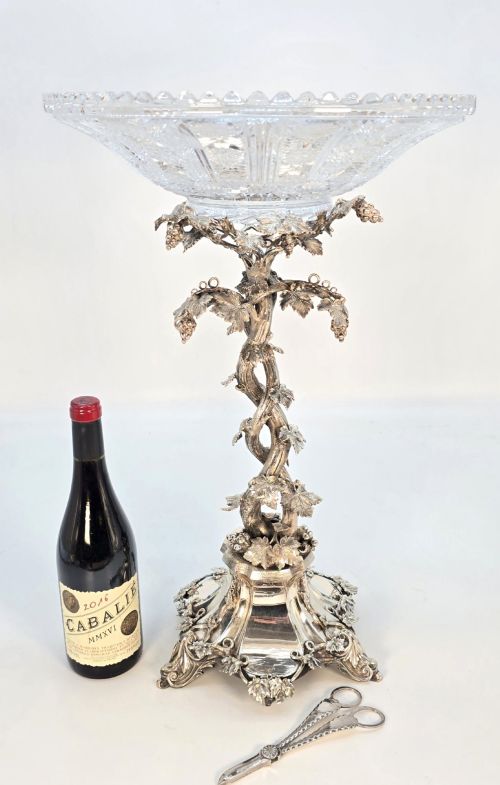
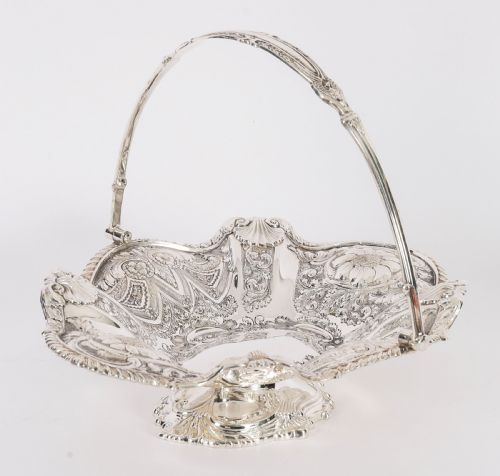
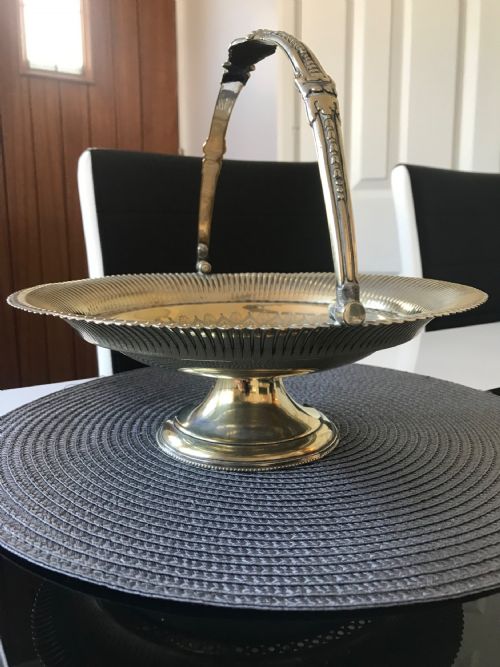
A victorian silver fruit bowl encompasses pedestal tazzas, pierced baskets, and footed bowls designed for dining room presentation. These pieces originate across the nineteenth century, utilising solid sterling silver or silver plate over base metals.
Buyers meet silver plated fruit baskets alongside solid sterling silver presentation bowls on this page. The forms range from simple round dishes to elaborate vessels featuring swing handles and glass inserts.
Makers produced these serveware items for formal dining, employing styles from English Traditional to Rococo Revival and Neoclassical. Pierced decoration and repoussé floral motifs define the aesthetic of the period.
Materials and Techniques
Silversmiths shaped sterling silver and silver plate through hammering, spinning, and casting. Pierced designs required careful hand-sawing of metal sheets to create intricate openwork patterns along the rim or body.
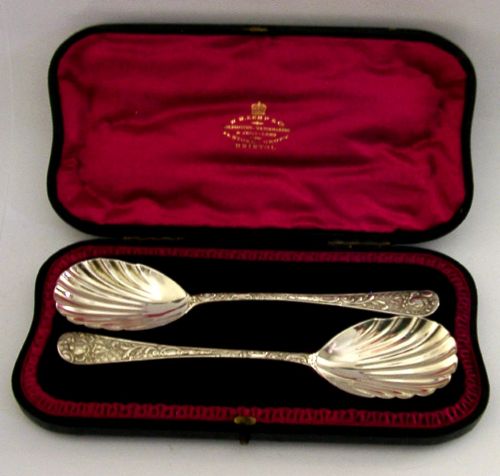
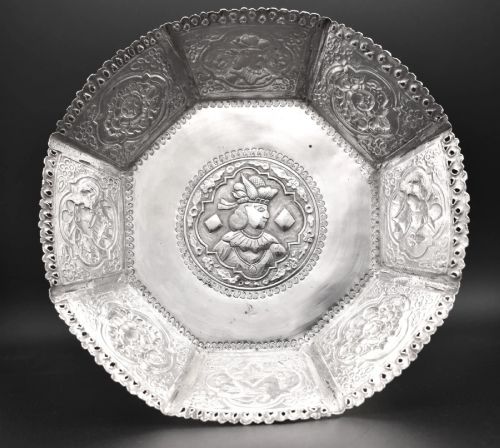
Repoussé and chasing techniques pushed the metal from behind and refined details from the front to build floral and bird decorations. Gilding added a layer of gold to the interior surfaces of berry spoons and specific presentation bowls.
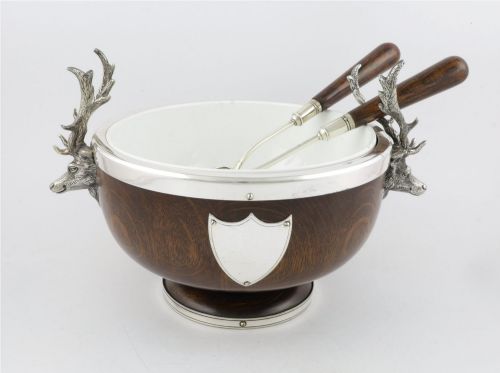
Combination pieces integrated cut crystal, etched glass, or green vaseline glass inserts held securely within metal frames and baskets. Electroplated nickel silver emerged as a primary method for coating base metals with a durable silver layer.
Victorian Silver Fruit Bowl Retail Price Guide 2026
Typical asking prices for victorian silver fruit bowl among the pieces listed under this phrase on Sellingantiques today, from the lower quarter to the upper quarter. They describe what is for sale here now, not the wider market.
Materials range from solid sterling silver and silver plate to brass, cut crystal, opaline glass, and velvet.
Craftsmanship and Weight
Quality rests in the crispness of the repoussé work and the thickness of the silver plate over the underlying metal. Substantial weight in sterling silver examples signals superior construction and material usage.
Makers marked their commitment to standard through clear hallmarks or maker stamps on solid pieces. Finer items exhibit balanced proportions, secure handles, and intact glass liners without chips or excessive wear to the silver plating.
George W. Scott & Sons Ltd·Walker & Hall·Thomas Bradbury·William Comyns·Martin Hall·Elkington & Co·James Dixon·Tiffany & Co·Garrard London·Doulton Burslem·WMF
The Victorian Silver Fruit Bowl Glossary
- Tazza
- A shallow bowl or plate mounted on a pedestal foot, used historically for serving fruit or small dishes at table.
- Repoussé
- A metalworking technique where a design is hammered into relief from the reverse side of the object.
- Épergne
- A large table centrepiece featuring a central dish with multiple branching arms holding smaller baskets or bowls.
- Silver Plate
- A thin layer of silver bonded to a base metal such as copper, brass, or nickel silver.
- Pierced
- Metalwork perforated with decorative cut-out patterns, commonly seen on Victorian baskets and bowls.
Victorian Silver Fruit Bowl: Frequently Asked Questions
How do I clean my silver bowl?
Wash the silver gently using warm water and a mild dish soap, then dry thoroughly with a soft microfiber cloth. Avoid harsh chemical dips that strip the natural patina accumulated over the decades.
Store silver pieces in tarnish-resistant cloths or bags when not on display. Regular dusting prevents buildup in the recessed repoussé channels.
Can I use these for actual fruit?
These bowls serve fruit securely, though acidic foods should not sit on exposed base metal for extended periods. Glass or crystal inserts protect the silver layer from fruit juices.
Hand washing remains essential after use to preserve both the metal and any delicate glass components.
What is the difference between silver plate and sterling?
Sterling silver contains a guaranteed high proportion of pure silver throughout the entire object. Silver plate consists of a thin coating of silver applied over a base metal like brass or nickel.
Hallmarks stamped into the metal usually indicate sterling standards, while plated items carry maker marks denoting their plating house.
How do I identify a Victorian piece?
Victorian items often display stylistic clues like Neo-Classical revival motifs, heavy floral repoussé, or registration marks stamped into the base. The presence of specific maker names linked to the nineteenth century confirms the era.
Consulting standard hallmark date letters helps pinpoint the exact year of manufacture for solid silver vessels.