



Victorian Silver Earrings
These victorian silver earrings bring together the intricate metalwork and glittering stones of the nineteenth century, offering authentic period charm for modern wearers.
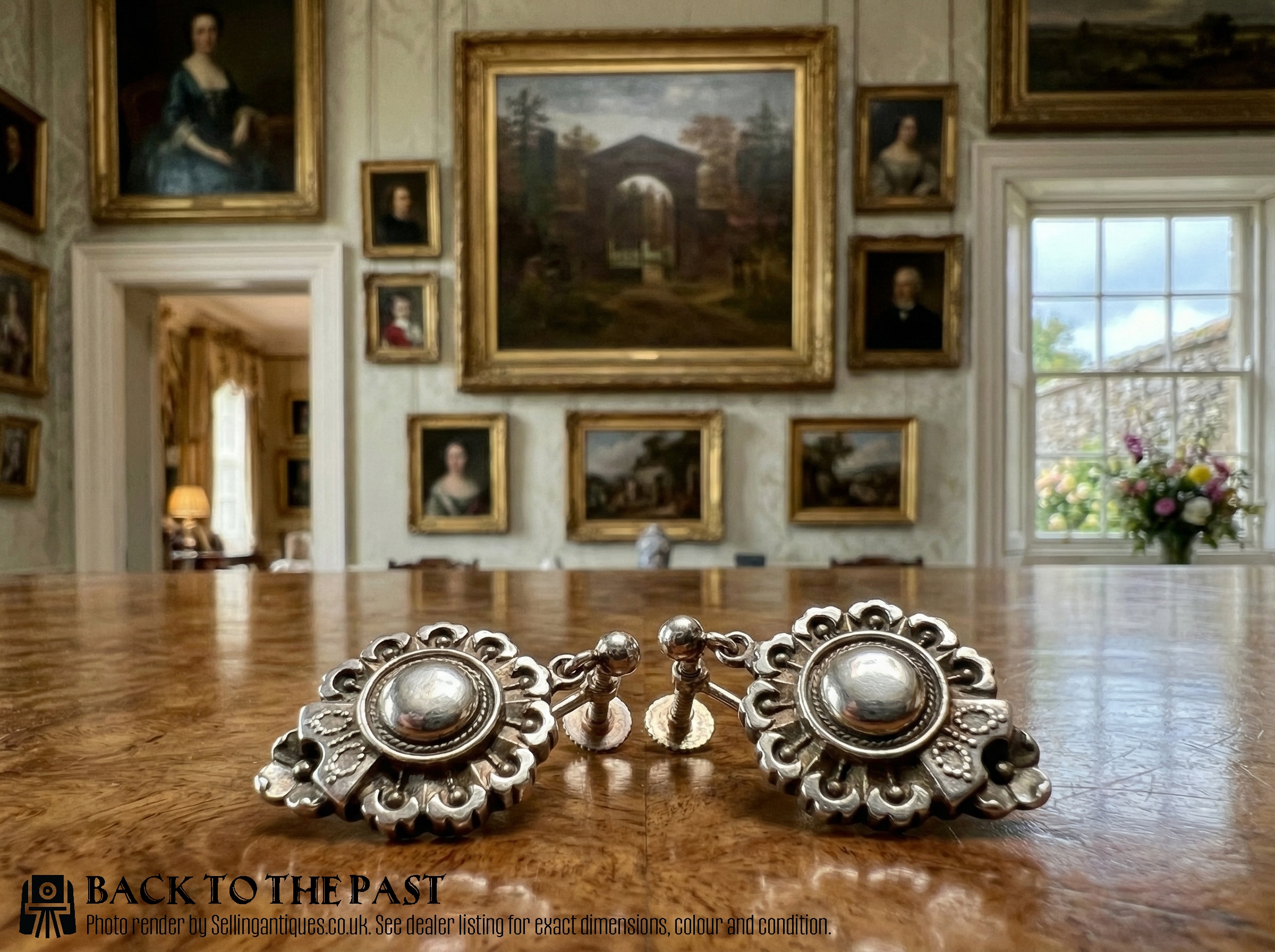
Victorian Silver Earrings
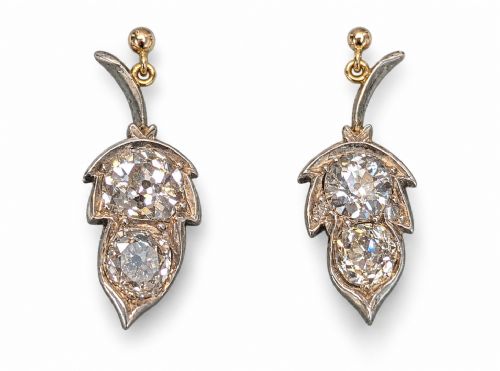
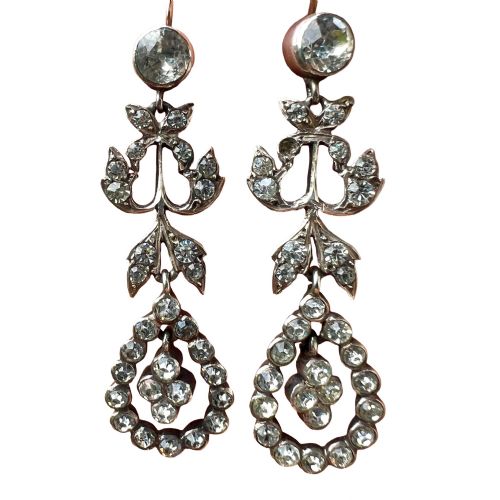
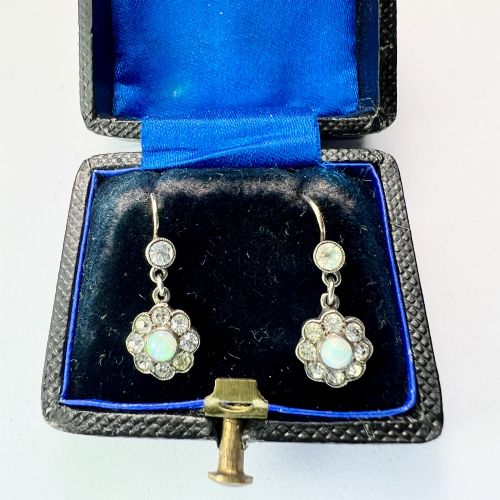
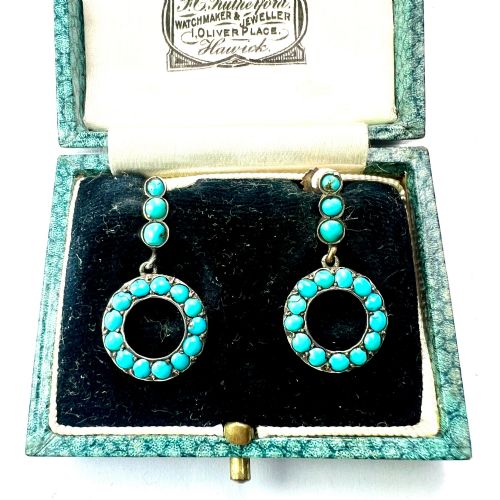
When searching for victorian silver earrings, buyers encounter a diverse array of nineteenth-century drop, dangle, and cluster designs. The most common varieties feature sterling or silver-gilt mounts paired with diamonds, paste stones, turquoise, or natural pearls.
The selection ranges from geometric Aesthetic Movement pieces to romantic floral motifs and Scottish hardstone pebble designs. Many surviving examples incorporate gold accents, combining yellow or rose gold with silver settings to enhance the sparkle of old-cut diamonds.
Makers utilised various fastening methods, including traditional hooks, screwbacks, and clips, reflecting the evolving fashions in pierced and non-pierced ear wear during the period.
Assessing Quality
Quality in these pieces rests primarily on the crispness of the hand-chased metalwork and the precision of the stone setting. Finer examples display securely bezel-set or claw-set stones with uniform old-cut facets, whereas lesser pieces rely on glued paste or uneven foil backs.
The sophistication of the design dictates much of the appeal, with natural motifs like ferns, birds, and botanical sprays showing superior artistic execution compared to standard mass-produced stampings.
Victorian Silver Earrings Retail Price Guide 2026
Typical asking prices for victorian silver earrings among the pieces listed under this phrase on Sellingantiques today, from the lower quarter to the upper quarter. They describe what is for sale here now, not the wider market.
Knoll & Pregizer
The Victorian Silver Earrings Glossary
- Paste
- Faceted glass hand-cut to imitate gemstones. It was widely used in nineteenth-century jewellery to achieve high-impact sparkle.
- Silver-gilt
- Silver that has been coated with a thin layer of gold. This finish offered the appearance of solid gold while incorporating silver settings.
- Aesthetic Movement
- A late nineteenth-century artistic style prioritising beauty over narrative. It produced asymmetrical and nature-inspired jewellery.
- Repoussé
- A metalworking technique where the design is hammered into relief from the reverse side. It creates rich three-dimensional textures on leaves and birds.
- Old Cut
- An early diamond-cut style featuring a small table and chunky facets. These stones were shaped by hand before modern machinery existed.
Victorian Silver Earrings: Frequently Asked Questions
Are these earrings suitable for daily wear?
Most nineteenth-century earrings are delicate and benefit from gentle handling during daily use. Storing them in dedicated boxes prevents accidental bending of the thin wire hooks.
Precious stones like turquoise and pearls require protection from water, perfumes, and cosmetics to preserve their natural lustre over time.
How can I tell genuine period pieces apart?
Genuine nineteenth-century examples often exhibit hand-cut gemstones, closed-back foil settings, and handmade ear wires rather than modern mass-produced findings. Examining the reverse side reveals construction methods and tooling marks consistent with hand fabrication.
Stylistic cues such as Aesthetic Movement asymmetry or specific hardstone pebble usage also help anchor pieces firmly within the Victorian era.
What is silver-gilt metal?
Silver-gilt refers to sterling silver treated with an outer layer of yellow gold. This technique was frequently utilised to combine the bright reflective qualities of silver settings with the warm tone of gold.
Over decades of gentle wear, the gold layer may soften in high-contact areas, revealing the silver beneath.