
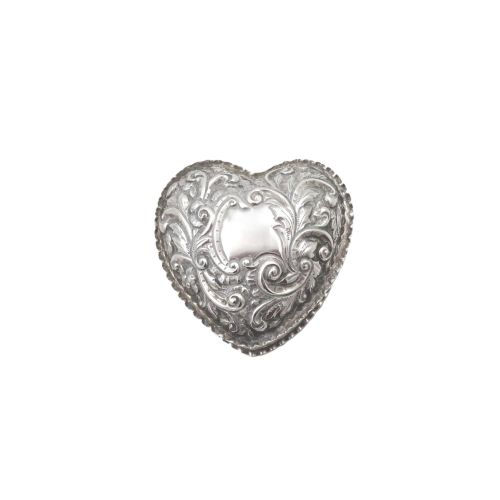


Late Victorian Silver Jewellery
Late victorian silver jewellery gathers the trinket boxes, brooches and pendants shaped by nineteenth-century craft.
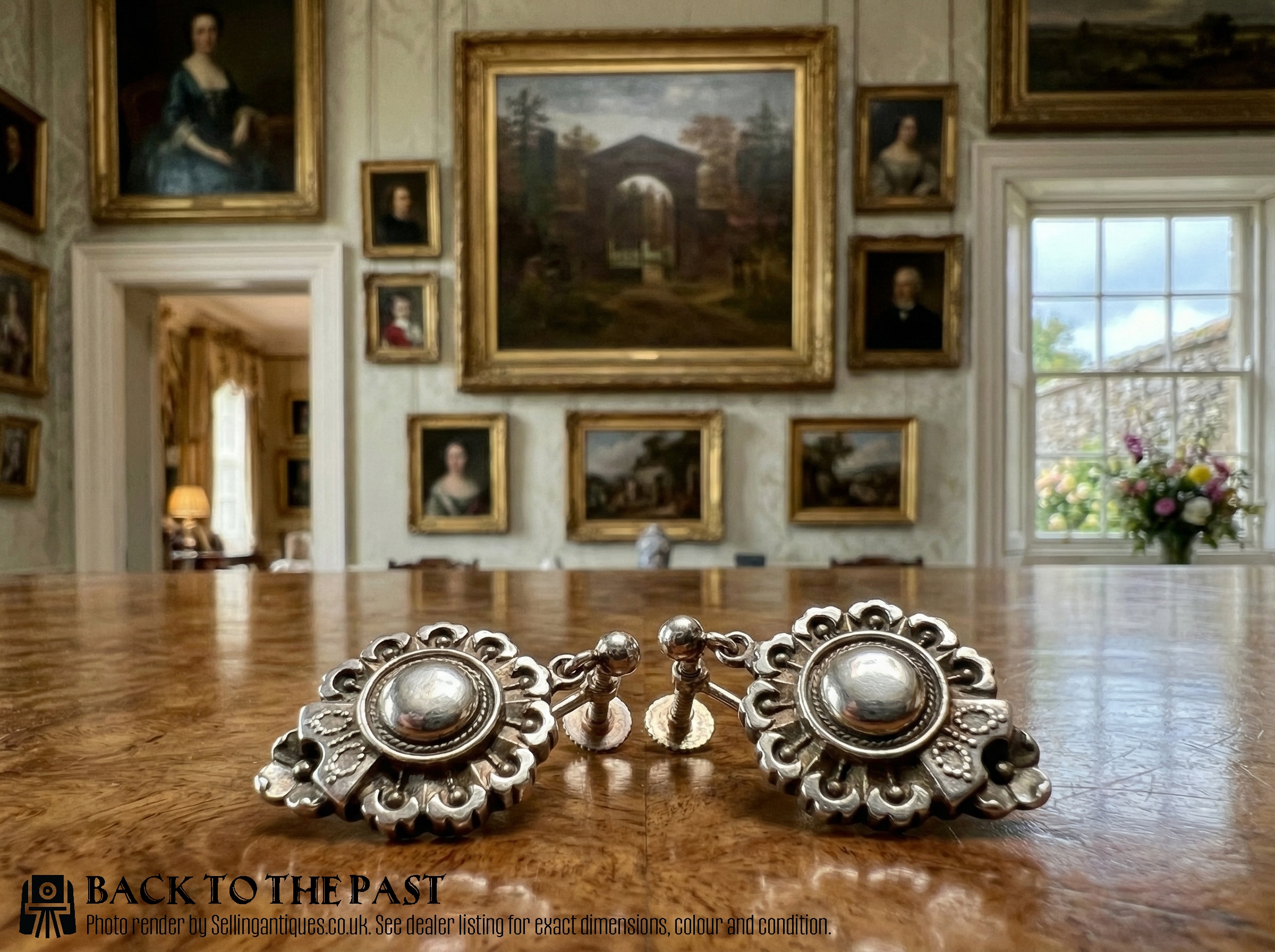
Late Victorian Silver Jewellery
Late victorian silver jewellery encompasses personal adornments and silver containers produced around the close of the nineteenth century. Buyers seeking late victorian silver jewellery encounter items ranging from heart-shaped trinket boxes and jewellery caskets to diamond pendants, drop earrings and agate specimen brooches.
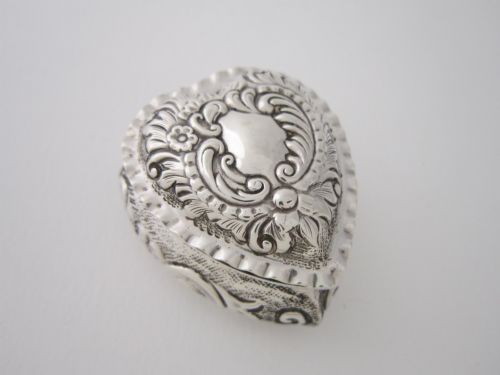
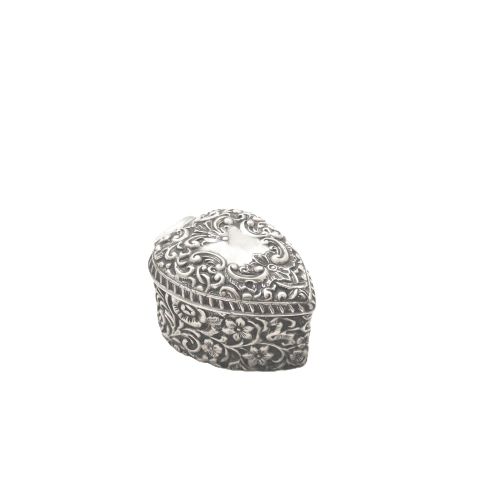
Originating predominantly from the late nineteenth century, these objects reflect the Victorian, late Victorian, Victorian Rococo Revival and Aesthetic Movement styles. Formats vary from small heart boxes to substantial jewellery caskets and watch chains.
Quality Factors
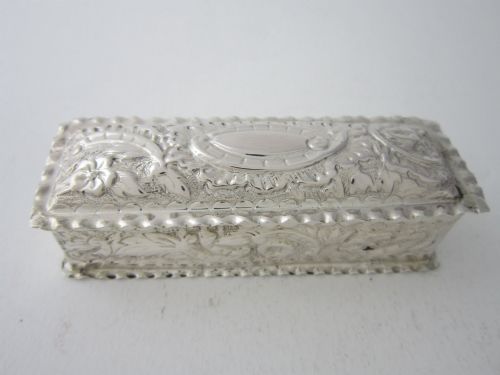
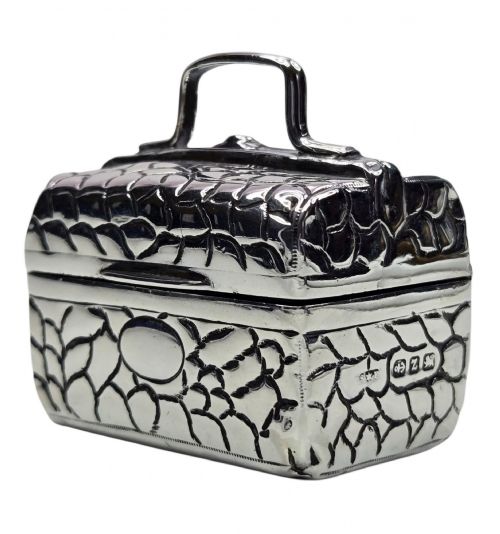
Distinctions in quality rest upon the crispness of chased repoussé decoration on silver boxes and the scale or cut of gemstones in jewellery. Finer boxes display deep, clear hallmarks and intricate motifs like foliage or novelty textures.
In pendants, brooches and earrings, the brilliance and size of diamonds, opals and sapphires dictate the level of the piece. Superior examples unite precise precious metal smithing with well-matched stones and balanced design motifs.
Victorian silversmiths occasionally rendered solid metal into miniature crocodile skin trunks, letting a lady keep her rings inside a tiny reptile.
William Comyns And Sons
The Late Victorian Silver Jewellery Glossary
- Sterling silver
- A silver alloy containing 92.5 percent silver by mass, widely utilised for nineteenth-century boxes and trinkets. It provides durability and a bright finish for detailed chased ornamentation.
- Repoussé
- A metalworking technique where the metal is hammered from the reverse side to form a raised design in relief. This method defines the ornamented surfaces of many nineteenth-century silver trinket boxes.
- Hallmark
- An official stamp applied to precious metals indicating purity, maker and year of assay. English silver boxes frequently carry town marks and date letters corresponding to specific years in the eighteen-nineties.
- Aesthetic Movement
- A late nineteenth-century design style emphasising visual beauty over narrative content. Pieces from this era often display stylised natural motifs such as sunbursts.
- Specimen brooch
- A piece of jewellery designed to showcase specific regional materials, such as Scottish agates. These items highlight local geological specimens mounted in silver settings.
Late Victorian Silver Jewellery: Frequently Asked Questions
What is late victorian silver jewellery?
Late victorian silver jewellery comprises personal ornaments and decorative silver containers produced during the final decades of the nineteenth century. These include wearable items like diamond pendants and brooches alongside tabletop boxes.
Items typically date from the eighteen-eighties and eighteen-nineties, carrying the stylistic hallmarks of the late Victorian era and the Aesthetic Movement.
How were silver trinket boxes used?
Silver trinket boxes served as functional containers on dressing tables for storing small personal valuables, rings and pins. Wealthy households utilised jewellery caskets to keep precious ornaments secure and organised.
Larger boxes and caskets were often displayed openly in bedrooms or boudoirs as decorative objects reflecting the owner's taste.
How do I identify a late victorian piece?
Identification relies on examining hallmarks, style traits and material combinations typical of the period. Sterling silver boxes often feature date letters and assay office marks from the eighteen-nineties.
Stylistic indicators include Aesthetic Movement motifs, Rococo Revival scrolls and the characteristic yellow gold and silver combinations found in gem-set brooches.
How should I care for silver jewellery?
Silver and silver-plated items require gentle cleaning with appropriate cloths to prevent the accumulation of tarnish. Avoid harsh chemical dips that can damage delicate gem-settings like opals or agates.
Store pieces in dry conditions away from direct sunlight to preserve the integrity of both the silver metalwork and the mounted stones.