








Victorian Silver Collar Decanter
These Victorian silver collar decanter pieces bring together cut glass bodies and metal mounts for your sideboard or table.
Victorian Silver Collar Decanter
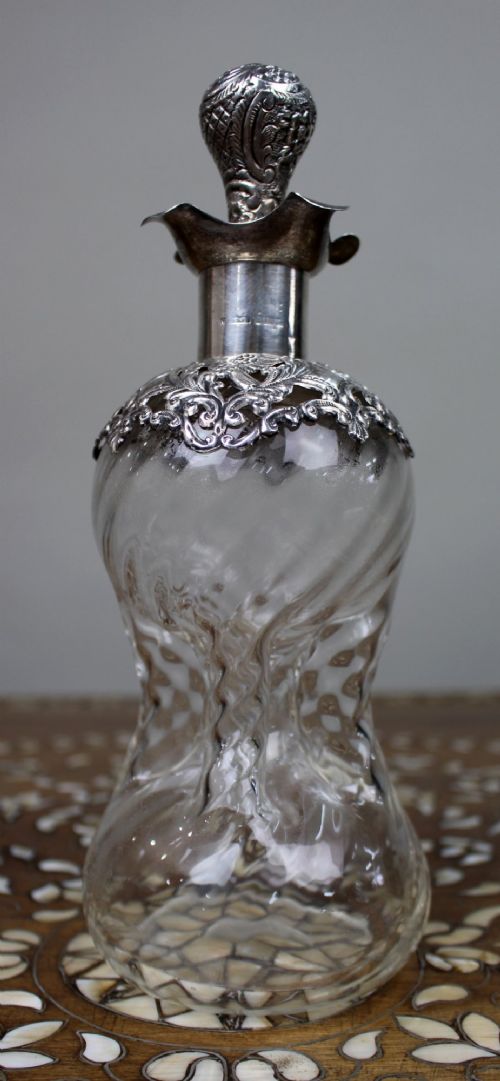
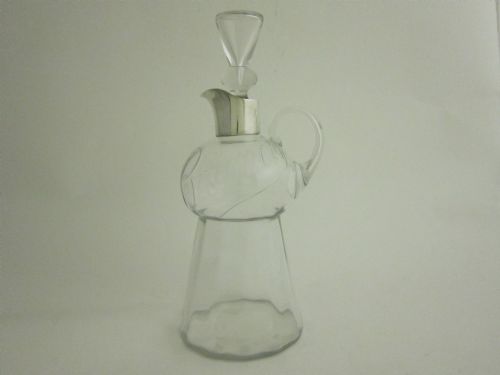
A victorian silver collar decanter unites heavy glass vessels with metal rims, necks, and mounts from the nineteenth and early twentieth centuries. You will find decanters alongside claret jugs, water jugs, and smaller scent bottles that share this silver collar formation.
The evidence shows periods stretching from the Victorian era into the Edwardian years and the nineteen-twenties. These pieces range from simple glass wine decanters with plain mounts to elaborate claret jugs with floral etching or figurine tops.
Materials and construction
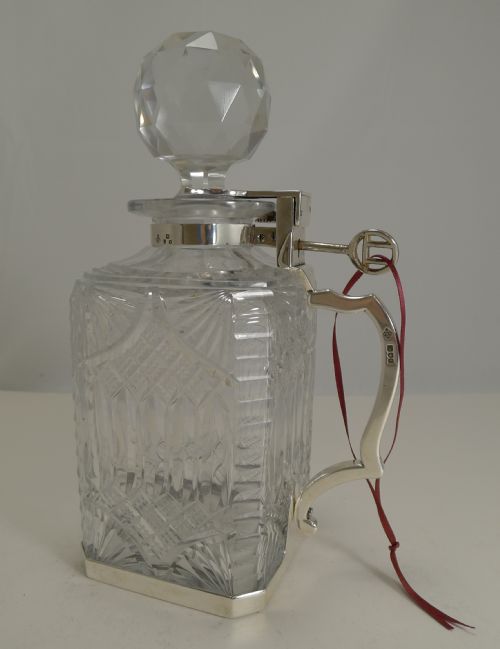
Makers combined cut glass, cut crystal, and glass bodies with sterling silver, silver plate, or silver gilt collars. Metal mounts were secured around the bottle necks, often accompanying hinged lids, stoppers, or locking mechanisms.
Surface decoration on the glass includes deep cut patterns and floral etching, while the metal components feature plain finishes, vine leaf motifs, or thistle designs.
Victorian Silver Collar Decanter Retail Price Guide 2026
Typical asking prices for victorian silver collar decanter among the pieces listed under this phrase on Sellingantiques today, from the lower quarter to the upper quarter. They describe what is for sale here now, not the wider market.
Listings record materials spanning sterling silver, silver plate, silver gilt, and solid silver alongside cut glass and crystal.
Distinctions in quality
Quality rests on the clarity and depth of the cut glass against the weight and definition of the silver mount. Pieces bearing distinct maker marks or London hallmarks sit apart from unmarked examples.
Design complexity also marks out the range, moving from straightforward glass wine containers to marked pieces by known makers featuring specialised metalwork.
William Comyns·Hukin & Heath·Dr Christopher Dresser
The Victorian Silver Collar Decanter Glossary
- Sterling Silver
- An alloy containing 92.5 percent silver by mass, widely used for the collars and mounts on these vessels.
- Silver Plate
- A base metal coated with a thin layer of silver, found on several jugs and decanters in the records.
- Claret Jug
- A pouring vessel designed specifically for red wine, frequently fitted with a metal handle, lid, and collar.
- Cut Glass
- Glass shaped and patterned by abrasive wheel cutting, creating facets that reflect light across the body of the decanter.
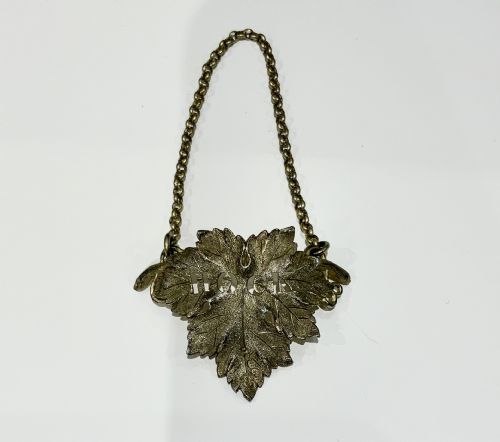
- Decanter Label
- A small metal tag hung by a chain around the neck to identify the contents, such as brandy or hock.
Victorian Silver Collar Decanter: Frequently Asked Questions
How do I clean a Victorian decanter safely?
Wash the glass by hand using warm water and mild soap, avoiding abrasive pads that might scratch the surface.
Keep moisture away from any glued joints or antique silver collars to prevent tarnishing and damage.
Are these decanters safe for daily use?
Most of these glass vessels remain entirely functional for serving wine, water, or spirits at your table.
Check the interior for any stubborn residue and ensure the silver collar is secure before pouring.
What is the difference between crystal and glass?
Crystal contains lead oxide, which adds weight, brilliance, and clarity compared to standard glass.
Both materials appear frequently across the Victorian and Edwardian pieces recorded in the evidence.
How do I date a silver mounted decanter?
Look for hallmarks stamped on the silver collar, which indicate the assay office, standard, and year of manufacture.
Stylistic cues such as Aesthetic Movement engraving or Edwardian proportions also help narrow down the period.