

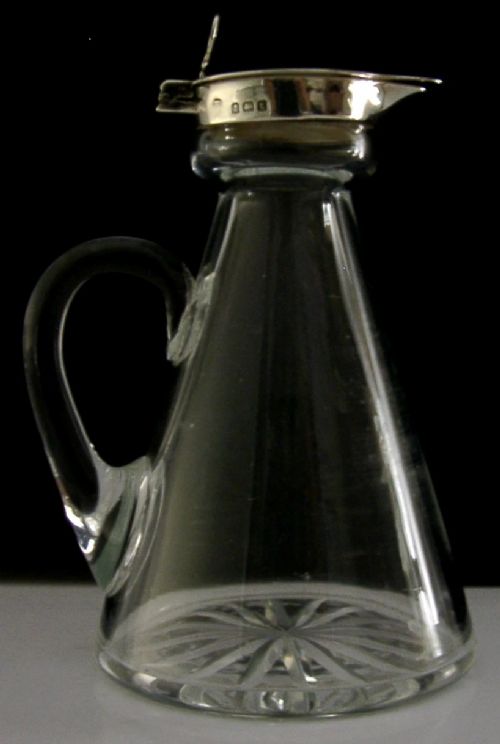


Silver Clear Glass Decanter
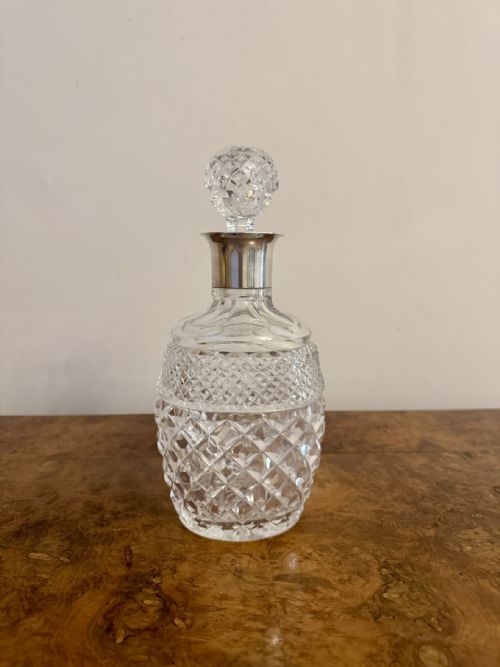
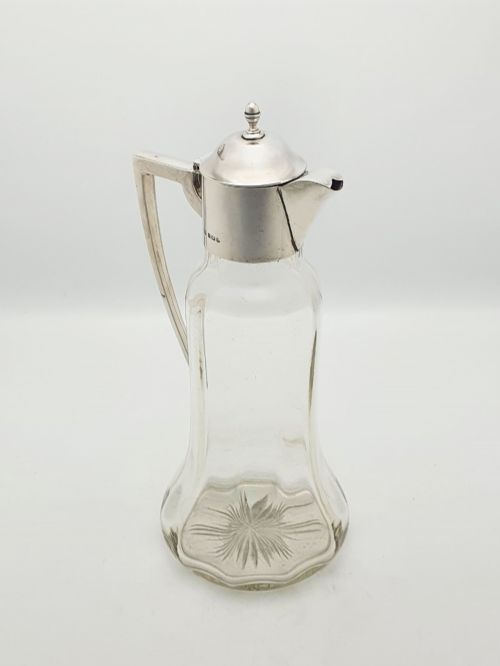
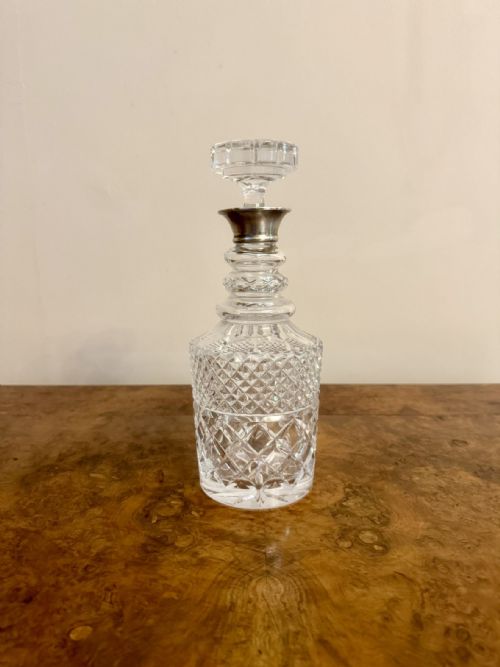
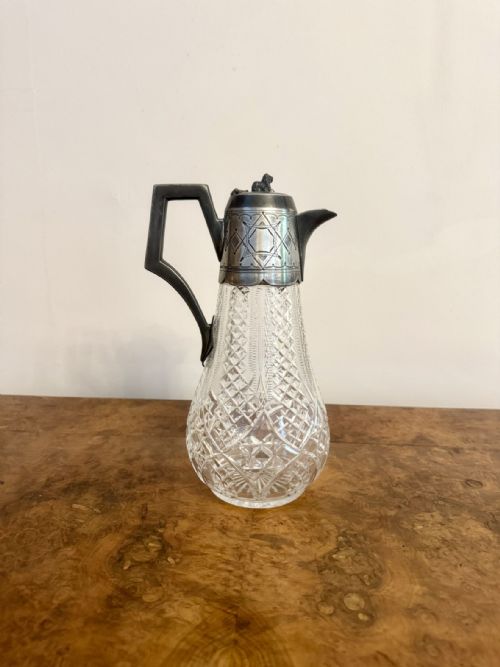
A silver clear glass decanter brings functional elegance to any table, combining bright metal mounts with clear vessels for everyday pouring or display.
Silver Clear Glass Decanter
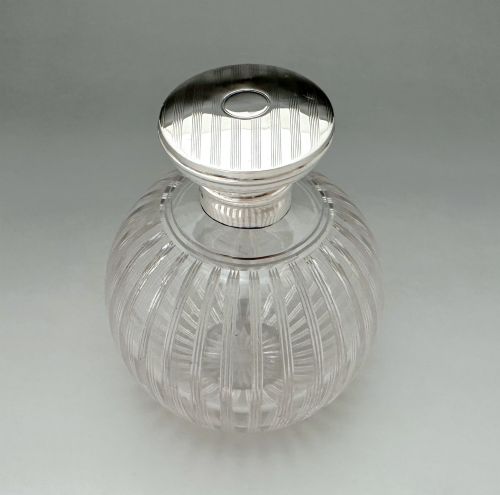
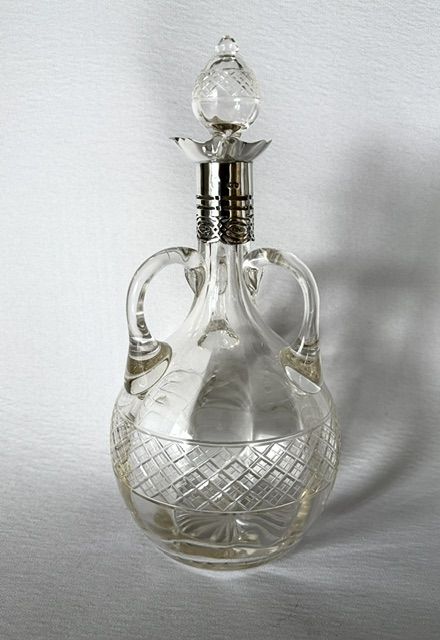
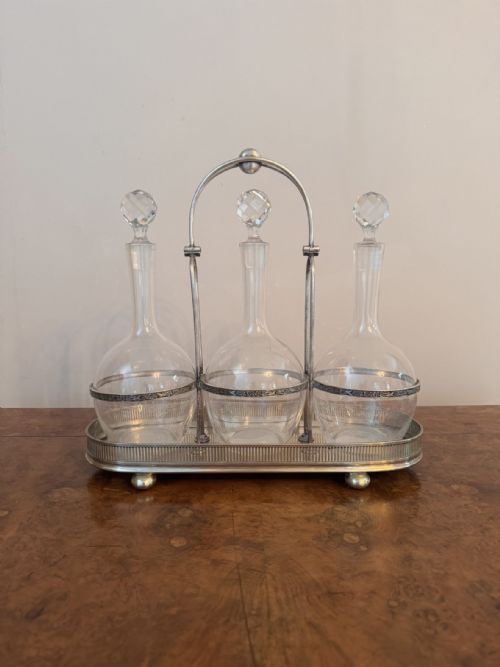
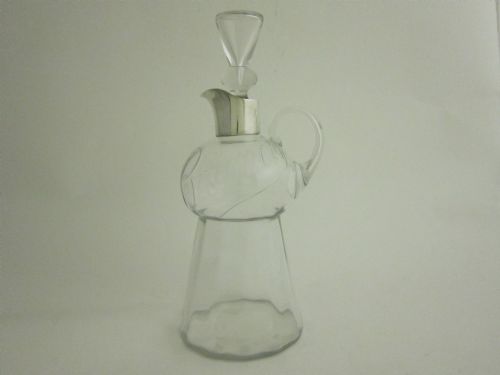
When searching for a silver clear glass decanter, buyers encounter various forms designed for spirits, wine, and scent, ranging from full-sized vessels to miniature whisky noggins. The selection spans distinct periods, primarily the Victorian and Edwardian eras, along with George V examples.
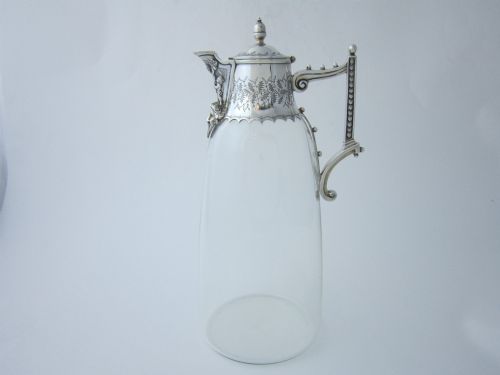
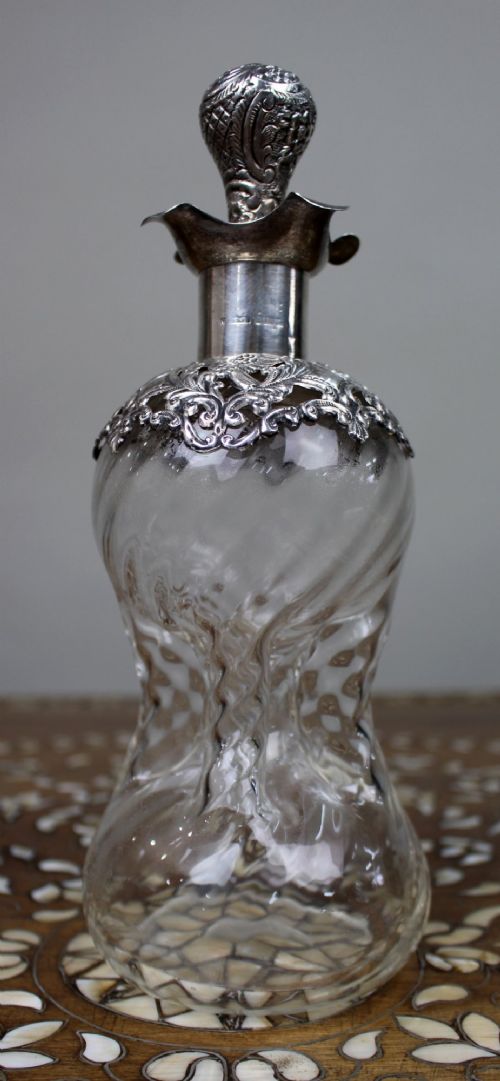
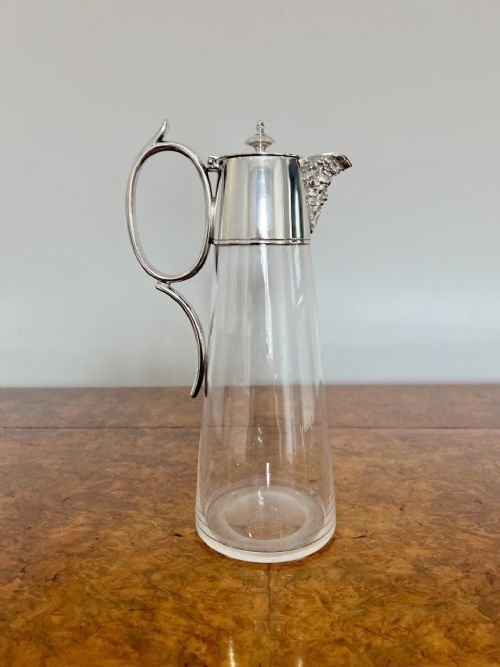
The objects listed take several functional shapes including claret jugs, perfume bottles, spirit bottles, and oil and vinegar sets. Many pieces feature fitted silver collars or elaborate mounts that complement the transparent bodies.
On this page, the predominant style is Edwardian and Victorian production, utilising cut glass, crystal, and clear glass paired with sterling silver or silver plate. These items served dining rooms, bars, and dressing tables in period homes.
Materials and construction methods
The material combination relies heavily on clear glass, cut glass, or crystal paired with either sterling silver or silver plate. Craftsmen shaped the glass vessels through blowing and often applied deep wheel-cutting or surface etching to catch the light.
Silver components were cast or spun into collars, mounts, and hinged tops that secured neatly to the glass necks. Many items incorporate detailed hallmarks or makers' stamps on the metal portions to designate purity and origin.
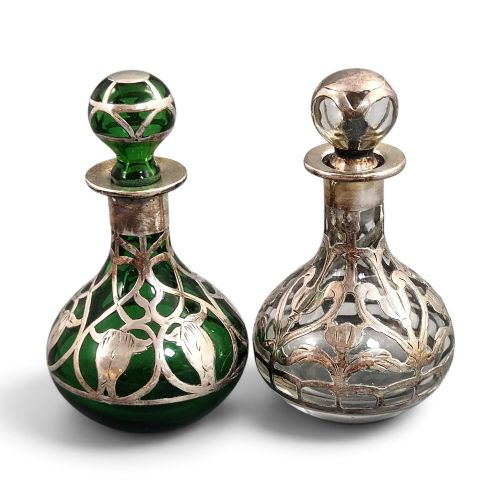
Overlay techniques appear in certain perfume bottles and decanters, where sterling silver pierced work wraps directly around the glass body. Handle attachments and ice tubes in specific jugs demonstrate specialised metal and glass joining methods.
Distinguishing quality across pieces
Quality differences depend largely on the depth and clarity of the glass cutting alongside the weight and detail of the silver mounts. Heavier crystal bodies and substantial sterling silver components indicate superior manufacture compared to lighter silver-plated alternatives.
Design sophistication also separates standard items from exceptional ones, particularly when pieces exhibit specific artistic movements such as Art Nouveau or French Rococo Revival styling. Matching elements, such as original silver labels accompanying whisky noggins or decanters, elevate the overall integrity of the piece.
Gorham·Hukin & Heath·Mappin & Webb
The Silver Clear Glass Decanter Glossary
- Whisky noggin
- A small single-serving spirit decanter or jug, typically featuring a handle, a pouring lip, and a silver collar often paired with a matching label.
- Claret jug
- A large pouring vessel specifically intended for serving red wine at the dining table, combining an ornate handle and mount with a decorative glass body.
- Sterling silver
- An alloy comprising silver and other metals, standardised for purity and frequently hallmarked on the mounts of period decanters and perfume bottles.
- Silver plate
- A base metal coated with a thin layer of silver, commonly utilised on nineteenth-century and Edwardian jugs, stands, and decanter collars.
- Cut glass
- Glass decorated by grinding facets or geometric patterns into the surface using a rotating wheel, creating a brilliant reflective finish.
Silver Clear Glass Decanter: Frequently Asked Questions
What is a whisky noggin?
A whisky noggin is a small, single-portion decanter designed for holding spirits at a desk or after-dinner setting. These compact vessels usually include a fitted silver collar, a handle, and a pouring spout.
Many examples on this page date from the Edwardian and George V periods and frequently accompany small silver spirit labels. They offer a practical way to serve individual measures of whiskey or port.
How do I date a silver mounted decanter?
Dating these pieces relies heavily on the silver hallmarks stamped onto the metal collars, mounts, or lids. These assay marks reveal the exact year of manufacture and the city where the silver was tested.
When hallmarks are absent, stylistic clues such as cut glass patterns, the shape of the silver mount, and design traits typical of the Victorian or Edwardian eras help determine the period.
Were these decanters used for wine or spirits?
These vessels served multiple beverage and toiletry functions depending on their specific form. Claret jugs were strictly manufactured for serving wine at the dining table, whereas spirit decanters held whiskey, sherry, port, or brandy.
Smaller iterations, such as perfume bottles and scent bottles, functioned on dressing tables for holding colognes and oils rather than potable liquids.
How should I clean a cut glass decanter?
Cleaning antique glass requires gentle hand washing with warm water and mild detergent rather than immersion in hot water or placement in a dishwasher. Silver mounts should be polished carefully with a soft cloth to avoid touching the glass.
Special care prevents damage to old glass surfaces and preserves the original polish of the silver collars and hinged stoppers.