




Victorian Silver Chamberstick
A victorian silver chamberstick is a low, portable candleholder designed for carrying through a house after dark.
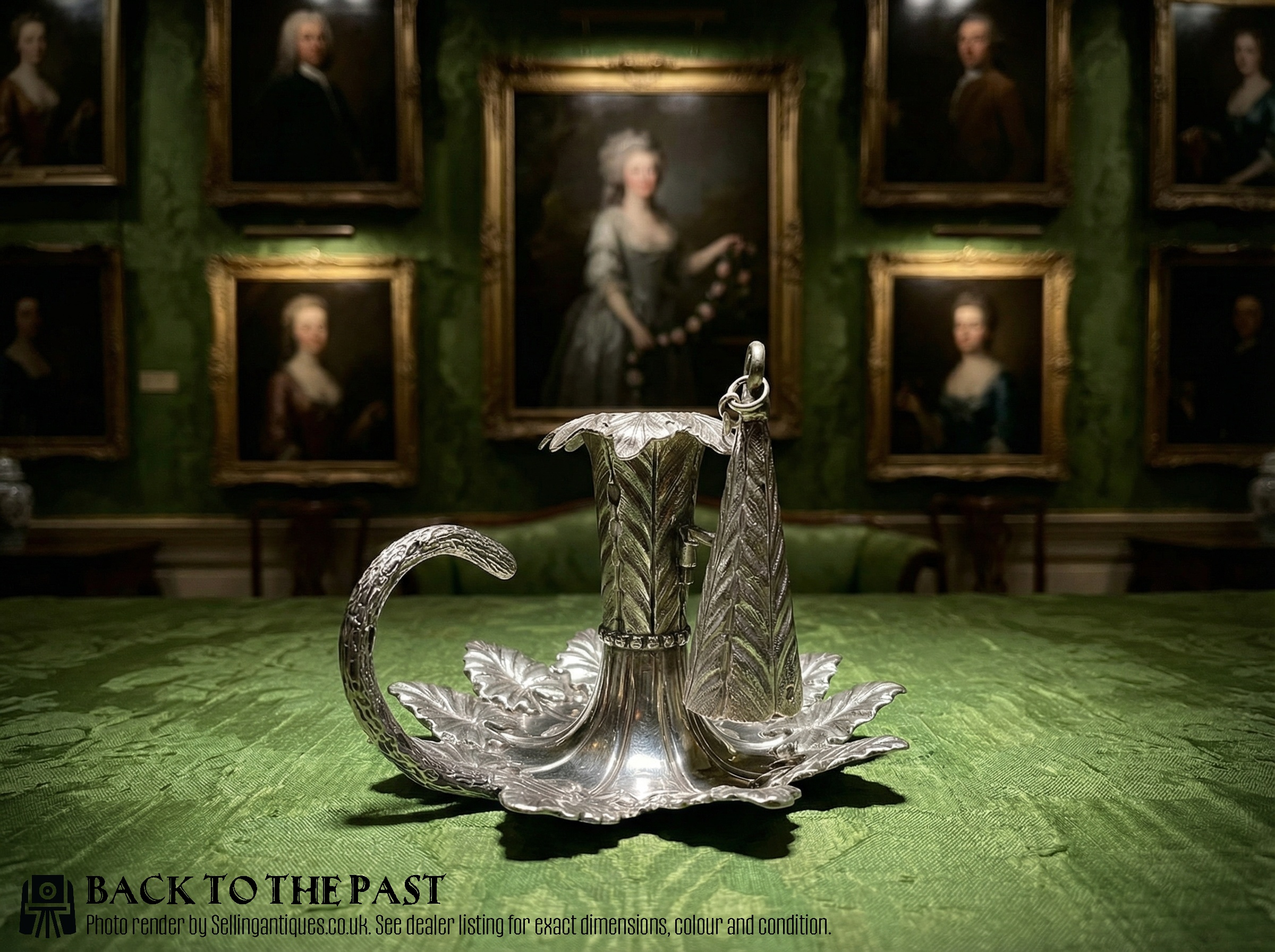
Victorian Silver Chamberstick
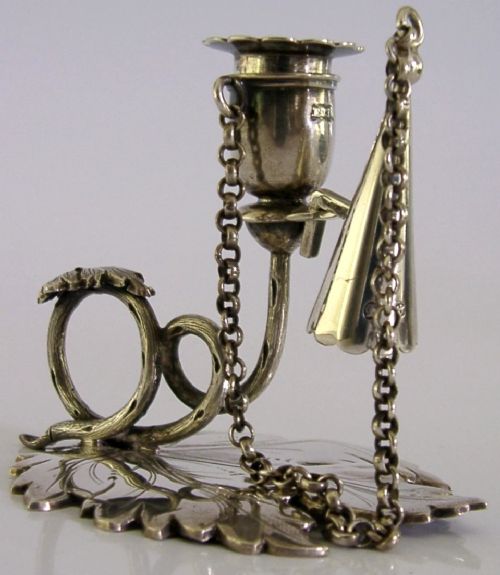
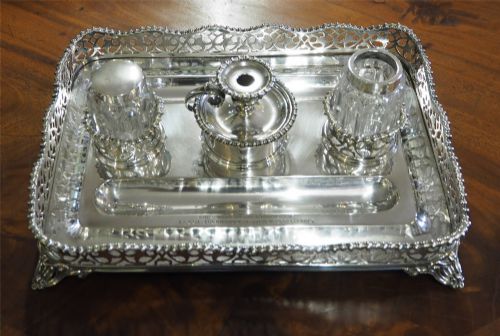
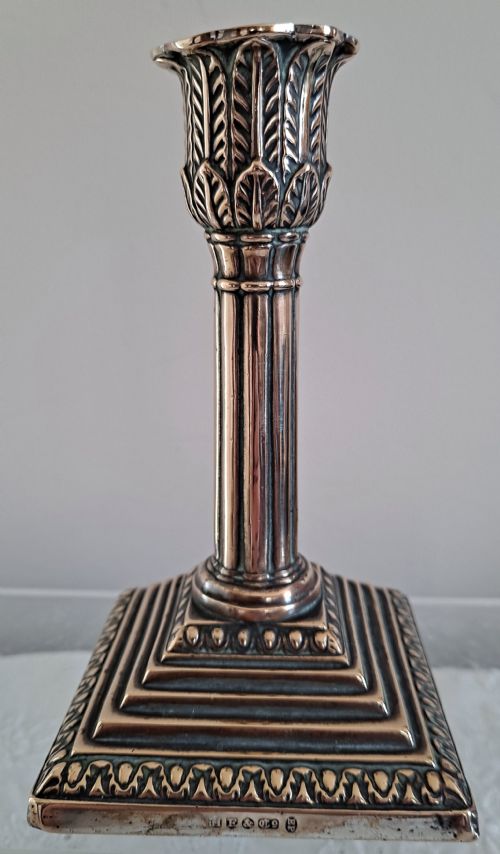
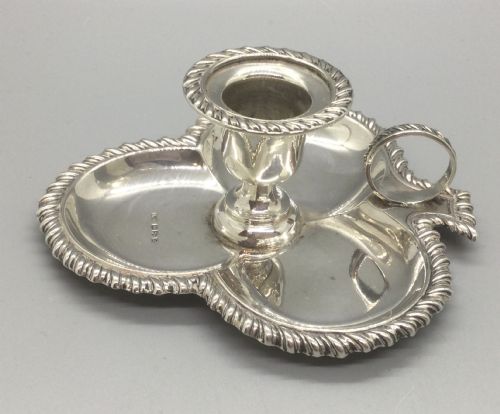
The pieces seen here range from plain domestic models to ornate naturalistic designs shaped like leaves or clover. Collectors also encounter miniature versions intended for small spaces or dolls houses, as well as travelling variants.
Most items date from the nineteenth century, spanning early Victorian periods through to the final decades of the era. Makers from London, Birmingham, and Sheffield dominate the recorded output.
How they were made
Silversmiths utilised sterling silver and silver plate over base metals, shaping the trays by hand or through early industrial stamping techniques. Cast elements such as handles and sconces were soldered securely to the main body.
Naturalistic designs required detailed chasing and repoussé work to render realistic leaf veins, birds, and floral motifs. Engraved crests and monograms were frequently added by hand to denote ownership by a specific household.
Victorian Silver Chamberstick Retail Price Guide 2026
Typical asking prices for victorian silver chamberstick among the pieces listed under this phrase on Sellingantiques today, from the lower quarter to the upper quarter. They describe what is for sale here now, not the wider market.
Assay marks recorded on these items frequently originate from London, Birmingham, and Chester during the nineteenth century.
What varies in quality
The weight of the metal and the crispness of the chased or engraved detail separate standard production from superior work. Heavy gauge sterling silver retains its structural integrity and sharp decorative lines far better than thin plated alternatives.
Completeness dictates overall desirability, particularly the presence of the original matching snuffer resting in the tray. Items bearing clear hallmarks for specific makers and assay offices offer greater certainty of origin.
William Comyns·Hukin and Heath·The Levesley Brothers·George Fox
The Victorian Silver Chamberstick Glossary
- Chamberstick
- A short portable candlestick fitted with a wide saucer-like base to catch melting wax. These items were essential for lighting hallways and bedrooms before electric illumination.
- Snuffer
- A small conical cap on a short handle used for extinguishing candles. In chambersticks, these often sit upright in a dedicated clip inside the drip pan.
- Hallmark
- An official stamp applied to precious metals indicating the standard of silver, the assay office, and the date letter. British pieces commonly show town marks such as London, Birmingham, or Chester.
- Repoussé
- A metalworking technique where the artisan hammers the design from the reverse side to create a raised relief. This method is frequently seen on naturalistic leaf and floral patterns.
- Sconce
- The socket at the top of the chamberstick designed to hold the candle firmly in place. Some include a removable nozzle to catch excess wax.
Victorian Silver Chamberstick: Frequently Asked Questions
How were chambersticks used?
These pieces served as portable night lights for navigating dark corridors and staircases in large houses. The wide pan caught dripping wax while the loop handle kept fingers safely away from the flame.
Servants placed them on hall tables in the evening for guests and family members to carry up to their bedrooms. Many included a snuffer for extinguishing the wick safely upon arrival.
Are original snuffers usually included?
Many surviving examples have lost their original conical snuffers over the decades of use and domestic cleaning. Finding a piece with a matching hallmarked snuffer adds significantly to its completeness.
When buying, check whether the snuffer matches the period and style of the main body. Replacements are common, so original matching sets remain particularly desirable for collectors.
How do I identify the date?
British silver pieces rely on assay office marks and sequential date letters stamped directly into the metal. These small punches reveal the exact year the item was tested and approved.
Silver plated items lack official date letters, requiring stylistic clues such as naturalistic Victorian motifs or registration numbers to narrow down their decade of manufacture.
What is a Brighton Bun?
A Brighton Bun is a compact, screw-together travelling chamberstick designed for portability during journeys. The components pack neatly inside a small spherical metal casing.
These pieces appealed to Victorian travellers who required reliable candlelight in coaching inns and hotels. Their clever mechanical design makes them distinct from standard domestic table models.
How do I clean silver chambersticks?
Gentle washing in warm soapy water removes accumulated wax without harming the underlying metal surface. Avoid harsh abrasive polishes that wear away thin silver plate or soften crisp hallmarks.
Stored pieces benefit from occasional soft cloth wiping to prevent tarnish buildup. Preserving the natural patina maintains the historical character of nineteenth-century items.