




Antique Campaign Lighting
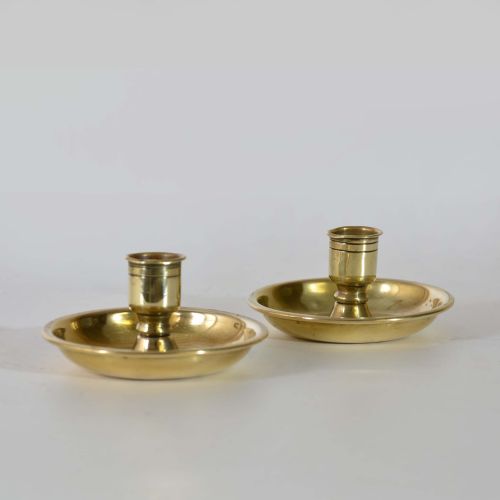
These antique campaign lighting pieces are portable, collapsible designs built for travel, offering officers and travellers reliable illumination in the field.
Antique Campaign Lighting
Antique campaign lighting encompasses portable illumination devices designed for travel and military use during the nineteenth and early twentieth centuries. When searching for antique campaign lighting, buyers encounter ingenious folding and cased configurations made to withstand arduous journeys.
The selection centres on brass and silver-plated examples, including travelling candlesticks and cased pairs. These items reflect the practical demands of officers on the move who required dependable light sources that packed securely into baggage.
Victorian and Edwardian iterations dominate the selection, showcasing the period's ingenuity in creating compact metal and wooden furnishings. Each piece demonstrates how form followed function to serve the transient lifestyles of military personnel and explorers.
Materials and construction methods
Makers utilised durable metals such as cast brass and silver plate to construct sturdy bodies capable of enduring frequent transit. These materials provided both resilience against the elements and an appropriately smart appearance for officer use.
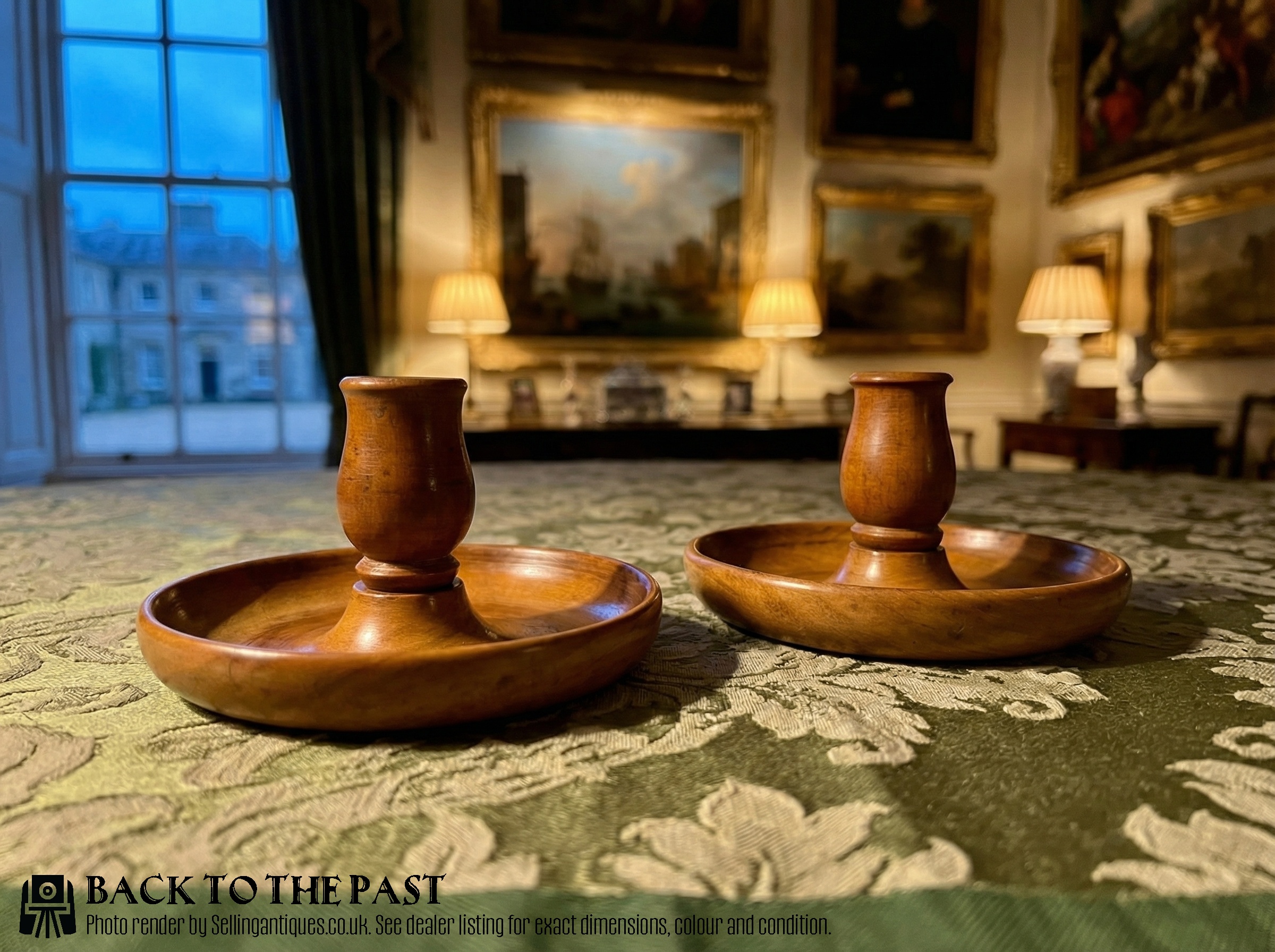
Wood species including olive wood complement the metalwork in fitted travel containers and turned components. Craftspeople engineered tight tolerances and screw-thread connections so that parts disassembled safely within compact protective casings.
Assessing quality in portable illumination
Superior examples display crisp casting, precise threading on joints, and original monograms or armorial engravings that indicate high-ranking provenance. Lesser pieces often exhibit worn plating, sloppy tolerances, or replacement components that compromise the structural integrity of the folding mechanism.
The refinement of the enclosing case dictates overall excellence, with superior models featuring snug, purpose-built compartments lined to protect delicate candle holders. The weight and gauge of the metal used in the construction further distinguish utilitarian pieces from those commissioned for wealthy officers.
Elkington
The Antique Campaign Lighting Glossary
- Brighton bun
- A pocket-sized, turned wooden or metal travelling candlestick resembling a bun shape that unscrews for transport. These clever items kept the candle stub and snuffer safely enclosed inside the base.
- Travelling candlesticks
- Portable lighting devices designed to pack down compactly into custom cases for journeys. They allowed officers to maintain civilised standards of illumination while on active service.
- Silver plate
- A thin layer of silver fused to a base metal, commonly utilised on nineteenth-century campaign items to provide the lustre of solid silver at a lighter weight. This finish required careful maintenance during active military deployment.
Antique Campaign Lighting: Frequently Asked Questions
What is antique campaign lighting?
Antique campaign lighting comprises portable, folding, or cased lamps and candlesticks created for officers and travellers during the nineteenth and early twentieth centuries. These objects were engineered for easy packing and durability on the move.
They combine practical utility with ingenious mechanical design, allowing users to disassemble and protect fragile components inside robust travel containers or fitted chests.
How were travelling candlesticks used?
Travelling candlesticks provided reliable illumination inside tents, temporary quarters, and field accommodations where fixed lighting was unavailable. Users unscrewed the components and assembled them on folding tables.
When morning arrived, the cooled candles and holders were packed back into their protective turned wooden or metal cases to endure another day of rough transport.
What materials are common?
Common materials include cast brass, silver plate, and dense hardwoods such as olive wood. These substances were chosen for their strength and resistance to heavy handling.
Metal components offered fire safety and durability, while wooden outer shells and cases protected the polished surfaces from scratches during transit.
How do I date these pieces?
Dating relies on stylistic clues, manufacturing techniques, and occasional maker marks or engraved monograms associated with military regiments. Victorian and Edwardian examples show distinct progression in metal-turning precision.
Comparing the complexity of the folding mechanisms and the type of plating helps place a piece within the nineteenth or early twentieth century.