



Silver Plated Bedside Candlestick
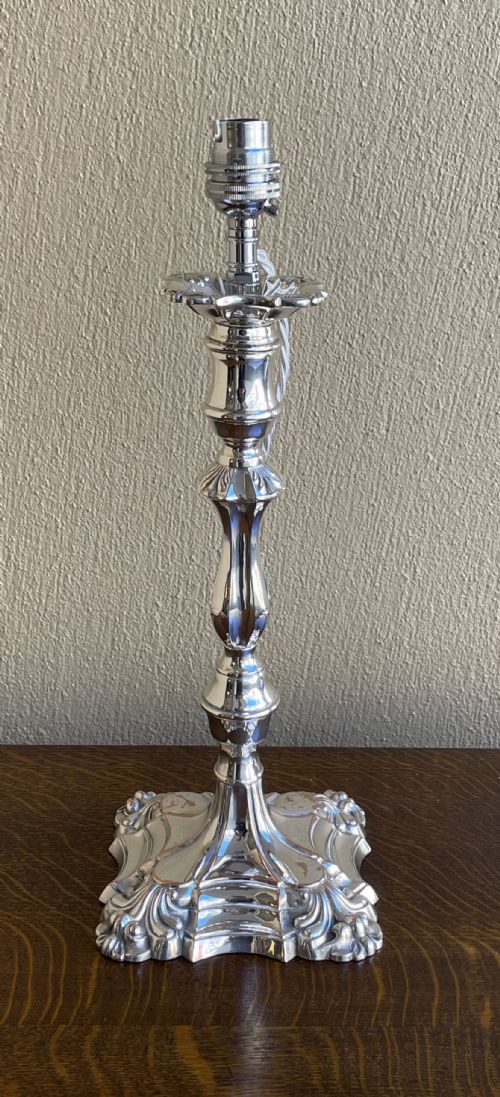
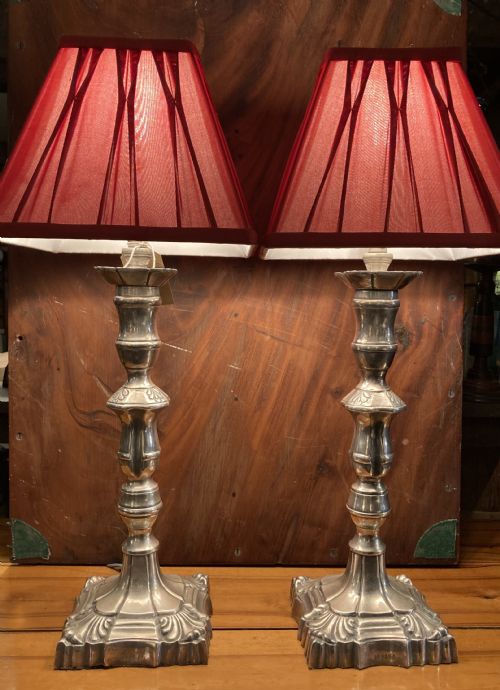
These silver plated bedside candlesticks and table lamps bring gleaming period metalwork into domestic rooms, offering compact lighting with genuine antique character.
Silver Plated Bedside Candlestick
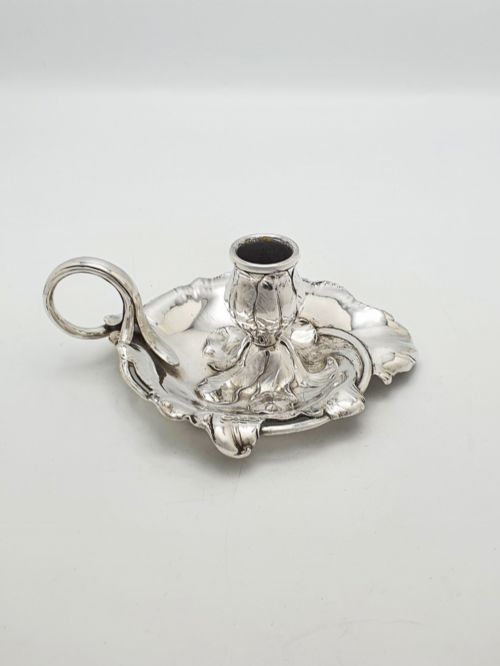
When you search for a silver plated bedside candlestick, you encounter a variety of functional lighting pieces and chambersticks spanning the nineteenth and twentieth centuries. The selection ranges from compact chambersticks designed for carrying through dark hallways to small table lamps intended for intimate spaces.
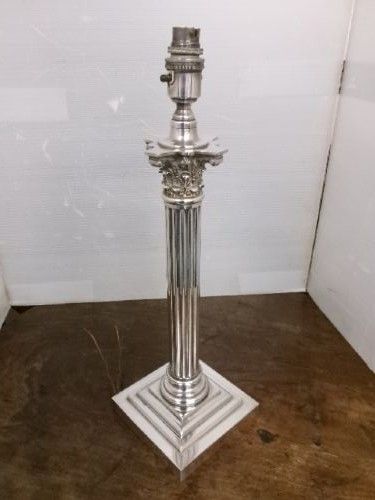
Victorian and Edwardian examples dominate the offerings, often displaying classical architectural forms like Corinthian columns alongside distinctive Art Nouveau leaf motifs. These pieces reflect historical domestic habits, providing low-level illumination before the widespread adoption of electric lighting.
Makers utilised durable base metals coated with silver plating, resulting in objects that combined the luxurious appearance of solid silver with practical utility. Chambersticks frequently retain their original form, while larger variants adapted over time to accommodate electrical fittings.
Assessing quality and craftsmanship
Quality rests in the crispness of cast ornamentation and the structural integrity of the metal base beneath the silver coating. Pieces featuring detailed chasing, substantial weight, and well-preserved plating demonstrate superior workshop execution.
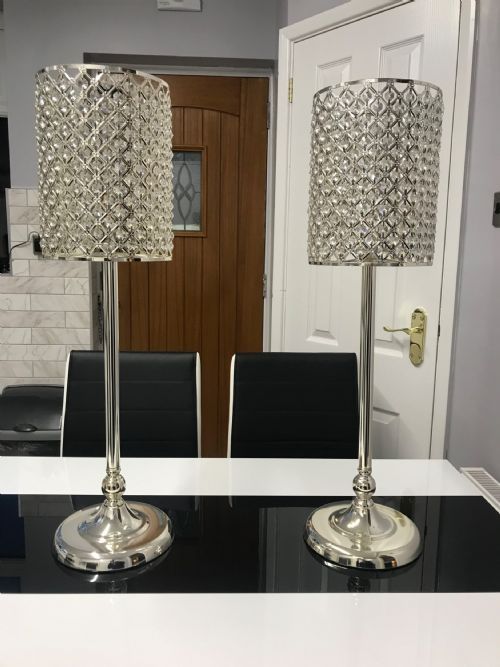
Maker marks and stamped locations such as Sheffield indicate traceable manufacturing standards, distinguishing mass-produced items from superior workshop output. The retention of original elements, from removable snuffers to matching crystal drops, elevates the overall integrity of the piece.
Lion's paw feet occasionally anchor Victorian columns, letting fierce beasts quietly support your midnight candle.
WMF·Harrison Brothers and Howson·Palmer and Co
The Silver Plated Bedside Candlestick Glossary
- Chamberstick
- A low-profile candlestick fitted with a wide drip pan and a loop handle, originally designed for carrying from room to room. These items often include a small socket for a conical extinguisher.
- EPNS
- Electroplated Nickel Silver, a common base material introduced in the nineteenth century that allowed manufacturers to apply a thin coating of pure silver via an electrical bath. This process democratised the ownership of bright metalware.
- Old Sheffield Plated
- An early fusion technique where a sheet of silver was fused to a thicker copper ingot before rolling into plates. This method creates a characteristic warm tone where the underlying copper occasionally telegraphs through the worn highlights.
- Corinthian Column
- An architectural revival style featuring a capital decorated with acanthus leaves, frequently adopted for Victorian and Edwardian table lamps and candlesticks. The classical proportions add formal dignity to domestic interiors.
- Sheffield
- A major English manufacturing hub known for metalworking and silver plating industries. Pieces bearing stamps from this city connect directly to established British production traditions.
Silver Plated Bedside Candlestick: Frequently Asked Questions
What is a silver plated chamberstick?
A chamberstick is a specialised portable candlestick featuring a broad circular drip pan and a loop handle for secure carrying.
Victorian households relied on these items to light bedrooms and corridors before electric lighting became standard in domestic spaces.
How do I clean silver plate?
Maintenance requires gentle washing with warm soapy water and a soft cloth to preserve the thin metallic layer.
Avoid harsh abrasive polishes that can wear away the silver plating and expose the underlying brass or copper base metal.
Are these lamps electrified?
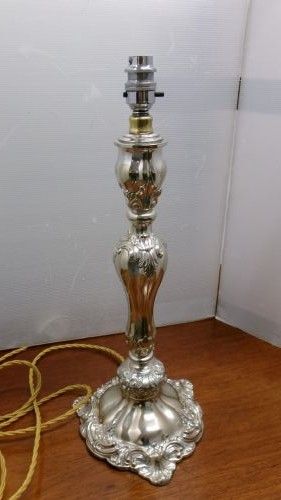
The inventory includes both original candle-burning chambersticks and table lamps adapted for modern electrical use.
Many nineteenth-century forms have been professionally converted to serve as bedside lighting while retaining their historic metal bases.
How do I date an antique candlestick?
Dating relies on stylistic clues, manufacturing techniques, and any maker stamps found on the metal base.
Victorian and Edwardian examples often display distinct architectural motifs or plating methods that point to specific decades of production.