


Victorian Sheep Artwork
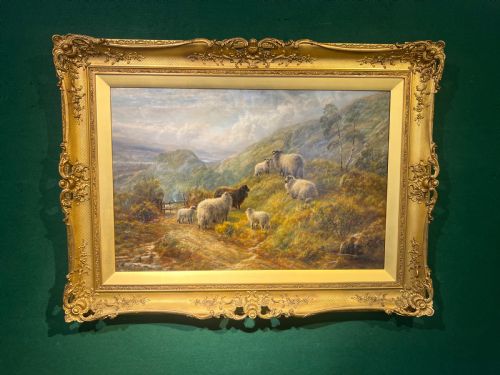
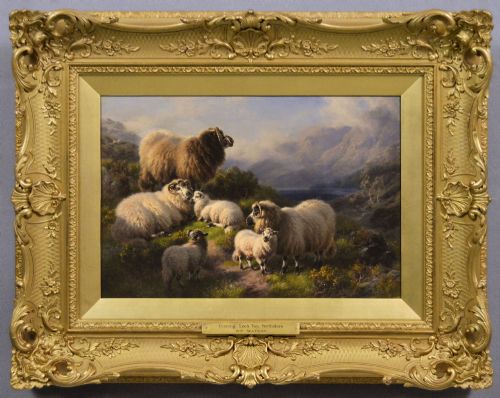
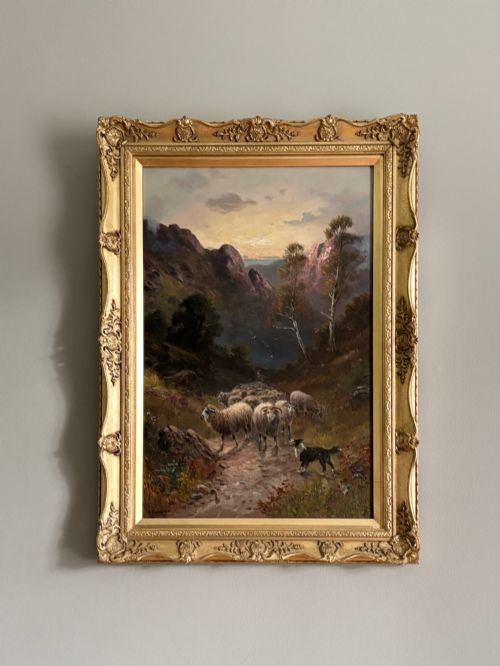
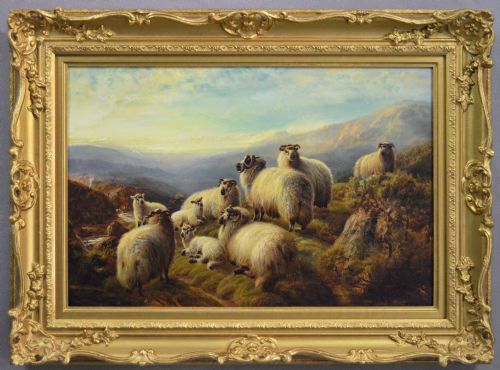
Victorian sheep artwork captures pastoral life through oil paintings and watercolours depicting flocks across rural landscapes.
Victorian Sheep Artwork
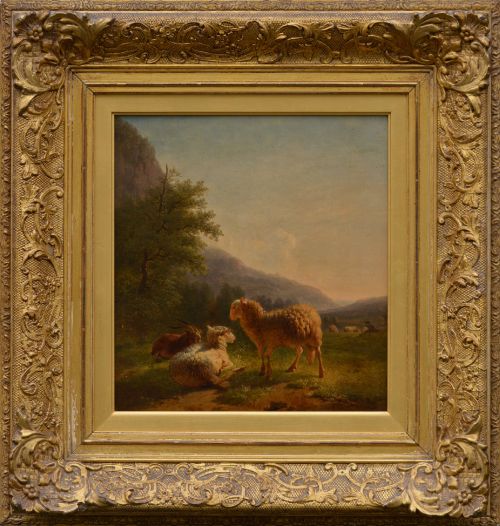
Victorian sheep artwork represents pastoral scenes created during the nineteenth and early twentieth centuries, capturing rural British and European countryside life. Buyers encounter oil paintings on canvas and delicate watercolours on paper, often framed in giltwood or gesso mouldings.
The works span styles such as Victorian pastoral, realism, romanticism, and naturalism. Common compositions feature shepherds with flocks, Highland landscapes, and pastoral settings by named artists and followers of established schools.
Materials and Techniques
Artists utilised oil on canvas and watercolour on paper as primary mediums, capturing rural light and texture. Canvases are stretched over wood supports and frequently housed in ornate giltwood and gesso frames under glass where appropriate.
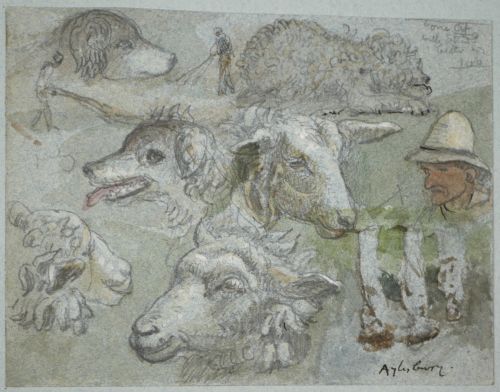
Techniques range from detailed realism in oil paintings to fluid washes in watercolours. Brushwork handles animal forms and landscape backgrounds within English and Scottish pastoral traditions.
Subject matter ranges from quiet English pastoral fields to snowy Scottish Highland landscapes with livestock.
Evaluating Quality
Quality rests in the handling of anatomical detail in the animals and the atmospheric depth of the landscape. Stronger examples display accomplished draftsmanship in the depiction of fleece, light, and terrain.
Attribution to recognised painters or documented followers elevates specific pieces above anonymous rural scenes. Original framing in period giltwood also contributes to the integrity of the surviving artwork.
Eugène Verboeckhoven·James Smetham·EJ Letheren·Frederick Walker·Robert Watson·William Watson Jnr·Douglas Cameron·Cornelius Pearson·William Henry Mander·Thomas Sidney Cooper·Franz van Severdonck·William Sydney Cooper·Robert John Hammond·Walter J Watson·Bernard Walter Evans·Henry Charles Fox·Basil Bradley·Charles Jones·George Turner·A Winter Shaw·GW Horlor·Frederick Richard Lee·Henry Birtles·George Faulkner Wetherbee·William Greaves
The Victorian Sheep Artwork Glossary
- Oil on Canvas
- Pigment bound in drying oil applied to a woven fabric support. This medium allows for rich colour blending and textured brushwork.
- Watercolour
- A paint consisting of water-soluble pigments applied to paper. It produces translucent washes and delicate tonal shifts.
- Giltwood
- Wood carved and coated with gold leaf or gold paint. It frequently forms the decorative surface of nineteenth-century picture frames.
- Gesso
- A paint mixture consisting of a binder mixed with chalk or plaster. It creates a smooth surface for gilding on picture frames.
- Pastoral
- A genre of art depicting rural life, shepherds, and domesticated animals in idealized landscapes. This theme dominates nineteenth-century rural painting.
Victorian Sheep Artwork: Frequently Asked Questions
What subjects appear in Victorian sheep artwork?
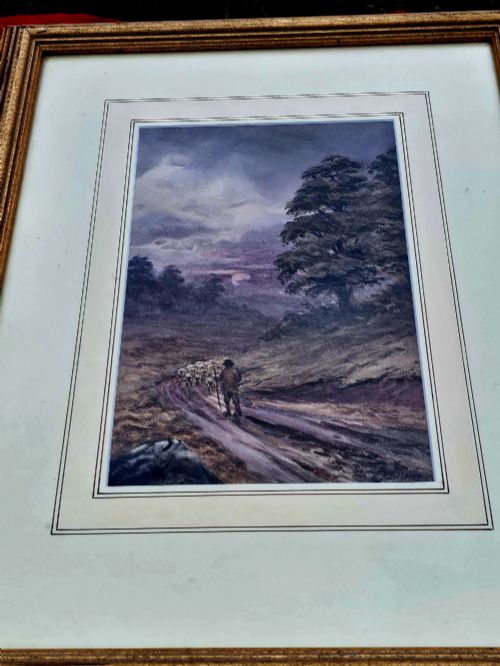
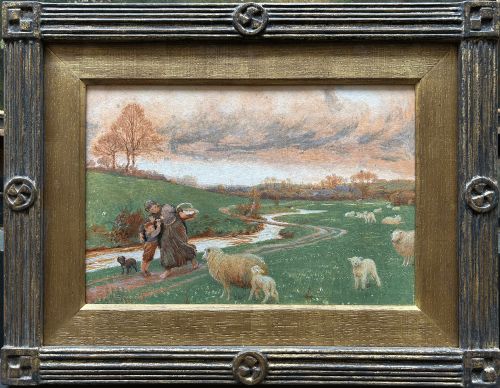
These works depict flocks grazing in pastures, resting on hillsides, or being driven along country lanes by shepherds. Landscapes often feature rural settings in England, Wales, and the Scottish Highlands.
Animals appear alongside cattle, horses, and sheep dogs in various weather conditions, from winter snow to evening light.
How do I care for nineteenth-century watercolours?
Watercolours on paper require protection from direct sunlight to prevent fading of pigments. Glazing with glass shields the delicate paper surface from atmospheric moisture and dust.
Display pieces away from heat sources and damp walls to preserve the integrity of both the paper and the original frame.
What distinguishes oil paintings from watercolours?
Oil paintings utilise pigment suspended in drying oil on a canvas support, offering heavier texture and deep colour saturation. Watercolours employ water-soluble pigments on paper for translucent effects.
Oils are typically stretched over wooden frames, whereas watercolours require mounting under glass to protect the paper.
How are periods identified in these paintings?
Dating relies on recorded artist lifespans, stylistic indicators of realism and naturalism, and framing materials such as gesso and giltwood. Signatures and exhibition titles provide further documentary evidence.
Nineteenth-century works often reflect romantic or pastoral ideals popular during the Victorian era.