






Victorian Sewing Collectibles
Victorian sewing collectibles are small, functional objects designed for needlework that survive as charming domestic ornaments.
Victorian Sewing Collectibles
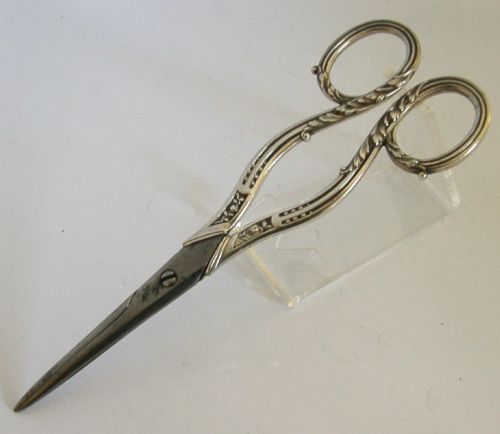
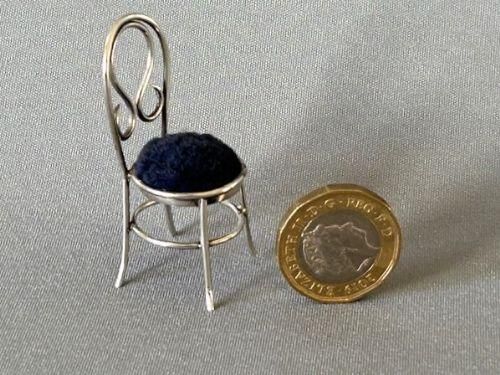
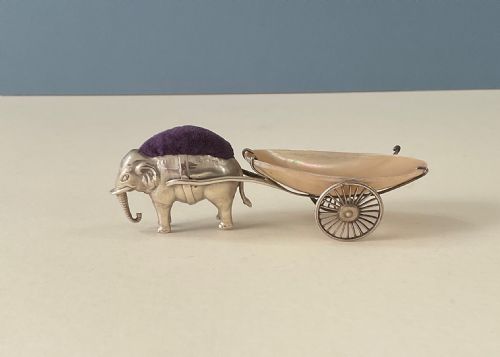
The objects take both utilitarian and highly imaginative novelty forms, reflecting the Victorian taste for whimsy in everyday items. Pin cushions shaped as animals, vehicles, and household objects dominate the selection alongside fitted cases and chatelaine holders.
What varies in quality
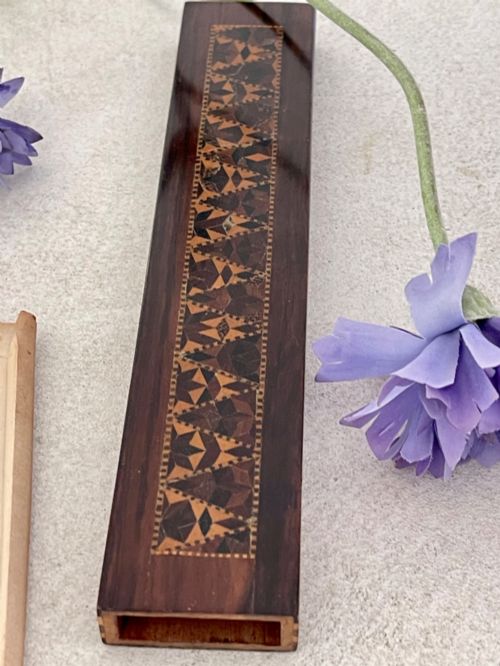
Quality depends upon the crispness of detail in cast novelty silver and the precision of inlaid woodwork such as Tunbridge ware. Pieces featuring named makers or specific hallmarks demonstrate superior documented provenance compared to unmarked work.
The preservation of original velvet on pin cushions and the intact survival of fitted leather or ormolu cases distinguish finer examples. The ingenuity of the novelty form, from animals to miniature vehicles, also dictates desirability among collectors.
Needleworkers once pinned their hopes to solid silver pigs, frogs, and railway lamps.
Walter and George Myers·Charles Horner
The Victorian Sewing Collectibles Glossary
- Chatelaine
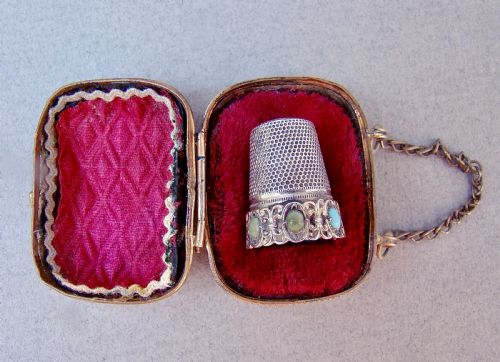
- A decorative belt hook worn with suspended chains carrying small household tools such as thimble cases and scissors. Victorian ladies used them to keep essential sewing implements close at hand.
- Tunbridge ware
- Woodworking characterised by small mosaic patterns made from many tiny pieces of naturally coloured wood. This technique adorned small boxes and silk skein holders.
- Corozo nut
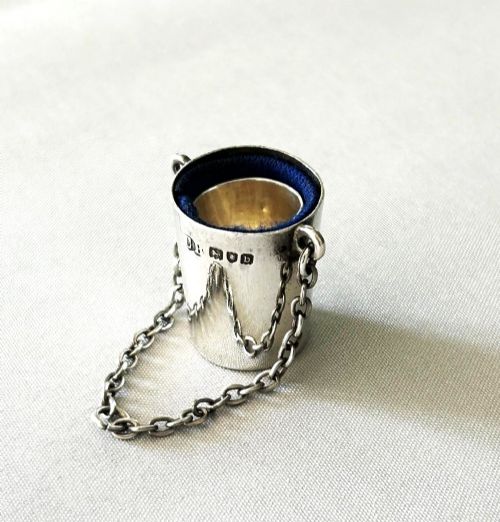
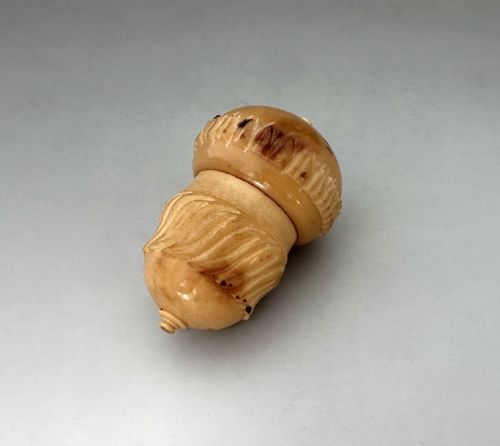
- The dense seed of the ivory palm, often carved into small protective cases for thimbles. It provided a durable alternative to metal and ivory during the nineteenth century.
- Ormolu
- A gilded bronze or brass mount used for decorative chatelaine holders and egg-shaped thimble cases. It added a bright golden finish to functional items.
- Pin cushion
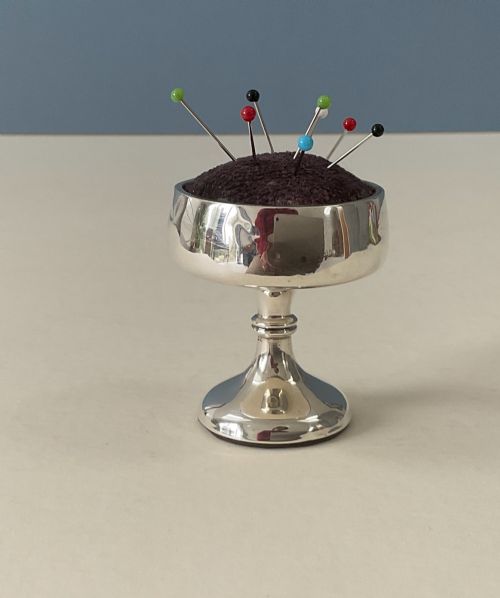
- A stuffed pad designed to hold pins safely during sewing, frequently manufactured in novelty shapes like animals, furniture, and boots during the Edwardian period.
Victorian Sewing Collectibles: Frequently Asked Questions
What are victorian sewing collectibles?
These pieces comprise small, decorative tools and accessories used for nineteenth-century needlework, including pin cushions, thimbles, and scissors. They combine practical utility with intricate craftsmanship in silver, velvet, and wood.
Many examples take whimsical novelty forms shaped as animals or household objects, reflecting period tastes.
How were silver pin cushions used?
Silver pin cushions served as decorative desktop or sewing table accessories for holding needles and pins safely at hand during embroidery or garment repair. Their detailed forms made them attractive display items in domestic parlours.
Wealthier households often matched them with fitted chatelaine sets worn around the waist.
How do I identify a Victorian piece?
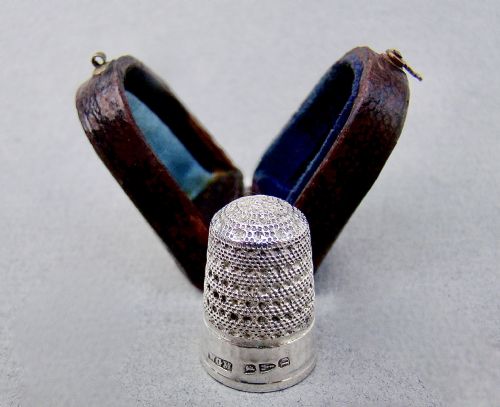
Dating relies on hallmarks stamped on silver components, makers' marks, and specific material combinations characteristic of the nineteenth century. Stylistic indicators like Edwardian novelty animal shapes or Victorian classical scenes also help establish age.
Examining the underlying construction materials, such as corozo nut or Tunbridge inlay, provides further clues.
How do I care for fabric and velvet?
Textiles and velvet pin cushions require protection from direct sunlight and excessive humidity to prevent fibre degradation and fading. Gentle dusting with a soft brush preserves the delicate pile of the fabric.
Avoid moisture entirely when cleaning silver mounts attached to fabric sections to prevent staining.