

Victorian Settee Couch
A victorian settee couch offers deep proportions and rich upholstery, bringing nineteenth-century comfort and craft to a modern interior.
Victorian Settee Couch
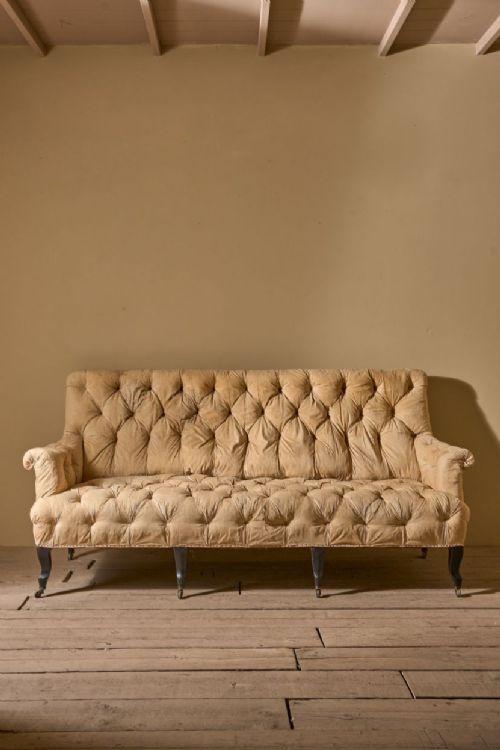
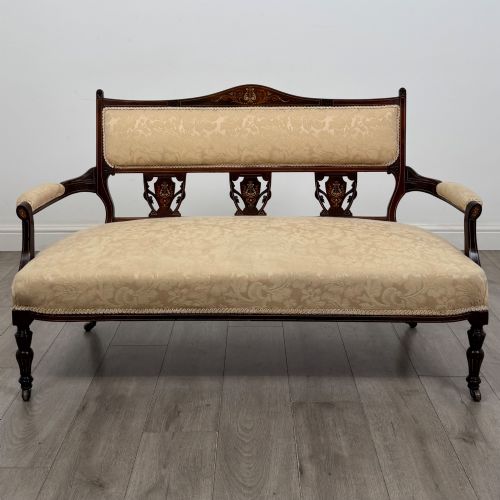
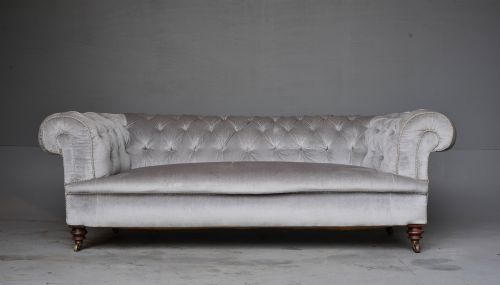
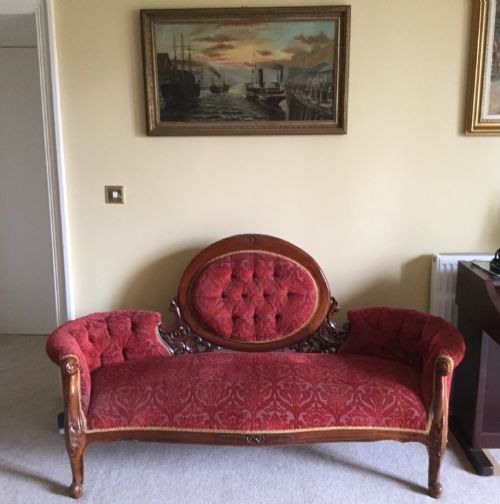
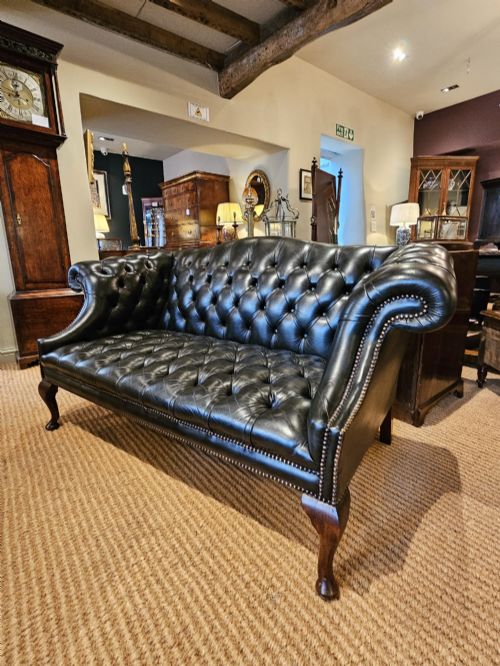
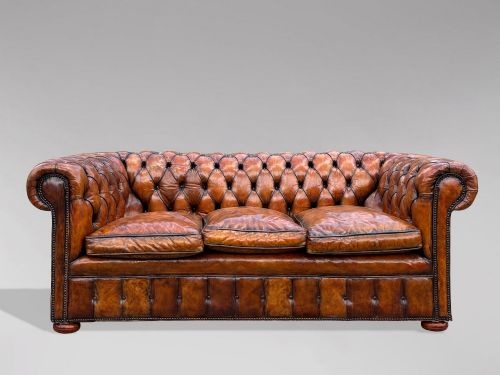
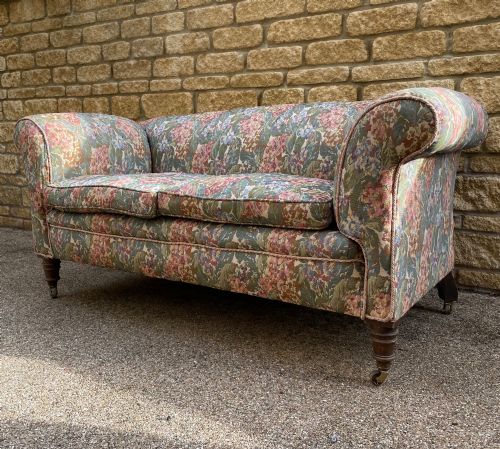
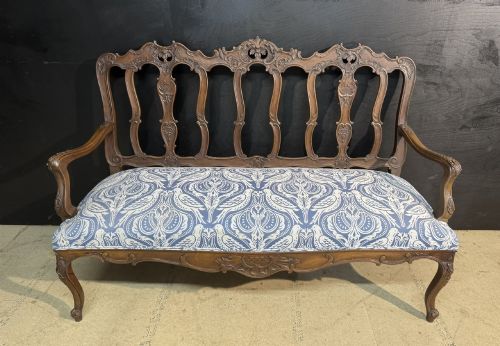
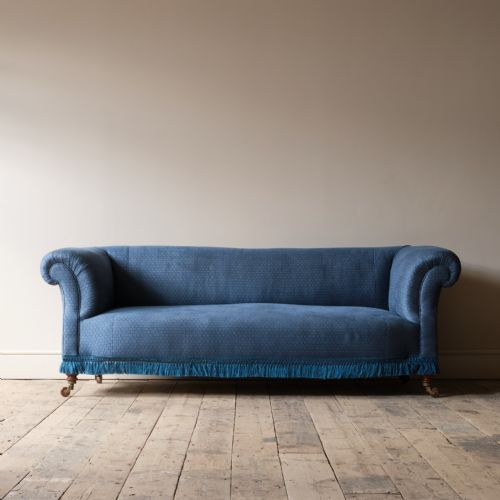
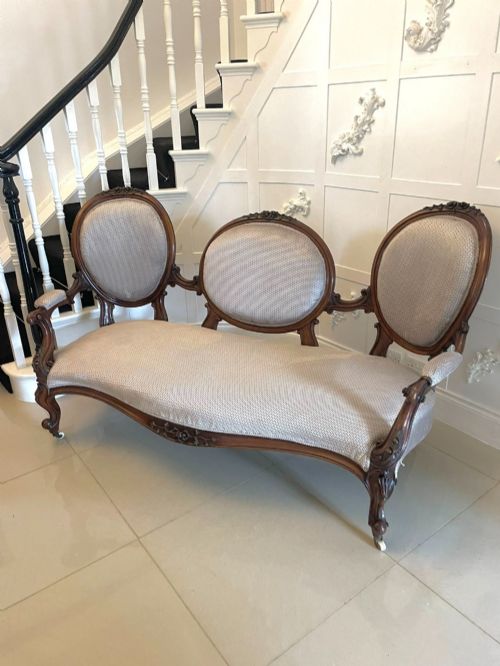
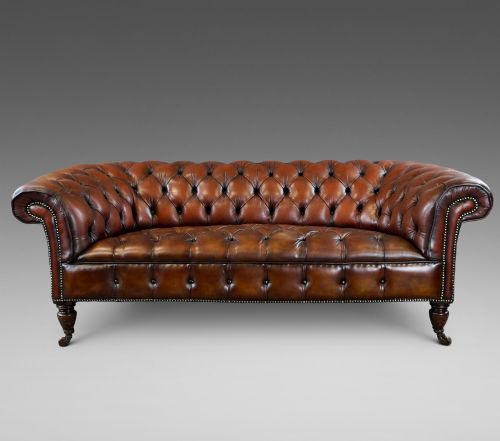
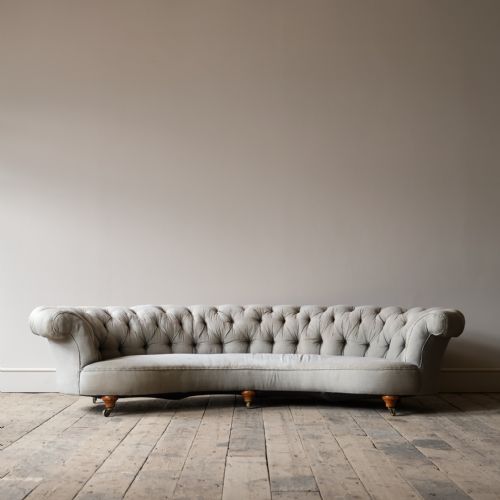
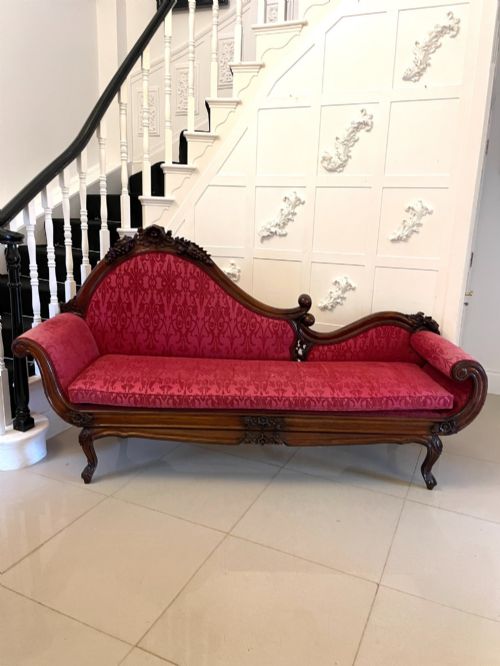
A victorian settee couch spans diverse nineteenth-century seating forms, including buttoned Chesterfields, double-ended frames, carved mahogany and walnut frameworks, and asymmetric chaise longues. Buyers encounter everything from robust leather three-seaters to delicate inlaid rosewood salon suites reflecting aesthetic movement or rococo revival tastes.
Makers utilised resilient sprung bases alongside horsehair stuffing to shape upright parlor seating and reclining day beds alike. The listings demonstrate how these dual-purpose furnishings served formal entertaining rooms and private sitting spaces throughout the Victorian era and into the early twentieth century.
Proportions range from compact two-seater drop-arm couches to expansive three-seater Chesterfees with deep seats and heavy scroll ends. This variety allows collectors to select pieces suited to intimate alcoves or central placement within larger reception rooms.
Materials and construction
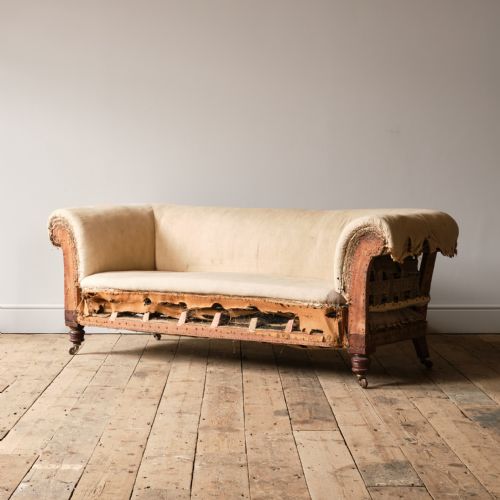
Frames rely upon dense hardwoods such as mahogany, walnut, and rosewood, often carved with elaborate scrollwork or inlaid with contrasting satinwood and brass details. These sturdy structures support complex internal springing systems overlaid with traditional stuffings like horsehair and hessian support webbing.
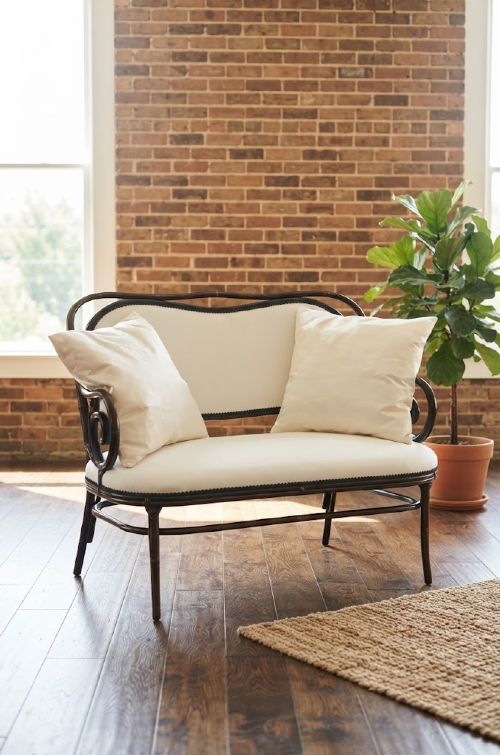
Upholstery choices encompass heavy-pile brocade, velvet, calico linen, and deep-buttoned brown or green leather fastened with traditional tacks. Bentwood techniques also appear via specialist makers, demonstrating alternative steam-bent structural forms within the broader aesthetic movement context.
Conch shell grotto sofas bring an unexpected marine whimsy to Victorian upholstery.
Craft and preservation
Quality rests in the integrity of the carved timber frame, the crispness of applied inlay, and the depth of hand-carved scrollwork or fluted detailing. Superior examples exhibit tightly jointed structural foundations that withstand decades of use without timber fatigue or loose joinery.
The standard of upholstery and the retention of original sprung bases or authentic leather patination define the upper tier of surviving pieces. Workshop provenance attributed to renowned makers further distinguishes exceptional examples from standard domestic production.
Howard and Sons·Hampton and Sons·Thonet·C. Hindley and Sons·Gillows of Lancaster
The Victorian Settee Couch Glossary
- Chesterfield
- A deep-tufted, buttoned sofa featuring arms and back of equal height. This form provides a formal yet cushioned seat popular throughout the nineteenth century.
- Chaise Longue
- An elongated upholstered chair designed for reclining, typically featuring a single raised headrest or asymmetric back. These pieces combine sofa comfort with day bed utility.
- Double-Ended Settee
- A couch featuring matching scrolled or raised ends at both sides, allowing the user to recline facing either direction. Walnut and mahogany frames frequently utilise this symmetrical plan.
- Drop Arm
- A movable or hinged arm mechanism on a sofa or settee that lowers to create an extended day bed surface. This adjustable design offers flexible utility within a single piece of furniture.
- Spoon-Back
- An upholstered chair or sofa back carved in a concave oval shape resembling the bowl of a spoon. This distinctive Victorian contour cradles the occupant's spine.
Victorian Settee Couch: Frequently Asked Questions
How do I clean leather?
Wipe leather surfaces gently with a damp cloth and apply a specialist leather conditioner to maintain suppleness.
Avoid harsh chemical cleaners that strip the historic patination accumulated over the nineteenth century.
Were these used in bedrooms?
Many smaller settees and chaise longues functioned as day beds in private dressing rooms and boudoirs.
Larger Chesterfields and salon suites remained designated for formal drawing rooms and reception spaces.
How do I identify a Victorian piece?
Examine the timber species, joinery methods, and upholstery configurations against documented period manufacturing standards.
Rosewood, walnut, and heavy mahogany frameworks combined with horsehair stuffing typically indicate nineteenth-century origin.
Can I reupholster an antique couch?
Upholstery replacement is a common practice that preserves the underlying timber frame for modern domestic use.
Traditional materials like hessian and sprung bases should be retained where possible to maintain structural integrity.