
Victorian Seating Furniture
These pieces of victorian seating furniture bring nineteenth-century craft into modern rooms, offering sturdy timbers and cast iron built for daily use.
Victorian Seating Furniture
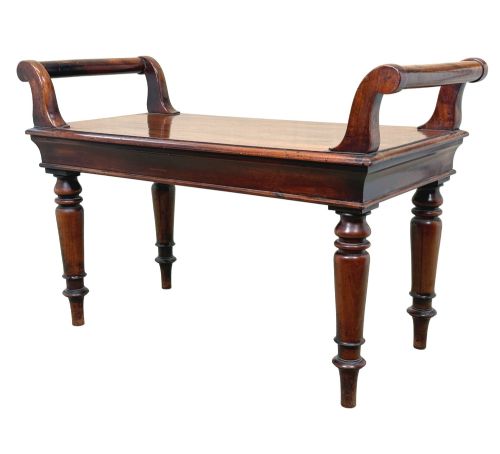
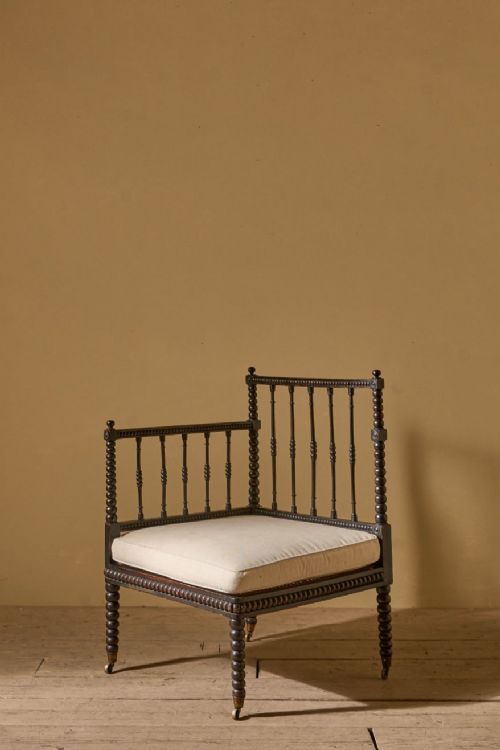
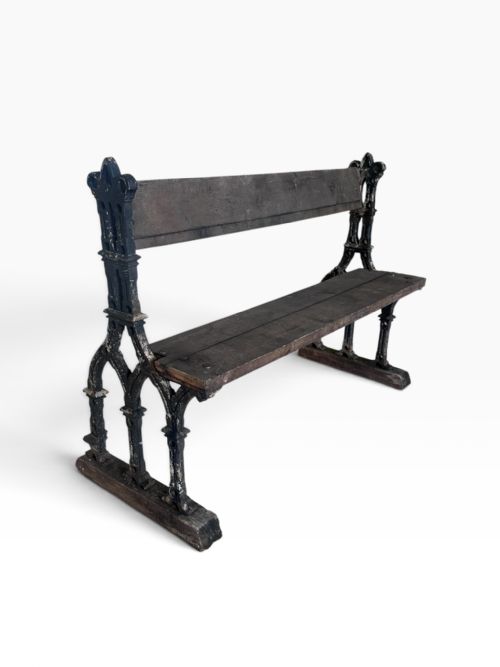
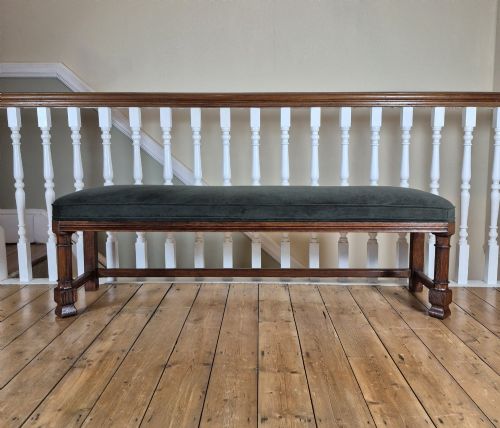
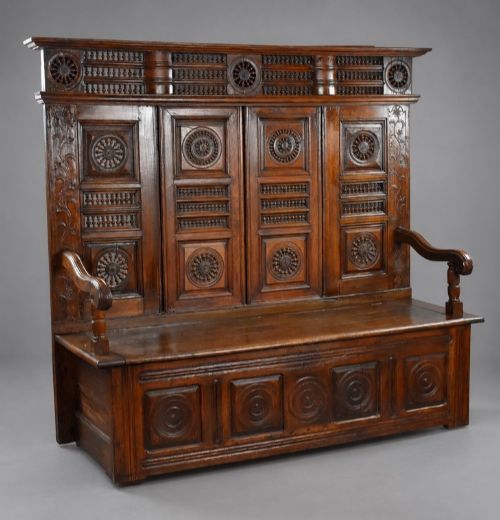
Victorian seating furniture covers a wide span of domestic forms, ranging from utilitarian hall benches and tavern stools to elaborate salon suites and garden seats. Buyers searching this phrase encounter substantial oak, walnut and mahogany pieces alongside robust cast iron garden furniture.
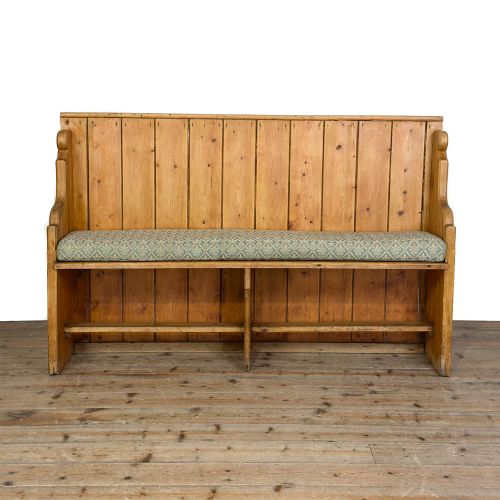
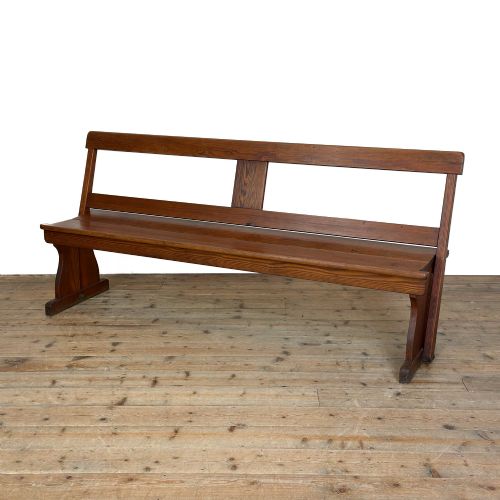
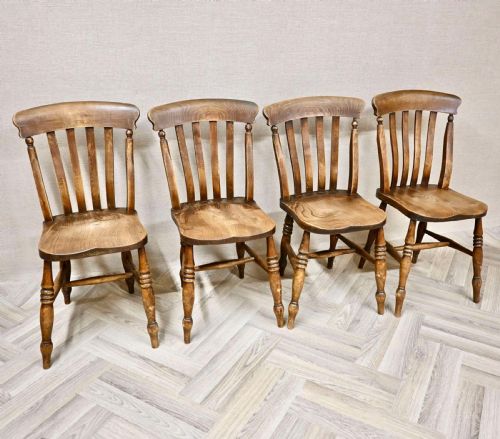
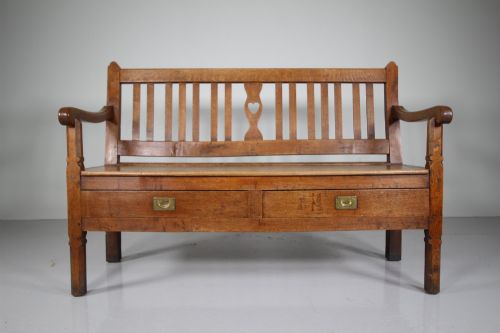
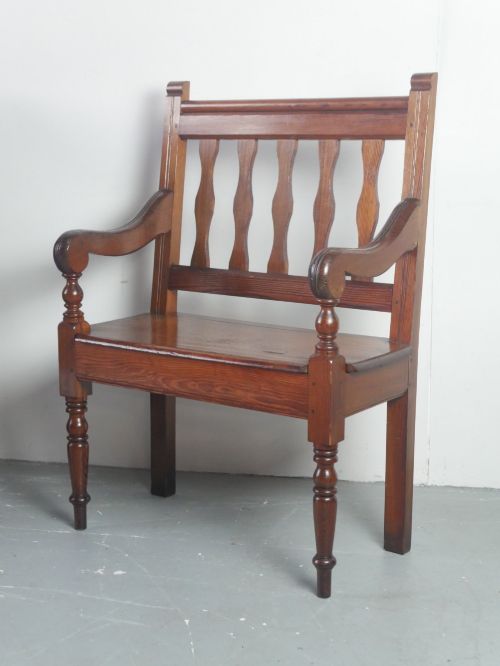
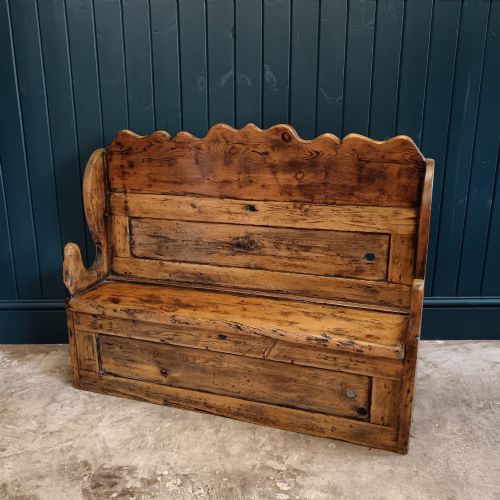
The selection leans heavily toward functional items designed for hallways, kitchens and gardens, including settles, windsor chairs and garden benches. Regional variations such as welsh oak benches and anglo-indian rosewood pieces appear alongside standard english domestic items.
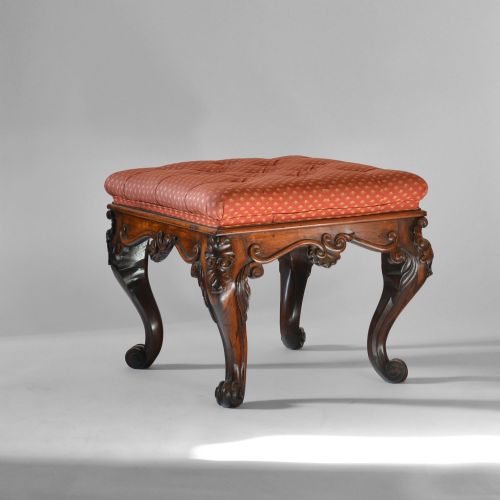
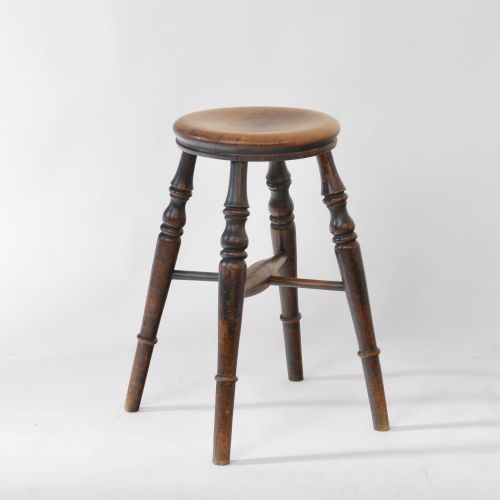
Stools and piano seats supplement the larger benches and armchairs, providing specialised seating solutions from the nineteenth century. These forms reflect the varied social spaces of the period, from private reception rooms to public taverns and leafy gardens.
Materials and construction
Makers utilised dense native timbers like oak, elm, walnut and pine for interior seating, often combining woods within a single piece such as beech and elm for tavern stools. Joinery techniques included panel construction, dovetailing and traditional turning.
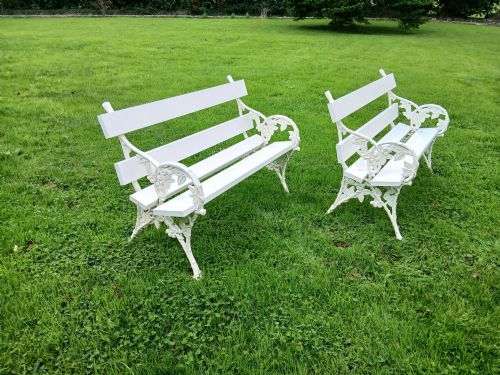
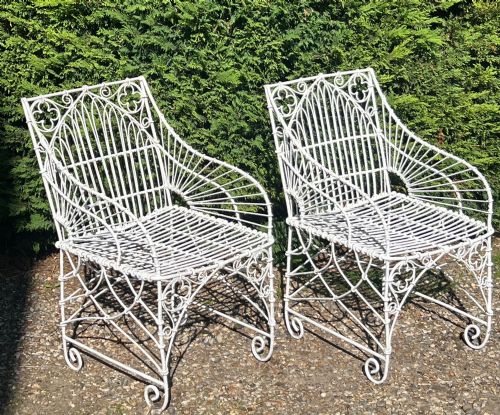
Exterior seating relied on heavy cast iron for frames, frequently decorated with botanical motifs like blackberry and leaf patterns, paired with wooden slats or all-metal construction. Upholstered indoor pieces incorporated materials such as velvet, needlework and brass framing.
Listings feature oak, walnut, mahogany, pine and cast iron across nineteenth-century domestic and garden forms.
Evaluating the pieces
Quality rests upon the crispness of carved details in wood or cast iron, where deep relief work and distinct foundry marks indicate superior production. Maker labels and stamps from workshops like gillows or carron foundry elevate specific examples.
Structural integrity and originality of materials dictate value, with unaltered timber patination and intact cast iron surfaces outperforming heavily restored or replaced elements. The harmony between decorative embellishment and functional purpose defines the better examples.
Falkirk Carron Foundry·W.A. Willcocks·Gillows·Christopher Dresser
The Victorian Seating Furniture Glossary
- Settle
- A wooden bench with a high back designed to block drafts, often incorporating a storage box beneath the seat.
- Hall bench
- A narrow seat placed in an entrance hall, sometimes combined with a stick stand or mirror frame.
- Windsor chair
- A wooden chair constructed with a solid contoured seat into which the legs and back spindles are driven.
- Aesthetic movement
- A late nineteenth-century design style emphasising visual and artistic qualities over traditional moral or narrative themes.
- Gothic revival
- An architectural and decorative style drawing inspiration from medieval forms, featuring pointed arches and heavy tracery.
Victorian Seating Furniture: Frequently Asked Questions
Where did hall benches go in homes?
Hall benches sat in entranceways and corridors to provide a place for visitors to sit while removing outer garments.
They frequently doubled as storage units for boots and umbrellas, keeping hallways tidy.
How do I care for cast iron garden seats?
Cast iron garden benches require regular checks for moisture exposure to prevent surface oxidation on exposed metal areas.
Applying appropriate protective coatings helps preserve the original foundry finishes through winter weather.
How do I identify Gothic revival seating?
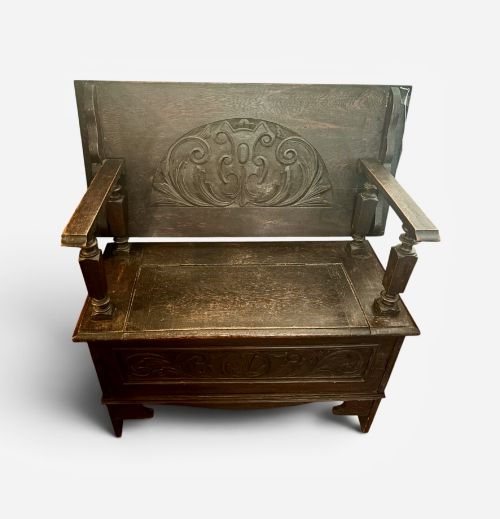
Gothic revival pieces display architectural motifs such as pointed arches, quatrefoils and heavy carved panelling.
Dark stained oak and walnut timbers frequently reinforce the medieval aesthetic of these designs.