

Victorian Sculpture
Victorian sculpture brings together bronze figures, marble busts and carved wood pieces that anchor a room with nineteenth-century character.
Victorian Sculpture
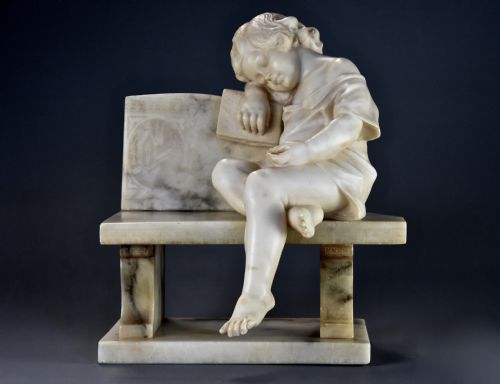
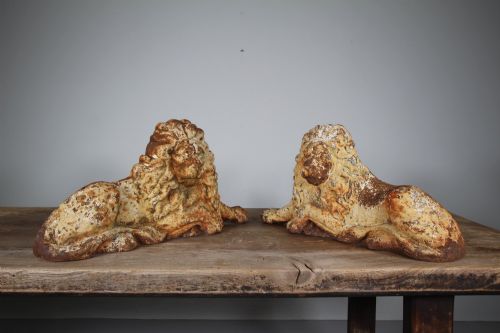
When you search for Victorian sculpture, you encounter a diverse range of objects spanning bronze figures, marble busts, carved wooden animals, and decorative inkwells. The selection reflects both domestic British craftsmanship and continental European traditions, notably French animalier works and Italian Grand Tour souvenirs.
You meet portrait busts of classical emperors alongside depictions of dogs, birds, and mythological figures. Functional pieces such as inkwells, doorstops, and plant stands appear frequently alongside purely ornamental statues and pedestals.
Many items date from the mid to late nineteenth century, capturing the period's fascination with classical revival, naturalism, and detailed casting techniques. These objects served as both scholarly pursuits and grand drawing-room ornaments.
Materials and Technique
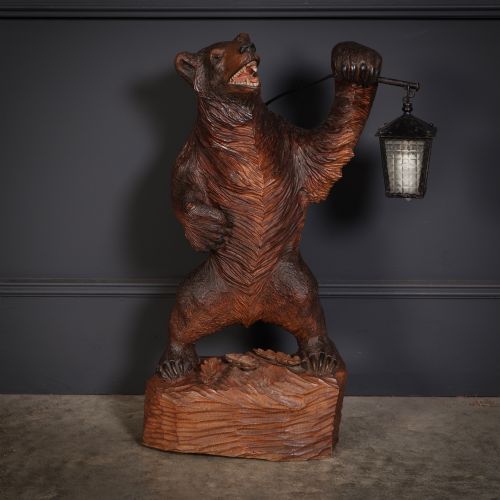
Makers utilised cast bronze, often finished with cold-painted details or rich patination, alongside carved hardwoods such as walnut and mahogany associated with the Black Forest tradition. Marble and alabaster provide the weight and smooth surface for portraiture and classical figures, while gilt bronze and ormolu add highlights.
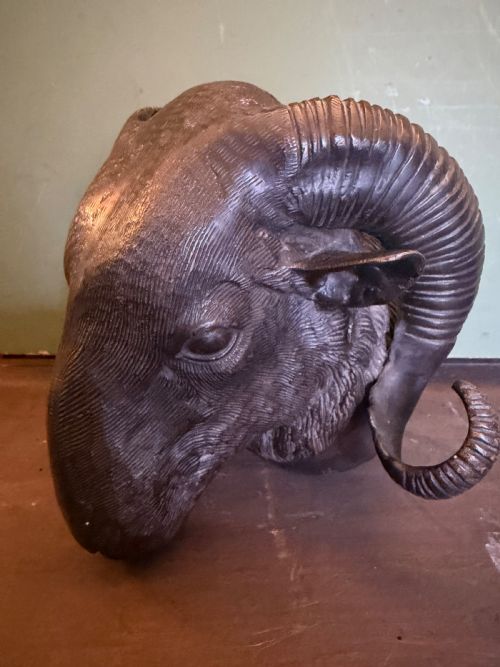
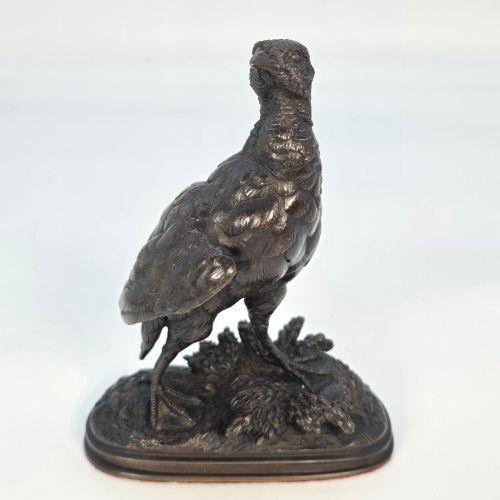
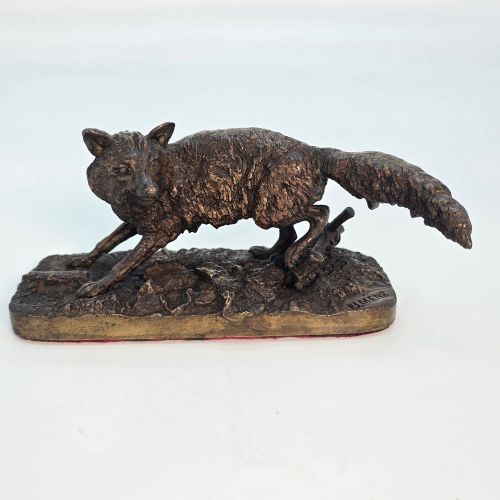
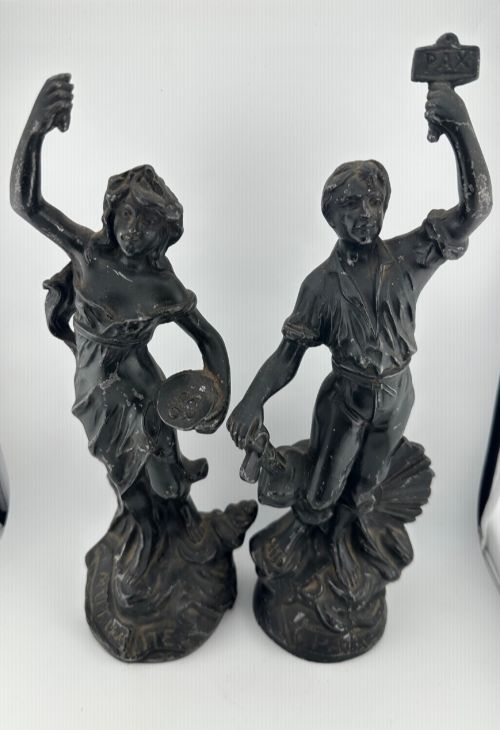
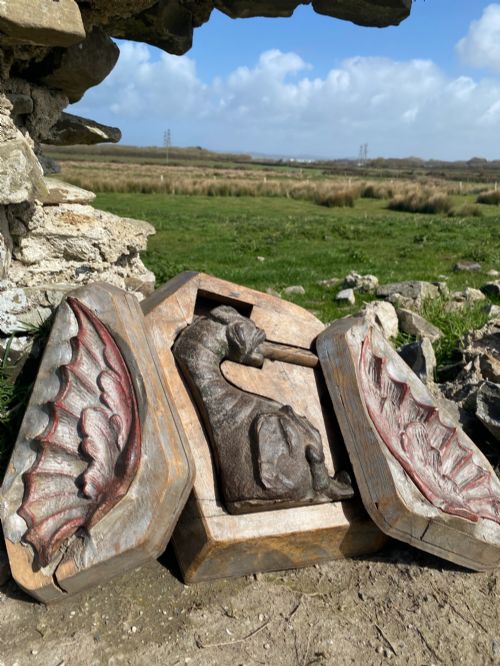
Foundries employed the lost-wax casting method for intricate bronze studies of animals and human figures, ensuring sharp detail in fur, feathers, and drapery. Wood carvers worked with deep relief and undercut techniques to create realistic textures in foliage, birds, and forest mammals.
Victorian Sculpture Retail Price Guide 2026
Typical asking prices for victorian sculpture among the pieces listed under this phrase on Sellingantiques today, from the lower quarter to the upper quarter. They describe what is for sale here now, not the wider market.
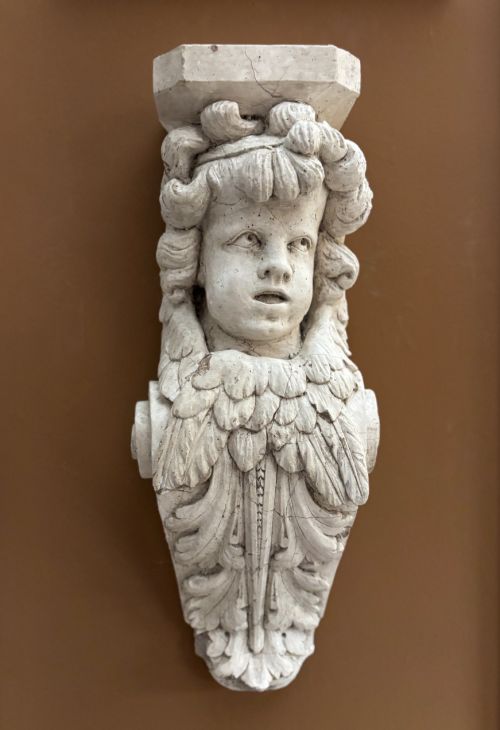
Listings feature nineteenth-century materials including carved wood, cast bronze, veined Carrara marble, and glazed ceramics.
Casting and Carving Standards
Barbedienne·P. J. Mène·Jules Moigniez·Luca Madrassi·Carl Kauba
The Victorian Sculpture Glossary
- Animalier
- A nineteenth-century artistic movement focusing on the realistic depiction of animals, particularly predators, horses, and dogs in motion.
- Grand Tour
- A cultural journey undertaken by wealthy young Europeans in the eighteenth and nineteenth centuries, bringing home small bronzes, paperweights, and marble carvings as souvenirs.
- Cold-painted bronze
- A technique where bronze figures are painted with naturalistic colours using cold paint rather than being fired in a kiln.
- Black Forest carving
- Intricate wooden sculpture produced in the Swiss and German border regions, celebrated for realistic bears, birds, and woodland furniture carved from walnut and lime.
- Parian ware
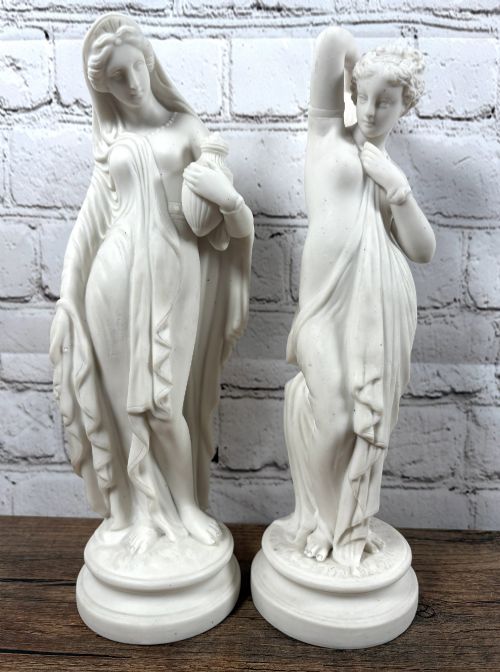
- A type of biscuity white porcelain resembling marble, widely used during the nineteenth century for portrait busts and classical figures.
Victorian Sculpture: Frequently Asked Questions
What subjects are common in Victorian sculpture?
You find classical figures, historical busts of Roman emperors, and mythological scenes alongside everyday animals such as greyhounds, stags, and parrots. Many of these subjects reflect the period's interest in antiquity and the natural world.
These varied themes allowed Victorian households to display both scholarly taste and a love for wildlife through decorative bronze, marble, and carved wood.
How do I identify a Grand Tour bronze?
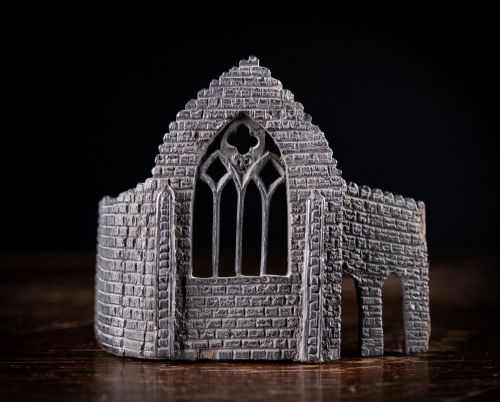
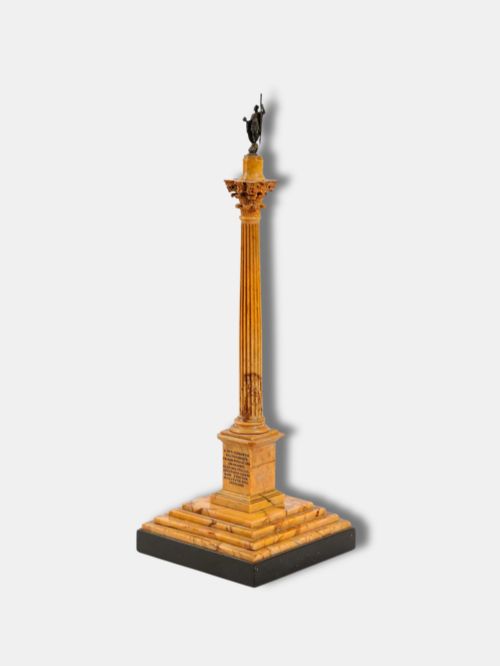
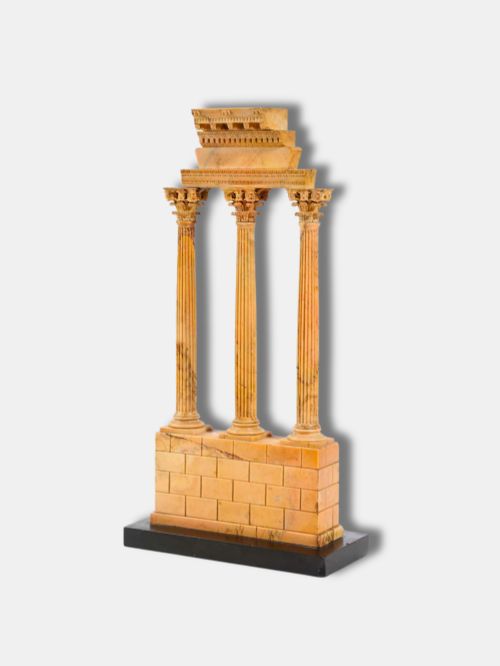
Grand Tour bronzes typically depict reduced-scale copies of famous classical statues or architectural monuments that travellers collected in Italy during the nineteenth century. They often have a warm, rubbed patina from handling and were designed as desk ornaments or paperweights.
These pieces served as tangible proof of a classical education and extensive travel through European cultural centres.
Where were Black Forest carvings made?
These wooden sculptures originated primarily in the mountainous Brienz region of Switzerland, as well as parts of Germany, during the nineteenth century. Local carvers specialised in walnut and lime wood to produce realistic animals, umbrella stands, and decorative figures.
The industry grew to supply tourists and international markets with intricately detailed studies of bears, deer, and alpine birds.
How should I clean bronze sculptures?
Dust bronze figures gently with a soft, dry brush to prevent the accumulation of dirt in recessed areas. Avoid harsh chemical cleaners or abrasive cloths that can strip the original patination.
Applying a light microcrystalline wax periodically helps protect the metal surface from atmospheric moisture and handling oils.