




Victorian Scientific Gauge
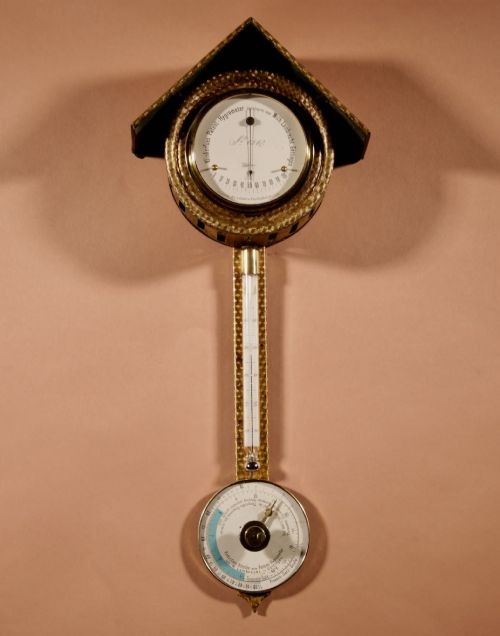
A victorian scientific gauge measures atmospheric pressure, wind speed, or humidity, offering precision engineering housed in handsome timber cases.
Victorian Scientific Gauge
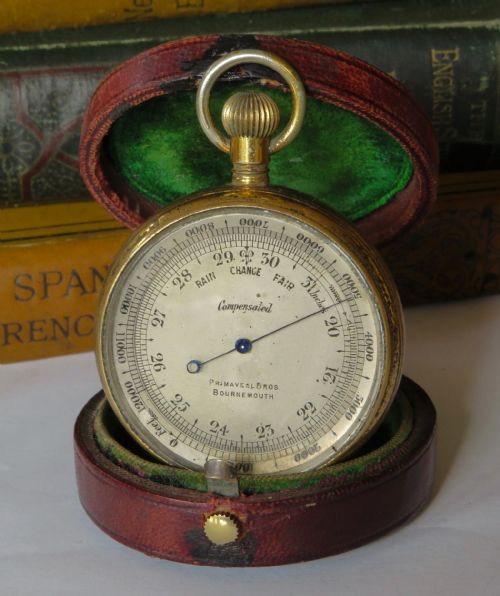
When searching for a victorian scientific gauge, buyers encounter instruments designed to measure physical phenomena such as barometric pressure, wind velocity, temperature, and humidity. These pieces originate predominantly from the nineteenth and early twentieth centuries, spanning the Victorian and Edwardian periods.
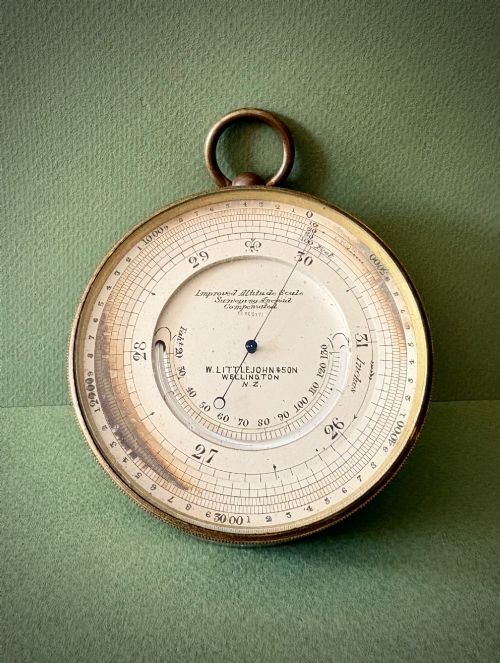
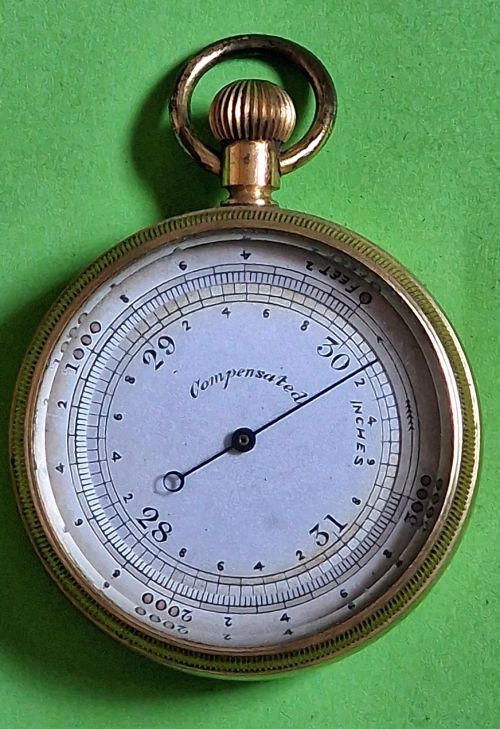
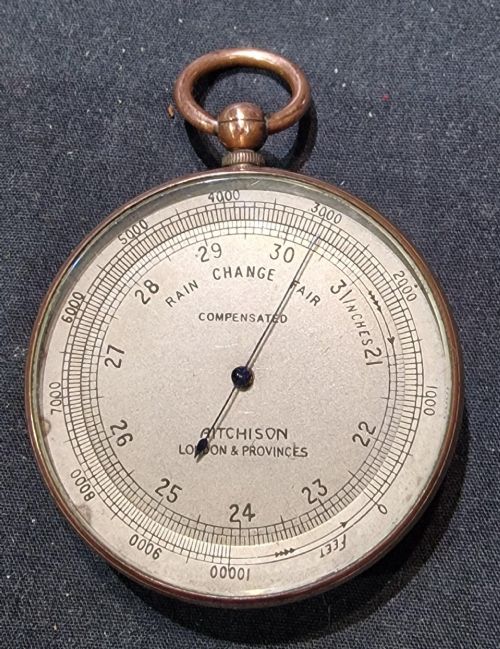
The selection on this page centres on portable pocket barometers, cased hygrometers, wall barometers, barographs, and specialised meteorological apparatus. Instruments range from simple domestic thermometers to complex recording barographs and nautical barometers.
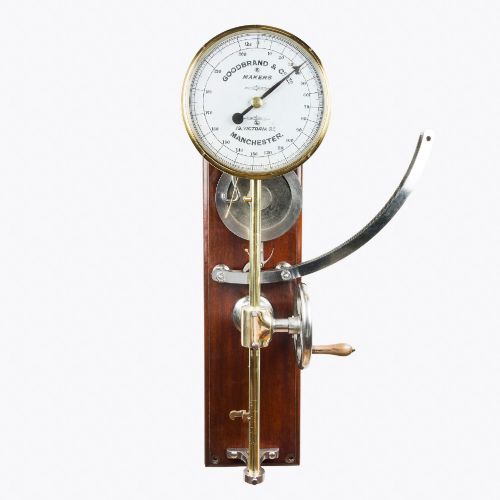
Makers represented include prominent scientific instrument makers from London and continental workshops, alongside specialised industrial testers. Many pieces retain their original fitted leather, velvet, or mahogany cases.
How They Were Made
Makers utilised polished brass and steel for delicate internal movements, dials, and bezels, ensuring durable and accurate mechanical function. Housings typically employ turned or polished hardwoods such as mahogany, rosewood, walnut, beech, and ebonised timber.
Portable instruments feature protective outer cases lined with velvet and finished in leather, safeguarding fragile glass elements and sensitive aneroid mechanisms. Dials are frequently silvered metal, porcelain, or engraved paper set beneath bevelled glass plates.
Listings feature instruments constructed from brass, steel, glass, mahogany, rosewood, walnut, and leather, spanning the Victorian and Edwardian eras.
What Varies in Quality
Quality rests in the precision of the mechanical movement, the crispness of the engraved markings on the dial, and the quality of the timber case construction. Pieces by notable London opticians and instrument makers exhibit finer finishing and superior material selection.
The survival of original fitted cases, recording charts, and accessory thermometers elevates the desirability of a piece. Finer gauges display robust construction with minimal wear to the delicate brass gearing and silvered dial faces.
Negretti & Zambra·Short & Mason London·Dollond of London·Patrick Adie of London·Wilh Lambrecht Gottingen
The Victorian Scientific Gauge Glossary
- Barograph
- A self-recording aneroid barometer that plots atmospheric pressure over time onto a rotating drum chart. These mechanisms are typically housed in glazed mahogany or walnut cases with drawer storage for spare charts.
- Aneroid Barometer
- An instrument that measures air pressure without liquid, using a flexible metal box that expands or contracts with pressure changes. The movement connects via levers to a visible indicator needle on a graduated dial.
- Hygrometer
- A device used to measure humidity in the air, often utilising human hair or wet and dry bulb thermometers. Saussure hair hygrometers are a notable nineteenth-century type found in fitted cases.
- Anemometer
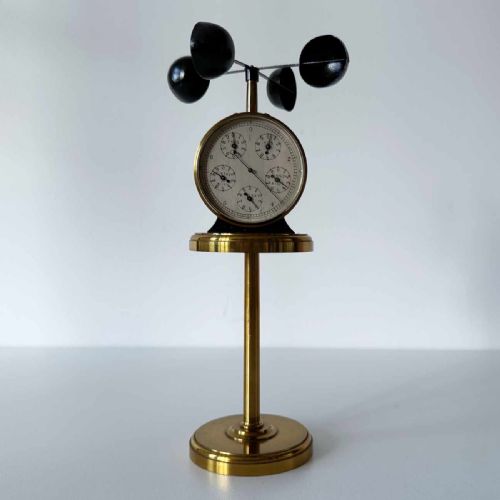
- An instrument for measuring wind speed, featuring rotating cups or vanes connected to dial indicators. These range from portable pocket examples to pedestal mounted recording apparatus.
- Clinometer
- An instrument used for measuring angles of slope or tilt, frequently utilised in surveying and navigation. These portable brass tools often feature precision spirit levels and graduated arcs.
Victorian Scientific Gauge: Frequently Asked Questions
What is a victorian scientific gauge used for?
These instruments were utilised to measure environmental and mechanical conditions, including atmospheric pressure, wind speed, temperature, and humidity. They served practical roles in navigation, meteorology, agriculture, and industry.
Domestic models monitored weather changes inside the home, while specialised recording barographs and anemometers provided precise data for scientific observation and maritime safety.
How do I care for a cased barometer?
Keep wooden cases out of direct sunlight and away from rapid temperature fluctuations to prevent timber cracking or movement in the delicate internal linkages. Dust glass faces gently with a soft dry cloth.
Avoid attempting internal mechanical repairs yourself, as the aneroid cells and hairsprings require specialist calibration by a qualified horologist or instrument restorer.
Are these instruments still accurate today?
Many aneroid barometers and thermometers remain functional and can be calibrated locally against known meteorological readings. However, older instruments are primarily valued for their engineering history and craftsmanship rather than daily forecasting.
Recording barographs require specialised paper charts and fresh ink if operated, though many owners simply display them as decorative historical objects.
How can I tell the age of an instrument?
Makers' signatures, patent dates, and address details engraved on the dial or movement provide the most reliable dating evidence. Stylistic cues in the timber case, such as Victorian rosewood inlays or Edwardian ebonised finishes, also indicate the period of manufacture.
Documentation inside fitted cases, such as original retail labels or calibration certificates, often records specific operational dates from the nineteenth century.