

Victorian Safe
When you search for a victorian safe, you find sturdy iron and steel engineering alongside heavy timber cabinets designed to secure valuables.
Victorian Safe
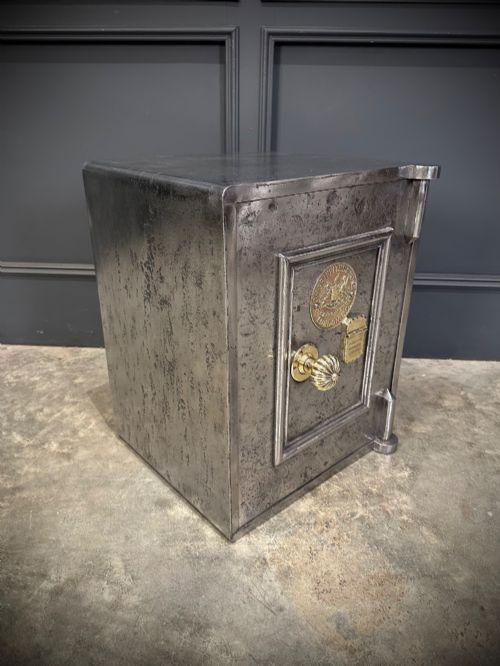
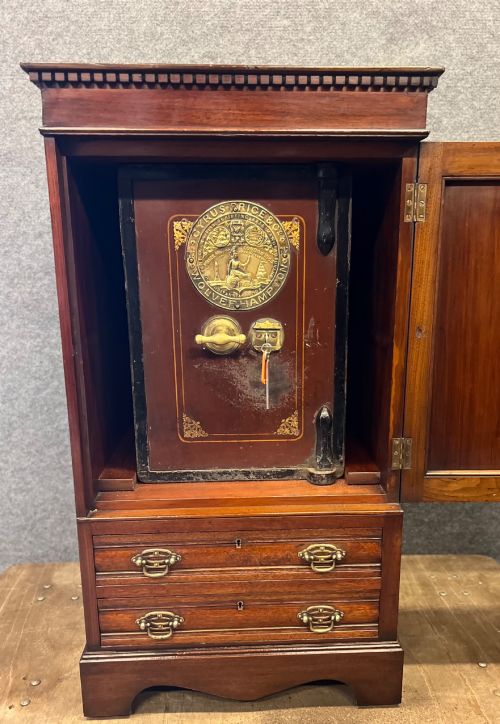
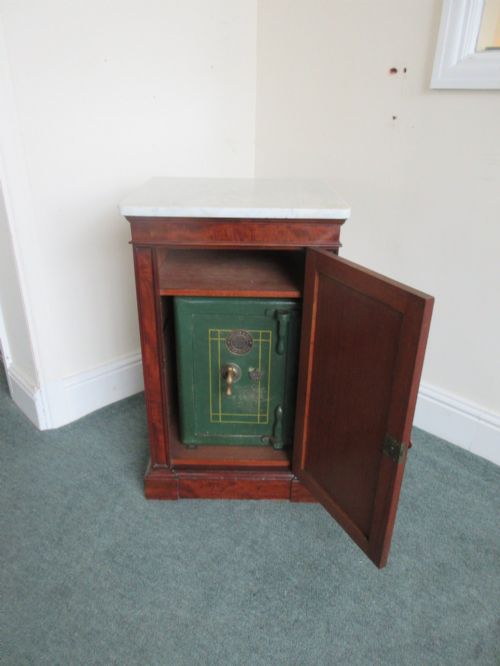
A victorian safe brings together heavy iron and steel security boxes, often mounted on timber stands or enclosed within mahogany cabinets, alongside robust oak and pine storage cupboards from the 19th century. Buyers seeking this phrase encounter strongboxes bearing manufacturer plaques from London and Glasgow, alongside kitchen and housekeepers storage units built for heavy domestic service.
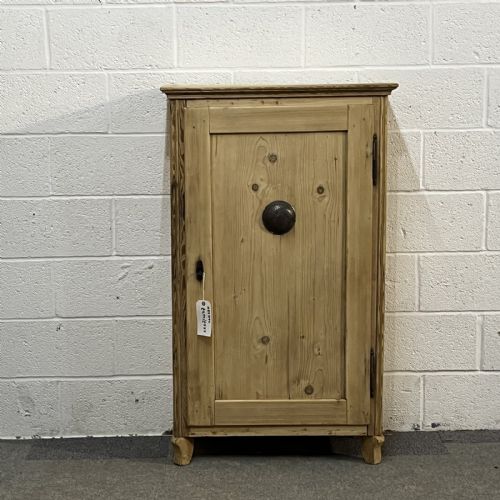
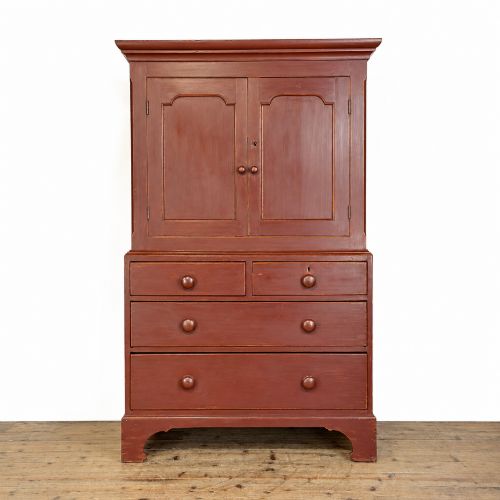
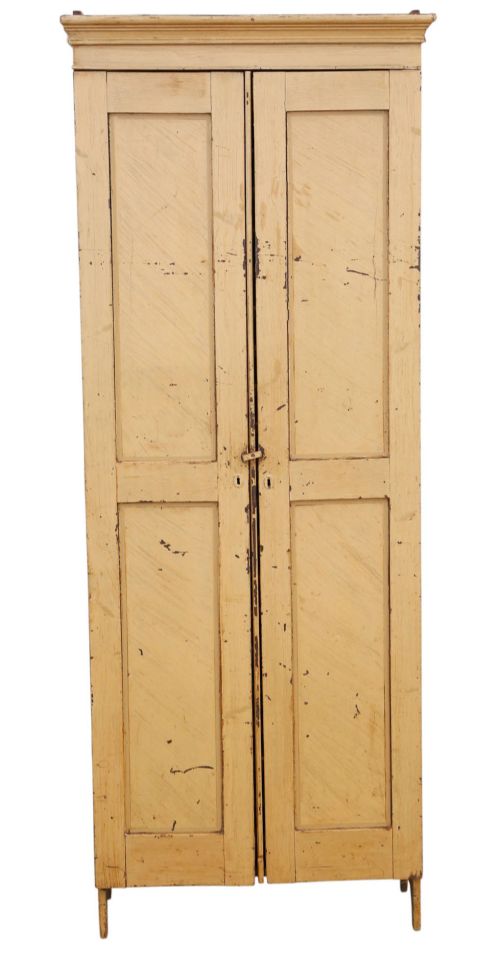
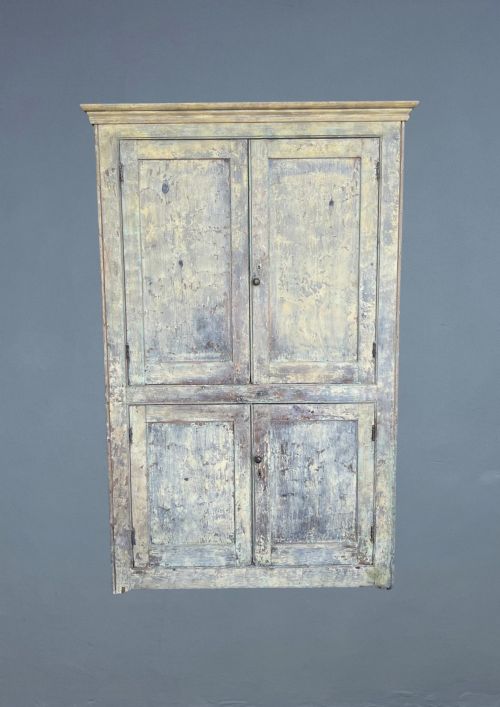
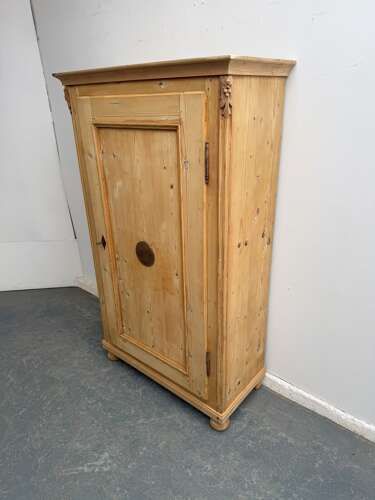
The domestic side of these listings includes painted pine larder cupboards, vented storage units, and large oak cupboards with carved pillar panels. These sit alongside smaller iron-bound chests and specialised strongboxes designed to hold documents, silver, and household provisions during the Victorian period and adjacent decades.
How they were made
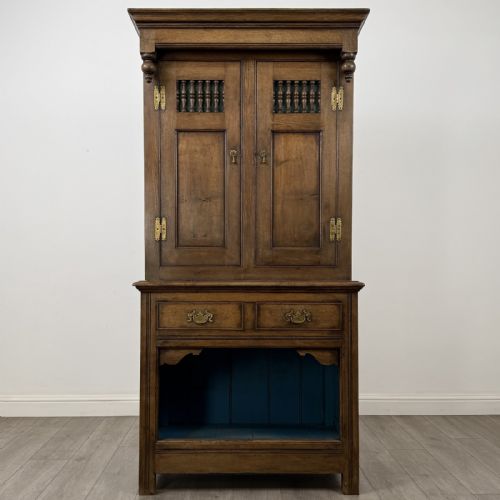
Makers utilised heavy cast iron, sheet metal, and brass for the construction of safes, incorporating complex locking mechanisms and inscribed maker plaques. Cabinets and storage cupboards relied on solid oak, pine, and mahogany, often joined with pegged framing and fitted with original brass hardware.
Surfaces on the timber pieces range from stripped pine prepared for waxing to original painted finishes and polished mahogany tops. Iron safes typically retain their dark painted or japanned surfaces, complemented by polished brass dials, handles, and maker insignia.
Victorian Safe Retail Price Guide 2026
Typical asking prices for victorian safe among the pieces listed under this phrase on Sellingantiques today, from the lower quarter to the upper quarter. They describe what is for sale here now, not the wider market.
One stubborn safe weighs enough to test the floorboards of any standard Victorian parlour.
What varies in quality
Quality rests in the integrity of the original mechanisms, the preservation of maker signatures, and the survival of fitted stands and keys. Finer examples retain working internal compartments, crisp brass casting on plaques, and uncompromised structural timber in the surrounding cabinets.
The distinction between standard utility items and superior pieces lies in the weight of the ironwork, the sophistication of the locking bolts, and the choice of cabinet woods such as figured mahogany or dense oak rather than plain pine.
James Bruce·F. Whitfield And Co
The Victorian Safe Glossary
- Safe
- A heavy metal box designed for the secure storage of valuables, featuring reinforced doors and complex locking mechanisms. Many Victorian examples include exterior brass manufacturer plaques.
- Housekeepers Cupboard
- A large tall storage unit utilised in domestic service for linens, provisions, and household stores. These often feature panelled doors and internal shelving.
- Pine
- A soft timber commonly utilised for kitchen cupboards, larder units, and utility furniture throughout the 19th century. It frequently appears painted or waxed.
- Japanned
- A type of durable dark finish applied to iron and metalwork to imitate Japanese lacquer. It provides corrosion resistance on industrial and security pieces.
Victorian Safe: Frequently Asked Questions
What is a victorian safe?
A victorian safe is a heavy iron or steel security box produced during the 19th century, frequently featuring brass manufacturer plates and complex locking mechanisms. These pieces were built to protect currency, documents, and valuables from theft and fire.
Some examples are housed within dedicated mahogany or oak cabinetry with marble tops, while others stand independently or rest upon heavy timber frames.
How were housekeepers cupboards used?
Housekeepers cupboards served as large storage fixtures in nineteenth-century domestic properties for holding dry goods, linens, and domestic supplies. Their substantial shelved interiors kept provisions organised and protected within the working areas of a large household.
They were constructed from timbers like pine and oak to withstand daily use in busy kitchen and pantry environments.
Are original keys common?
Original keys do accompany certain safes and cupboards in this selection, though many survive without their initial locking hardware due to the passage of time. Finding a piece retaining its original key adds considerable utility for those wishing to secure the doors.
Locks on these pieces often involve intricate lever mechanisms characteristic of nineteenth-century security engineering.