
Victorian Rural Landscape Art
Victorian rural landscape art captures the pastoral charm of nineteenth-century countryside life through oil paintings and watercolours depicting farmyards, cattle, and labourers.
Victorian Rural Landscape Art
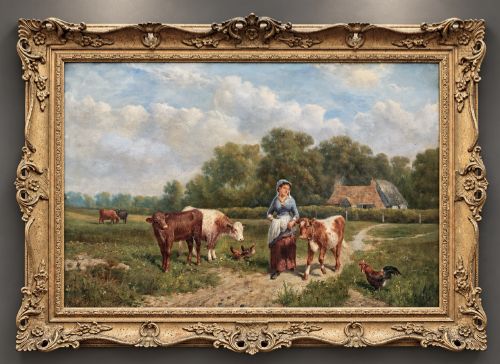
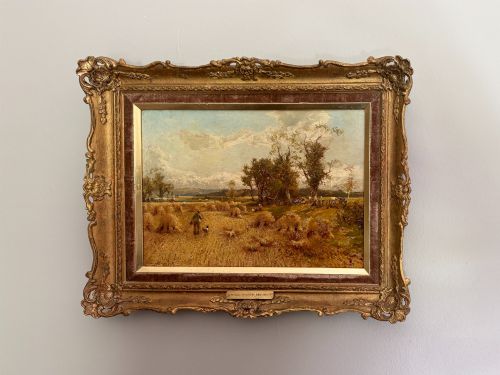
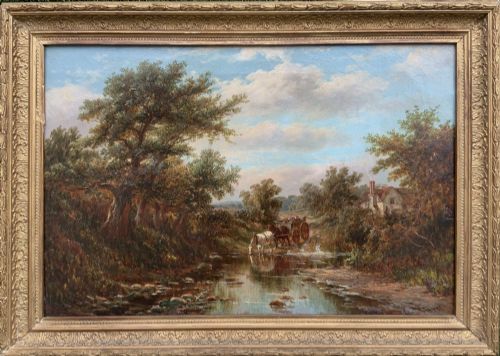
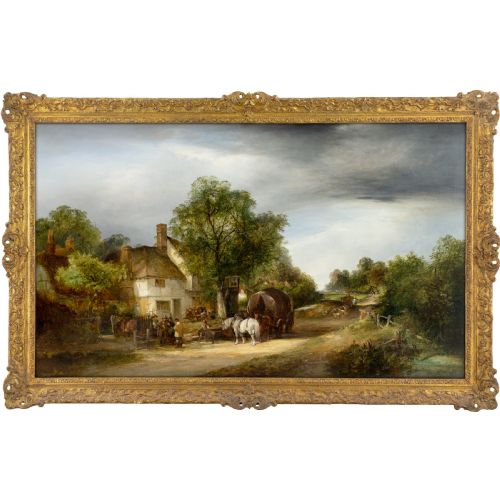
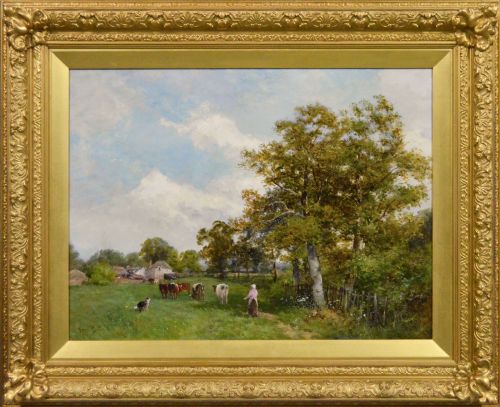
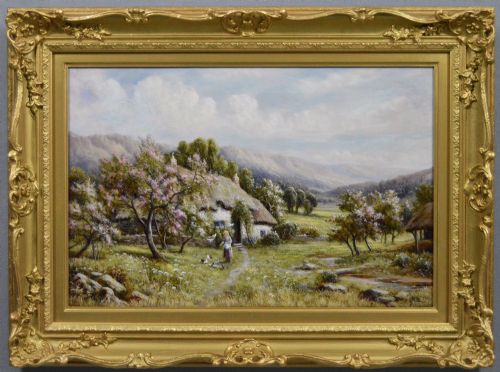
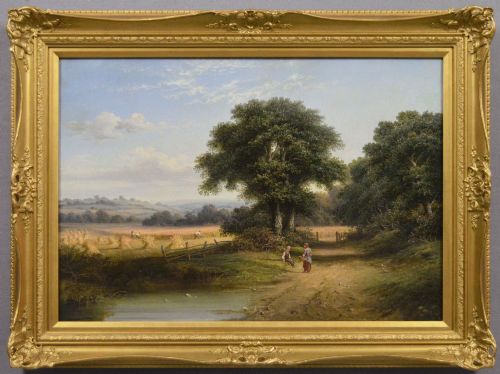
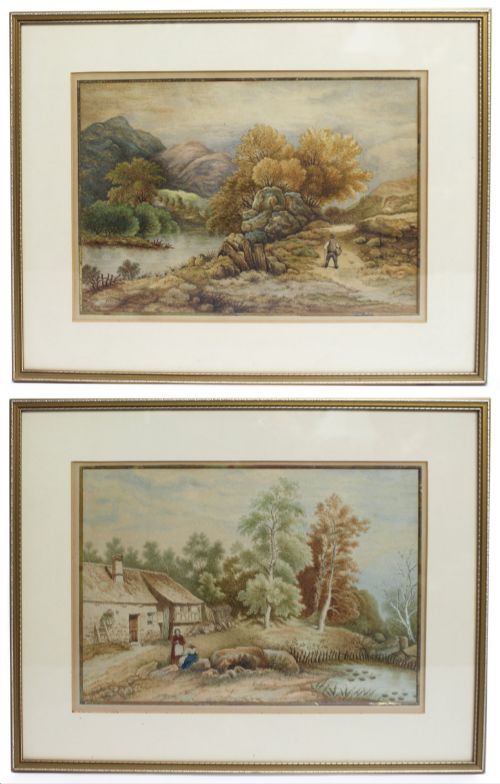
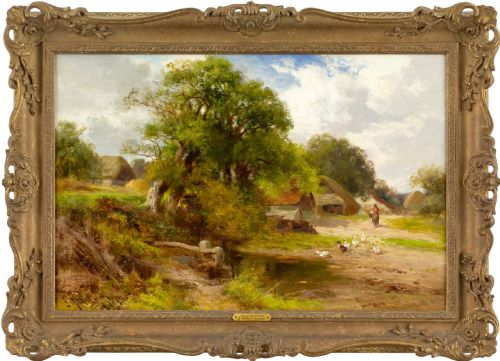
When searching for victorian rural landscape art, collectors encounter framed artworks recording the nineteenth and early twentieth-century British countryside. The pieces predominantly feature agricultural scenes, river valleys, livestock, and cottages set within pastoral settings.
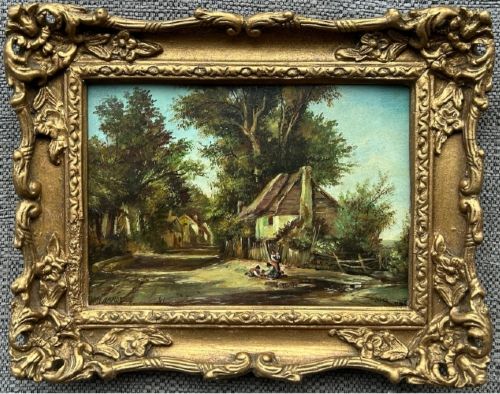
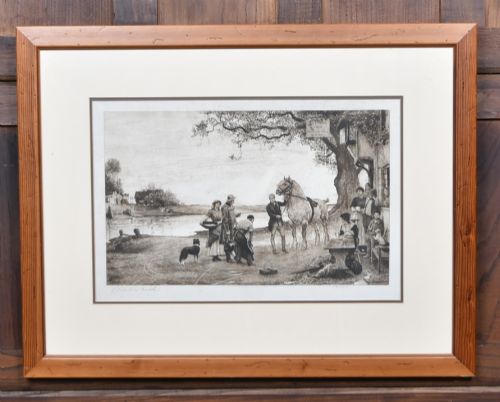
The physical forms on this page span oil paintings on canvas and panel, delicate watercolours on paper, and nineteenth-century etchings. Framed art is typically housed in period giltwood or gesso frames that complement the traditional subject matter.
Origins trace back to British schools and regional depictions ranging from Yorkshire and Kent to Scotland and the Sussex countryside. Buyers frequently meet works executed in styles extending from Victorian pastoral and realism to Edwardian interpretations.
How they were made
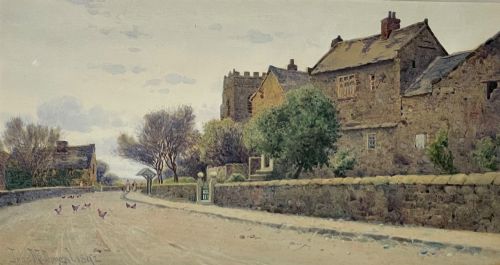
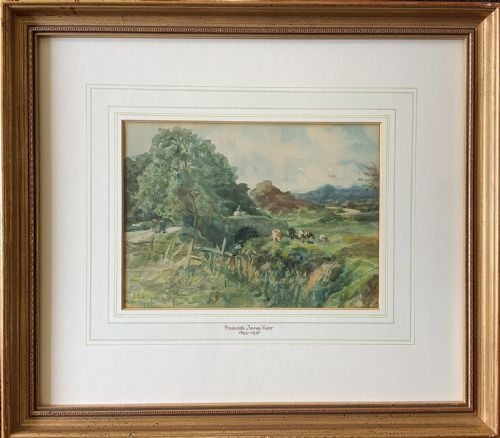
Artists utilised oil on canvas and oil on panel to build rich, textured surfaces that could capture the play of light across harvest fields and riverbanks. Watercolours on paper offered a lighter medium for recording village life and open skies with transparent washes.
Substantial wood frames finished with gesso and giltwood served to house and protect these paintings and watercolours. The combination of traditional pigments, paper, and prepared canvas underpins the physical survival of these rural subjects.
Listings feature oil paintings and watercolours spanning the nineteenth century through the early twentieth century.
What varies in quality
Quality rests in the artist's command of natural light, atmospheric depth, and the convincing anatomy of figures and farm animals within the landscape. Works that capture the specific textures of foliage, water, and earth with confident brushwork distinguish themselves from more formulaic compositions.
The preservation of the original medium, whether oil pigment or watercolour wash, alongside the integrity of the period frame, influences the standing of an individual piece. Greater artistic ambition in composition and detail separates standard topographical records from accomplished fine art.
William Howard Hardy·John McDougal·EJ Letheren·Robert A Nottingham·David Bates·Robert John Hammond·Walter Heath Williams·Robert W Macbeth·Th Thibault·John Horace Hooper·Frederick Walker·Frederick James Kerr·William Greaves·Miles Birkett Foster·Herman S Melville·Frederick Hines·Johannes de Haas·Sydney Yates Johnson·Herbert Dicksee·William Henry Mander·Thomas Sidney Cooper·James William Booth·Henry John Yeend King·William Sydney Cooper·Samuel Joseph Clark
The Victorian Rural Landscape Art Glossary
- Oil on Canvas
- A painting medium where pigments suspended in drying oil are applied to stretched fabric. This technique allowed artists to build deep layers of colour and texture.
- Watercolour
- A painting method using water-soluble pigments on paper. It creates luminous, translucent washes suited to capturing changing weather and skies.
- Giltwood
- Wood carved and coated with gold leaf or a gold-coloured metallic finish. It provides the ornate, reflective borders standard on nineteenth-century frames.
- Gesso
- A plaster-like mixture applied to wood or canvas as a base for painting or frame moulding. It accepts intricate decorative carving before gilding.
- Etching
- A printmaking process where acid cuts into uncoated portions of a metal plate to hold ink. This method produces fine, linear detail in works on paper.
Victorian Rural Landscape Art: Frequently Asked Questions
What subjects appear in these landscapes?
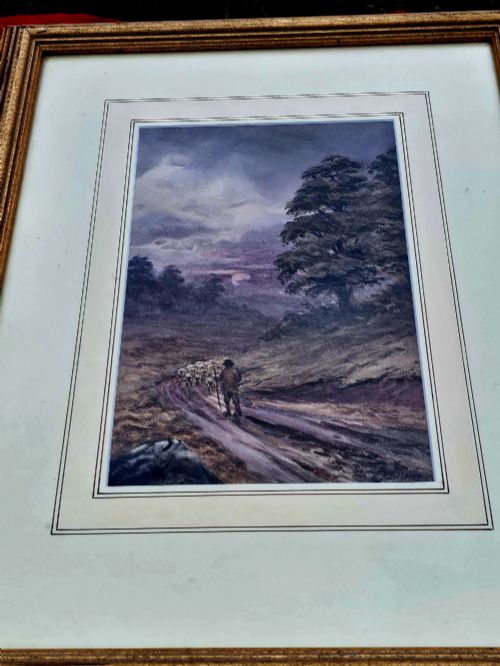
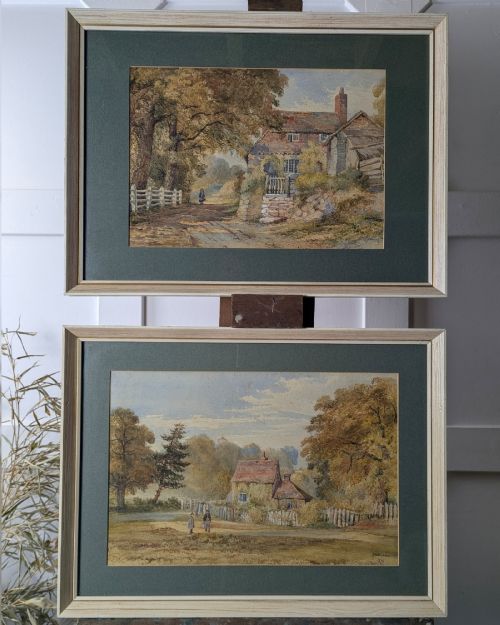
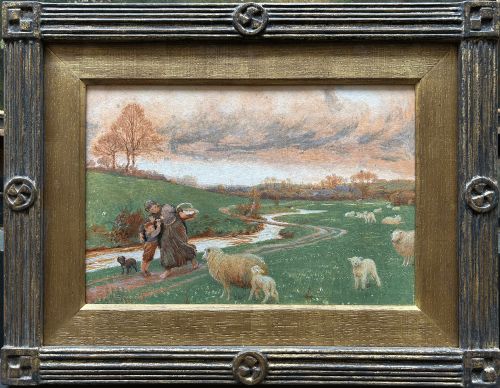
The works depict traditional agricultural scenes including harvest fields, herding sheep, cattle by rivers, and figures outside rural cottages.
These compositions reflect nineteenth-century agrarian life and the British countryside across various regional settings.
How should I care for watercolour art?
Watercolour paintings require protection from direct sunlight to prevent the pigments and paper from fading over time.
Displaying them behind glass in stable indoor environments helps preserve the delicate washes.
Are these works original antique pieces?
The listings comprise period watercolours, etchings, and oil paintings originating predominantly from the nineteenth and early twentieth centuries.
Artists signed many of these works, recording specific British locations and rural traditions.
What framing is typically found?
Many pieces retain period giltwood or gesso frames that match the nineteenth-century origins of the artwork.
These ornate wooden borders enhance the visual depth of the pastoral scenes.