



Victorian Ruby Glass Goblet
These Victorian ruby glass goblet selections bring striking colour and traditional form to a table, offering rich nineteenth-century character for daily use or display.
Victorian Ruby Glass Goblet
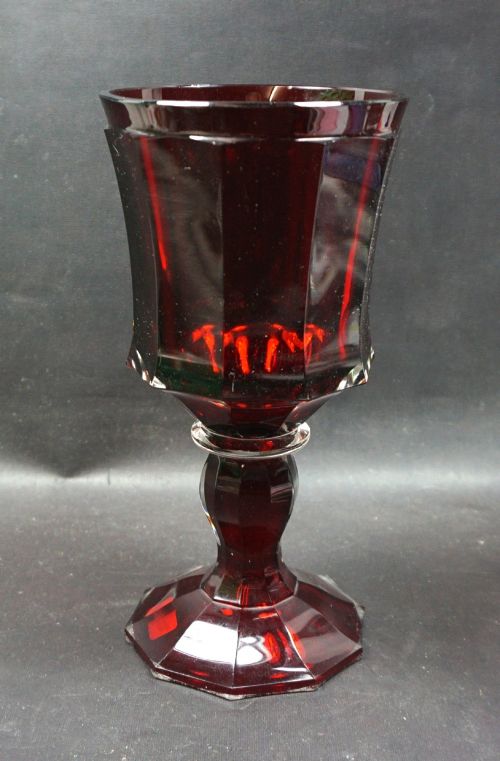
When you search for a victorian ruby glass goblet, you encounter nineteenth-century glassware produced in striking red tones, often encompassing wine glasses, goblets, and decorative tableware collections. The pieces listed span the Victorian period and originate from English workshops as well as continental centres such as Bohemia.
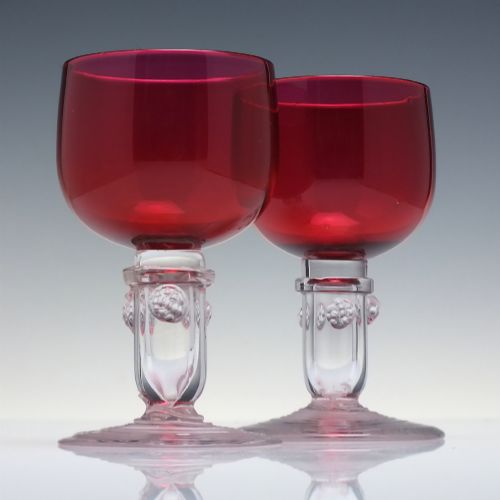
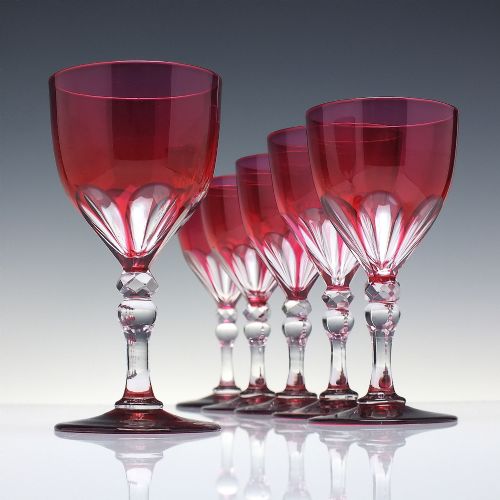
The version you are most likely to meet on this page is the cranberry or ruby wine glass, frequently found in sets ranging from pairs up to fifteen pieces. These objects combine deep red hues with clear glass or crystal components, reflecting the diverse decorative tastes of the nineteenth century.
How they were made
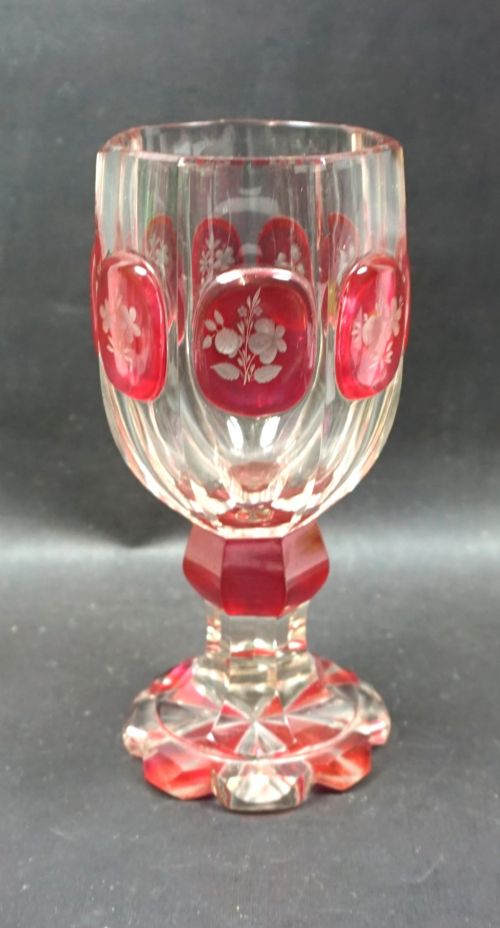
Makers utilised techniques such as hand-blowing to shape the stemware and vessels, creating characteristic forms associated with Victorian glasshouses and Bohemian makers. Artisans also employed flashed glass methods, applying a thin layer of red glass over clear crystal before cutting or engraving the surface.
Decoration often involved surface engraving to reveal the contrasting clear glass beneath the red exterior, or the addition of enamel details depicting floral motifs. Lead crystal and standard glass served as the primary base materials for these distinctive vessels.
Victorian Ruby Glass Goblet Retail Price Guide 2026
Typical asking prices for victorian ruby glass goblet among the pieces listed under this phrase on Sellingantiques today, from the lower quarter to the upper quarter. They describe what is for sale here now, not the wider market.
Listings feature items from the Victorian period, specifically recording dates across the eighteen-fifties, seventies, eighties, and nineties alongside Bohemian styles.
What varies in quality
The refinement of the engraving separates simpler items from superior examples, particularly where floral designs display precise hand-cut detailing through the red surface layer to the clear glass beneath. Consistency within a matched set also dictates value, as uniform coloration and identical stem dimensions across multiple pieces require greater skill from the glassblower.
The depth and brilliance of the ruby or cranberry colour influence the visual impact of the glassware, with richer tones achieving a more harmonious balance between the red exterior and the clear crystal elements.
The Victorian Ruby Glass Goblet Glossary
- Ruby Glass
- A rich red glass coloured by the addition of gold or copper compounds during the melting process. This material forms the primary body of many nineteenth-century goblets and wine glasses.
- Flashed Glass
- A vessel created by coating a core of clear glass or crystal with a thin layer of coloured glass before shaping. This technique allows artisans to cut away the outer red layer to reveal clear patterns beneath.
- Cranberry Glass
- A specific shade of pinkish-red glass popular throughout the Victorian era for tableware and stemware. It is frequently seen in matched sets of wine glasses.
- Bohemian
- Pertaining to the region of Bohemia, known for producing highly decorative glass objects during the nineteenth century. Pieces from this area often feature intricate cut or engraved designs.
Victorian Ruby Glass Goblet: Frequently Asked Questions
What is a Victorian ruby glass goblet?
A Victorian ruby glass goblet is a nineteenth-century drinking vessel made from deep red glass, often featuring hand-blown forms and decorative engraving. These pieces include both English productions and continental work from Bohemian makers.
They serve as both functional stemware and decorative display items, frequently appearing in matched sets of wine glasses.
How do I care for antique ruby glass?
Antique ruby glass requires gentle hand washing in lukewarm water with mild detergent to preserve the surface and any enamel detailing. Avoid sudden temperature changes to protect the nineteenth-century material from thermal shock.
Store the pieces securely in a stable cabinet, keeping stemware separated to prevent rim chipping.
Were these goblets used for wine?
Many pieces associated with this search phrase functioned as wine glasses or ceremonial goblets during the Victorian period. Sets were produced to accommodate dining table service for guests.
The smaller wine glass variations suited fortified wines, while larger goblets held various table beverages.
How can I tell Bohemian glass apart?
Bohemian glass from the nineteenth century often displays complex overlay techniques, deep cutting, and engraved floral motifs. These pieces typically exhibit heavier crystal bodies compared to standard table glass.
Their distinct regional style reflects the advanced cutting traditions of central European glasshouses during the eighteen-fifties.