






Victorian Rosewood Music Stand
A victorian rosewood music stand brings nineteenth century timber and function together, offering a sturdy frame for scores that suits any traditional interior.
Victorian Rosewood Music Stand
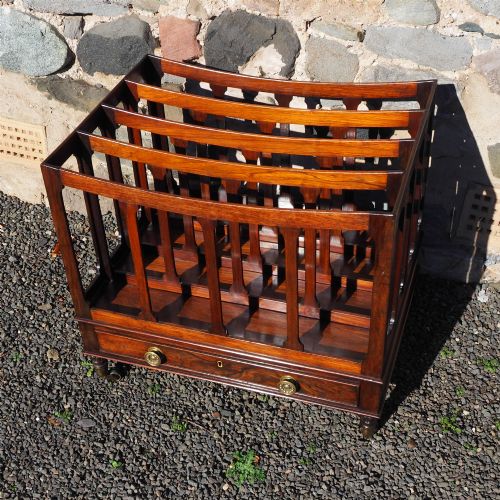
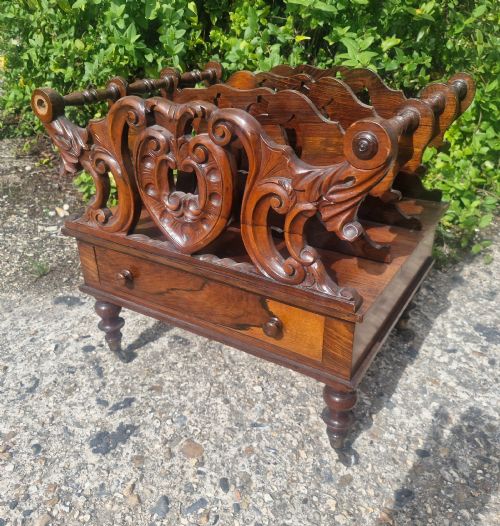
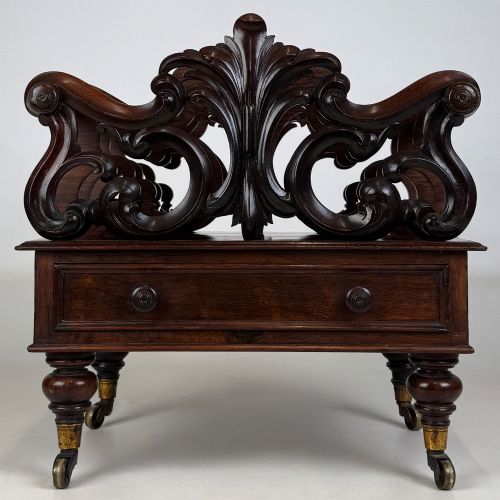
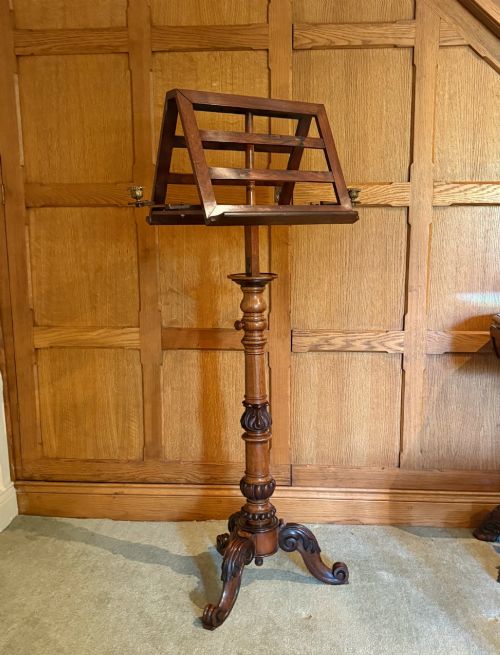
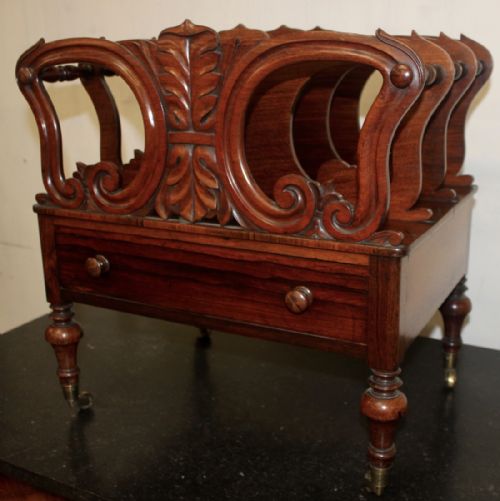
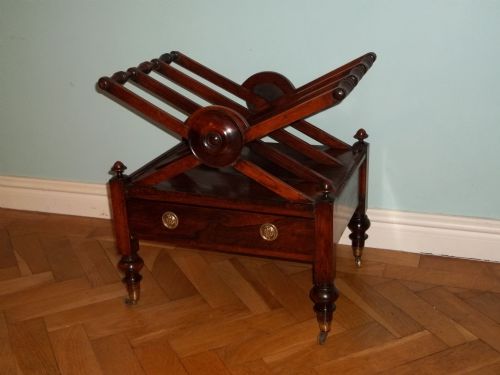
A victorian rosewood music stand serves as a dedicated holder for scores, taking forms such as canterburys, reading stands, and cabinets across this page. The typical piece encountered here dates from the nineteenth century, spanning Victorian, William IV, and Regency periods.
Makers and designers working in this tradition also produced related furniture like whatnots and magazine racks, which share the same timber and compartmented structure. Pieces often incorporate drawers or multiple tiers designed to keep folios and sheets in order.
How they were made
Cabinet makers utilised dense rosewood and occasionally gonçalo alves, shaping the timber into turned supports and upright divisions. Brass castors, hinges, and inlays frequently complete the construction of these stands.
Carving and marquetry add decorative detail to the frame, while glass and ceramic elements appear on select examples to accent the primary woodwork.
Victorian Rosewood Music Stand Retail Price Guide 2026
Typical asking prices for victorian rosewood music stand among the pieces listed under this phrase on Sellingantiques today, from the lower quarter to the upper quarter. They describe what is for sale here now, not the wider market.
Some nineteenth-century makers evidently believed musicians needed a drawer for every loose leaf and quill they owned.
What varies in quality
The sophistication of the carved detail and the precision of the inlay separate standard items from superior pieces. Workshops known for high output applied meticulous attention to the joints and turned uprights.
Selection of the rosewood veneer and the integration of secondary timbers like mahogany dictate the visual depth of the finished stand.
Gillows
The Victorian Rosewood Music Stand Glossary
- Whatnot
- A piece of open shelving furniture with multiple tiers used for displaying or storing small items. Examples on this page often combine this form with a music rack.
- Gonçalo alves
- A richly figured exotic hardwood often utilised in nineteenth-century cabinet making for its striking grain patterns. It resembles rosewood in durability and weight.
- Marquetry
- The art of applying pieces of veneer to a structure to form decorative patterns and pictures. This technique appears on cabinet doors and tabletops.
Victorian Rosewood Music Stand: Frequently Asked Questions
What is a music stand used for?
These stands hold sheet music, scores, and folios close at hand for musicians playing instruments in a parlour or drawing room. They keep paper organised and upright.
Many examples include compartments or drawers for smaller accessories, doubling as occasional tables or display units when not in active use.
How do I identify a Victorian piece?
Victorian items typically display rich rosewood grain, heavier proportions, and specific decorative motifs like foliate carving. Construction methods from this era often incorporate brass castors and mahogany secondary woods.
Comparing the style to earlier Regency or William IV designs helps narrow down the decade of manufacture within the nineteenth century.
Where should I place a stand?
Position these pieces in a living room, study, or music room where their timber tones complement other nineteenth-century furniture. They fit well beside armchairs or pianos.
Keep them away from direct sunlight and heat sources to protect the rosewood veneer and polished finish from drying out.
What is the difference between a canterbury and a whatnot?
A canterbury focuses on partitioned racks specifically designed to hold upright folios and sheets, often resting on low legs with castors. A whatnot consists primarily of stacked open shelves for general display.
Certain items combine both forms, offering partitioned storage below and tiered shelving above for books or decorative objects.