



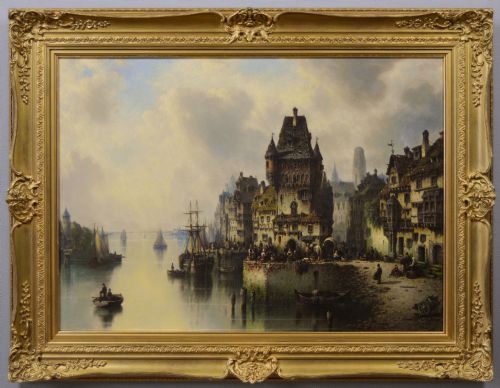
Victorian Romantic Landscape Painting
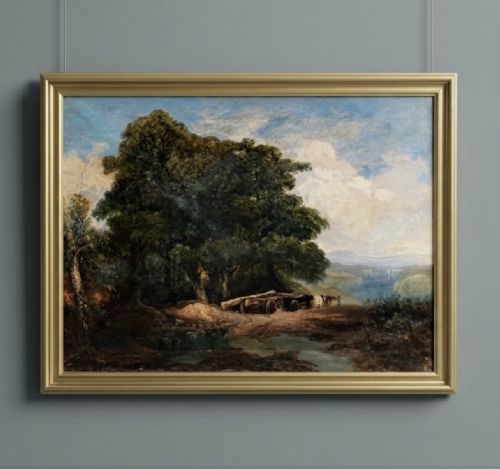
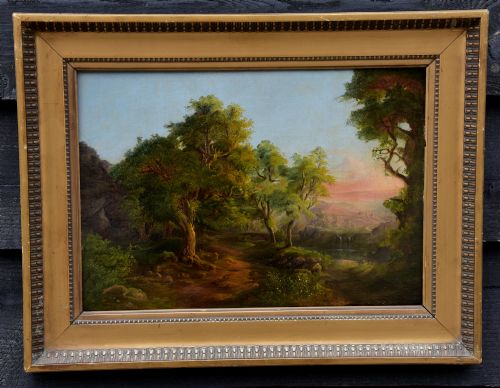
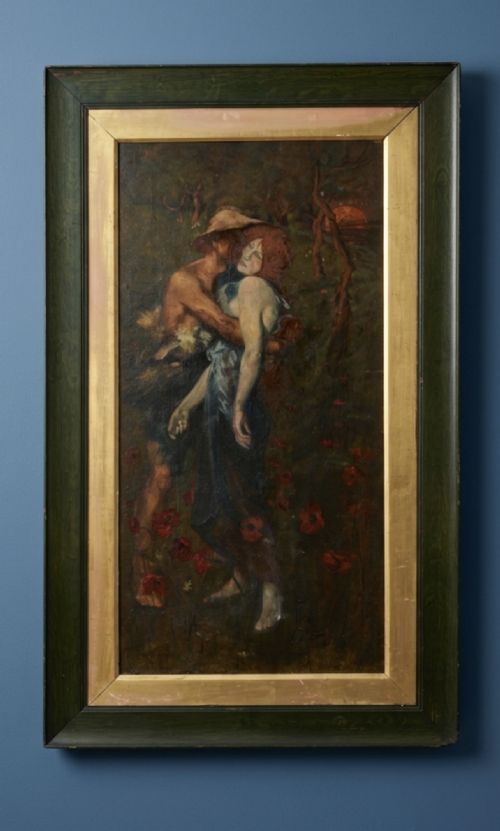
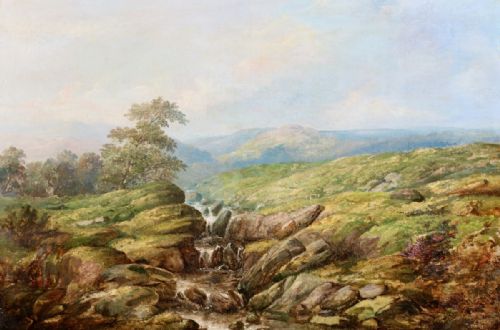
These pieces of victorian romantic landscape painting capture dramatic nineteenth-century scenery and coastal or woodland views through oil and watercolour.
Victorian Romantic Landscape Painting
A victorian romantic landscape painting captures dramatic nineteenth-century views, often featuring woodland scenes, waterfalls, coastal paths, and Scottish or Swiss scenery. These works frequently draw on nineteenth-century romanticism and symbolism, portraying nature with an atmospheric or moody quality.
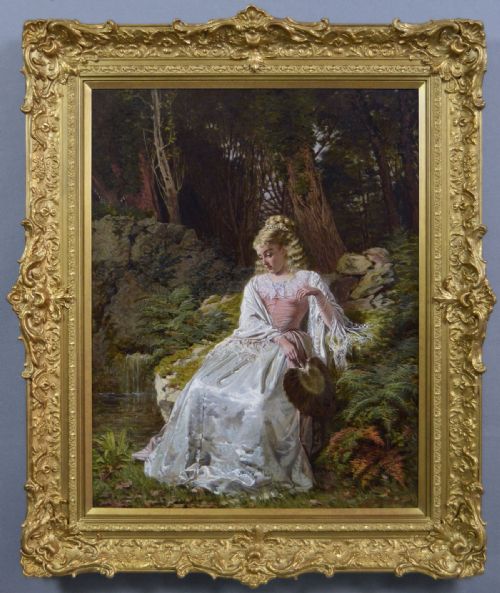
Buyers will most commonly encounter oil paintings on canvas or board, alongside watercolours. Many works are housed in large gilt or giltwood frames with gesso detail, reflecting the framing traditions of the period.
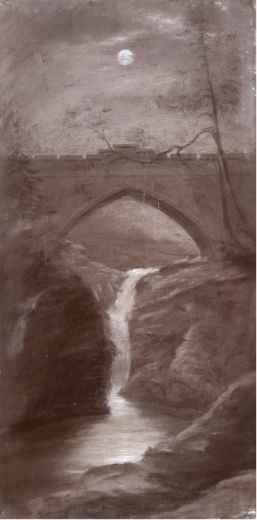
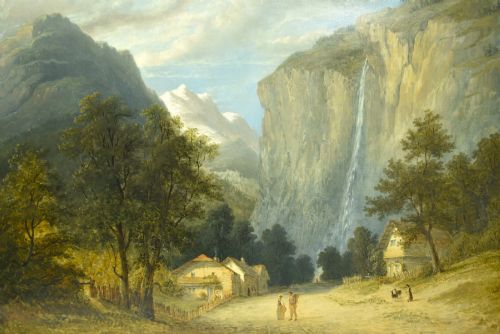
The subjects range from tranquil lakes and riverscapes with fisherfolk to dramatic shipwrecks, smugglers, and alpine waterfalls such as Staubbach Falls in Lauterbrunnen.
Qualities that distinguish the works
Quality rests in the handling of light, atmospheric depth, and the precision of detail within the landscape, whether depicting woodland pools or bustling continental harbour towns. Signed works by recorded artists command distinct interest compared to unsigned examples or period copies.
The craftsmanship of the original frame, particularly moulded gesso and heavy gilding, contributes to the overall integrity of the piece.
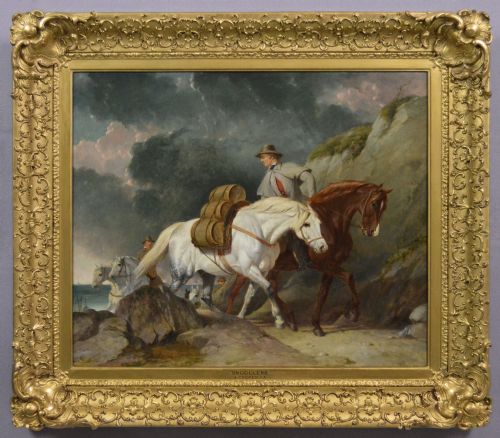
Several landscapes capture dramatic moments, including smugglers with horses on coastal paths and geese navigating riverbanks.
Richard Sebastian Bond·Abraham Cooper·Thomas Edward Roberts·James H Hulse·Samuel Palmer·Frederick Richard Lee·Ludwig Hermann·Eugene Verboeckhoven·Robert Thomas Buttery·Charles Pettitt
The Victorian Romantic Landscape Painting Glossary
- Gesso
- A plaster-like mixture applied to wood frames before gilding to create raised decorative mouldings. It provides a smooth base for gold leaf.
- Giltwood
- Wood that has been treated and covered with a thin layer of gold leaf or gilt. This material is standard for period Victorian frames.
- Watercolour painting
- A method where paints are made of pigments suspended in a water-based solution on paper or board. These works often appear under glass.
- Oil on canvas
- Pigment mixed with drying oil applied to a woven fabric stretched across a wooden frame. This is the primary medium for nineteenth-century landscapes.
Victorian Romantic Landscape Painting: Frequently Asked Questions
What subjects appear in victorian romantic landscape painting?
The subjects include woodland scenes, waterfalls, Scottish highlands, Swiss alpine views, and coastal paths with smugglers or shipping.
Many works also depict riverscapes, castles, and tranquil lakes populated by fisherfolk or geese.
Are these paintings executed in oil or watercolour?
Both mediums appear frequently across the selection, alongside charcoal works on canvas.
Oils are typically rendered on canvas or board, while watercolours are executed on paper and often framed behind glass.
How do I identify the period of a frame?
Period frames often utilise heavy timber construction finished with moulded gesso and gilt layers.
They are built to house nineteenth-century canvases securely and frequently show the wear and patina expected of nineteenth-century items.
How should I care for these watercolours?
Watercolours require placement away from direct sunlight to prevent the fading of pigments on paper.
Maintaining stable indoor humidity protects both the paper support and the surrounding period frame.