


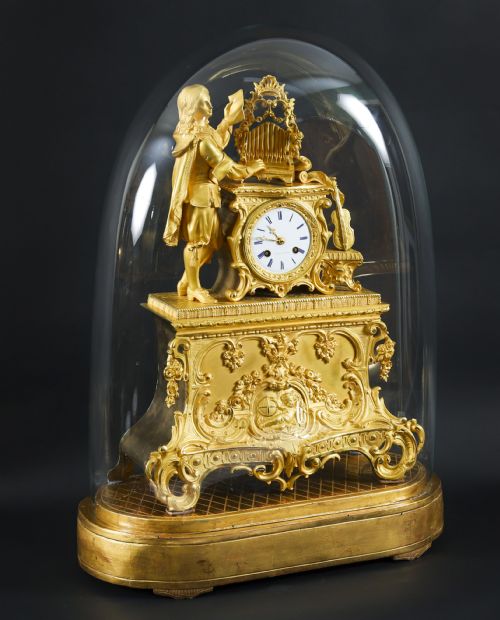


Victorian Rococo Mantel Clock
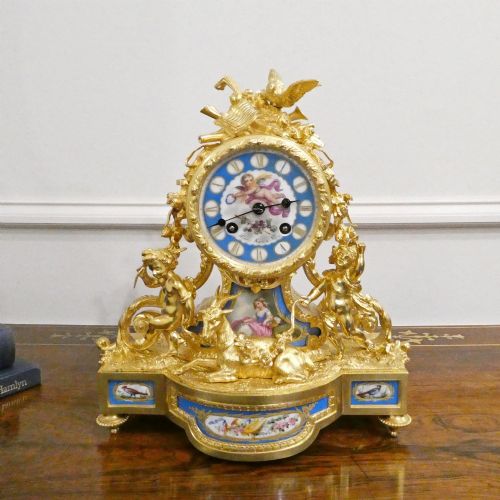
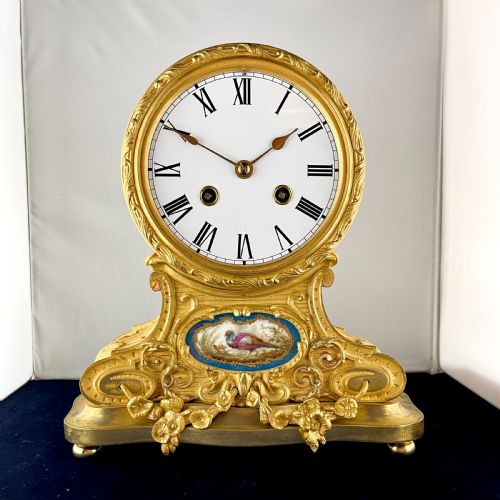
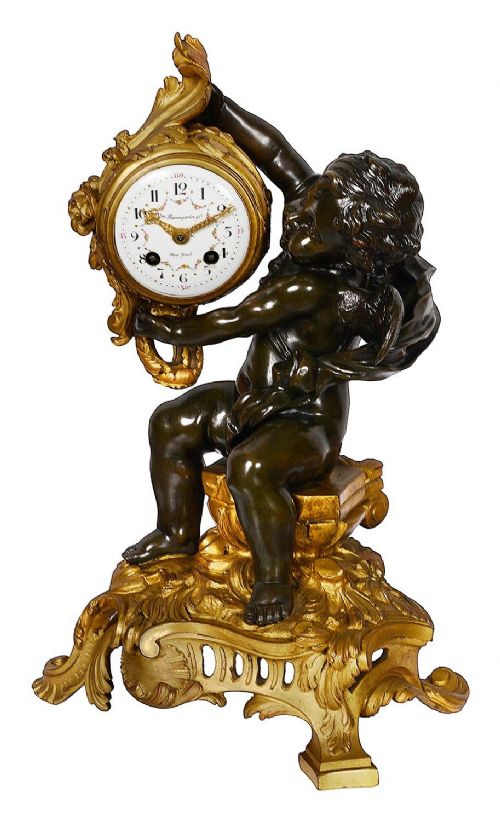
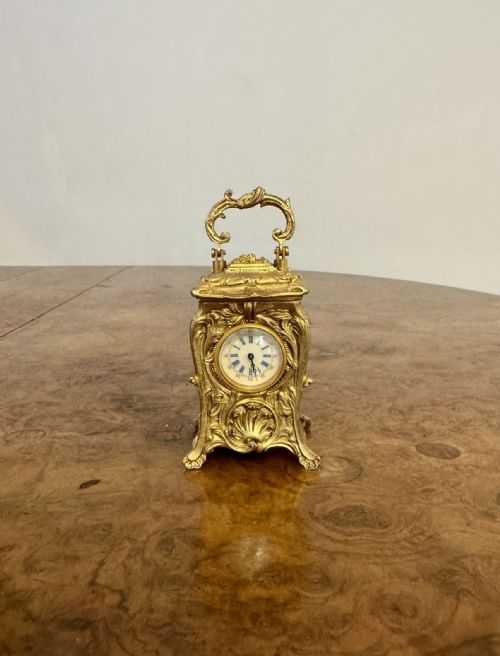
When you handle a victorian rococo mantel clock, you find heavy cast bronze and gilt metal shaped with organic scrolls and asymmetrical curves.
Victorian Rococo Mantel Clock
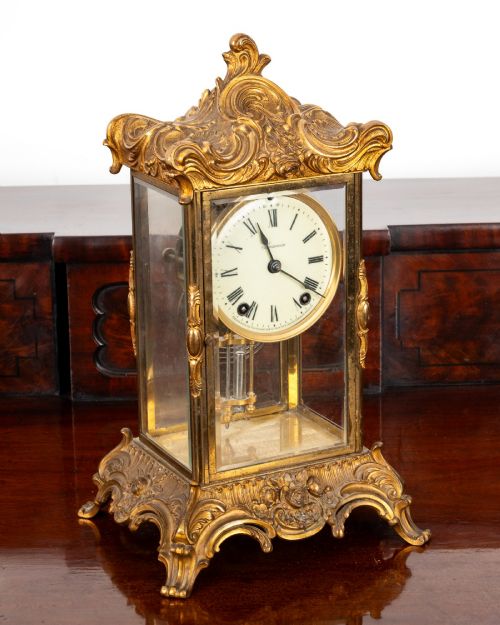
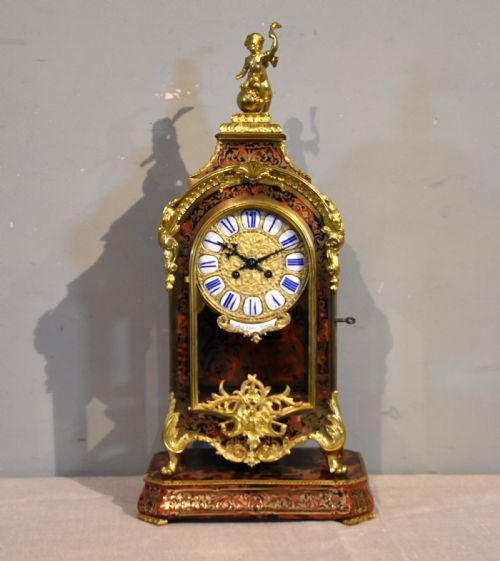
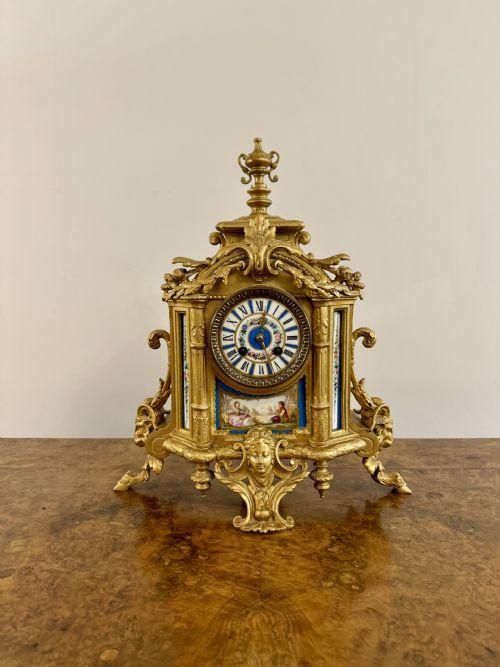
A victorian rococo mantel clock brings ornate nineteenth century presence to a room, drawing directly on French Louis XV design. You encounter these timepieces in substantial gilt bronze, brass, or ormolu housings, often accompanied by matching porcelain side pieces.
The aesthetic relies on cascading scrollwork, floral motifs, and asymmetrical shell forms typical of the revival periods spanning the nineteenth century. These objects function simultaneously as mechanical timekeepers and sculptural centerpieces for the domestic interior.
Materials and Construction
Foundry casters shaped the elaborate housings using bronze, brass, and gilt metal, then applied mercury or electroplated gilt surfaces to create a brilliant metallic sheen. Dial faces frequently incorporated painted enamel chapters, protected behind curved glass bezels.
Clockmakers fitted precision brass gear trains behind these decorative facades, sometimes utilising fusee movements or platform escapements. Porcelain panels, often painted with pastoral scenes in the manner of Sevres or Meissen, were integrated directly into the cast metal frames.
Listings feature nineteenth century pieces incorporating materials like walnut, porcelain, enamel, ormolu, and patinated bronze.
Judging Quality
The refinement of the casting separates standard production from exceptional work, visible in the depth and crispness of the chased scrollwork. Superior pieces retain their original mercury gilding, showing subtle tonal shifts rather than uniform modern plating.
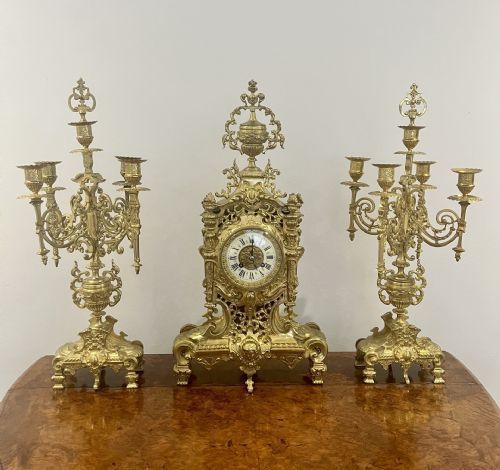
The quality of the internal movement matters just as much as the exterior case work, with signed maker plates indicating higher standards of mechanical execution. Complete sets featuring original garniture vases and matching domes indicate a higher tier of original survival.
Henry Marc·Ansonia New York·Leroy Paris·William Payne·Connell of London·PH Mourey·Samuel Marti·Japy Freres·LE ROY & FILS·KPM Berlin·Meissen·Phillipe H. Mourey
The Victorian Rococo Mantel Clock Glossary
- Ormolu
- Gilded bronze produced by applying a mixture of gold and mercury to a bronze base, fired to leave a rich metallic layer.
- Garniture
- A matching set of decorative objects, typically comprising a central clock flanked by two matching vases or candelabra.
- Fusee
- A conical pulley used in clock movements to maintain even driving force as the mainspring unwinds.
- Chasing
- The hand-tooling of metal surfaces with punches and chisels to refine cast details and add texture.
- Enamel
- Vitrified glass fused to a metal dial plate at high temperatures to create a smooth, durable white face.
Victorian Rococo Mantel Clock: Frequently Asked Questions
How do I wind an antique clock?
Insert the appropriate key into the winding arbors on the dial face and turn gently until you feel resistance. Take care not to overwind the mainspring, as this can cause internal damage.
Most nineteenth century movements require a weekly wind to maintain accurate timekeeping. Consult the specific pendulum length and escapement type if the clock begins to gain or lose minutes.
Where should I place a mantel clock?
Position the clock on a stable, level surface away from direct sunlight, drafts, and extreme temperature fluctuations. A sturdy mantelpiece or bracket shelf provides the ideal foundation for heavy bronze cases.
Ensure the surface does not vibrate excessively from household traffic, which can disrupt the delicate balance of the pendulum and escapement.
How do I tell if a clock is French?
Examine the backplate of the movement for foundry stamps, maker signatures, and serial numbers. French makers typically stamped their brass plates with distinct exhibition medals and workshop ciphers.
The use of fire gilt bronze, Sevres style porcelain plaques, and characteristic rococo revival styling also points toward nineteenth century Parisian workshops.
What is a clock garniture?
A clock garniture is a matched decorative set consisting of a central timepiece flanked by two matching side ornaments, such as urns or candelabra. These sets were designed to sit symmetrically across a mantelpiece.
Makers produced them in matching materials like gilt bronze and porcelain to create a unified focal point for grand Victorian reception rooms.