

Victorian River Landscape Artwork
Victorian river landscape artwork captures nineteenth-century waterways through oil and watercolour, offering buyers a glimpse into pastoral scenes and bustling historical rivers.
Victorian River Landscape Artwork
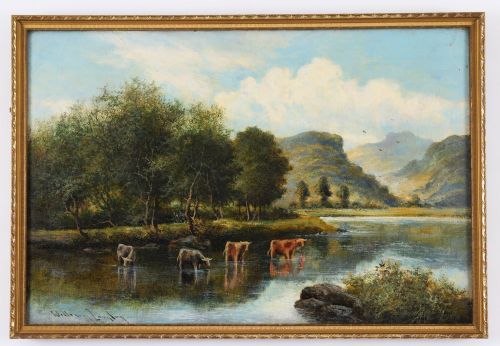
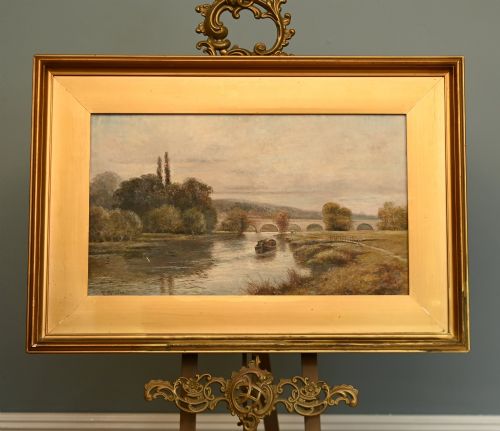
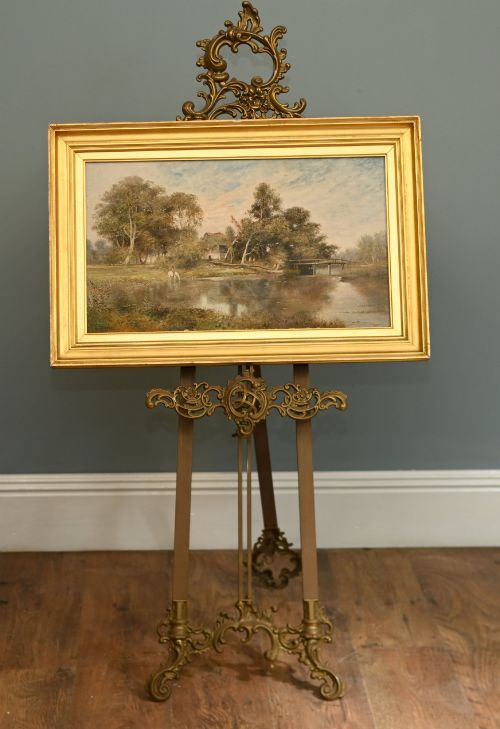
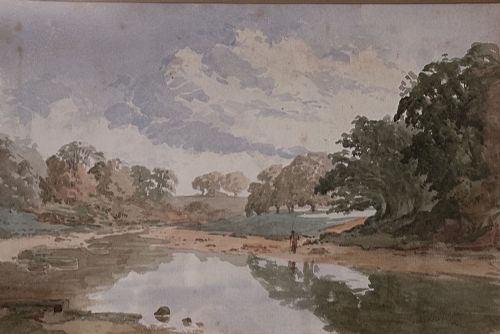
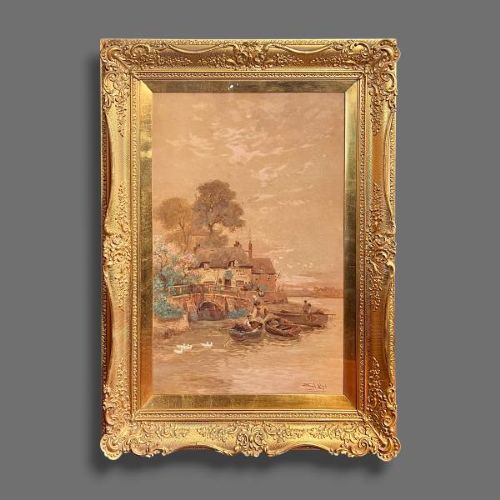
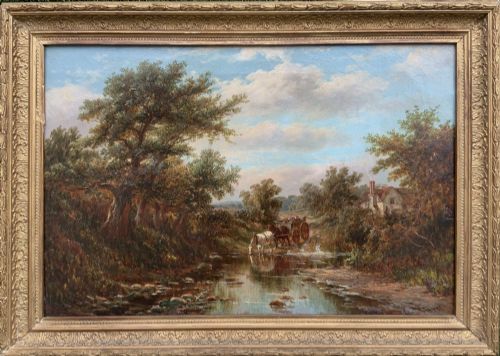
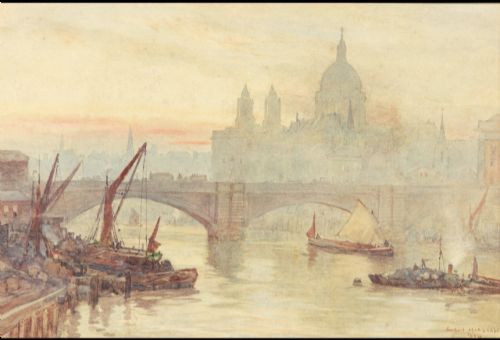
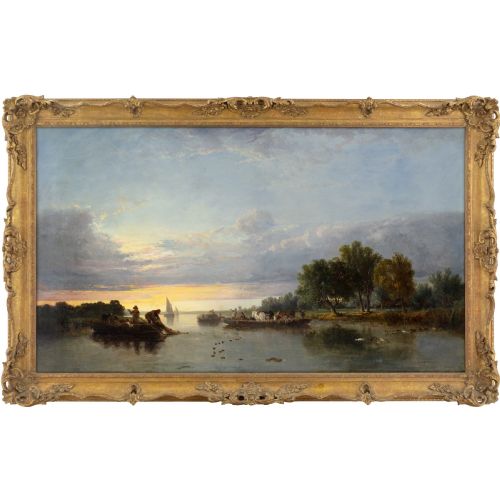
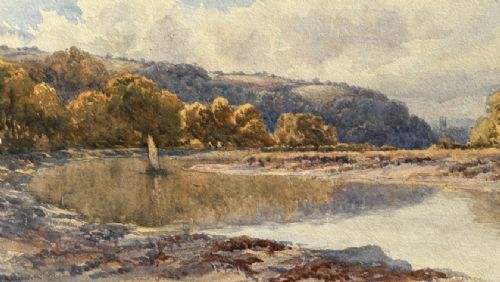
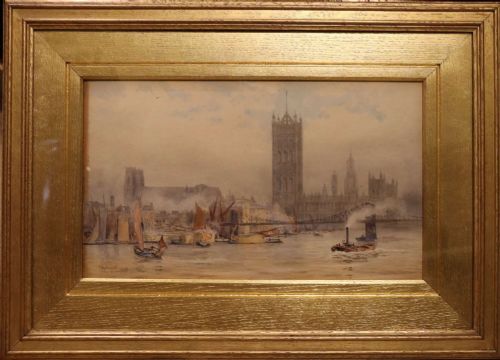
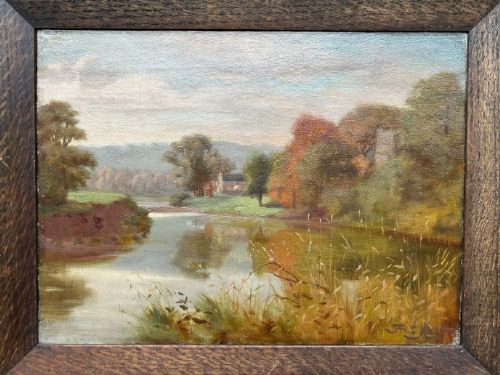
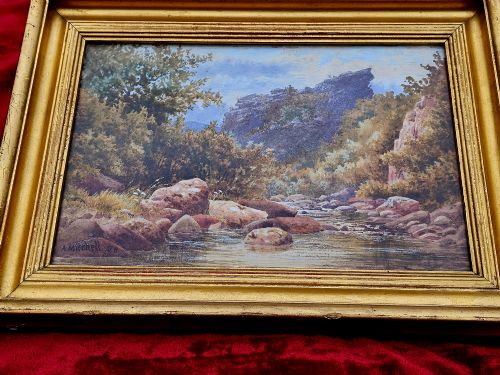
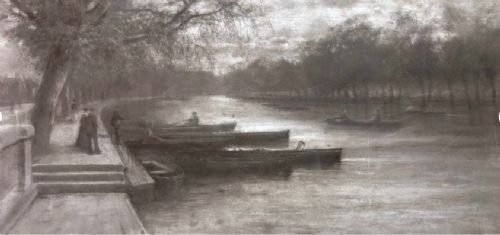
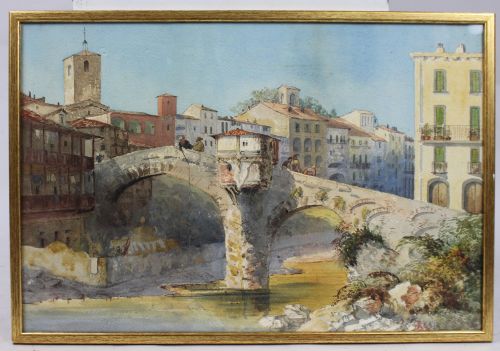
When searching for victorian river landscape artwork, buyers encounter nineteenth-century depictions of British and European waterways, ranging from quiet rural streams to busy urban rivers like the Thames. These pieces take the form of paintings, watercolours, charcoal drawings, and etchings produced across the Victorian era. The selection leans heavily toward British scenes executed by regional and Royal Academy artists working between the eighteen-fifties and nineteen-hundreds.
The style spans conventional pastoral realism, Italianate compositions, and atmospheric Edwardian tonalism influenced by notable painters of the period. Works often incorporate figures, livestock, boats, and bridges to provide scale and narrative interest within the natural setting. Collectors select these depictions for their historical record of nineteenth-century topography and traditional rural life.
Materials and Techniques
Support materials range from heavy woven canvas stretched on wooden frames to stiff paper sheets. Many surviving examples retain their original frames, which contribute to the physical integrity and period context of the artwork.
Nineteenth-century artists occasionally added tiny fishermen to vast river scenes simply to remind viewers how large the British landscape really was.
Factors That Distinguish Quality
Quality rests upon the artist's ability to handle light, atmosphere, and spatial depth within the composition. Superior examples demonstrate confident brushwork, accurate perspective of water reflections, and a cohesive tonal balance across the scene. Weaker pieces often rely on formulaic foliage and static water without natural movement.
The sophistication of the medium handling also dictates distinction, particularly in how effectively the artist captures the specific mood of a morning mist or evening sunset. Provenance and exhibition history, such as inclusion at the Royal Academy, further elevate individual works.
Frederick Marriott·Robert W Macbeth·Francis Moltino·David Roberts·Albert Rieger·David Cox·Frederick Hines·John Horace Hooper·John Ferneley Senior·Honore Cavaroc·William Frederick Settle·Charles William Wyllie·Cornelius Pearson·Alexandre Le Bihan·Thomas Baker of Leamington·Stuart Lloyd·Thomas Bush Hardy
The Victorian River Landscape Artwork Glossary
- Oil on Canvas
- Pigment mixed with drying oil applied to a woven fabric support. This medium allowed artists to work slowly and build rich textures.
- Watercolour Painting
- Pigments suspended in a water-soluble vehicle applied to paper. It demands precise brushwork as errors cannot easily be painted over.
- Giltwood
- Wood carved and covered with a thin layer of gold leaf. Frames of this type were standard for exhibition-quality Victorian fine art.
- Gesso
- A plaster-like mixture applied to wood or canvas as a base for paint or gold leaf. It provided a smooth surface for elaborate frame mouldings.
- Etching
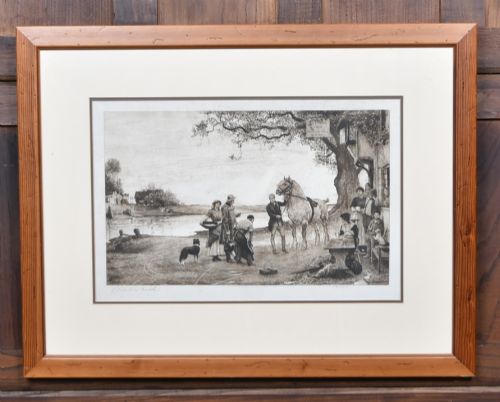
- A printmaking process where acid cuts into uncoated areas of a metal plate to hold ink. This technique produced detailed monochrome rural scenes.
Victorian River Landscape Artwork: Frequently Asked Questions
What subjects appear in these river artworks?
Paintings from this era frequently feature recognizable rivers such as the Thames, Tyne, and Tees, alongside foreign waterways and idealized pastoral streams. Scenes incorporate bridges, locks, shipping vessels, and figures harvesting or fishing along the banks.
Artists aimed to record both the industrial use of waterways and the tranquil beauty of untouched British and European countryside.
How do I care for antique watercolours?
Works on paper require protection from direct sunlight to prevent the fading of delicate pigments and the yellowing of the paper support. Framing with acid-free mounts and UV-filtering glass ensures long-term preservation.
Keep these pieces in stable indoor environments away from damp walls and excessive humidity to avoid foxing spots.
How can I identify the date of a piece?
Dates are often established through artist signatures, exhibition records, and framing styles characteristic of the nineteenth century. Subject matter such as historic bridges or vessels can also narrow down the active period of the composition.
Examine the reverse of the canvas or paper for old dealer labels, handwritten inscriptions, and stamps from Victorian frame makers.
Where were these landscapes typically displayed?
Original Victorian landscape artworks hung primarily in domestic drawing rooms, galleries, and institutional settings as symbols of refined taste. Wealthy patrons commissioned or purchased them to celebrate familiar local scenery or travels abroad.
Today, they suit traditional and transitional interior schemes, adding historical depth and natural colour to residential walls.