





Victorian Revolving Book Stand
A victorian revolving book stand brings practical utility and rotating convenience to heavy volumes in any study.
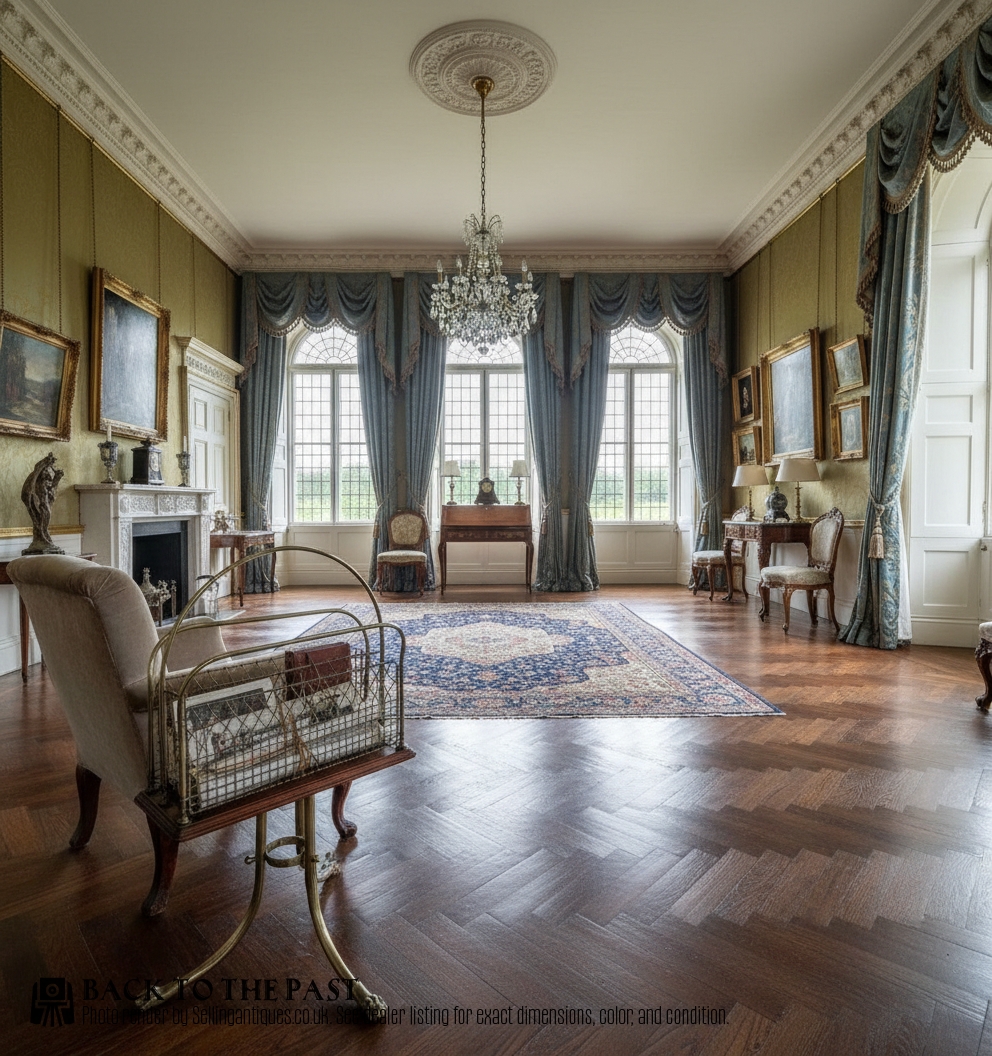
Victorian Revolving Book Stand
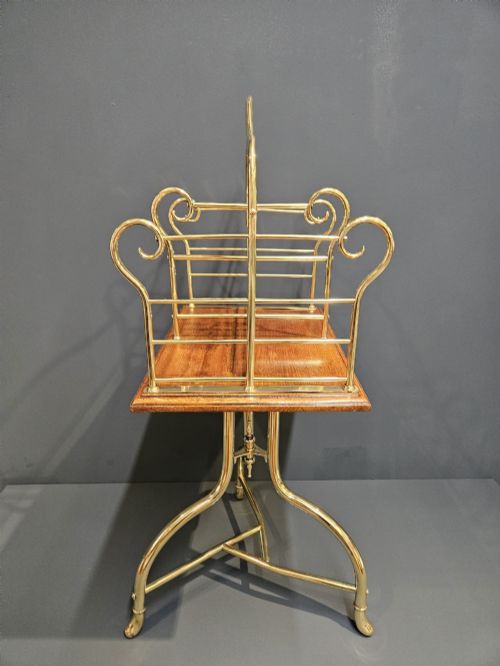
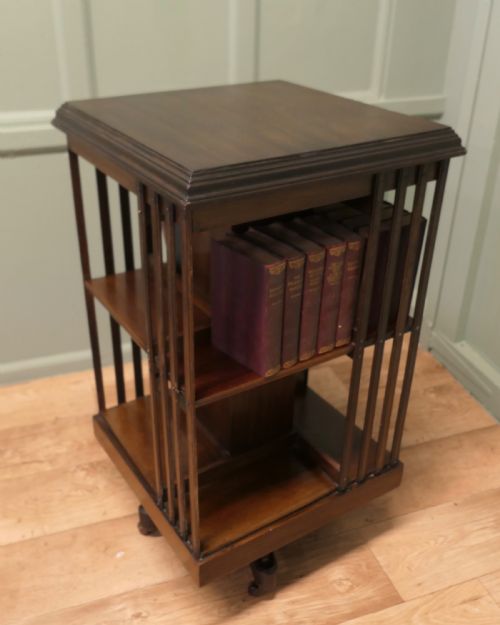
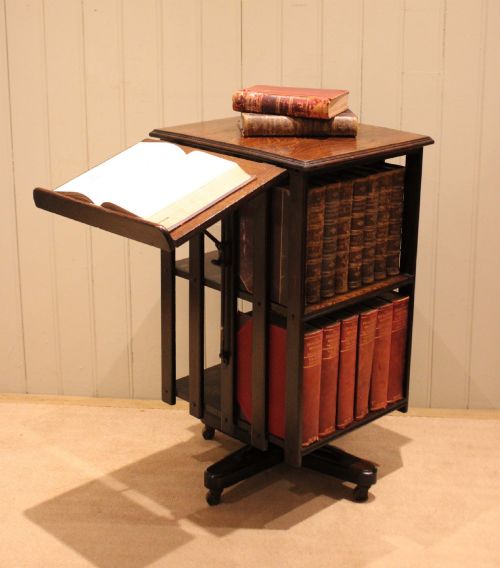
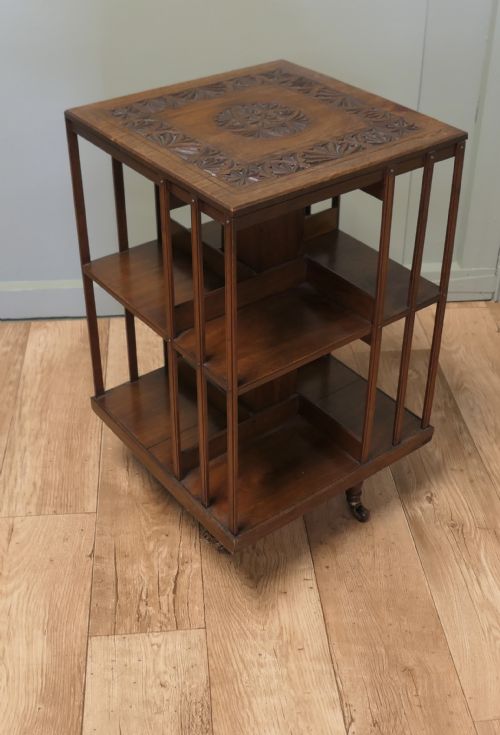
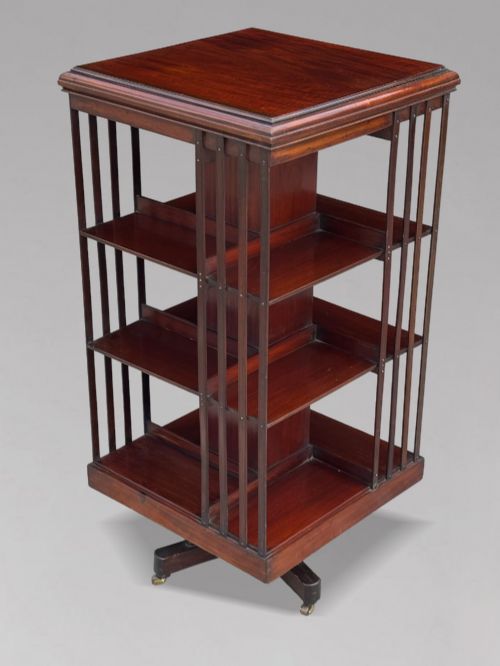
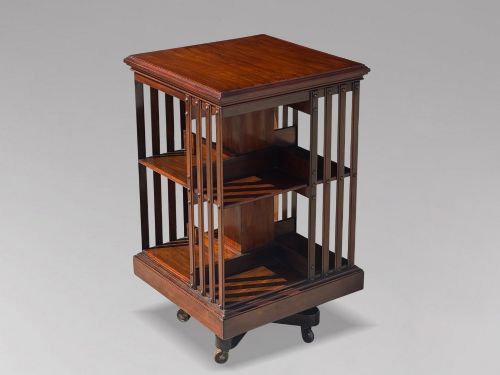
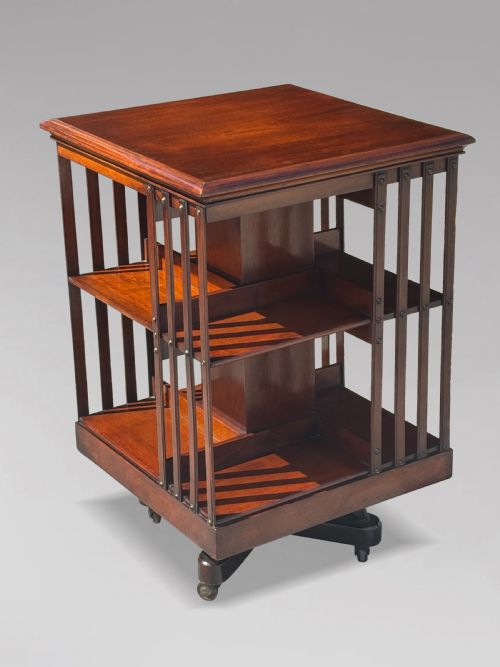
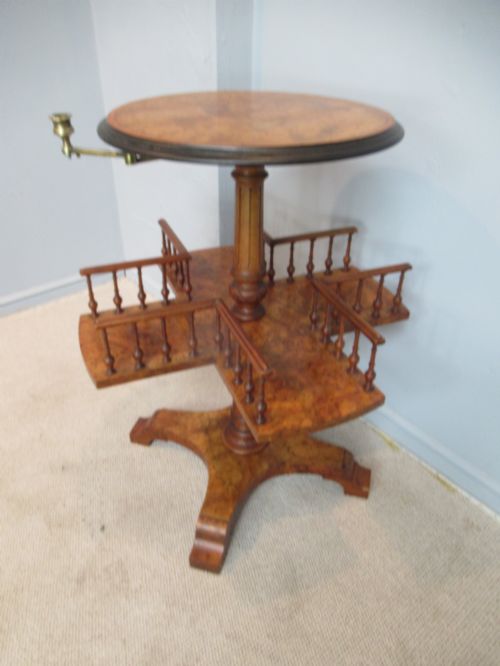
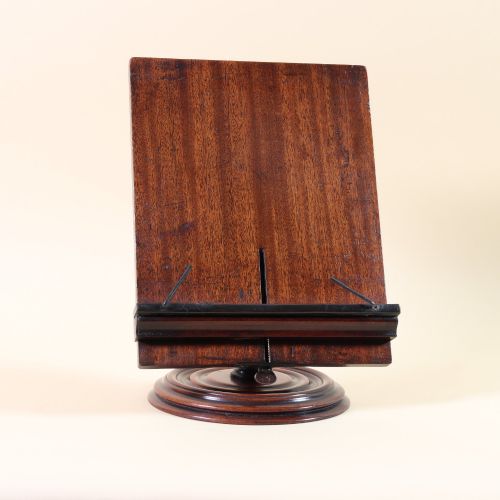
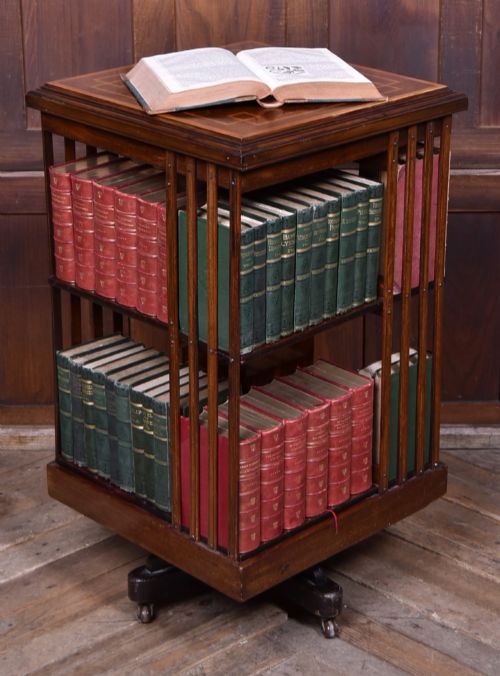
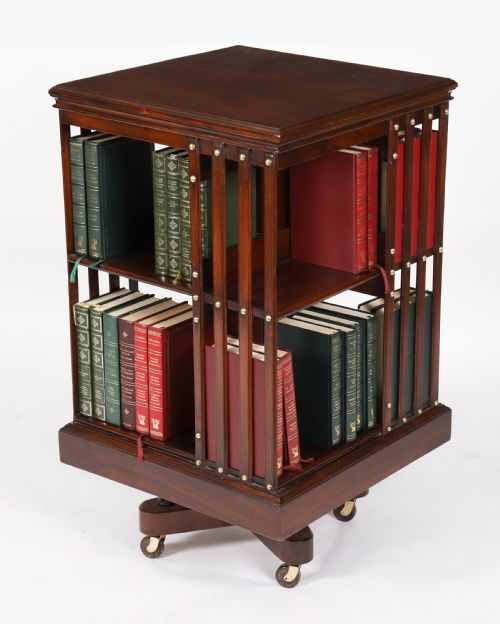
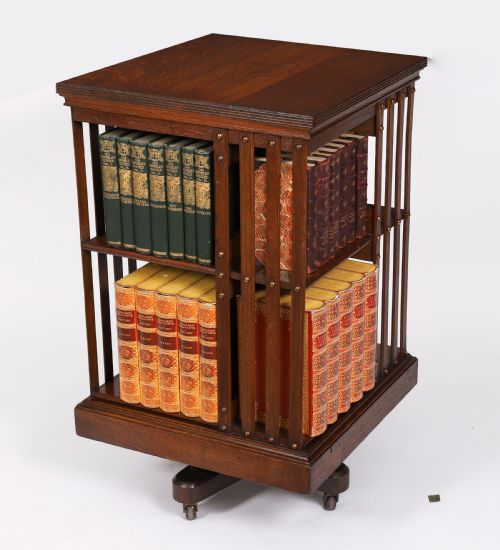
A victorian revolving book stand offers immediate access to a collection of volumes through a smooth-turning mechanism mounted on a sturdy base. These pieces span the nineteenth century and the Edwardian period, emerging in forms such as compact table-top rests, floor-standing towers, and combined book tables.
Mahogany and oak dominate the available examples, whilst walnut, satinwood, and rosewood appear in select pieces. Most items adhere to the Victorian and Edwardian styles, alongside occasional Regency style and Queen Anne Revival influences.
Materials and construction methods
Cabinetmakers utilised solid timbers and selected veneers, primarily mahogany and oak, building robust frameworks to support the weight of numerous books. Brass and cast iron components frequently form the internal turning mechanisms and decorative mounts, ensuring smooth rotation.
Inlaid decorative work, marble tops, and brass detailing enhance specific tables and stands, reflecting the diverse craftsmanship of the period.
Victorian Revolving Book Stand Retail Price Guide 2026
Typical asking prices for victorian revolving book stand among the pieces listed under this phrase on Sellingantiques today, from the lower quarter to the upper quarter. They describe what is for sale here now, not the wider market.
Listings feature woods including mahogany, oak, walnut, satinwood, and rosewood, paired with brass and cast iron mechanisms.
Distinctions in craftsmanship
The refinement of the rotating action and the integrity of the timber frame separate standard production items from superior examples. Finely figured grain, such as burr walnut or polished mahogany, alongside meticulous inlay and heavy brass fittings, denote finer pieces.
Proportion and scale also dictate quality, ranging from modest desk-top book rests to tall, multi-tiered library stands designed for substantial volumes.
Maple & Co
The Victorian Revolving Book Stand Glossary
- Revolving bookcase
- A freestanding or table-top unit designed to rotate on a central pivot for easy selection of books.
- Book mill
- An alternative term for a revolving book stand or table designed to hold several volumes within arm's reach.
- Pollard oak
- Oak timber showing distinctive knotty growth patterns, utilised for decorative veneer on nineteenth-century furniture.
- Satinwood
- A durable, yellowish timber often used for fine inlay work and decorative banding on Victorian and Edwardian pieces.
Victorian Revolving Book Stand: Frequently Asked Questions
How do I care for a revolving book stand?
Dust the timber regularly with a soft cloth and feed the wood periodically with appropriate wax to maintain the polished finish. Avoid placing the stand in direct sunlight or near heat sources to prevent timber splitting.
Ensure the central pivot mechanism remains clean and occasionally check any brass components to keep the rotation smooth and effortless.
Where should I place a revolving bookcase?
These stands suit studies, libraries, and living rooms where easy access to a selection of books is desired. Floor-standing models work well beside armchairs or desks.
Table-top versions sit comfortably on larger desks, side tables, or cabinets, keeping reference volumes close at hand.
How do I identify a Victorian revolving stand?
Look for traditional timber construction methods, including mahogany or oak bodies paired with cast iron or brass internal turning mechanisms. The distinct proportions and stylistic markers point to nineteenth-century and Edwardian manufacture.
Stylistic cues such as Queen Anne Revival influences or Regency details often accompany pieces dating from the late nineteenth century.
Did Victorians use these stands for magazines?
Period makers produced dedicated magazine stands alongside traditional book stands to accommodate the growing popularity of periodicals. These often feature partitioned sections or open grid sides.
Both formats utilise the same revolving mechanism to provide convenient access to reading materials from a seated position.