

Victorian Repousse Silver Box
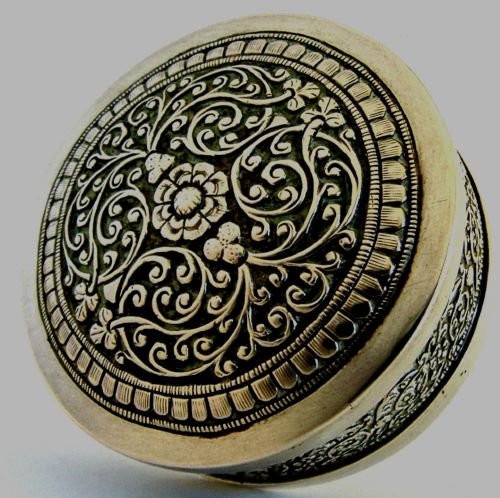
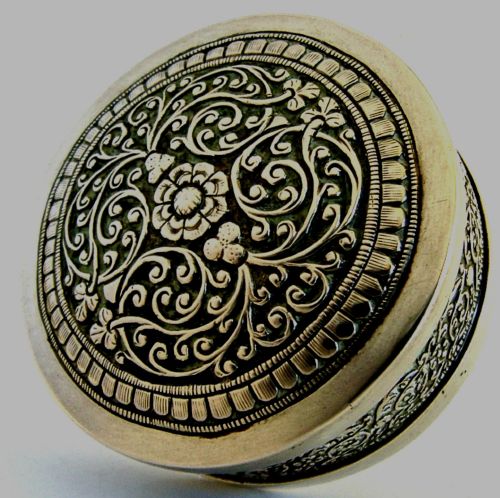
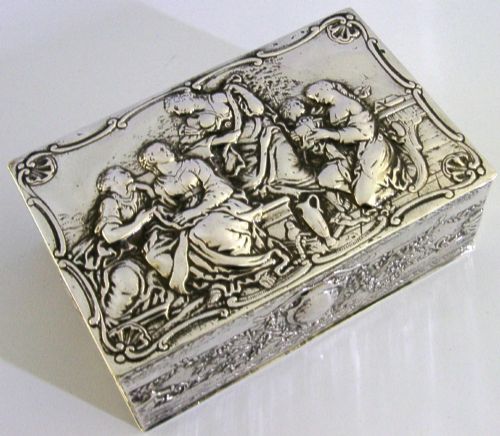
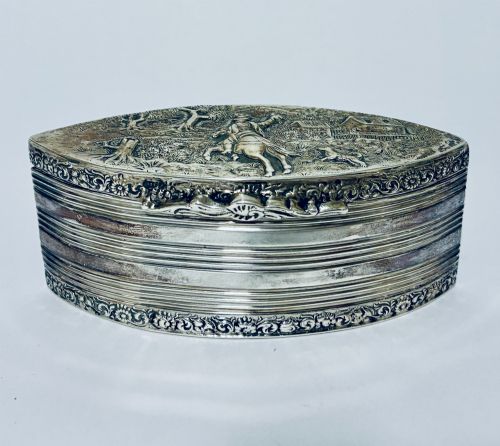
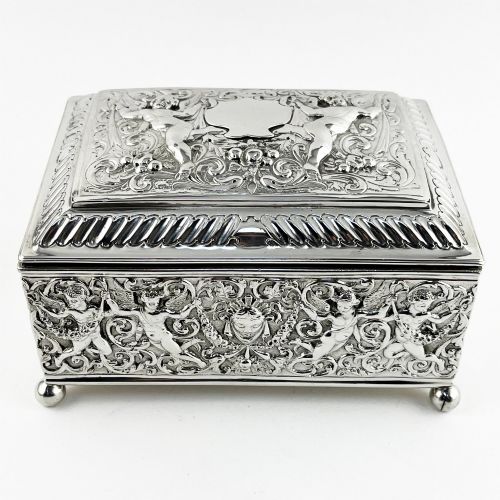
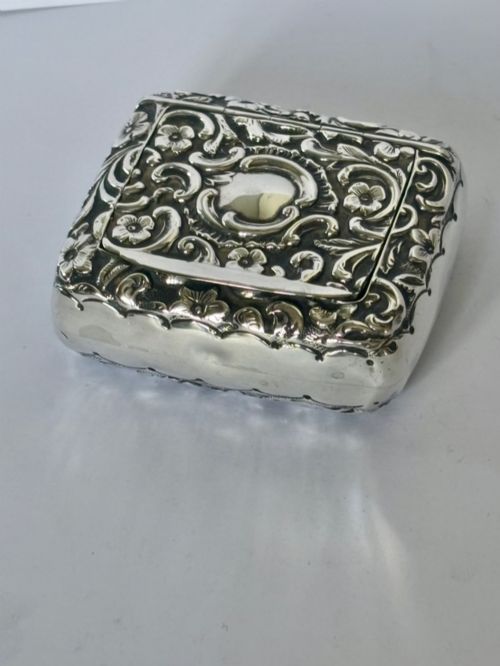
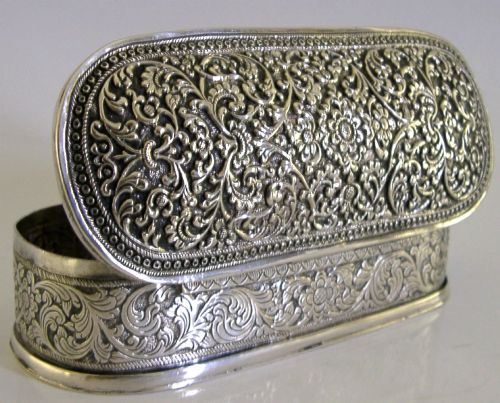
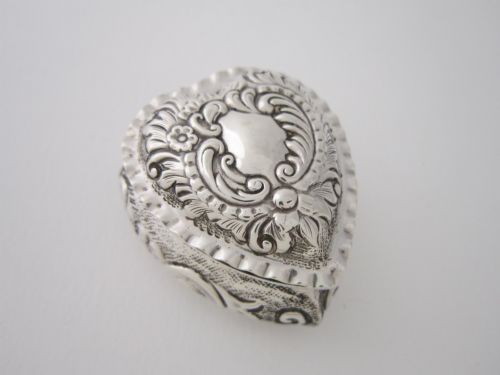
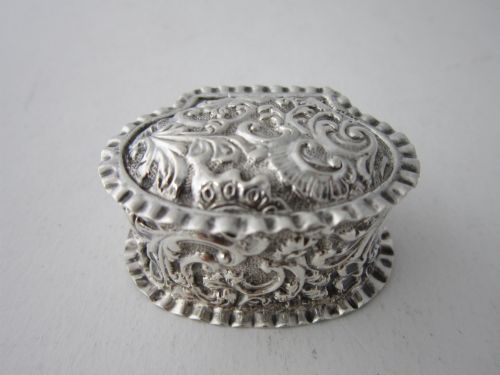
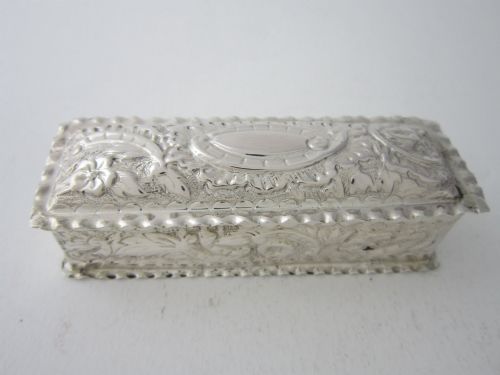
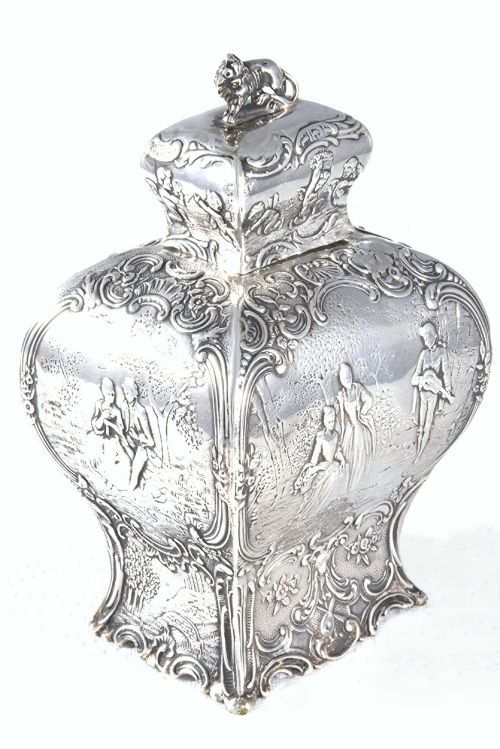
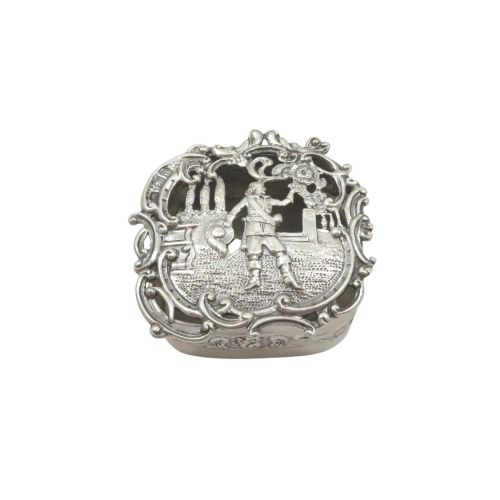
A victorian repousse silver box brings tactile depth to a dressing table through raised floral and scroll relief.
Victorian Repousse Silver Box
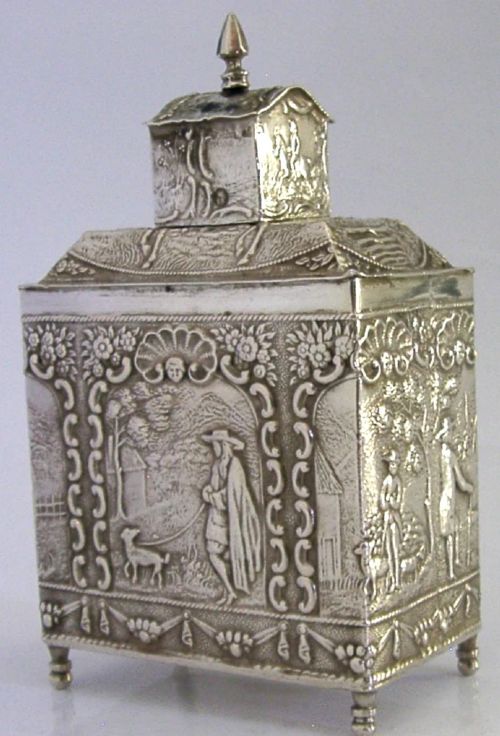
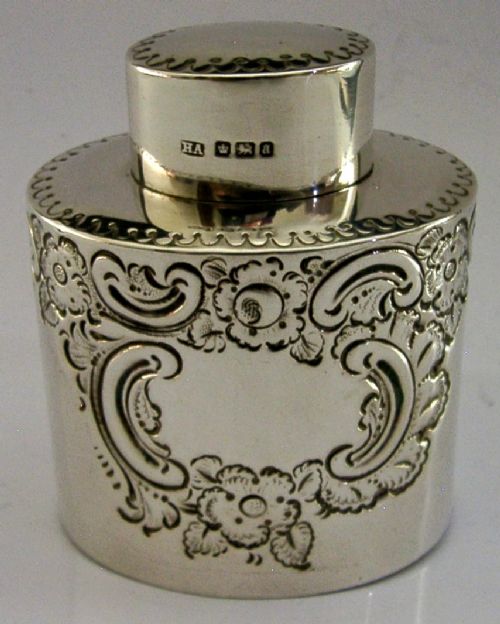
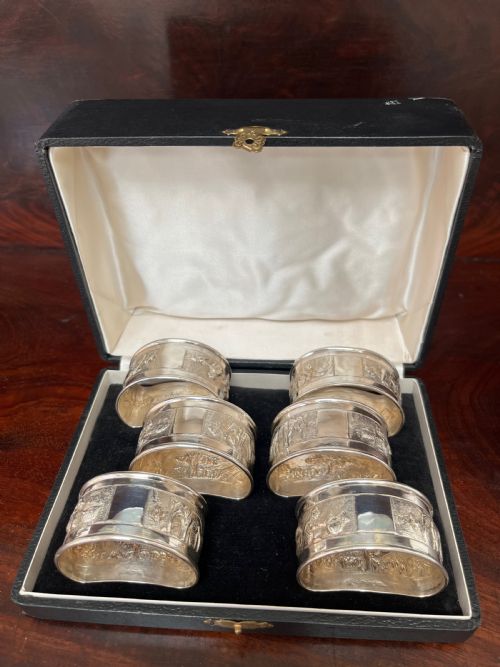
A victorian repousse silver box encompasses small personal containers designed to hold trinkets, jewellery, snuff, or tea leaves. The selections here include heart-shaped trinket dishes, tea caddies, card cases, and larger dressing table caskets originating from English, continental, and colonial workshops.
Most examples date from the late nineteenth century, spanning the Victorian and Edwardian periods, alongside Dutch, German Hanau, Indian Ceylon, and Ottoman pieces. These items serve both functional storage and decorative display purposes within domestic interiors.
Materials and Techniques
Constructed primarily from sterling or solid silver, these pieces frequently feature interior linings of velvet, silk, or leatherette, while some incorporate silver gilt surfaces. Certain examples pair solid silver bodies with cast elements or pierced openwork sections.
The defining repousse technique involves hammering and pushing the metal from the reverse side to form raised floral, scroll, or figural motifs on the lid and sides. This process yields a high-relief surface texture distinct from flat engraving.
Geographic origins span English provincial towns, London, Dutch workshops, German Hanau, and Indian Ceylon colonial production.
Judging Quality and Execution
Quality rests upon the crispness and depth of the hammered relief work, distinguishing softly worn motifs from sharply detailed repousse ornamentation. The thickness of the silver gauge and the structural integrity of hinged lids further divide standard utility boxes from substantial display caskets.
Interior execution also marks differentiation, where intact velvet or silk linings and gold-washed gilt interiors preserve the original character of the piece. Maker marks and clear hallmarks add historical definition to the construction.
Henry Matthews·A & J Zimmerman Ltd·William Comyns
The Victorian Repousse Silver Box Glossary
- Repousse
- A metalworking technique where the design is hammered into relief from the reverse side. This method creates three-dimensional surface decoration on boxes and caskets.
- Sterling Silver
- An alloy of silver containing 92.5 percent pure silver by mass and 7.5 percent other metals, usually copper. This standard composition defines most British boxes from the period.
- Silver Gilt
- Silver that has been plated with a thin layer of gold on its surface. This treatment provides a warm golden interior finish to trinket and snuff containers.
- Tea Caddy
- A small container designed for storing tea leaves before brewing. These boxes often feature secure lids and heavy silver construction.
- Castle Top
- A specialised style of box featuring a detailed architectural engraving or casting of a specific building or landscape on the lid.
Victorian Repousse Silver Box: Frequently Asked Questions
What were silver boxes used for?
These containers held personal valuables, including rings, pins, calling cards, and loose tea leaves. Their varied sizes accommodated different domestic storage needs.
Smaller boxes rested on dressing tables or desks for daily access, while larger caskets secured more substantial collections of jewellery.
How do I clean a silver box?
Maintenance requires gentle dusting and occasional cleaning with a specialised silver cloth to preserve the raised repousse details. Harsh chemical dips should be avoided, particularly on pieces with velvet or silk linings.
Preserving the natural patina enhances the visual depth of the hammered patterns over time.
How can I date a silver box?
Dating relies heavily on hallmarks stamped into the metal, which indicate the assay office, the specific year letter, and the maker's mark. Style indicators like Rococo Revival scrolls or Edwardian proportions also point to specific decades.
Comparative analysis of the construction technique and lining materials helps narrow down unmarked or foreign pieces.
Are these boxes made of solid silver?
The inventory includes items marked as sterling silver, solid silver, and silver gilt, alongside occasional silver-plated pieces. Hallmarks on British items confirm the specific metal standard used by the silversmith.
Foreign items often display regional purity marks denoting their silver content.