





Victorian Refectory Dining Table
A victorian refectory dining table brings robust timber and generous proportions to the room, offering an enduring surface built for gathering.
Victorian Refectory Dining Table
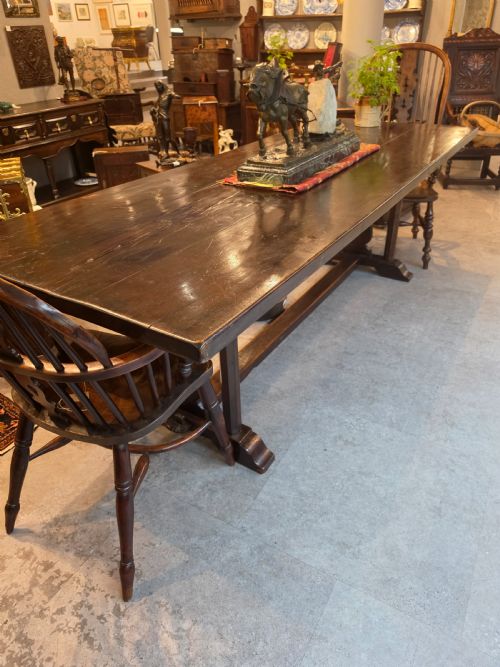
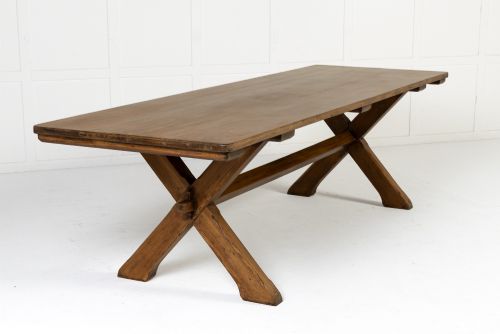
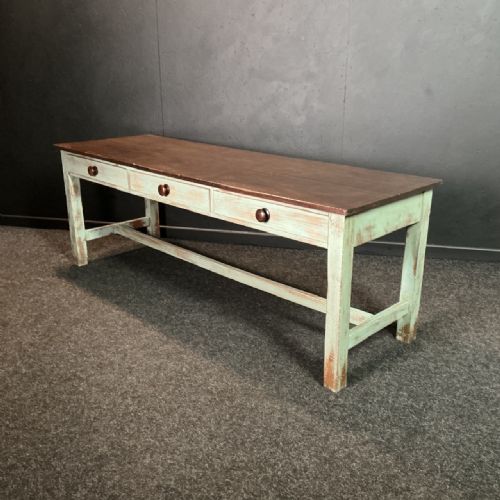
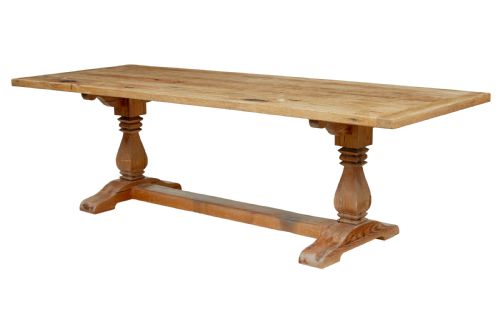
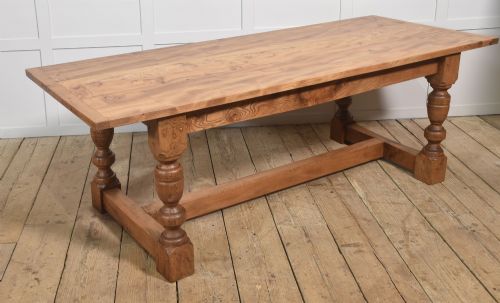
A victorian refectory dining table is a long, substantial board designed for communal meals, drawing inspiration from medieval monastic halls while employing nineteenth-century construction methods.
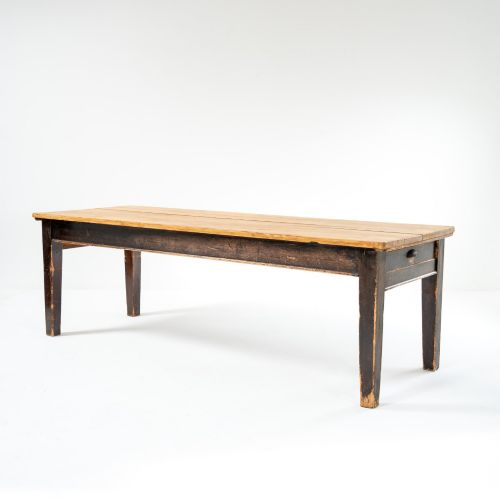
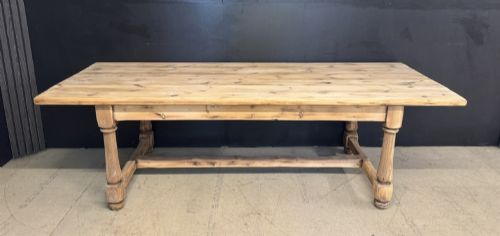
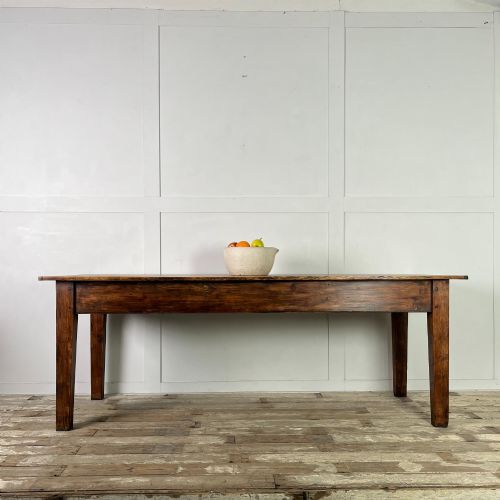
The versions most frequently met on this page combine sturdy wooden planks with straightforward stretchers, reflecting the practical domestic and farmhouse requirements of the period.
Many examples span several feet to seat large numbers, utilising resilient native timbers that show the natural wear of daily use.
Materials and construction
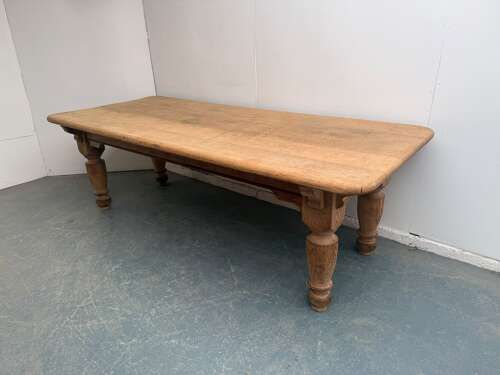
Cabinet makers relied heavily on oak and pine, selecting sturdy hardwoods for heavy-wearing tops and softer conifers for structural framing or scrub-top surfaces.
Joinery methods involved thick stretcher bases, pegged joints and heavy plank construction to ensure long-term stability across extended lengths of timber.
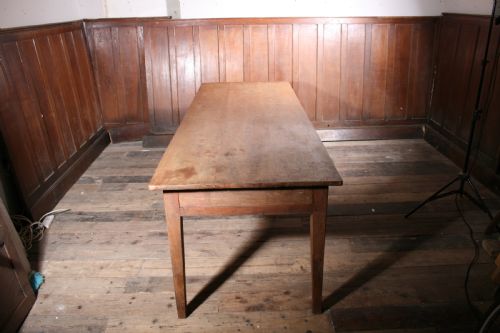
Surface treatments range from waxed finishes to natural scrubbed timber that endured repeated scrubbing in busy kitchens.
Victorian Refectory Dining Table Retail Price Guide 2026
Typical asking prices for victorian refectory dining table among the pieces listed under this phrase on Sellingantiques today, from the lower quarter to the upper quarter. They describe what is for sale here now, not the wider market.
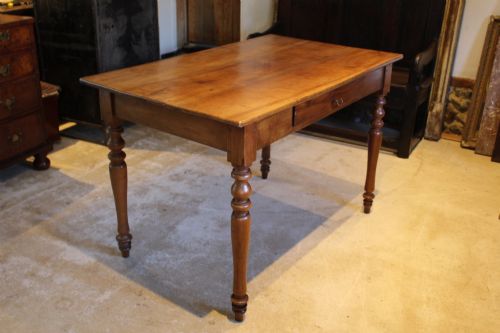
One particularly spirited kitchen table arrives equipped with a secret side drawer, no doubt once hiding stray butter knives from sticky fingers.
Distinguishing quality
Quality rests upon the selection of timber, where tightly grained oak or well-seasoned pine displays superior structural integrity compared to utilitarian alternatives.
The proportion of the base relative to the top determines the visual balance, with finer examples exhibiting thoughtful carved detailing or well-turned supports rather than purely basic assembly.
The Victorian Refectory Dining Table Glossary
- Refectory table
- A long dining table historically used in monasteries for communal dining, adapted during the nineteenth century into robust domestic forms.
- Scrub top
- A bare wooden tabletop designed to be vigorously scoured clean with soap and water after kitchen preparation.
- St stretcher
- A horizontal beam connecting the legs of a table near the floor to provide structural rigidity.
- Pitch pine
- A resinous, durable pine variety prized for its distinct grain pattern and strength in heavy furniture.
- Planked top
- A surface constructed from two or more parallel boards joined together rather than a single wide sheet of timber.
Victorian Refectory Dining Table: Frequently Asked Questions
How many people do these tables seat?
Capacities vary widely depending on the length of the boards, ranging from intimate six-seater models up to exceptionally long formats capable of accommodating twelve or more diners.
The absence of cumbersome central pedestals often allows chairs to be positioned freely along the entire stretch of the side rails.
Are these tables suitable for everyday family use?
Built originally for heavy domestic or kitchen duties, these pieces handle daily meals and gatherings with ease.
Their robust timber construction means existing marks and knocks simply add to the established character of the surface.
How do I identify the period of a refectory table?
Dating relies on examining the tool marks, timber selection, and construction techniques visible beneath the frame and along the underside of the top.
While many nineteenth-century examples incorporate earlier stylistic revivals such as Gothic or Jacobean details, the underlying assembly methods typically reflect Victorian workshop practices.
What is the difference between a farmhouse table and a refectory table?
The terms often overlap in nineteenth-century pieces, though refectory tables traditionally emphasise a longer, narrower format supported by strong floor-level stretchers.
Farmhouse variants frequently include functional side drawers for cutlery and utility storage.