


Victorian Recamier Couch
A victorian recamier couch offers reclining elegance, bringing nineteenth-century seating shaped for lounging into modern spaces with undeniable presence.
Victorian Recamier Couch
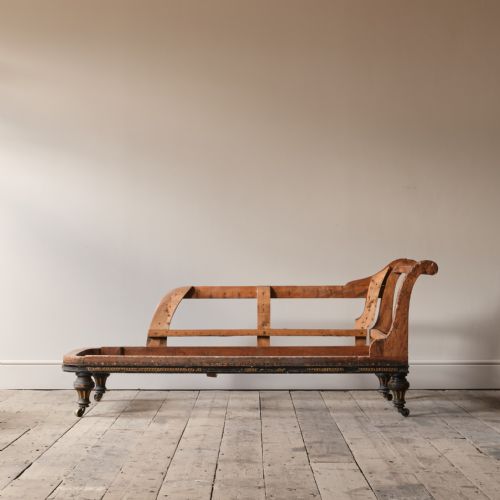
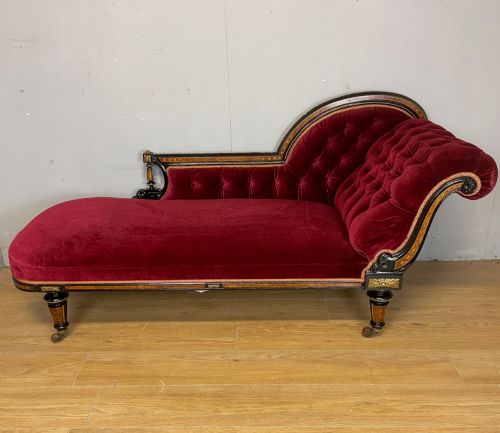
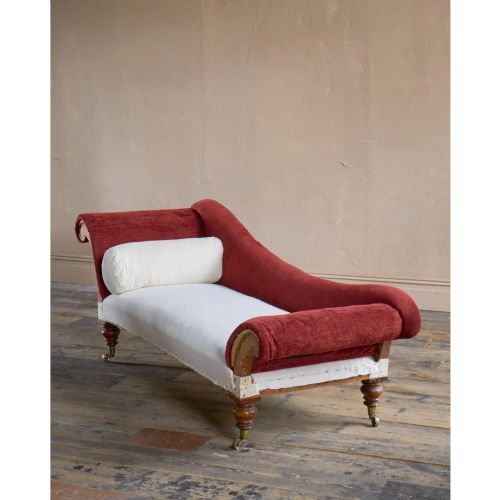
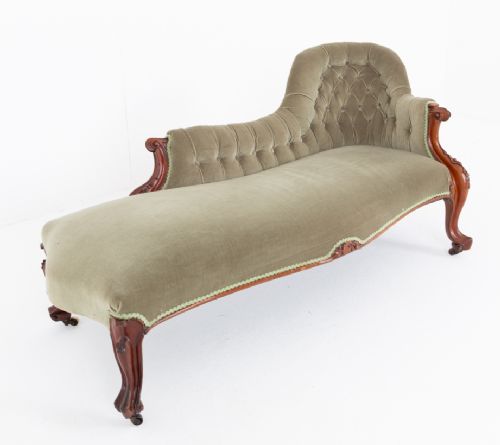
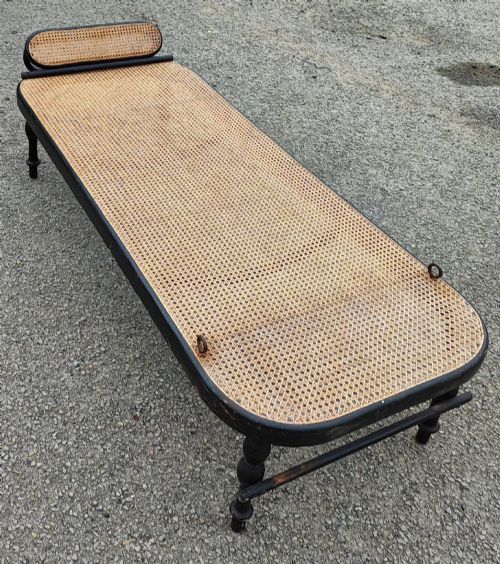
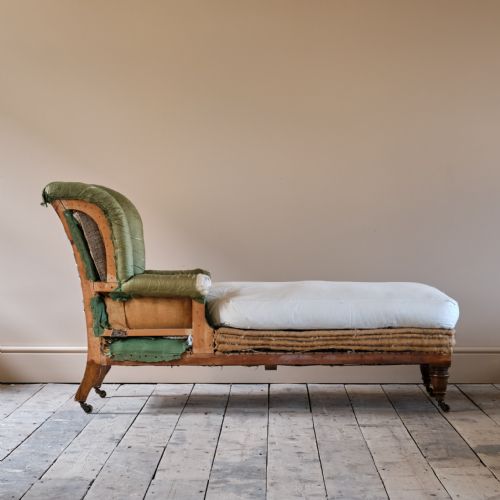
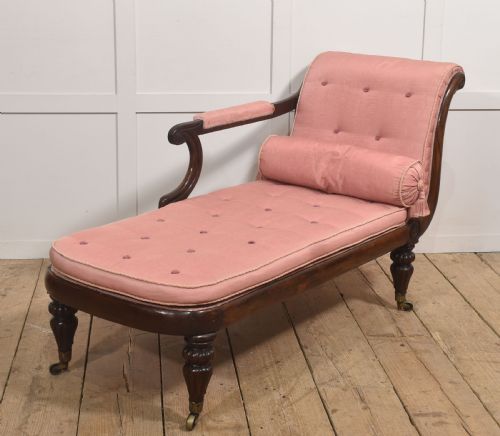
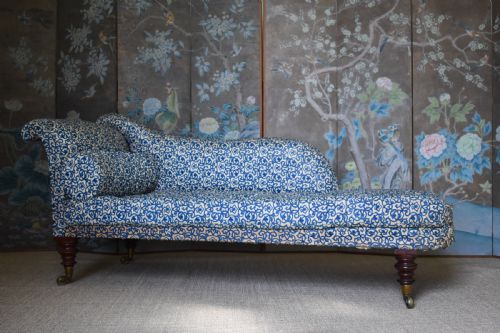
A victorian recamier couch bridges the gap between a chair and a bed, functioning as a sophisticated daybed or chaise longue for nineteenth-century interiors. These pieces take various forms, including grand scroll-ended frames and cane-seated day beds designed for resting.
The selections span the nineteenth century, including specific dates from the 1850s and 1860s alongside broader Victorian periods. Common styles represented alongside the Victorian baseline include William IV, Regency, and Napoleon III.
Makers such as Holland & Sons and Miles & Edwards appear among the listings, marking high workshop standards. Buyers encounter woods like mahogany, rosewood, walnut, and ebonised wood paired with upholstery ranging from velvet and blue damask to simple calico.
How They Were Made
Cabinetmakers utilised dense timbers such as solid Rio rosewood, mahogany, and walnut to construct sturdy frames capable of supporting elaborate carved details. Ebonised wood often received inlaid walnut panels and ormolu decoration to echo French taste.
Seating methods combined traditional frame webbing and springs with various textile coverings, including plush velvet, patterned damask, and woven cane panels. Brass fittings and detailed wood carving completed the structural ornamentation.
Listings feature nineteenth-century seating constructed from mahogany, rosewood, walnut, and ebonised wood, upholstered in velvet, damask, and calico.
What Varies in Quality
Quality rests in the crispness of the timber carving and the integrity of the underlying frame construction, especially around the scrolling backrest and joinery. Pieces carrying workshop attributions to makers like Holland & Sons display superior joinery and refined proportions.
The treatment of secondary materials, such as finely chased ormolu mounts, inlaid panels, and intact cane seating, separates standard production from exceptional examples. Original upholstery materials and supportive frame structures maintain historical integrity.
Holland & Sons·Miles & Edwards
The Victorian Recamier Couch Glossary
- Chaise longue
- A long chair for reclining, literally translating from French as long chair. These pieces combine a chair back with an extended seat for resting.
- Ormolu
- Gilded bronze ornamentation applied to furniture frames. This decorative technique adds metallic highlights to ebonised or mahogany woods.
- Ebonised wood
- Timber treated to resemble ebony, popular in nineteenth-century cabinetmaking. This dark finish frequently highlights inlaid panels.
- Damask
- A reversible figured fabric used for upholstery. Blue damask appears on nineteenth-century pieces to provide patterned texture.
- Cane seating
- Woven plant material forming a supportive seat base. This technique appears on day beds and open-framed seating.
Victorian Recamier Couch: Frequently Asked Questions
How do I place a victorian recamier couch in a room?
Position the couch where the scrolling backrest can be viewed in profile, often floating away from the wall to showcase the carved timber frame.
Allow enough clearance around the extended seat to maintain the open flow of the interior space.
How do I identify a William IV style piece?
William IV furniture from the early nineteenth century displays heavy, robust proportions with bold mahogany or rosewood grains.
Carved scrolls and architectural motifs frequently define the structural woodwork of this period.
What woods were commonly used?
Cabinetmakers relied on rich hardwoods including mahogany, walnut, and rosewood for their durability and deep natural grain patterns.
Ebonised finishes also appeared, often paired with contrasting inlaid panels.