



Victorian Pottery Statuette
A victorian pottery statuette captures the character of the nineteenth century through glazed earthenware and porcelain figures of famous names, animals, and folk scenes.
Victorian Pottery Statuette
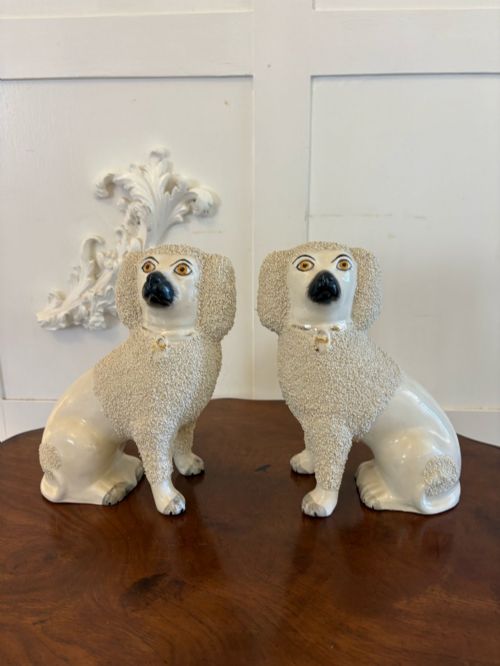
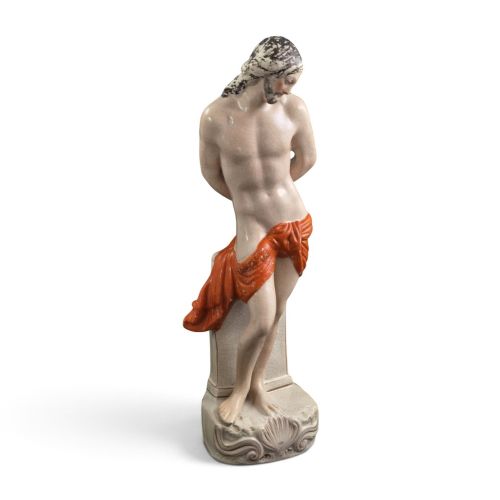
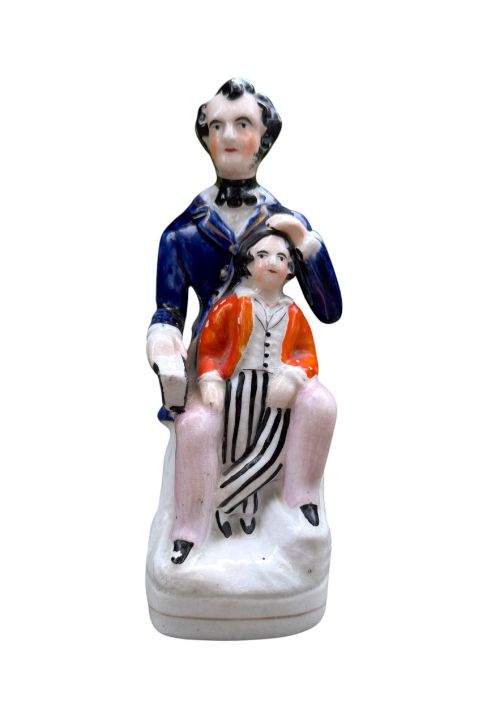
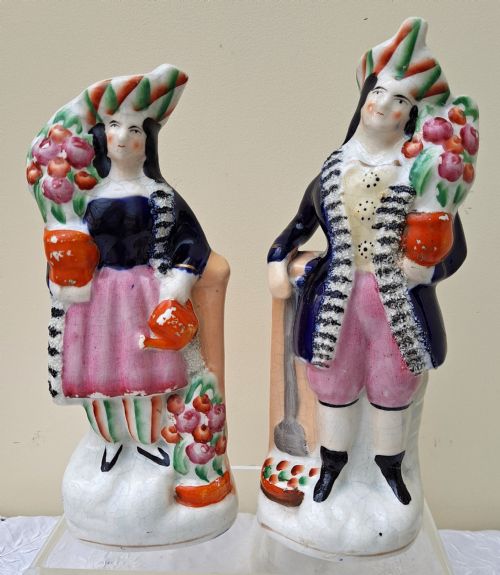
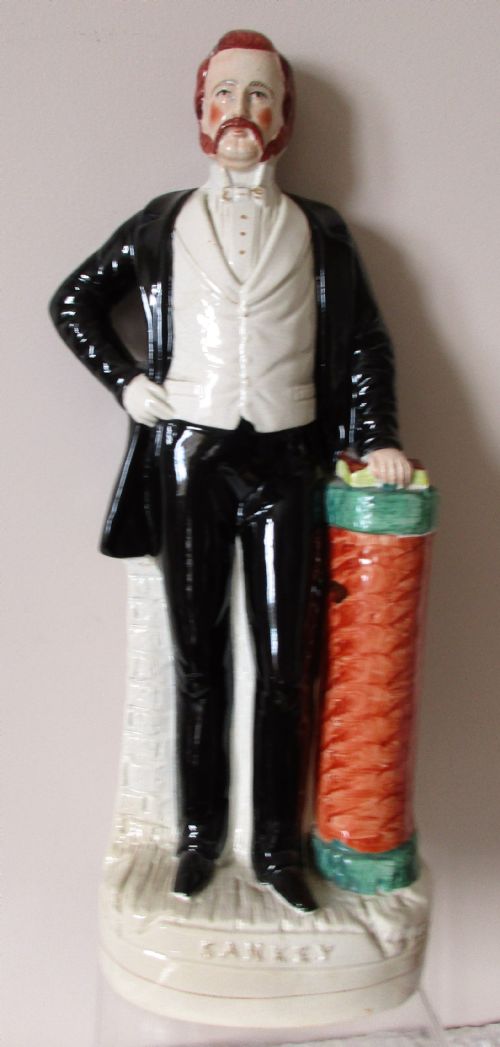
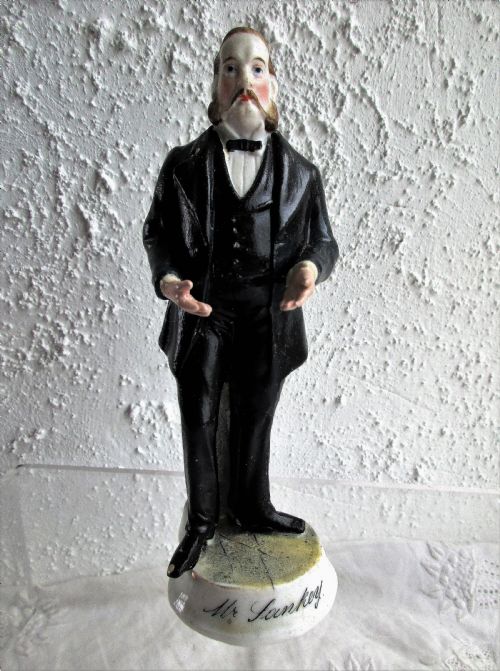
A victorian pottery statuette most often takes the form of a Staffordshire figure, depicting notable public figures, military leaders, literary characters, and domestic animals. These ornamental pieces range from single portrait subjects like Lord Shaftesbury and Benjamin Franklin to dramatic figure groups such as Peace and Plenty or Tam O'Shanter.
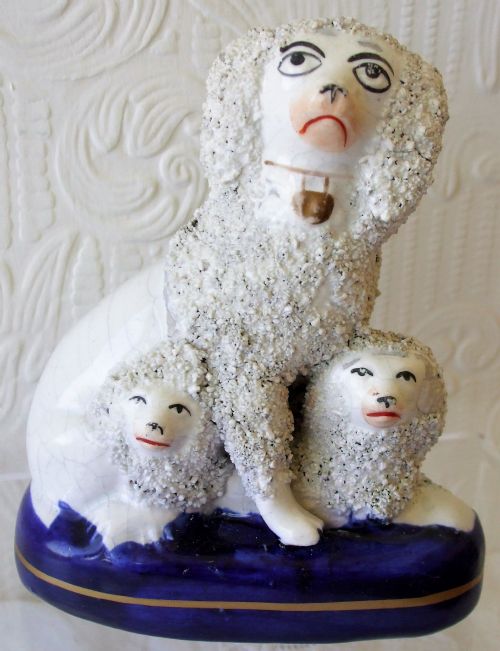
Buyers encounter flatback figures designed to stand against a mantelpiece wall, alongside fully modelled pairs of poodles, lions, and gardeners. The selection spans standard earthenware and porcelain iterations produced throughout the nineteenth century.
Subjects stretch from royalty and patriots like Prince Albert and Garibaldi to theatrical personalities and narrative scenes including Little Red Riding Hood. Regional European works, such as Dutch Art Nouveau pottery, also appear within the selection.
Earthenware, glaze, and enamel
Makers shaped these pieces primarily in earthenware and porcelain, utilising slip casting or moulding techniques to form the bodies of the figures. Artisans then applied lead glaze to seal the ceramic surface before adding colour.
Benjamin Franklin unexpectedly masquerades as George Washington on at least one nineteenth-century Staffordshire figure.
Modelling depth and painted detail
Quality rests upon the crispness of the original moulding and the precision of the hand-painted enamel work. Finer examples display carefully delineated facial expressions and distinct costume details rather than hasty, broad brushstrokes.
The weight and presence of the ceramic body also distinguish the tier of production, with larger, more substantial figures and well-matched pairs representing the upper range of nineteenth-century output.
Rozenburg
The Victorian Pottery Statuette Glossary
- Flatback
- A Staffordshire figure modelled with a finished front and sides, while the rear remains flat and unadorned because it was intended to stand against a wall. This style became standard for mantelpiece decoration in the nineteenth century.
- Earthenware
- A porous ceramic body fired at lower temperatures, commonly used for the majority of Staffordshire pottery figures. It requires a glaze to render it waterproof.
- Enamel paint
- A glossy, vitrified paint applied over the glaze of a fired ceramic piece and refired to fuse the colours to the surface. It provides the vibrant reds, blues, and blacks seen on portrait figures.
- Lead glaze
- A glassy coating containing lead oxide applied to earthenware before firing to produce a smooth, shiny, and protective surface. It deepens the colour of the underlying ceramic body.
Victorian Pottery Statuette: Frequently Asked Questions
What is a flatback figure?
A flatback figure is a Staffordshire ceramic piece designed with a detailed front and sides, while the back is left flat. This construction allowed the ornament to sit flush against a cottage mantelpiece or wall.
Potters utilised this method to save on materials and weight for larger decorative subjects, making them stable freestanding objects.
Who do these figures depict?
The subjects include British royalty, military commanders, politicians, and literary figures from the nineteenth century. Common examples feature figures like Prince Albert, Benjamin Franklin, and General Charles George Gordon.
Animal pairs such as poodles, lions, and whippets also appear frequently, alongside characters from folk tales and theatrical performances.
Are these pieces made of porcelain or earthenware?
The majority of these statuettes consist of earthenware, a robust ceramic material finished with a shiny lead glaze. A smaller portion of the figures utilise porcelain.
Both materials served as bases for hand-painted enamel decoration depicting historical events, portrait subjects, and domestic animals.