





Victorian Pottery Stand
A victorian pottery stand brings robust utility and sculptural presence to a room, holding everything from heavy cheese domes to tall walking sticks.
Victorian Pottery Stand
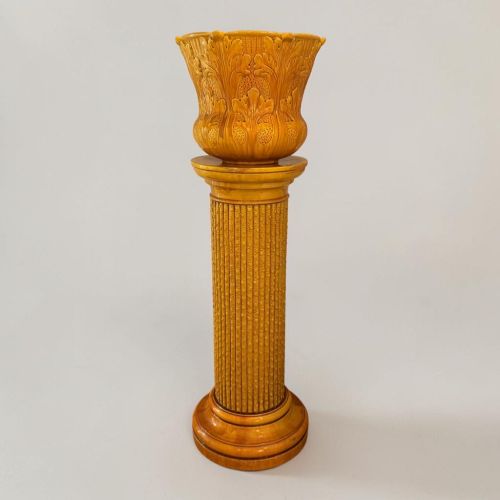
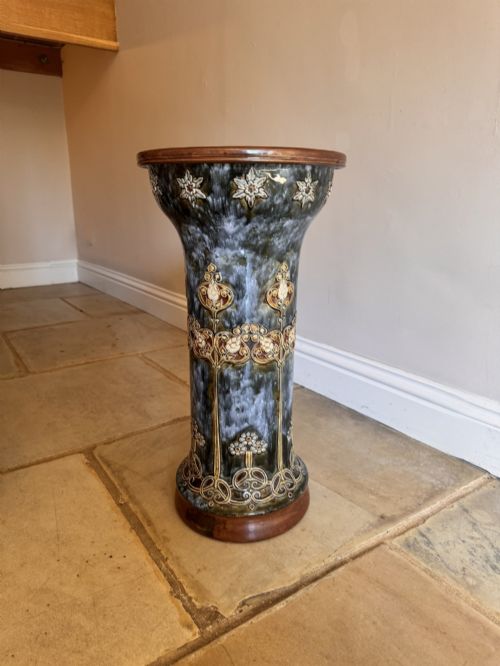
A victorian pottery stand encompasses a diverse group of ceramic objects designed for specific domestic duties, spanning sturdy umbrella receptacles, grand jardinieres on pedestals, and compact desk accessories. These pieces originate primarily from the nineteenth century, reflecting the industrious output of Staffordshire potteries and specialised art pottery kilns.
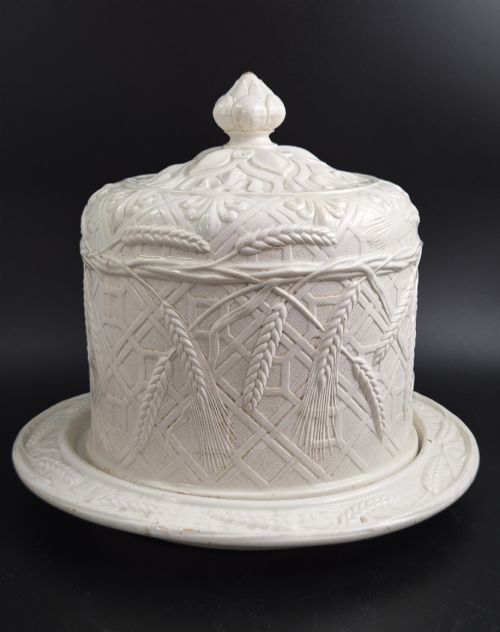
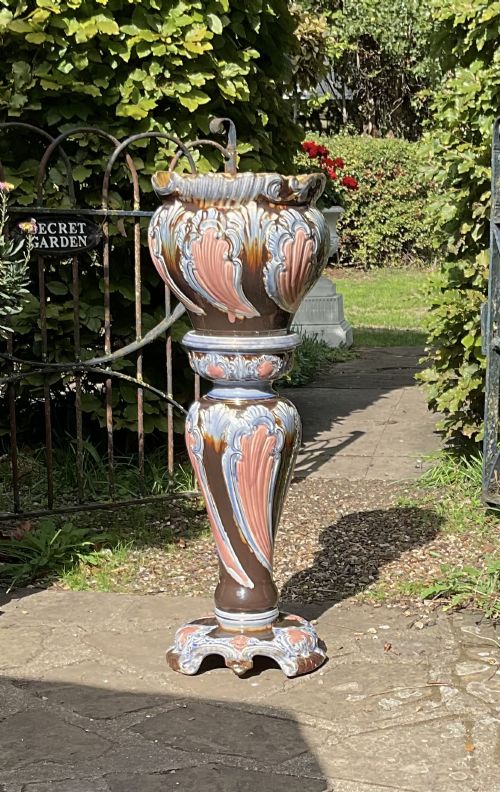
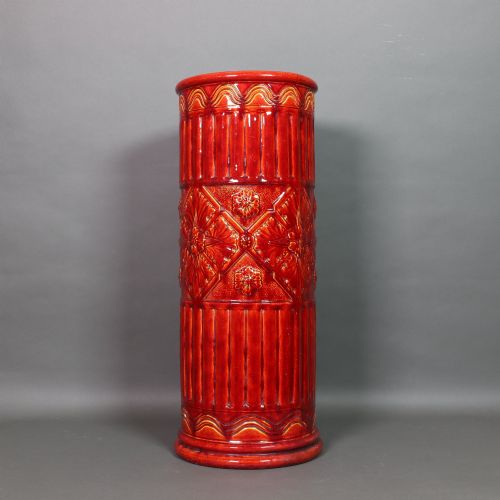
Buyers will most frequently encounter umbrella and stick stands alongside large majolica plant pedestals and fitted cheese domes on stands. The aesthetic variety ranges from bold earthenware animal figures to intricate aesthetic movement and arts and crafts glazed designs.
Judging Quality
The distinction between ordinary utility wares and exceptional exhibition pieces rests upon the crispness of the moulded relief and the depth of the glaze. Master modellers achieved sharper anatomical details in animal figures and more harmonious colour blending in majolica glazes.
Structural integrity and the survival of matching components define the better specimens. Complete sets comprising both a jardiniere and its original matching pedestal, or a cheese dome paired with its correct base, command greater appreciation.
Victorian Pottery Stand Retail Price Guide 2026
Typical asking prices for victorian pottery stand among the pieces listed under this phrase on Sellingantiques today, from the lower quarter to the upper quarter. They describe what is for sale here now, not the wider market.
The listings show substantial representation of nineteenth-century earthenware, featuring majolica glazes, ironstone bodies, and saltglaze stoneware across multiple utilitarian forms.
Burmantofts Faience·Julius Dressler·James Dudson·Clement Massier
The Victorian Pottery Stand Glossary
- Earthenware
- Porous pottery fired at lower temperatures, requiring a protective glaze to hold liquids. This body forms the foundation of much nineteenth-century Staffordshire production.
- Majolica
- A heavy earthenware pottery covered with an opaque tin-lead glaze and brightly coloured metallic oxides. It became hugely popular during the Victorian era for ornamental jardinieres and cheese dishes.
- Ironstone
- A dense, durable type of ceramic patented in the early nineteenth century to bridge the gap between earthenware and porcelain. It frequently appears in heavy kitchen and dining wares.
- Saltglaze
- A vitreous coating created by throwing common salt into the hot kiln during firing, producing a pitted texture resembling orange peel. Stoneware treated this way resists moisture effectively.
- Creamware
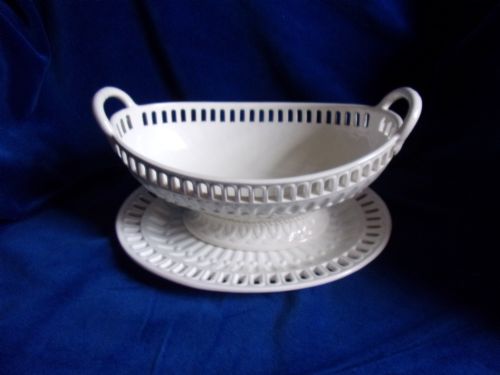
- A refined earthenware possessing a pale cream-coloured lead glaze, developed during the eighteenth century and continued into the Victorian period. It offers a smooth surface suitable for painted decoration.
Victorian Pottery Stand: Frequently Asked Questions
What was a victorian pottery stand used for?
These ceramic stands served various utilitarian and decorative purposes around the Victorian home. They held heavy cheeses on dining tables, kept walking sticks and umbrellas orderly in hallways, or elevated potted plants.
Larger pedestal forms allowed greenery to catch the light in drawing rooms, while smaller desk versions accommodated inkwells and quill pens.
How do I clean a glazed ceramic stand?
Maintenance requires only gentle wiping with a soft, damp cloth to remove accumulated dust. Avoid harsh chemical cleaners or abrasive scouring pads that can damage historic glazes.
Particular care should be taken with majolica surfaces, as moisture left standing in unglazed interior rims can cause hairline crazing over time.
Are majolica jardinieres heavy?
Majolica jardiniere stands and plant pedestals are typically substantial and surprisingly heavy due to the thick earthenware bodies required to support large plants. This weight provides necessary stability against tipping.
When moving these pieces, support both the base and the upper bowl independently rather than lifting by decorative handles or rims.
How do I identify the period of a pottery stand?
Dating relies on observing stylistic markers such as aesthetic movement asymmetry, arts and crafts simplicity, or vibrant majolica colour palettes. Base markings, impressed registry marks, and maker stamps provide definitive clues.
Comparing the manufacturing technique and the type of earthenware body against known nineteenth-century production standards further clarifies the age.