
Victorian Portrait of Children
A victorian portrait of children captures domestic life with genuine charm, using oils, watercolours and silhouettes to preserve youth.
Victorian Portrait of Children
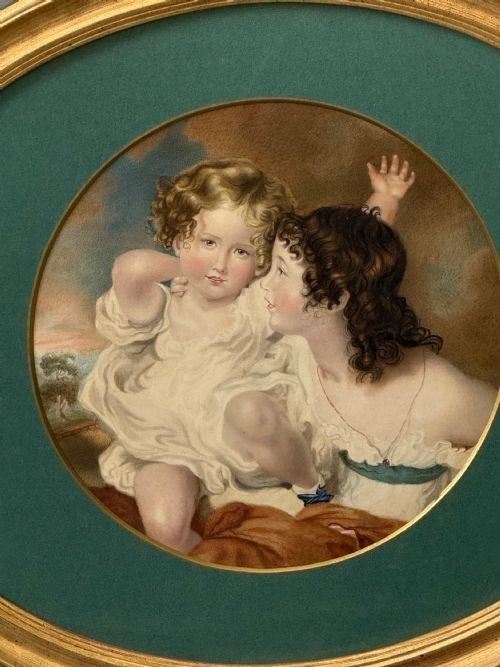
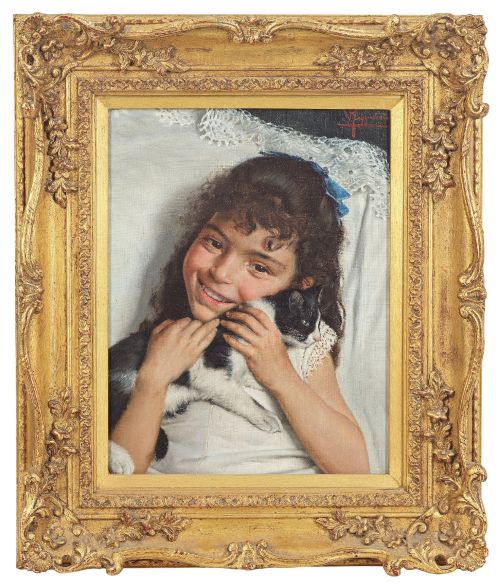
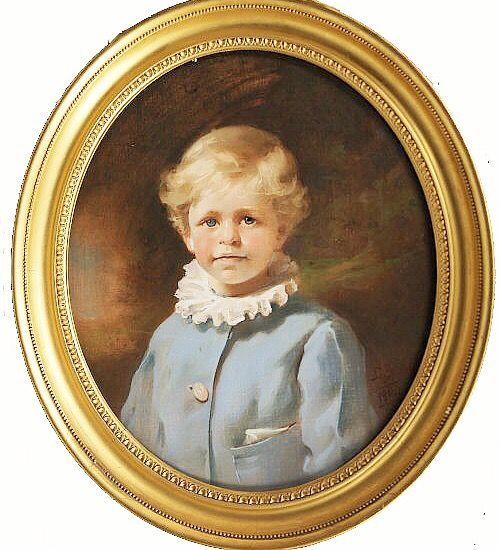
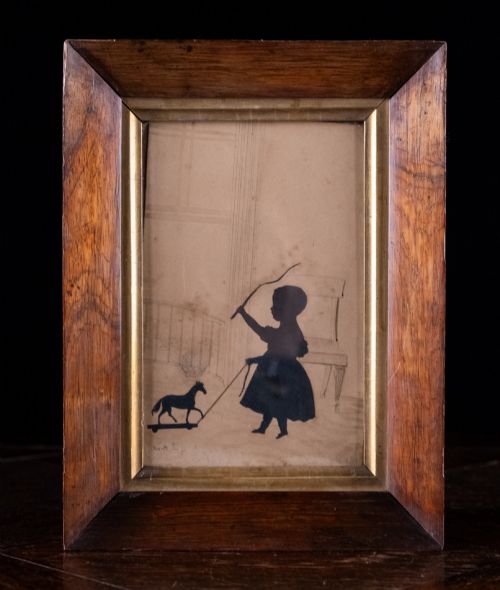
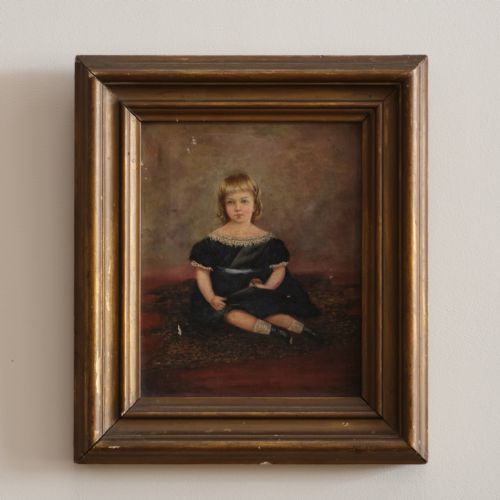
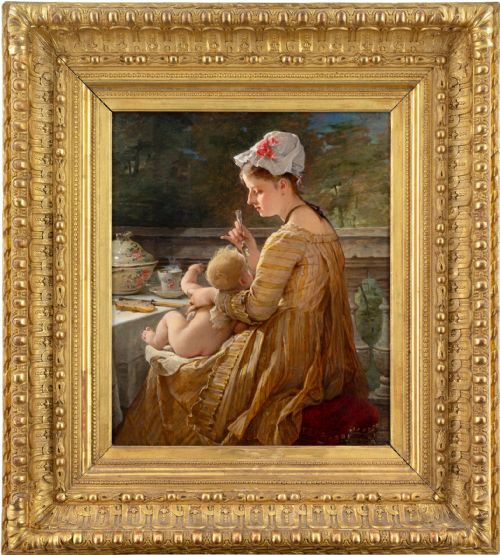
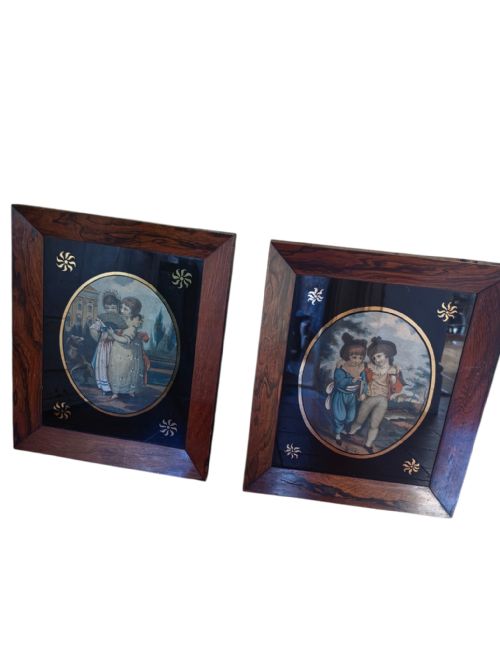
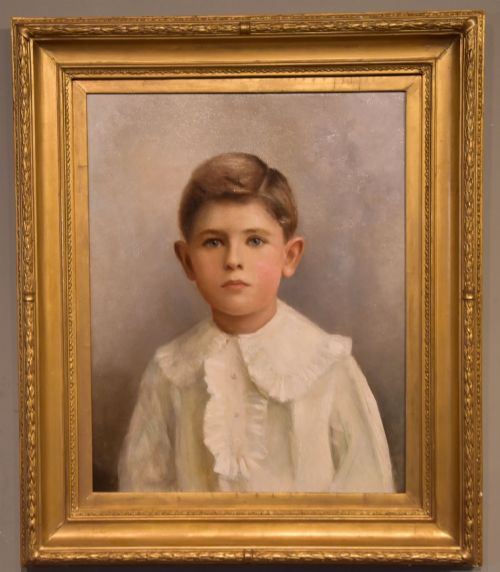
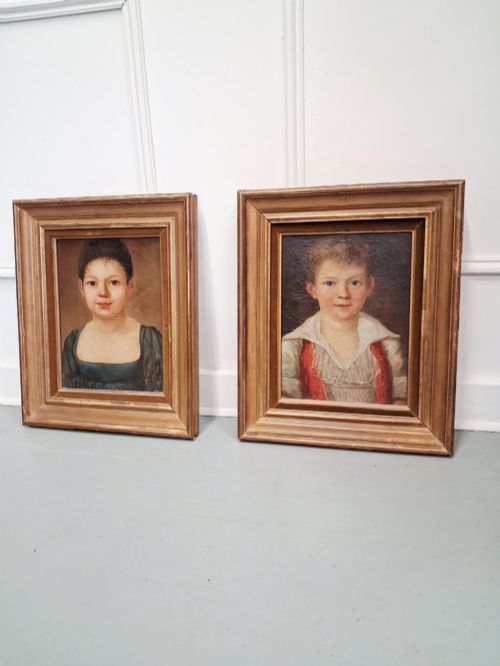
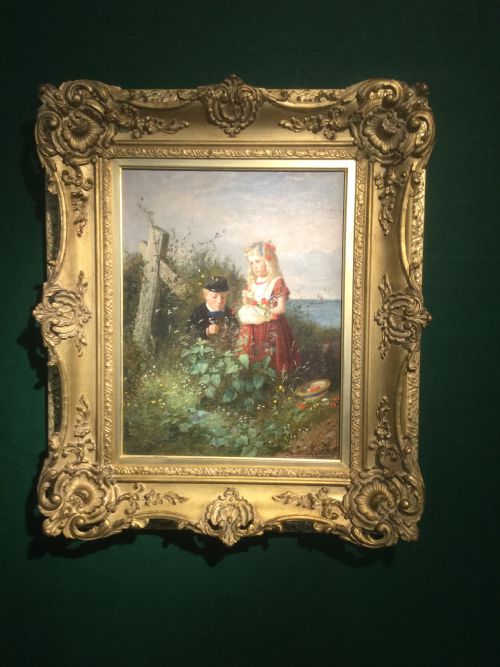
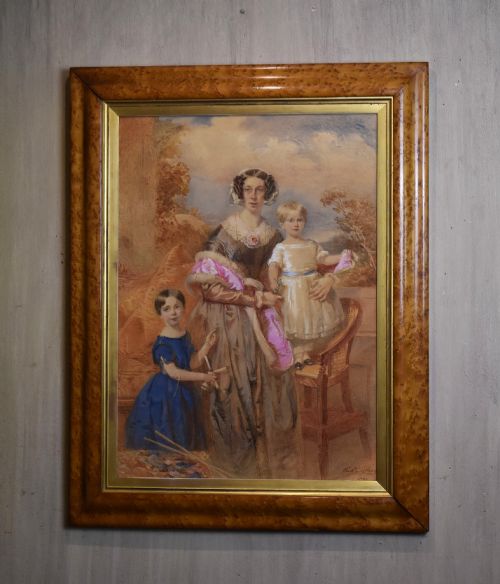
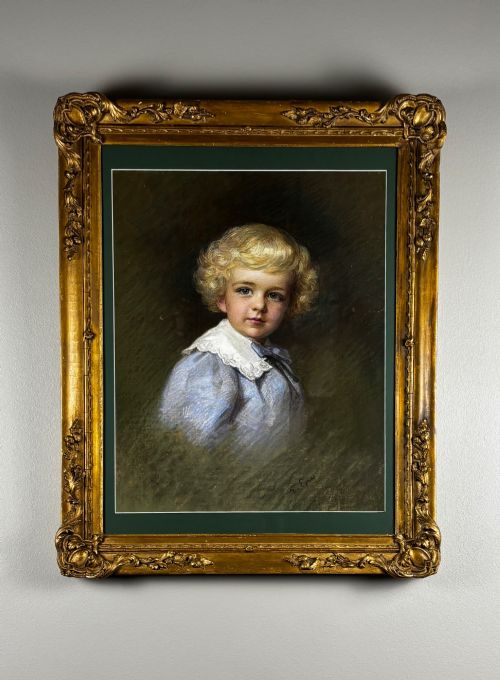
A victorian portrait of children encompasses various mediums including oil on canvas, watercolour, pastel, and paper silhouettes. These works depict young subjects singly or in groups, often accompanied by animals, toys, or architectural backdrops.
Most pieces seen here date from the nineteenth century, featuring styles that range from academic realism to naïve folk art. Buyers frequently encounter framed prints, miniatures, and original paintings from this period.
Subjects include siblings, royal children, and young boys or girls shown in domestic or rural settings. The depictions reflect the sentimental value placed on youth during the Victorian era.
Materials and Techniques
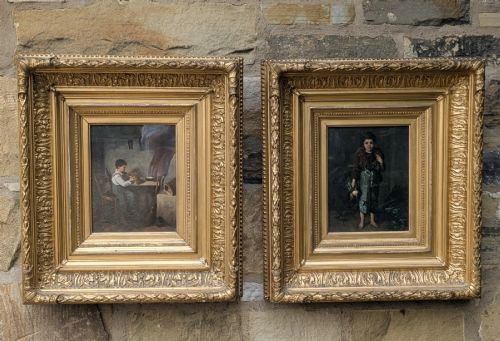
Artists painted primarily in oil on canvas or applied watercolour and pastel onto paper, sometimes utilising wood and glass for framing. Canvases are stretched over wooden frames and often housed in giltwood or ebonised surrounds.
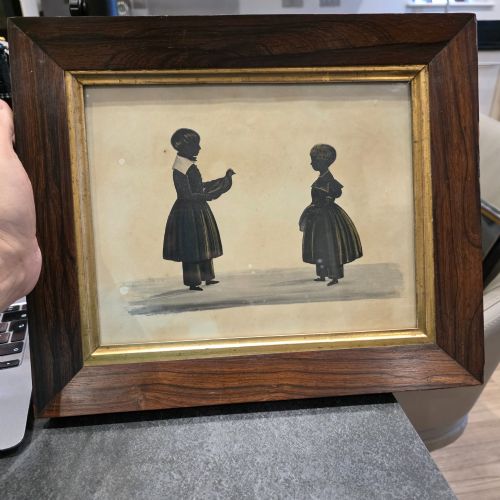
Silhouettes were created through cut paper techniques, sometimes enhanced with ink or pencil details. Miniature portraits required meticulous brushwork on small surfaces, frequently set into brooches or specialised frames.
Listings feature works spanning the nineteenth century, including Regency, Victorian, and Edwardian periods, rendered in oil, watercolour, and pastel.
Assessing Quality
Execution and anatomical proportion distinguish refined academic works from simpler folk art pieces. The subtlety of expression in the subject's face and the handling of fabric folds reveal the artist's competence.
The preservation of the original medium, whether paper, canvas, or pastel, affects the visual integrity. Original frames, particularly period giltwood or ebonised examples, contribute to the historical completeness of the piece.
Vittorio Reggianini·Augustin Edouart·Adelaïde Salles-Wagner·Frederick Tatham·Emily Eyres·George Bernard O'Neill·William Egley·John Alfred Wheeler
The Victorian Portrait of Children Glossary
- Silhouette
- A profile portrait cut from black paper or painted in solid dark pigment against a pale background. This technique was widely utilised before photography became common.
- Miniature
- A small-scale portrait painted with fine detail, often housed in a protective case or brooch. These items required specialised magnifying lenses to create.
- Naive
- An artistic style characterised by a childlike perspective and a lack of formal academic training. Perspective and proportion are often rendered intuitively rather than scientifically.
- Oleograph
- A mechanical print produced to imitate an oil painting, utilising lithographic techniques on textured paper. They gained popularity for reproducing artworks affordably.
Victorian Portrait of Children: Frequently Asked Questions
What mediums were used for these portraits?
Artists employed oil on canvas, watercolour, pastel, and cut paper. These materials reflect the standard artistic practices of the nineteenth century.
Framing materials also varied, featuring giltwood, rosewood, and ebonised wood alongside glass protection.
How do I identify folk art examples?
Folk art and naïve pieces display simplified perspectives and less rigid adherence to academic proportions. The charm lies in direct expression rather than technical realism.
These works often feature flat background details and straightforward portrayals of children and their pets.
Were these portraits painted from life?
Many portraits were commissioned by families to record the likeness of their children as they grew. Artists worked from direct sittings in studios or homes.
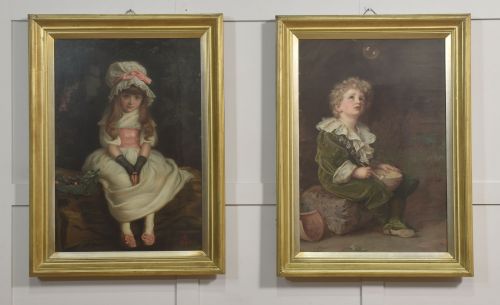
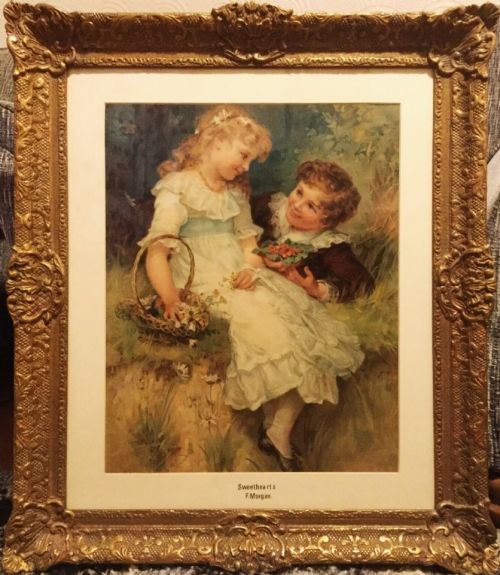
Some later or reproduction prints derived from original studio paintings by notable artists.
How should I care for a paper silhouette?
Paper silhouettes and watercolours require protection from direct sunlight to prevent fading. Framing behind conservation glass helps block ultraviolet rays.
Keeping the works away from damp environments preserves the integrity of both the paper and the original frame.