



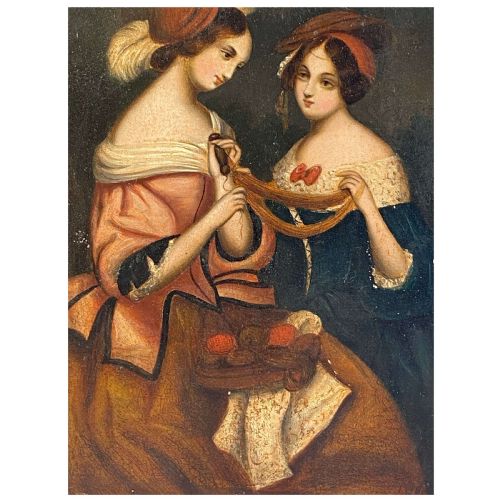


Victorian Double Portrait
A victorian double portrait brings two faces together in one frame, ring, or locket, offering a glimpse into nineteenth-century lives.
Victorian Double Portrait
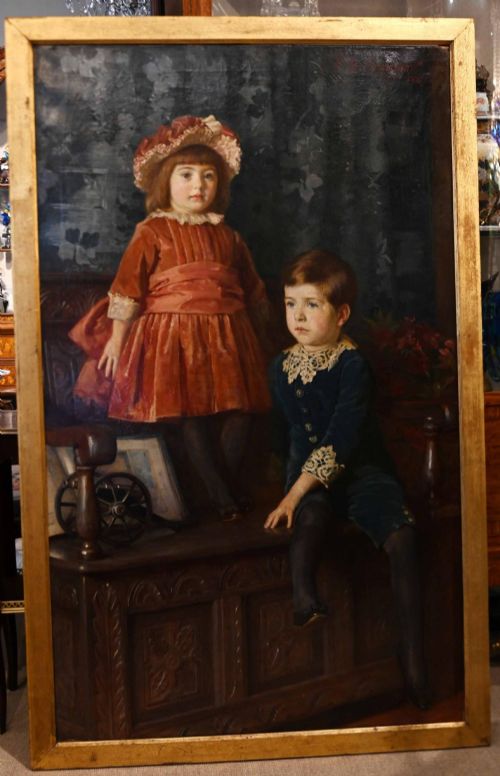
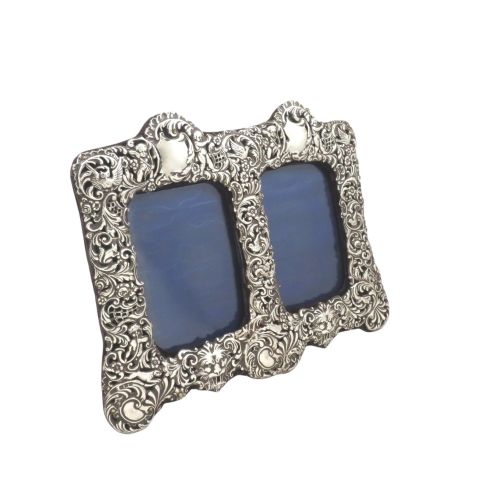
When you search for a victorian double portrait, you encounter a variety of formats designed to hold or depict two subjects side by side. These pieces range from oil paintings and watercolours to sterling silver photo frames and gold lockets.
The versions you are most likely to meet on this page span the nineteenth century, including works from the eighteen-eighties and eighteen-nineties. They appear as hinged metal frames, painted panels, and personal jewellery such as rings and lockets.
How they were made
Materials include sterling silver, brass, ormolu, and nine-carat gold alongside traditional supports like oil on canvas, zinc, paper, and glass. Craftsmanship relies on metalworking techniques such as casting and silver-plating, paired with fine miniature painting and sketching.
Frames often incorporate wooden elements, velvet linings, and glass top screw mechanisms, while jewellery utilises gold on silver settings and carved cameo relief.
Victorian Double Portrait Retail Price Guide 2026
Typical asking prices for victorian double portrait among the pieces listed under this phrase on Sellingantiques today, from the lower quarter to the upper quarter. They describe what is for sale here now, not the wider market.
Listings span the nineteenth century, featuring materials such as sterling silver, nine-carat gold, glass, and oil on canvas.
What varies in quality
Quality rests on the fineness of the artistic execution and the weight and finish of the surrounding metalwork. Hand-painted oil portraits signed by known artists stand apart from mass-produced prints.
In metalwork and frames, superior pieces show crisp casting detail in ormolu or brass, substantial sterling silver gauge, and secure hinges, whereas simpler items rely on plated finishes and lighter construction.
Hardy Brothers·FS Beaumont·Baden Powell
The Victorian Double Portrait Glossary
- Ormolu
- A gilded bronze or brass finish often used on nineteenth-century French and English decorative frames. It provides a bright, durable metallic sheen.
- Locket pendant
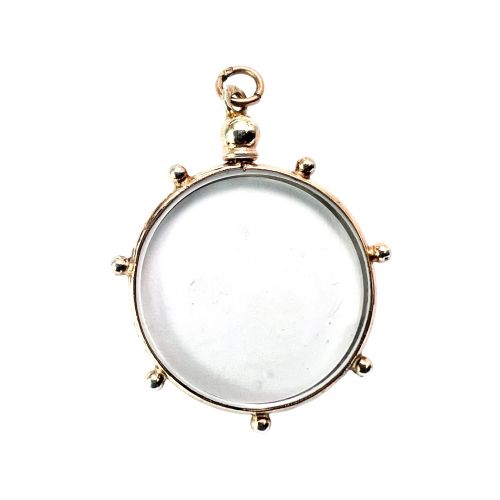
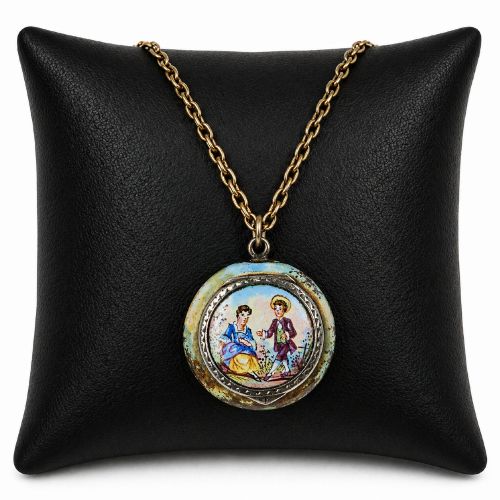
- A small hinged piece of jewellery worn on a chain, designed to hold two miniature portraits or locks of hair. These often feature glass tops and gold settings.
- Vanity Fair print
- A published caricature print from the late nineteenth or early twentieth century. These double-page prints depict notable figures of the era.
- Cameo ring
- A finger ring featuring a carved relief portrait, frequently set in nine-carat gold during the Victorian period. The carving typically contrasts two distinct colour layers in the stone or shell.
Victorian Double Portrait: Frequently Asked Questions
What materials were used for these double portraits?
Makers utilised a range of materials including sterling silver, nine-carat gold, brass, ormolu, and wood. Painted works use oil on canvas, zinc panels, paper, and glass.
Precious metals were typically reserved for portable items like lockets and photo frames, while structural pieces incorporated oak and velvet.
How were double photo frames used?
These frames sat upon desks, tables, or galleries to display two related photographs side by side. Their hinged designs allowed them to stand independently or fold for travel.
They served as domestic ornaments in Victorian parlours, keeping family members close in view.
How can I tell a Victorian frame from a later one?
Victorian frames often display hallmarks for sterling silver dating to the nineteenth century, or distinct casting methods in brass and ormolu. Construction details like hand-cut screws and old glass provide further clues.
Stylistic cues such as ornate floral repousse work or heavy gallery mounts also point to nineteenth-century manufacture.
What is a double-sided locket?
A double-sided locket contains glass or metal compartments on both faces to display two separate portraits or keepsakes. They were worn as pendants or set into rings.
These pieces allowed the owner to carry two distinct likenesses simultaneously against the skin.