






Victorian Porcelain Ware
Victorian porcelain ware brings the sculptural ambition of the nineteenth century into the home through biscuit figures, vases, and delicate jugs.
Victorian Porcelain Ware
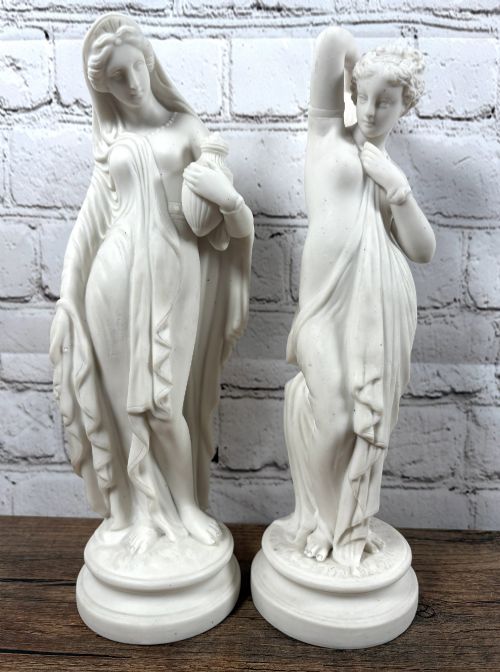
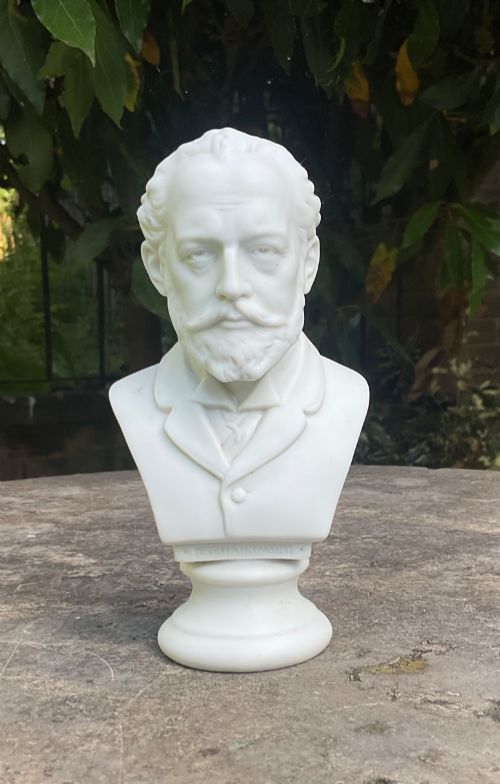
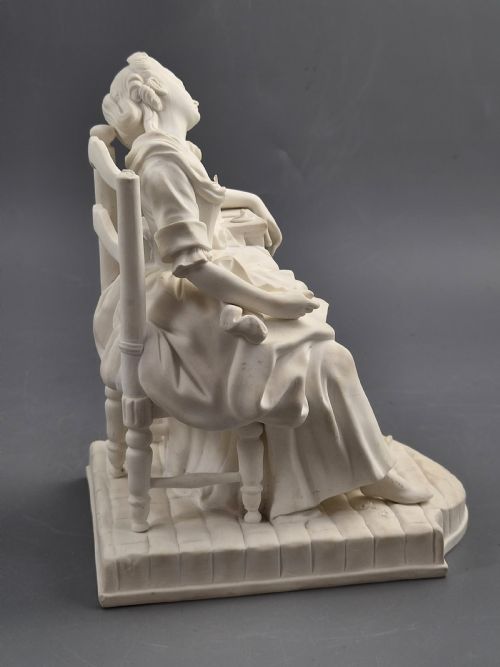
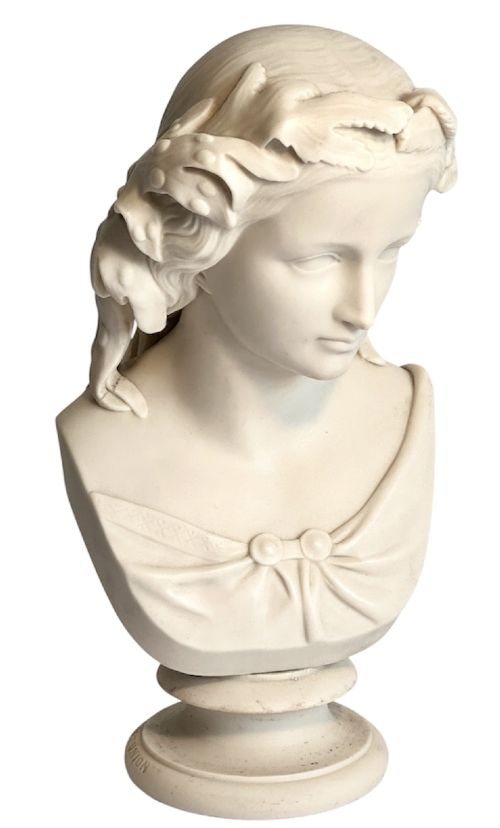
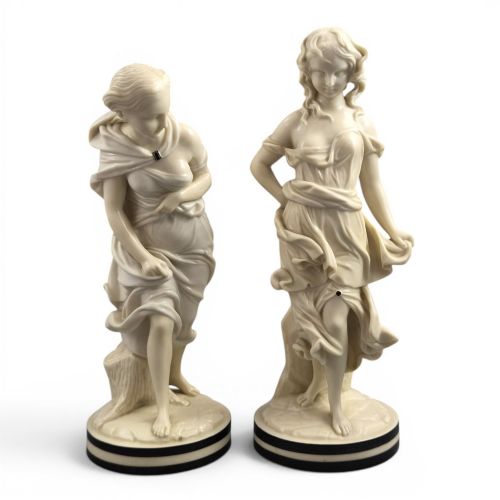
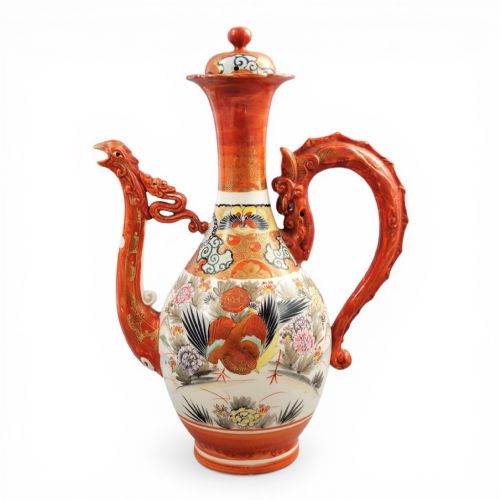
When you search for victorian porcelain ware, you encounter a diverse array of nineteenth-century objects spanning utility and pure display. The selection on this page is dominated by unglazed parian figures, classical busts, and decorative vessels originating from English potteries and international kilns.
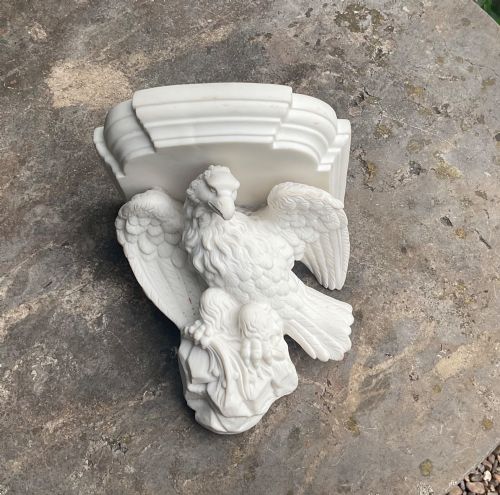
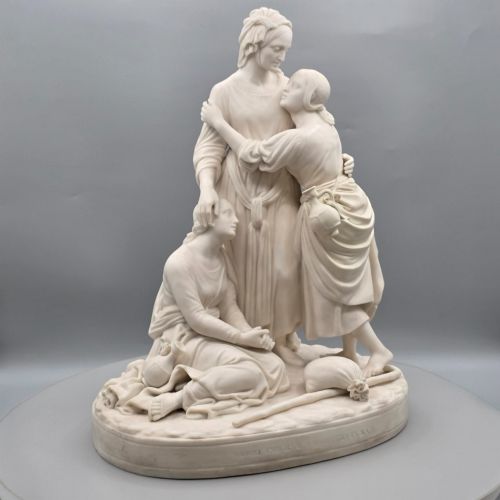
Figures and sculptural groups form a major part of the items available, depicting classical maidens, literary characters, and animals modelled with fine detail. Alongside these figural pieces sit utilitarian items such as biscuit barrels, ewers, and serving trays adorned with enamel and gilding.
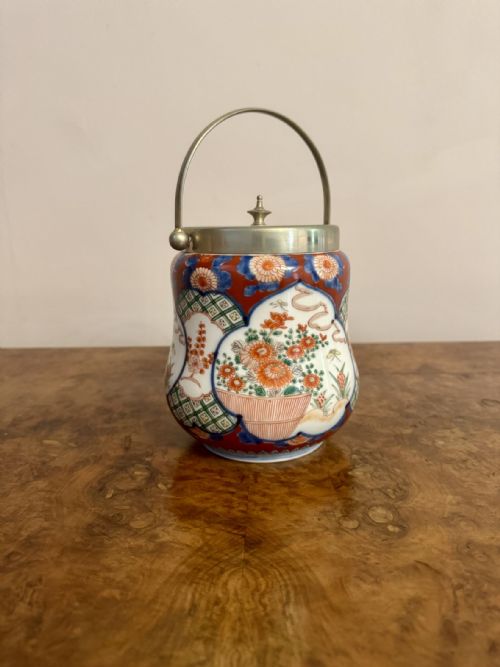
The aesthetic borrows heavily from neoclassical ideals, French chateau influences, and Japanese export styles like Imari and Kutani. This mix reflects the eclectic tastes of the nineteenth century, where traditional English ceramic bodies met foreign decorative motifs.
How they were made
The dominant material in this category is parian, a special porcelain composition developed to imitate carved marble without requiring a lead glaze. Manufacturers poured this slip into multiple-part moulds, allowing them to capture the fine drapery of clothing and the soft texture of human skin.
Other items utilise standard glazed ceramic bodies enhanced with hand-applied enamel colours and rich gilt highlights. Biscuit porcelain underwent high-temperature firing without glaze to achieve a matte, tactile finish that emphasised the underlying modelling of the sculptor.
Makers often collaborated with prominent sculptors to produce reduction models of public monuments and gallery statues for domestic display. This technique democratised fine art, bringing reduced-scale mythological and historical figures into middle-class drawing rooms.
Victorian Porcelain Ware Retail Price Guide 2026
Typical asking prices for victorian porcelain ware among the pieces listed under this phrase on Sellingantiques today, from the lower quarter to the upper quarter. They describe what is for sale here now, not the wider market.
Listings feature 19th-century parian porcelain, Japanese Imari and Kutani ceramics, and bisque figures from English and continental workshops.
What varies in quality
Surface finish also separates standard production pieces from exceptional works, particularly in parian ware where interior kiln marks and firing warps must be absent. Superior items display an even, ivory-like tone across the entire body without grey patches or staining from the manufacturing process.
The identity of the modeller or the producing pottery influences the standing of a piece within the market. Sculptures bearing the marks of established factories or named artists command attention for their sculptural fidelity and historical documentation.
Minton·Copeland·Royal Worcester·Carlton Ware·Wedgwood·Doulton Lambeth·Moorcroft Macintyre·Triebner Ens And Co
The Victorian Porcelain Ware Glossary
- Parian ware
- A fine-grained, unglazed porcelain developed in the mid-nineteenth century to resemble carved white marble. It contains a high proportion of feldspar, which vitrifies during firing to create a durable, matte body.
- Biscuits
- Unglazed ceramic ware that has been fired once in the kiln. This porous state allows for a smooth, matte exterior finish popular for decorative figures and busts.
- Imari
- A traditional Japanese style of porcelain characterised by a palette of underglaze blue, iron red, and added gold. Nineteenth-century makers frequently adopted these vibrant decorative schemes for vases and tableware.
- Ewer
- A large jug with a wide spout and curved handle, often used historically for water or wine at the table. In nineteenth-century ceramics, these forms frequently served purely decorative functions.
- Gilt
- A thin layer of gold applied to the surface of porcelain as a decorative accent. It highlights rims, handles, and painted motifs on vases and serving trays.
Victorian Porcelain Ware: Frequently Asked Questions
What is parian ware?
Parian ware is an unglazed porcelain type created to replicate the appearance of classical marble. It became immensely popular during the Victorian era for producing affordable, highly detailed portrait busts and literary figures.
The material takes its name from Paros, a Greek island renowned for its fine white marble. Makers utilised this body because it could be cast in moulds to capture intricate details like lace collars and hair curls without losing definition.
How do I clean antique porcelain?
Antique porcelain requires gentle care using lukewarm water and a mild, non-abrasive soap. Unglazed parian ware is particularly porous and can absorb oils from hands or cleaning cloths, so washing should be done sparingly.
Avoid submerging pieces with metal mounts, painted enamel, or delicate applied flowers. Pat the surface dry immediately with a soft, lint-free cloth rather than letting it air dry.
Were these figures meant to be displayed?
Victorian porcelain figures and parian busts were designed specifically as indoor display ornaments for mantelpieces, sideboards, and glass cabinets. They served as conversation starters that signalled the owner's cultural interests and education.
Larger sculptural groups often depicted scenes from literature, mythology, or contemporary poetry. Smaller items like biscuit barrels and ewers combined decorative display with practical storage during afternoon tea.
How do I identify a nineteenth-century piece?
Nineteenth-century pieces often feature impressed factory marks, registration diamonds, or artist signatures on the underside or back of the base. These stamps provide clues to the manufacturing date and the specific pottery responsible.
The style of dress, hair styling, and the specific composition of the ceramic body also help date the object. Comparing the casting crispness to known factory examples clarifies whether an item belongs to the early or late Victorian period.