

Victorian Pocket Timepiece
A victorian pocket timepiece represents portable precision, offering mechanical mastery housed in precious metals for daily carry.
Victorian Pocket Timepiece
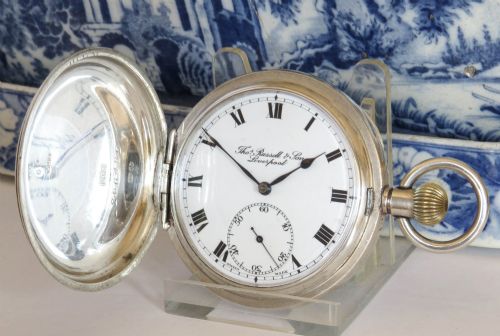
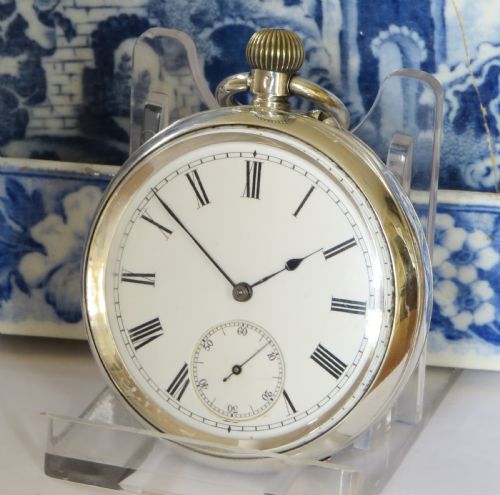
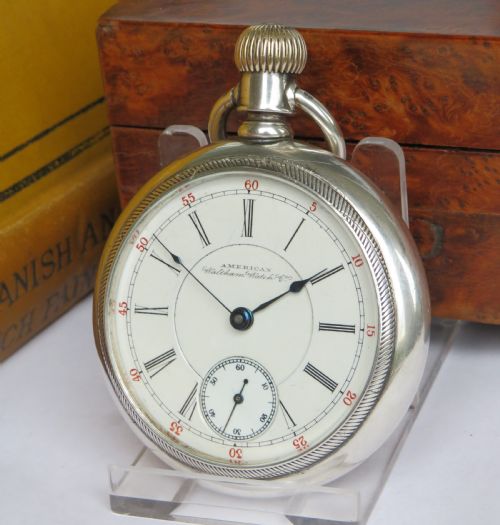
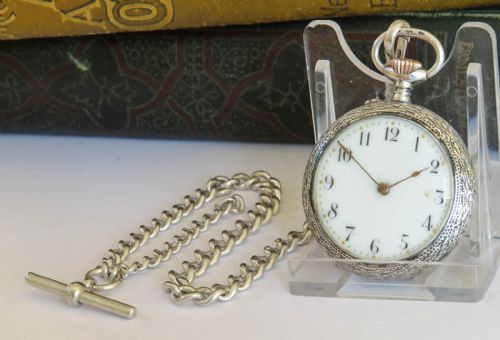
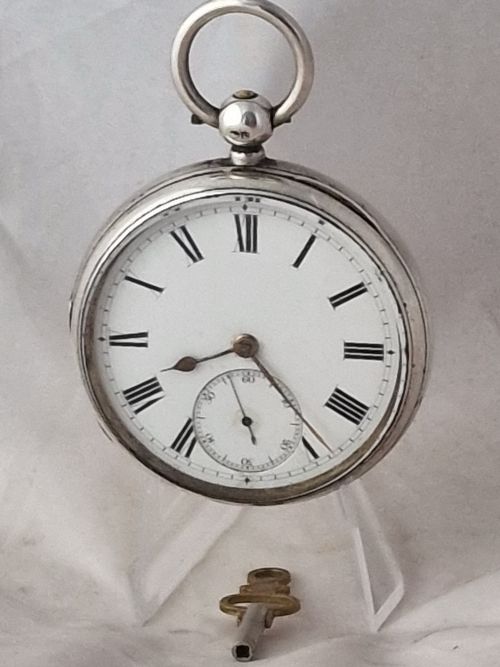
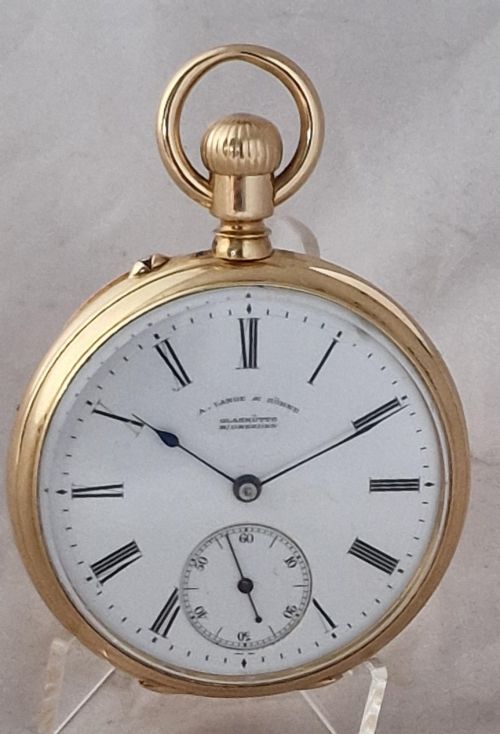
A victorian pocket timepiece encompasses mechanical instruments designed to be carried upon the person, including pocket watches, fob watches, and goliath watches. The selection spans the nineteenth century into the early twentieth century, featuring styles from early Victorian through to Edwardian periods.
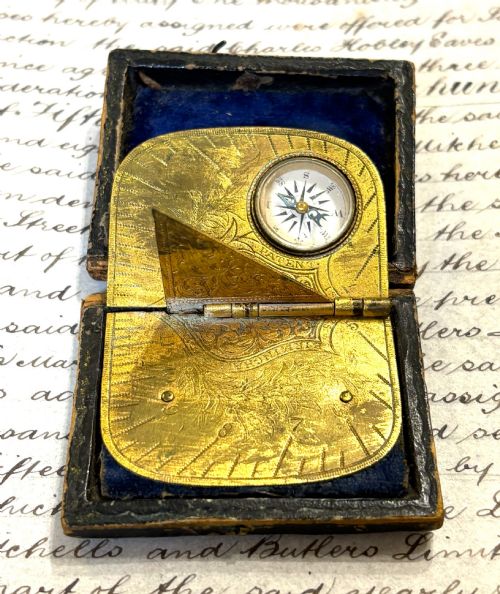
Pocket watches dominate the forms encountered here, alongside desk clocks, scientific instruments such as folding sundials, and travel clocks formed as prayer books or walking sticks. Origins stretch from English makers in London, Coventry, Nottingham, and Glasgow to Swiss workshops.
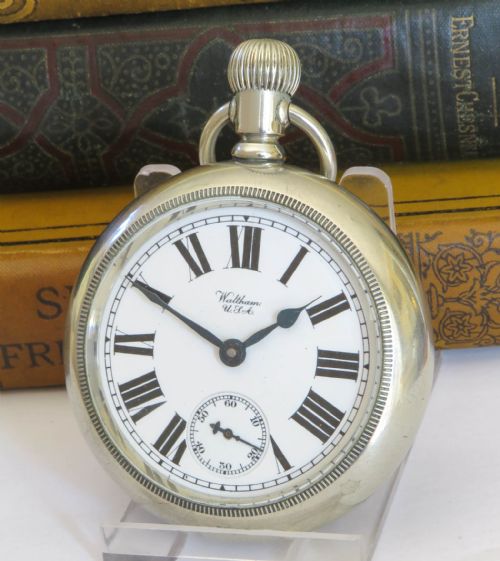
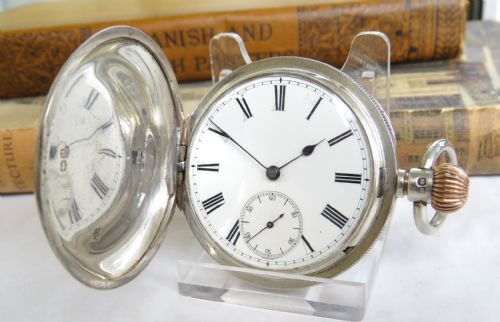
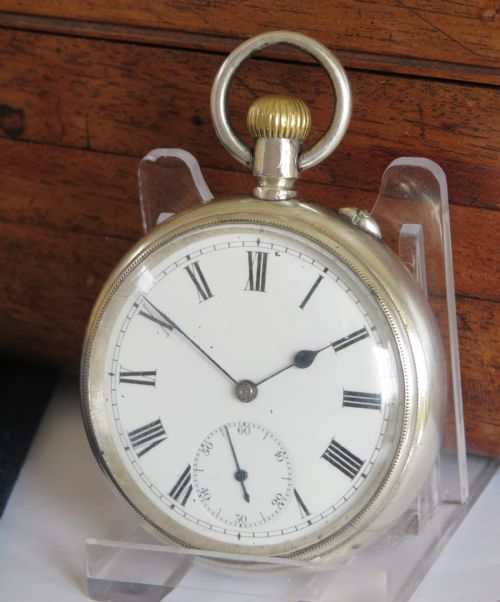
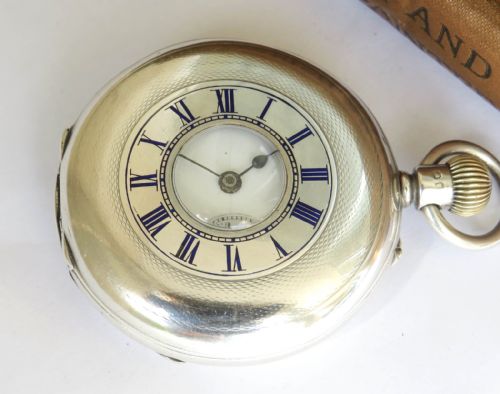
Railway timekeepers and full hunter or half hunter designs appear frequently, reflecting the practical needs of the era alongside decorative open-faced pieces with engraved backs or floral dials.
Materials and technique
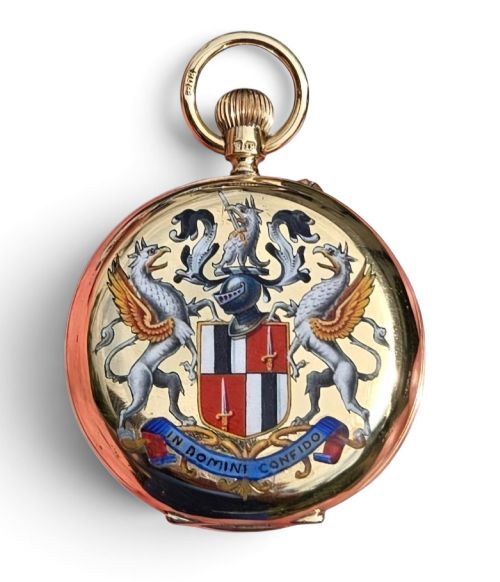
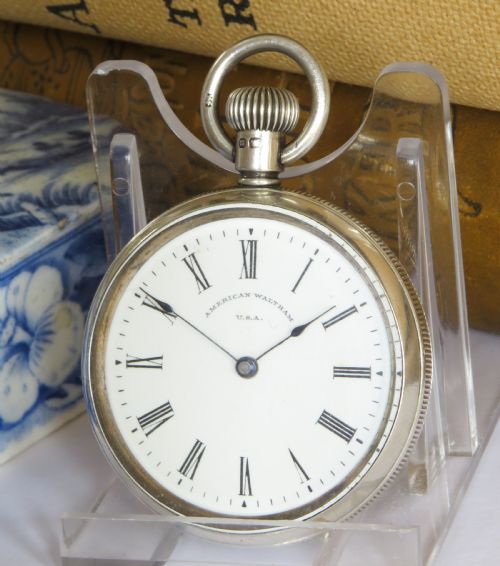
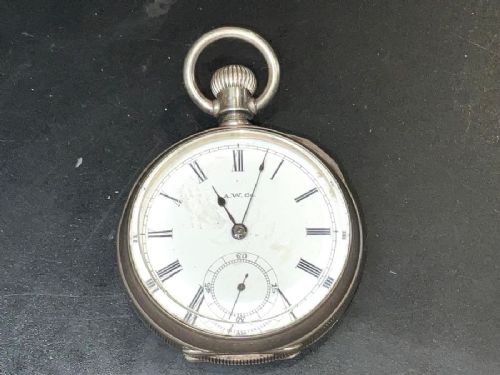
Silver and sterling silver form the predominant casing materials, frequently paired with white enamel dials and protective glass covers. Higher status items utilise 18-karat gold or 14-karat gold, sometimes augmented by gilt bronze and champleve enamel.
Internal mechanics rely on steel and brass components, driven by fusee movements or verge escapements within precision gear assemblies. Cases exhibit hand engraving, engine turning, and specialised military or railway inscriptions.
Victorian Pocket Timepiece Retail Price Guide 2026
Typical asking prices for victorian pocket timepiece among the pieces listed under this phrase on Sellingantiques today, from the lower quarter to the upper quarter. They describe what is for sale here now, not the wider market.
Some travellers preferred telling time from a timepiece disguised as a leather-bound prayer book rather than carrying a traditional watch.
What varies in quality
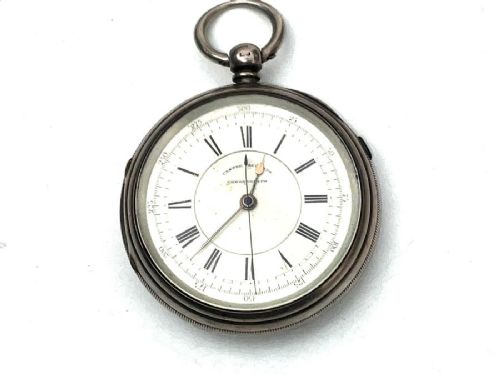
The refinement of the movement sets the standard, distinguishing standard timekeepers from complex chronograph, perpetual calendar, minute repeater, or fusee mechanisms. Finer examples display meticulous hand finishing to internal bridges and escapements.
Precious metal weight and casing artistry separate standard production models from exceptional luxury commissions. Intricately engraved gold cases, multi-coloured enamel dials, and signed movements by notable makers elevate the tier.
Thomas Russell·Waltham Appleton Tracy·R Stewart·Lange And Sohne·Longines·Baume And Co·Tiffany And Co·John Walker·Barwise London
The Victorian Pocket Timepiece Glossary
- Full hunter
- A pocket watch featuring a spring-loaded metal cover that protects the glass dial face. This outer case requires a push button to open before the time can be read.
- Half hunter
- A pocket watch design incorporating a metal outer case with a central glass aperture. This allows the wearer to check the primary hands without opening the front cover entirely.
- Fusee movement
- A conical pulley mechanism designed to maintain even tension on the gear train as the mainspring unwinds. This traditional system improves timekeeping consistency throughout the power reserve.
- Goliath watch
- An oversized pocket timepiece intended primarily for travel or desk placement rather than waistcoat wear. These substantial objects often sit within dedicated leather cases or stands.
- Verge escapement
- An early mechanical regulation system utilising a crown wheel and vibrating balance. It represents traditional watchmaking heritage found in earlier nineteenth-century examples.
Victorian Pocket Timepiece: Frequently Asked Questions
How do I wind a pocket watch?
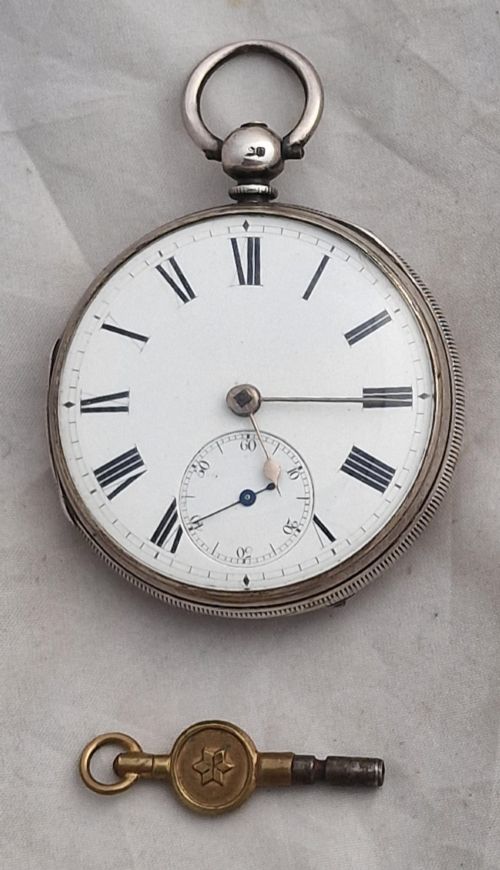
Most pocket watches wind via the crown at the top, while older fusee movements may require a dedicated key inserted into the back plate or dial. Care must be taken not to overwind the mainspring.
Matching the winding method to the specific mechanism ensures the internal components remain undamaged during daily use.
Can I carry a pocket watch daily?
Carrying a timepiece daily is practical when paired with a secure fob chain attached to a waistcoat or belt loop. Keeping the watch in a dedicated pocket prevents accidental drops against hard surfaces.
Regular servicing by a specialist ensures the vintage brass and steel gears maintain reliable timekeeping.
How do I date a silver pocket watch?
Dating relies upon hallmarks stamped inside the silver or gold case, which indicate the assay office and year of manufacture. Maker signatures on the dial or movement provide additional historical context.
Comparing serial numbers against manufacturer records narrows the production era down to specific decades.