

Victorian Pocket Snuff Box
A victorian pocket snuff box is a small, portable container once carried for tobacco, turning functional personal gear into miniature metalwork and organic carving.
Victorian Pocket Snuff Box
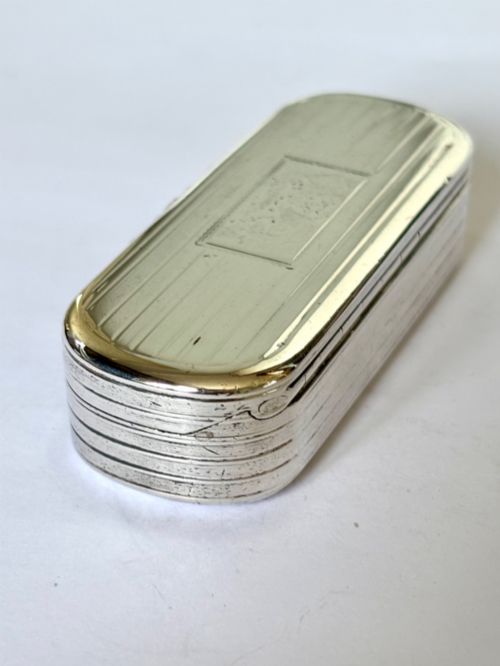
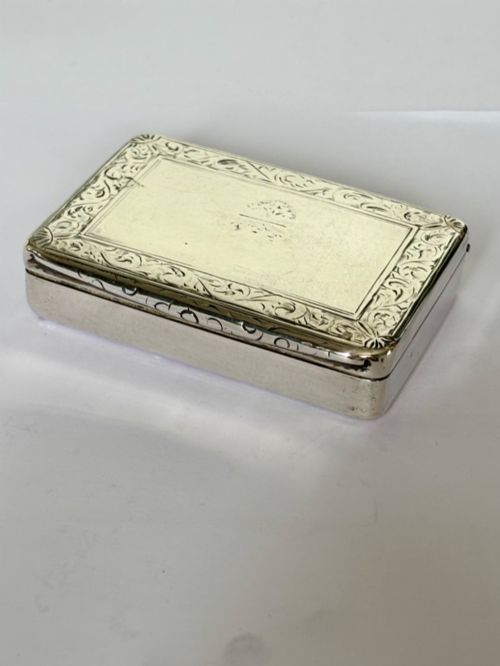
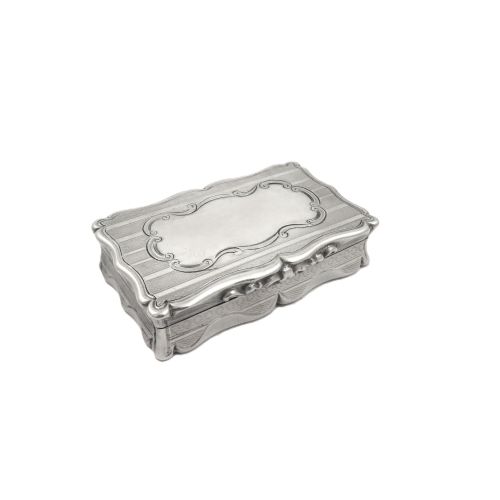
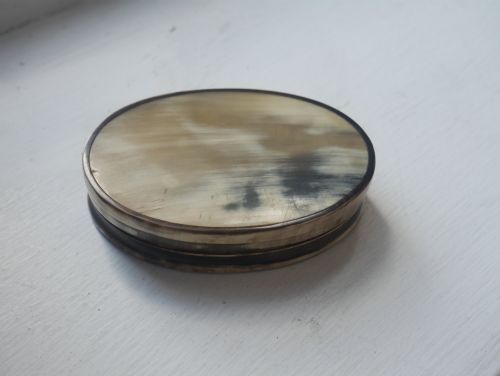
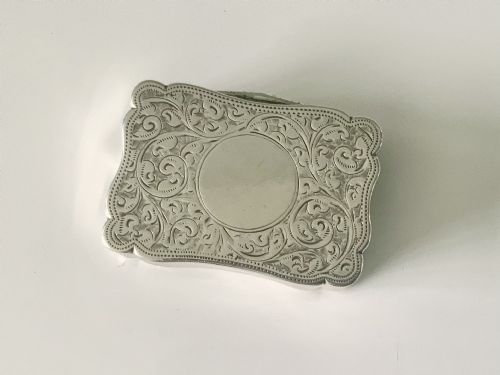
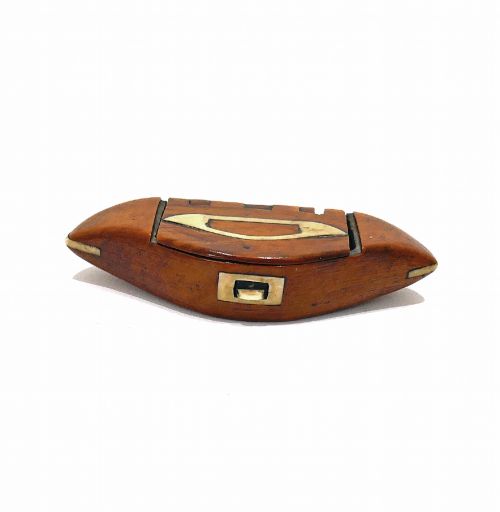
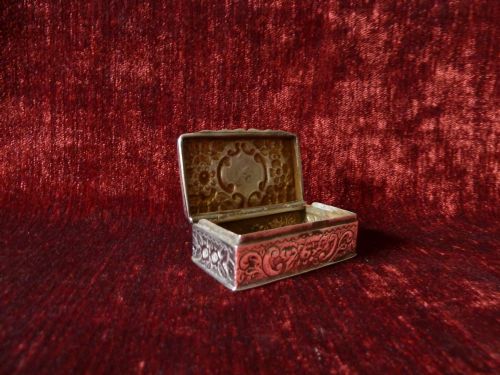
A victorian pocket snuff box takes several distinct physical forms across this selection, ranging from sleek silver rectangles to carved organic pieces designed for a waistcoat pocket. The most common specimens encountered here are sterling silver examples from Birmingham makers alongside natural material vessels shaped from horn, fruitwood, and shell.
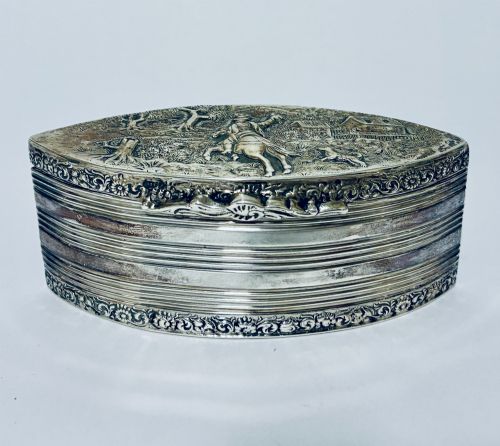
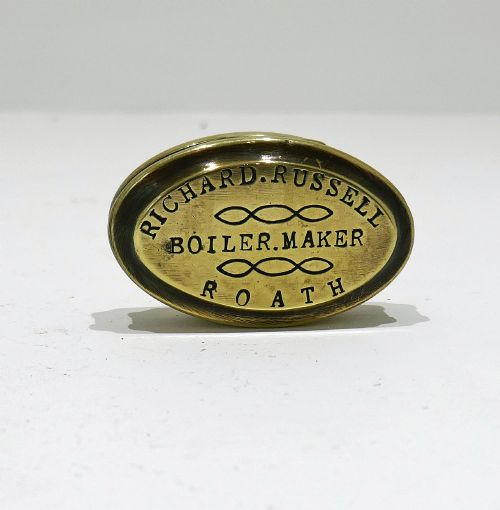
Makers utilised various geometric profiles, including oval, oblong, and shuttle shapes, sometimes incorporating double compartments or integrated vesta cases. These items bridge multiple periods, drawing heavily on Victorian and Georgian craftsmanship while spanning the broader nineteenth century.
Origin points visible in the evidence point toward regional English assay offices like Birmingham, Chester, and London, alongside Scottish and French workshops. Collectors encounter both plain functional boxes and heavily decorated presentation pieces bearing personal inscriptions or civic mementoes.
Materials and Technique
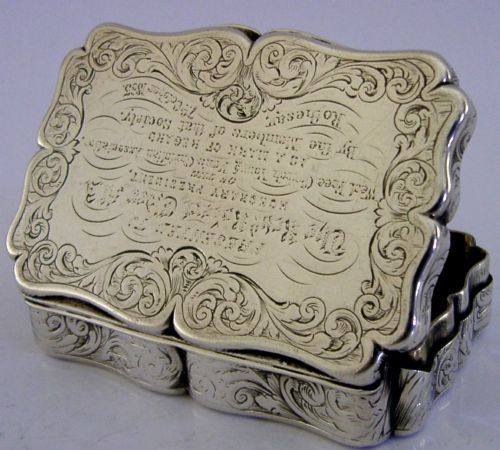
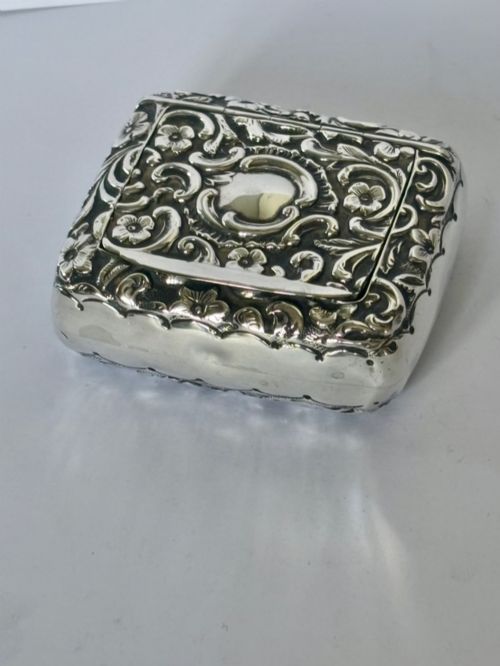
Silversmiths employed sterling silver and silver gilt, shaping metal through casting, heavy embossing, and precise engine turning to create textured exterior surfaces. Many silver pieces feature detailed cast acanthus borders and inscribed presentation details.
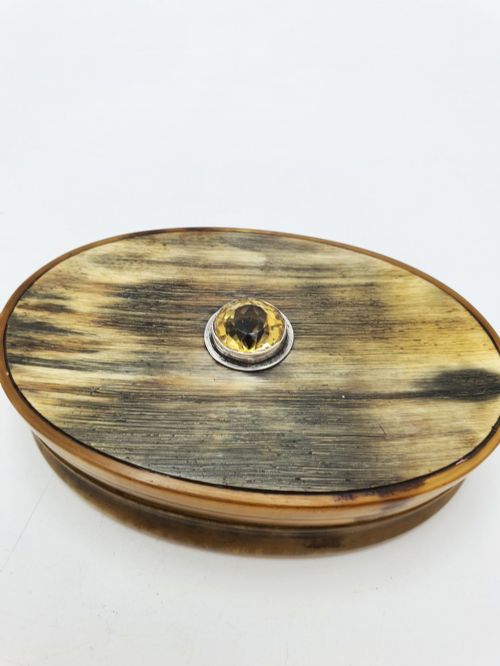
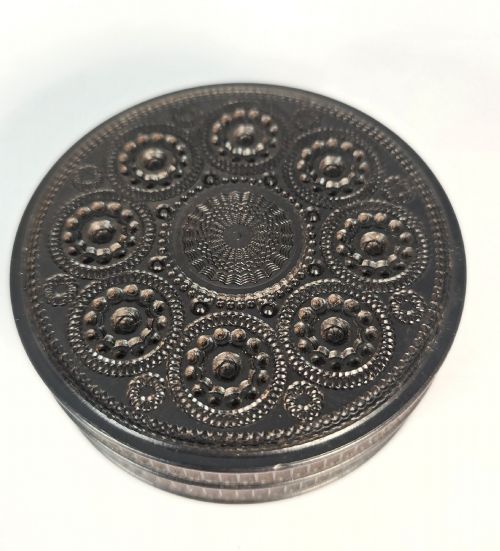
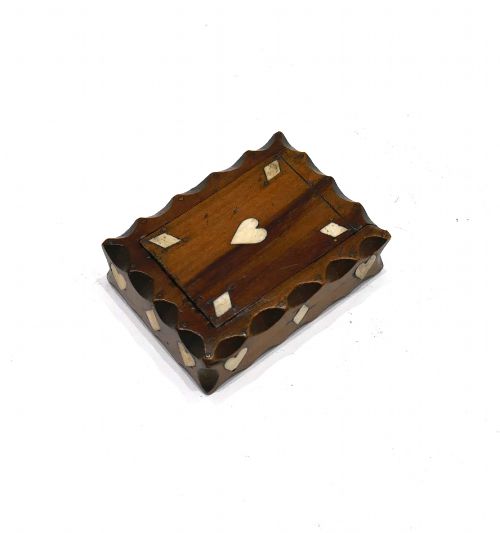
Organic materials such as horn, tortoiseshell, coquilla nut, and fruitwood appear carved, turned, or inlaid with bone and faceted citrine decoration. These natural media demonstrate skilled handwork, from plain polished surfaces to elaborate folk art motifs like inlaid hearts and diamond shapes.
Assay towns represented on the silver pieces include Birmingham, Chester, London, and Glasgow.
Craftsmanship and Detail
Quality separates simple utility items from masterwork pieces through the crispness of the chasing, the weight of the silver, and the precision of mechanical hinges and lids. Superior boxes exhibit sharp, legible hallmarks, tight lid closures, and sophisticated decorative techniques like niello or multi-wood specimen inlay.
In organic vessels, differentiation lies in the depth and intricacy of the carving, the selection of figured wood or clear horn, and the secure integration of decorative elements like bone inlay or citrine stones.
Henry Matthews·Robert Thornton·Edward Smith·David McDonald·Edward Edwards
The Victorian Pocket Snuff Box Glossary
- Silver Gilt
- Silver covered with a thin layer of gold, often used on the interior of snuff boxes to prevent corrosion from tobacco.
- Vinaigrette
- A small ornamental box similar to a snuff box, featuring an internal perforated grille designed to hold a sponge soaked in aromatic vinegar.
- Engine Turned
- A decorative pattern of geometric lines and curves mechanically engraved onto metal surfaces using a lathe.
- Snuff Mull
- A traditional Scottish container for snuff, frequently fashioned from animal horn and mounted with metalwork.
Victorian Pocket Snuff Box: Frequently Asked Questions
How do I know the date?
Metal boxes often carry official hallmarks stamped by assay offices in towns like Birmingham, Chester, and London, revealing exact years of production.
Organic pieces made from horn, wood, or tortoiseshell rely on stylistic clues, construction methods, and materials typical of the nineteenth century.
What is the difference between a snuff box and a vinaigrette?
While both share a similar pocket-sized metal construction, a snuff box simply holds dry tobacco powder in a closed compartment.
A vinaigrette includes an internal pierced grill covering a scented sponge, used historically to refresh the air.
How were organic snuff boxes decorated?
Carvers utilised techniques such as hand-carving intricate shapes, turning wood on a lathe, and polishing natural horn to highlight its varied coloration.
Many wooden and horn examples feature contrasting inlay work using bone, metal pins, or faceted stones like citrine.