

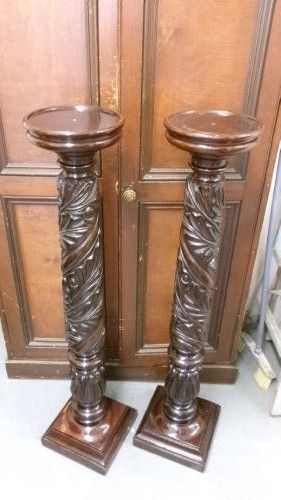

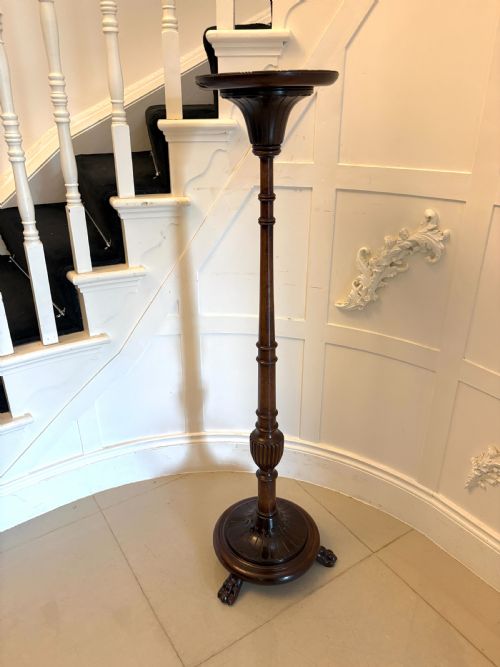
Victorian Plant Display
A Victorian plant display elevates greenery and sculpture, turning functional indoor botany into striking architectural height.
Victorian Plant Display
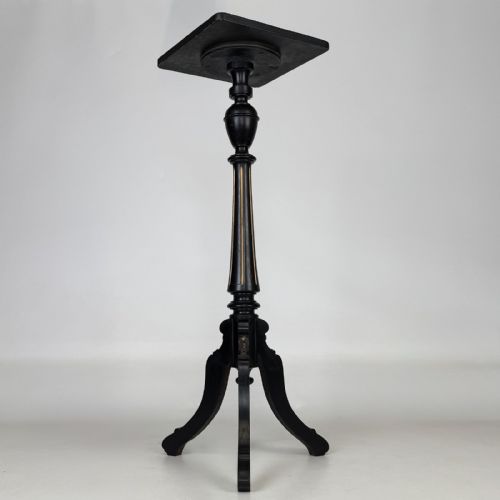
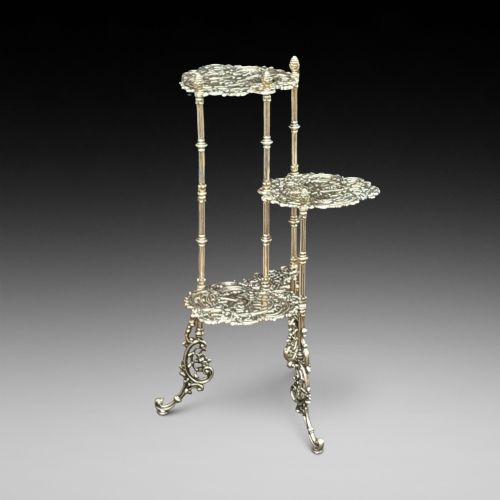
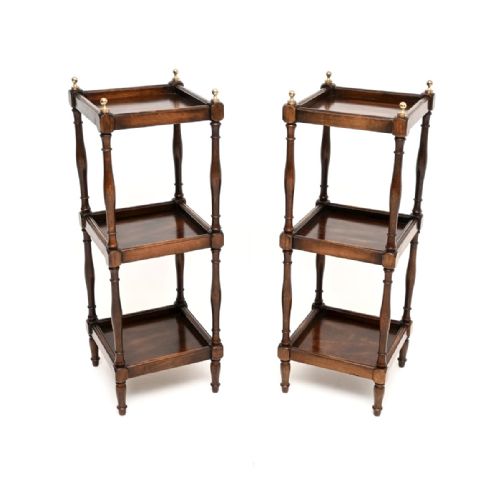
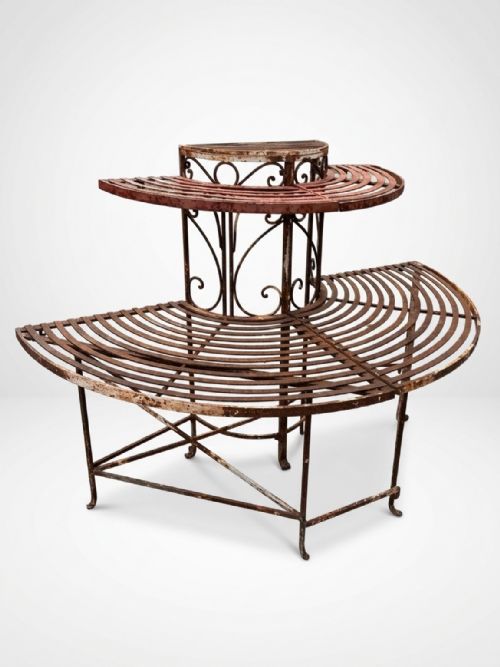
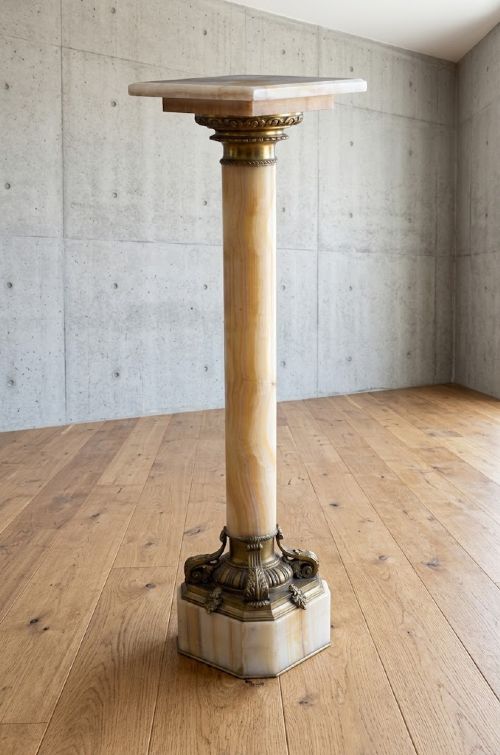
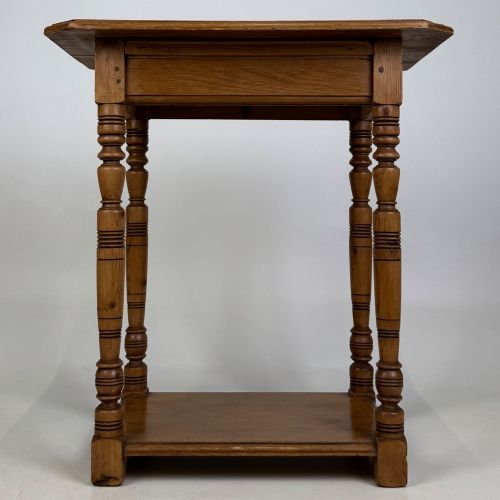
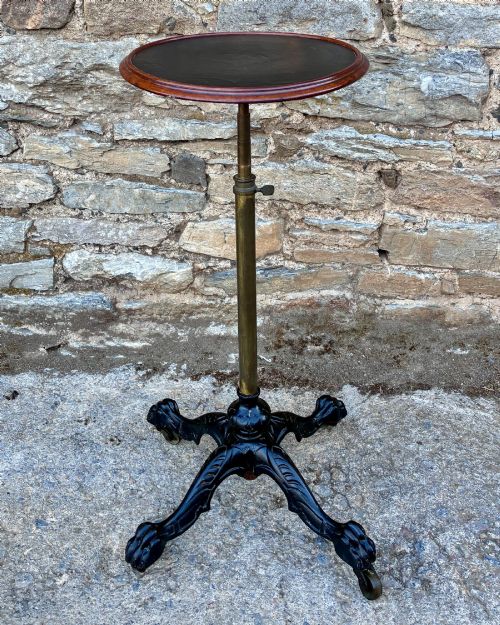
A victorian plant display encompasses a variety of elevated stands, torcheres, columns, and multi-tiered tables designed to showcase foliage and decorative objects. These pieces range from simple wooden tripods to elaborate architectural columns.
The materials and construction reflect the broader aesthetic movements of the nineteenth century, mixing sturdy domestic timbers with decorative metals and stone. Buyers encounter forms suited for both indoor drawing rooms and conservatory settings.
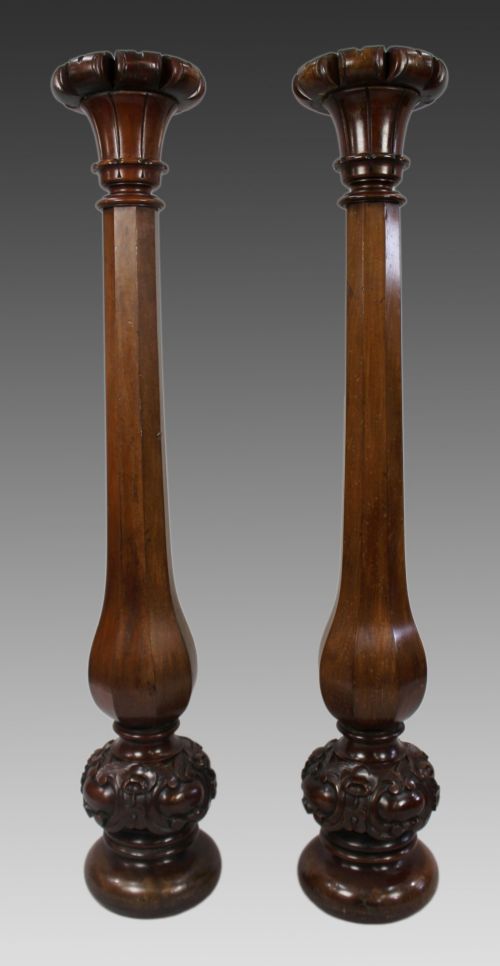
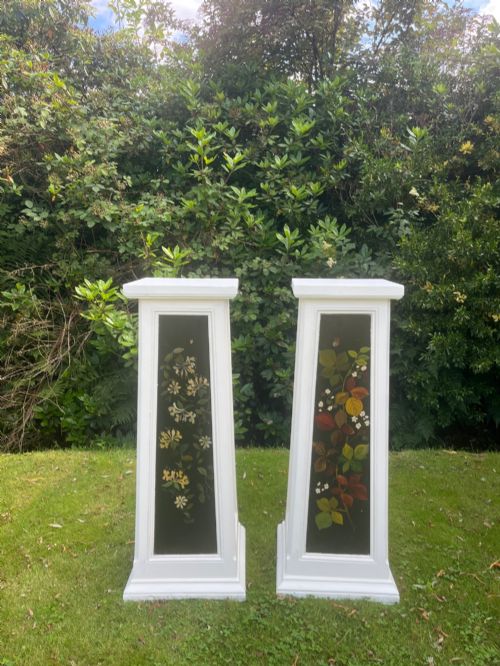
Pieces frequently appear as single columns or matched pairs, providing symmetrical framing for sculpture, busts, and potted plants. The selection spans the early Victorian decades through the turn of the twentieth century.
Materials and Construction
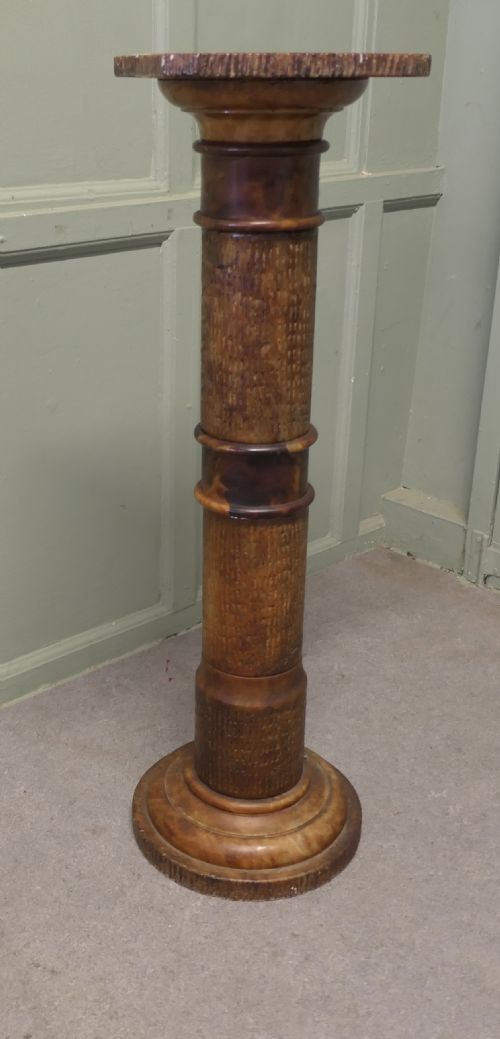
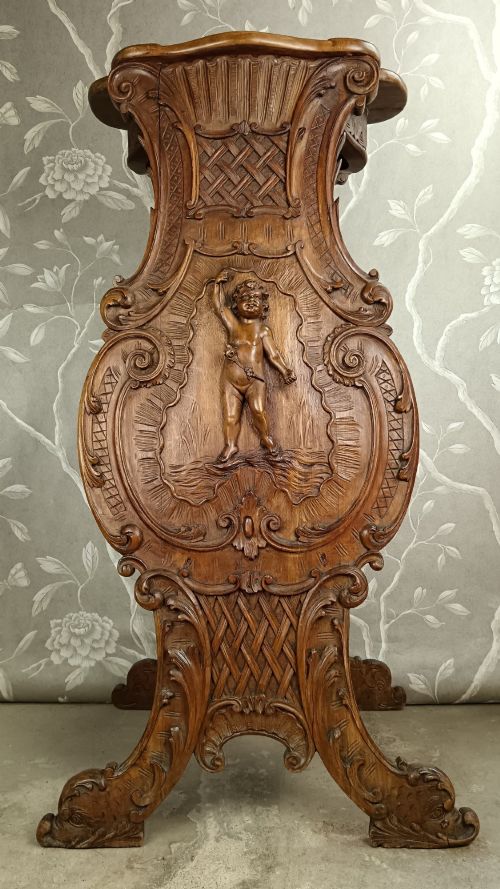
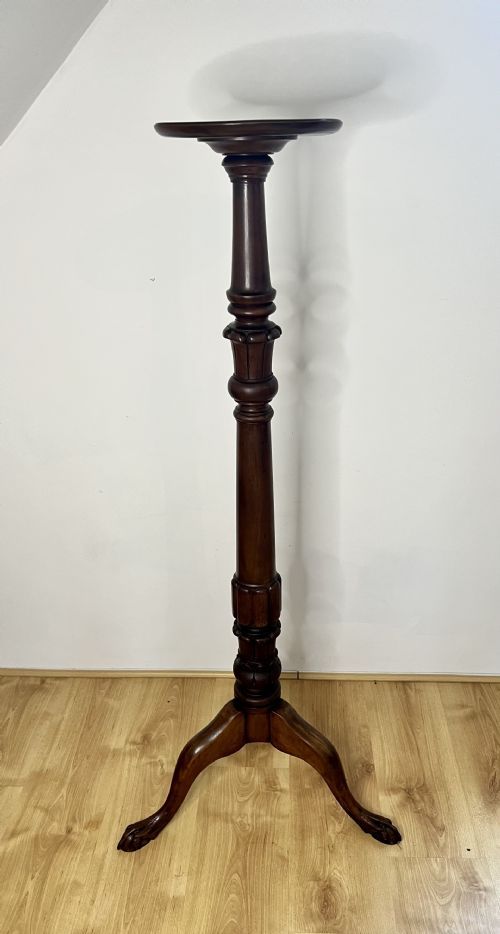
Cabinet makers utilised dense hardwoods such as mahogany, walnut, and oak, often shaping them with detailed turnings and hand-carved elements. These timbers provided the essential structural stability required to support heavy stone tops and cast iron frameworks.
Decorative surfaces frequently incorporated marble, onyx, or brass mounts to introduce contrasting textures and rich colour to the design. Cast iron and painted finishes offered durable alternatives for conservatory and garden use.
Listings feature woods such as mahogany, walnut, and oak alongside marble, brass, and cast iron across nineteenth-century styles.
Craftsmanship and Proportion
Quality rests in the precision of the carving, the integrity of the joints, and the selection of figured timber or unblemished stone. Superior examples display crisp detail in the ornamentation and harmonious proportions between the column and the top.
Later alterations or replaced components distinguish standard utilitarian items from pieces retaining their original decorative schemes and structural hardware.
Shoolbred·Gabriel Viardot·Gillow & Co.
The Victorian Plant Display Glossary
- Torchere
- A tall, slender stand traditionally designed to hold a light source, frequently utilised in nineteenth-century interiors to elevate plants or decorative urns. These pieces emphasise verticality and delicate turning.
- Pedestal
- A structural support or column used to display sculpture, vases, or botanical specimens. They appear in materials ranging from carved walnut to veined marble.
- Etagere
- A piece of furniture consisting of a set of open shelves for displaying small objects. Multi-tiered versions provide practical surfaces for grouped plant displays.
- Japonisme
- A late nineteenth-century artistic style influenced by Japanese art and design. Pieces in this manner often feature ebonised surfaces and asymmetry.
Victorian Plant Display: Frequently Asked Questions
Where should I place a heavy marble column?
Heavy stone columns require stable, level flooring to ensure safety, particularly when supporting weighty planters or marble busts.
Position them away from high-traffic household pathways to prevent accidental knocks against the stone or protruding brass mounts.
How do I care for antique wood stands?
Maintain finished wooden surfaces by dusting regularly with a dry cloth and avoiding harsh chemical polishes that can degrade nineteenth-century varnishes.
Protect timber from direct moisture by utilising saucers beneath potted plants to prevent water rings and wood rot.
Can these stands be used outdoors?
Cast iron and wirework frames are generally suited for sheltered conservatories or garden rooms where they resist humidity better than fine domestic hardwoods.
Delicate walnut and mahogany pieces are strictly intended for dry interior environments to preserve their carved details.
How do I identify a Victorian pedestal?
Examine the timber species, construction joinery, and decorative motifs such as Aesthetic Movement tiling or classical Revival carvings typical of the period.
Matching the proportions and weight of the materials helps distinguish genuine nineteenth-century examples from later reproductions.