


Tiered Metal Plant Stand
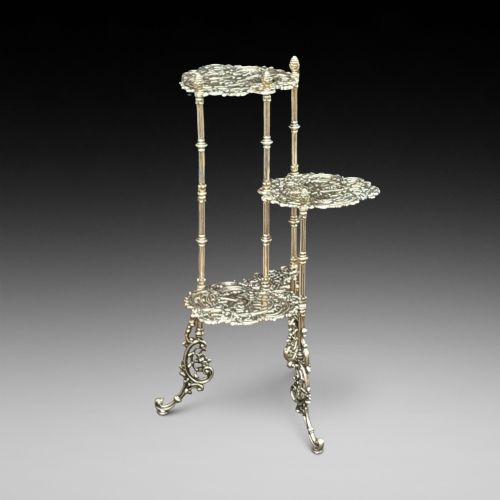
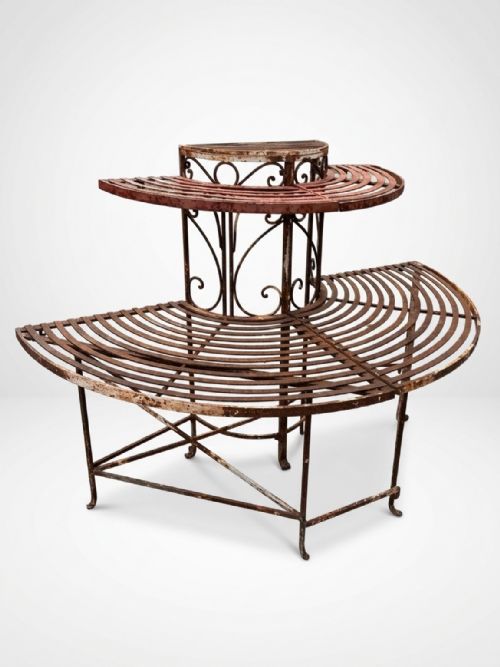
A tiered metal plant stand gives height and structure to greenery, bringing sturdy Victorian ironwork and wirework into the home.
Tiered Metal Plant Stand
A tiered metal plant stand provides multiple levels to display pots and planters within a compact footprint. These functional pieces organise greenery vertically in both interior rooms and garden spaces.
The selections available here lean heavily towards Victorian and nineteenth-century production. Cast iron, wrought iron, and delicate wirework dominate the forms seen across these listings.
Makers of the period also utilised brass, zinc, and oak alongside iron frameworks to support jardinières and pots. Simple round three-tier stands sit alongside corner designs and riveted slatted structures.
How they were made
Foundry casting shaped the heavier structural elements of cast iron stands, creating robust frames capable of holding substantial potted plants. Wrought iron provided hand-forged strength for lighter scrollwork and supports.
Wirework construction involved skilled bending and twisting of metal wire to form airy, tiered planters. Protective coatings of paint were frequently applied to combat moisture from watering.
Listings feature items from the 19th Century, Victorian period, and 1920, utilising materials such as wrought iron, cast iron, brass, wire, oak, and zinc.
What varies in quality
The refinement of the casting and forging distinguishes standard utility stands from finer examples. Crisp detail in the ironwork and balanced proportions elevate certain pieces above purely utilitarian items.
Material combinations also influence the character of the stand, particularly where brass elements or oak components are integrated into the iron framework. The integrity of the original construction and surviving surface treatments determine the overall merit of a piece.
The Tiered Metal Plant Stand Glossary
- Cast iron
- Iron poured into a mould to create rigid and detailed structural components. This heavy material forms the foundation of many robust plant stands.
- Wrought iron
- Iron heated and hammered into shape by hand, resulting in tough and malleable components. It allows for slender structural lines compared to cast alternatives.
- Wirework
- Metal wire shaped into open, skeletal frameworks designed to hold pots while allowing air circulation. Victorian makers used this technique for lightweight garden stands.
- Jardinière
- An ornamental pot or stand designed to hold growing plants. These often feature decorative details or integrated liners.
Tiered Metal Plant Stand: Frequently Asked Questions
Where should I place a metal plant stand?
These stands suit conservatories, hallways, or living rooms where multiple pots benefit from vertical arrangement. Their metal construction also allows for sheltered outdoor placement.
Ensure the surface beneath the stand is protected, particularly with older pieces that show weathering or retain historic paint finishes.
How do I date a tiered metal plant stand?
Dating relies on identifying manufacturing techniques such as nineteenth-century casting methods or hand-forged wrought iron details. Stylistic cues from Victorian, Edwardian, and Regency periods also offer chronological markers.
Examine the fastenings, joins, and materials like brass or zinc linings to understand the likely era of production.
Can these stands hold heavy pots?
Cast iron and heavy wrought iron tiers provide substantial weight capacity suitable for large potted plants. Lighter wirework versions are better suited for smaller pots and trailing foliage.
Assessing the thickness of the metal and the stability of the tiers helps determine the appropriate load for each individual stand.
How do I care for historic metal plant stands?
Keep the metal dry and clean away dust or soil residue regularly to preserve painted or weathered surfaces. Avoid harsh chemical cleaners that might strip historic finishes.
Protecting the original patina ensures the piece retains its authentic character over years of daily use.