




Victorian Pitch Pine Table
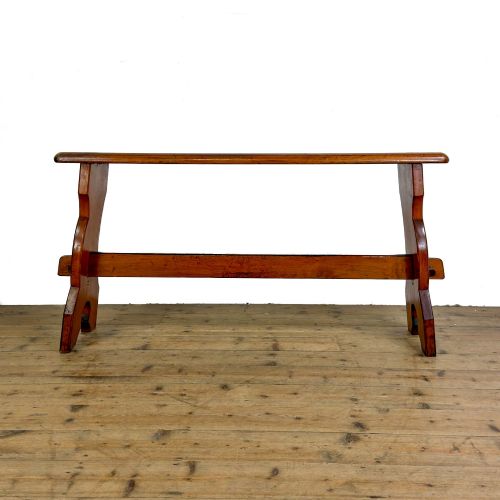
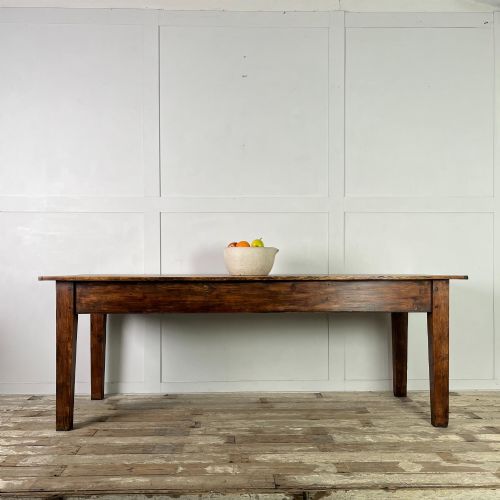
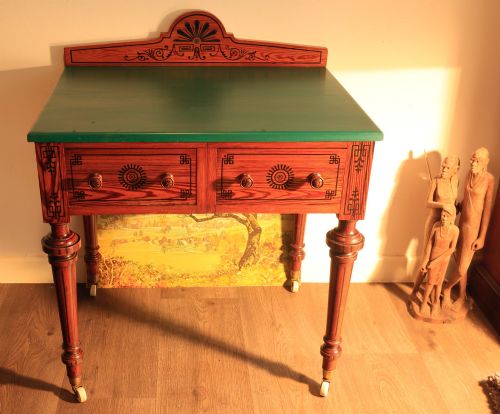
A victorian pitch pine table brings the distinctive, dense grain and warmth of nineteenth-century conifer timber into domestic and working spaces.

Victorian Pitch Pine Table
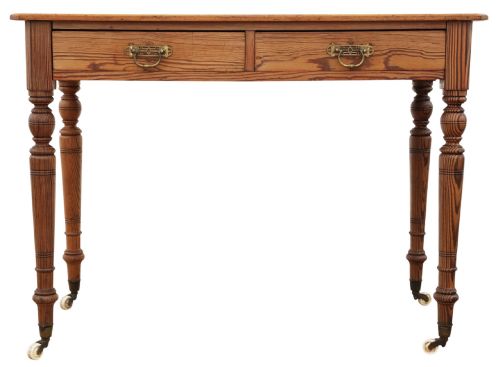
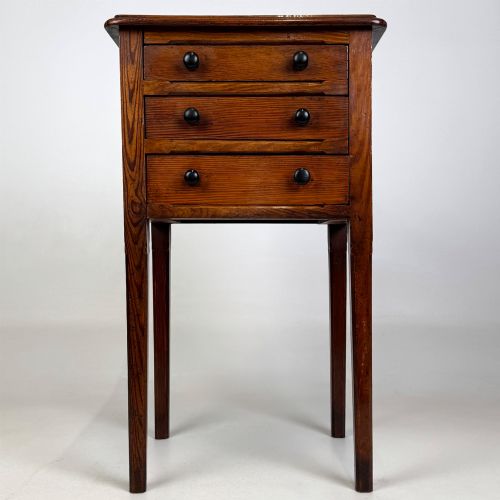
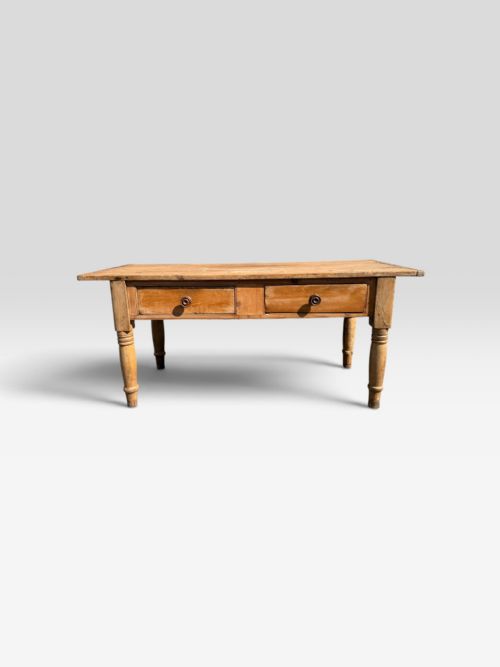
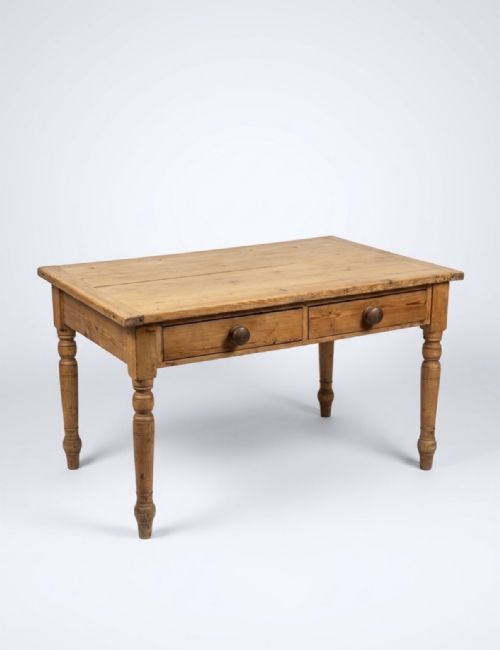
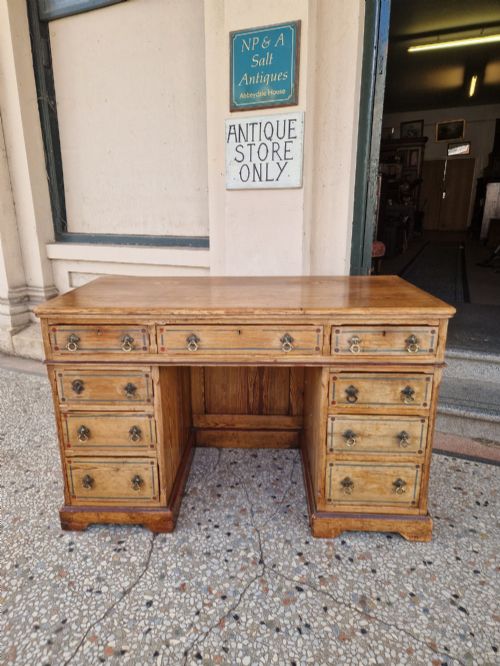
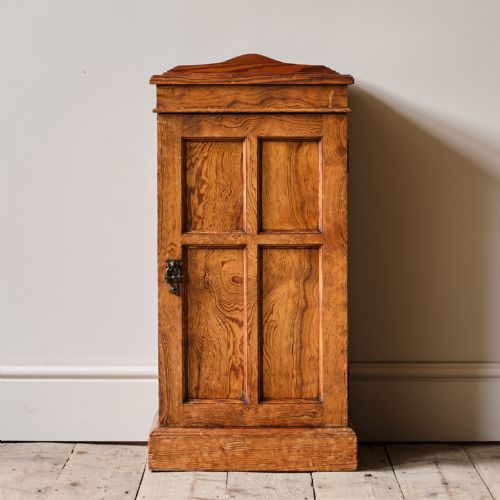
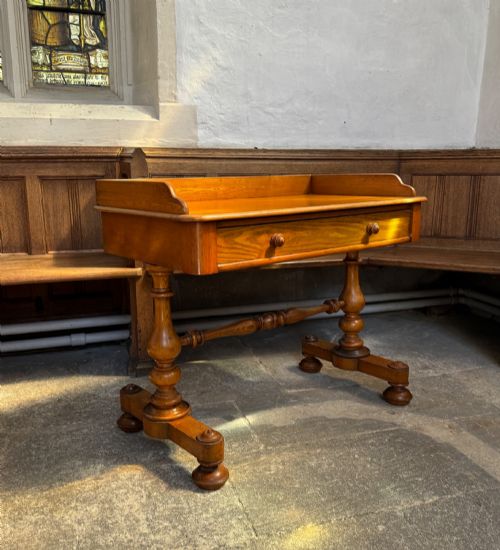
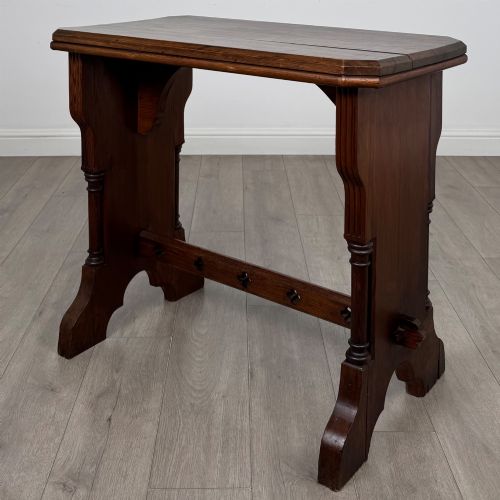
A victorian pitch pine table spans functional domestic and institutional forms, appearing most frequently as farmhouse dining tables, writing desks, and side or hall tables. The material emerged strongly during the nineteenth century, utilised extensively for both utility furniture and more decorative ecclesiastical or Gothic Revival pieces.
Buyers encounter variations ranging from heavy pedestal office desks and dressing tables to narrow console tables and kitchen work surfaces. These pieces display the characteristic rich amber tones and strong resinous grain patterns inherent to the timber.
Origins trace across English, Welsh, and Scottish workshops, often reflecting the robust construction methods of the Victorian era. Whether configured as a simple kitchen table or a detailed Gothic altar piece, the form follows practical nineteenth-century requirements.
Materials and construction
Construction relies heavily on pitch pine timber, selected for its high resin content and durability, frequently paired with secondary woods like oak, elm, or deal in internal framing. Workshops employed traditional joinery techniques, utilising solid plank tops secured to sturdy turned or tapered legs.
Metal components such as brass handles, iron brackets, or ceramic castors frequently accompany these tables, particularly on pedestal desks and washstands. Surface finishes range from natural waxed timber to occasional painted treatments or utilitarian baize inserts on writing surfaces.
Victorian Pitch Pine Table Retail Price Guide 2026
Typical asking prices for victorian pitch pine table among the pieces listed under this phrase on Sellingantiques today, from the lower quarter to the upper quarter. They describe what is for sale here now, not the wider market.
Listings demonstrate forms ranging from 1850s Gothic writing desks to late Victorian farmhouse dining tables in pitch pine and oak.
Evaluating construction and timber
Quality rests on the selection and grain density of the pitch pine timber, with tighter, more uniform growth rings indicating superior material. The integrity of the original construction, including solid plank thickness and undisturbed joinery, separates standard utility pieces from finer architectural or Gothic Revival commissions.
The degree of original detailing, such as carved mouldings, turned gallery elements, or integrated drawer construction with secondary hardwoods, distinguishes standard workshop output from exceptional cabinet work.
Maple And Co
The Victorian Pitch Pine Table Glossary
- Pitch pine
- A dense, resinous variety of pine timber prized in the nineteenth century for its prominent grain pattern and durability. It darkens naturally with age and exposure to light.
- Gothic Revival
- An architectural and decorative style popular during the Victorian period, characterised by pointed arches, heavy chamfered edges, and ecclesiastical motifs. Many institutional and domestic tables adopted this aesthetic.
- Pedestal desk
- A heavy writing desk supported by two banks of drawers or columns flanking a central kneehole space. These often feature inset leather or baize writing surfaces.
- Refectory table
- A long, narrow dining table traditionally used in communal halls. Nineteenth-century examples in this timber were built for heavy domestic or institutional service.
Victorian Pitch Pine Table: Frequently Asked Questions
How do I care for a pitch pine surface?
Maintain the timber by applying a traditional beeswax polish rather than modern silicone sprays, which can penetrate the porous grain.
Keep the table away from direct heat sources and strong sunlight to prevent the natural resins from drying out and causing the wood to split.
Were these tables used in kitchens?
Many nineteenth-century examples served as heavy farmhouse or kitchen tables, designed to withstand daily food preparation and scullery work.
The dense, resinous nature of the timber made it naturally resistant to moisture compared to softer domestic woods.
How can I date a Victorian table?
Examine the construction methods underneath, such as hand-cut dovetails on drawers and the type of secondary timbers used in the framing.
Hardware elements like brass locks, cast iron brackets, and ceramic castors also provide reliable chronological markers for the nineteenth century.
What is the difference between a side table and a hall table?
Side tables typically feature a simpler rectangular top designed for general placement against a wall in parlours or living spaces.
Hall tables often incorporate narrow proportions, raised backs, or lower drawers specifically intended for domestic entryways and correspondence.