
Victorian Pine Writing Table
A victorian pine writing table brings honest utility and warm timber grain into a room, offering a sturdy surface for daily correspondence.
Victorian Pine Writing Table
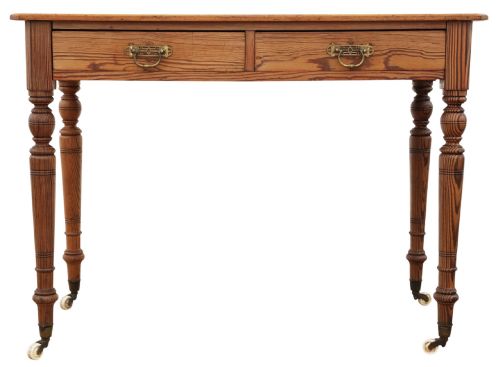
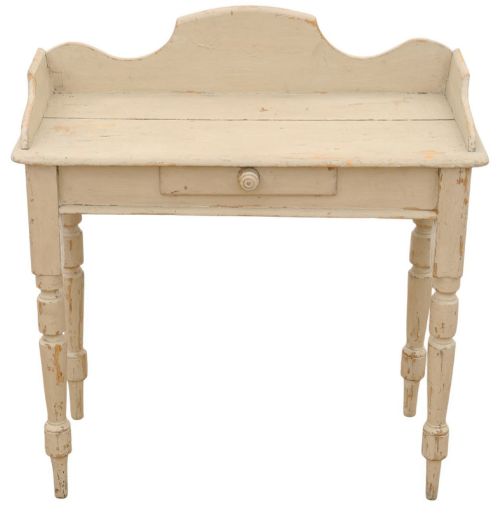
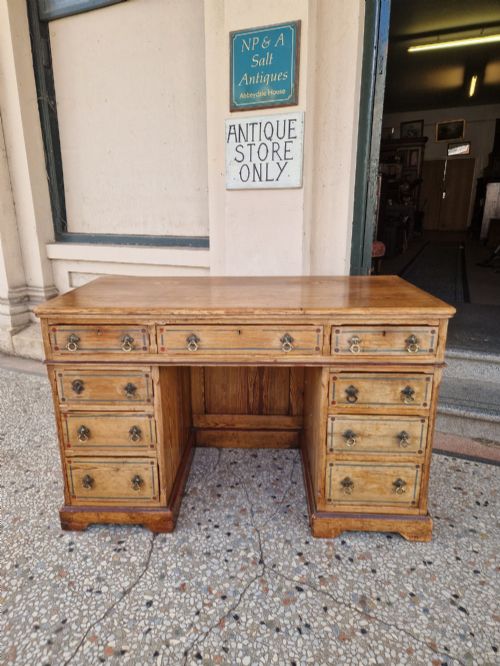
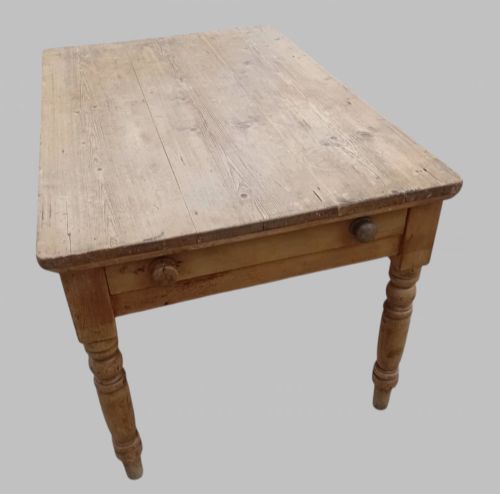
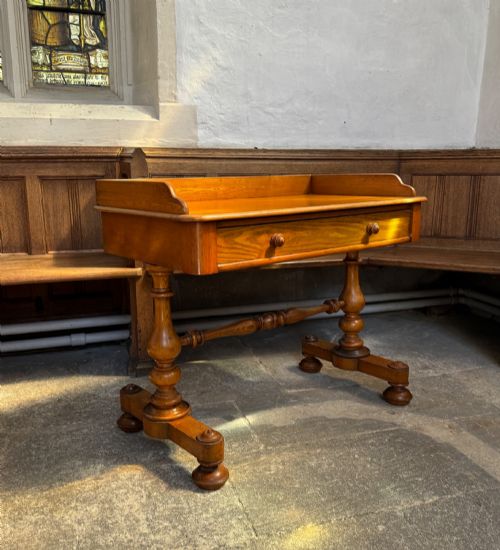
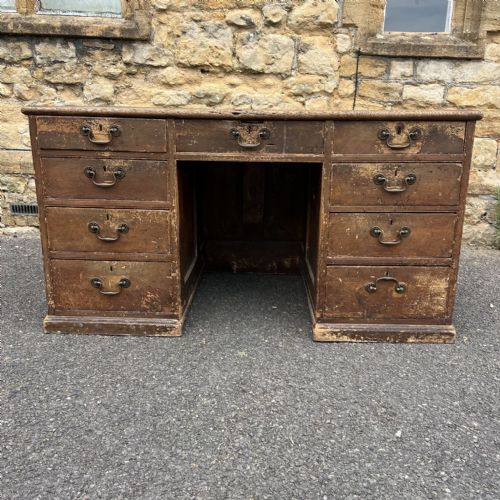
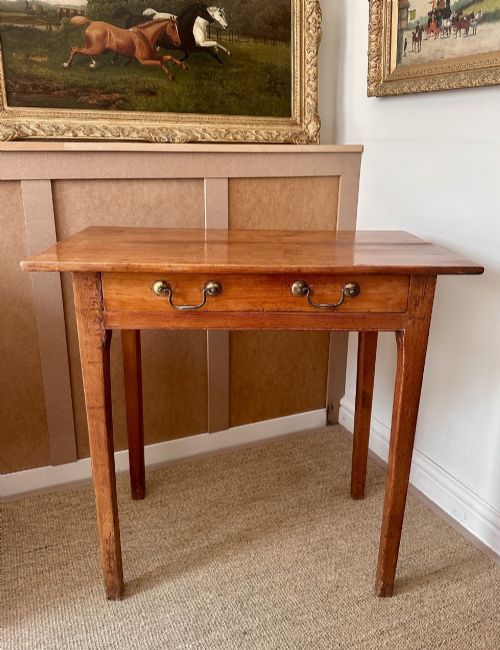
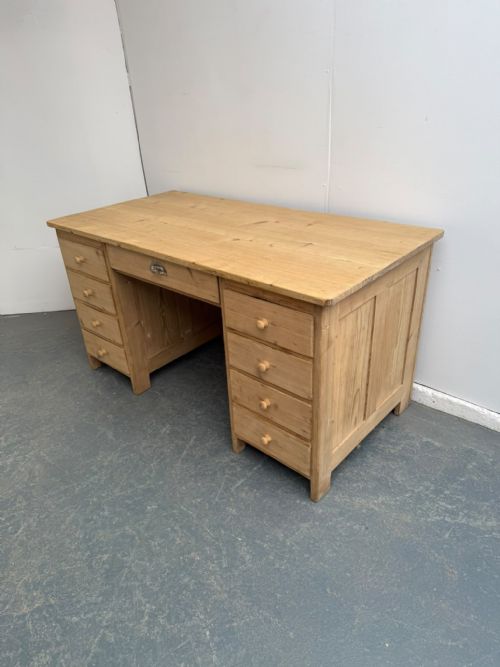
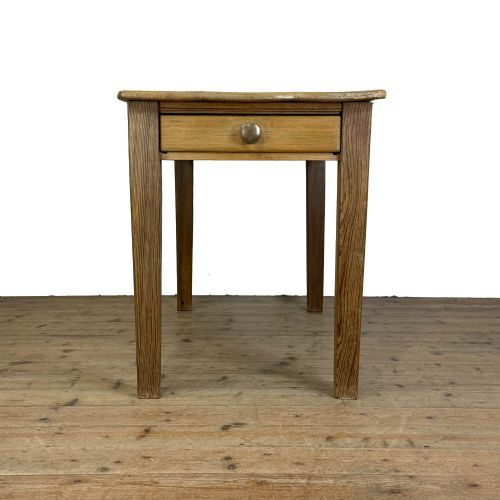
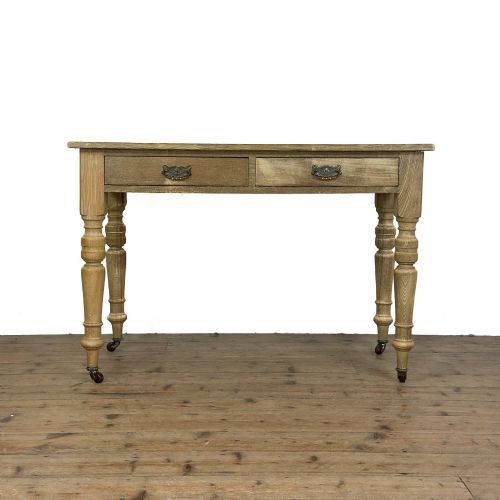
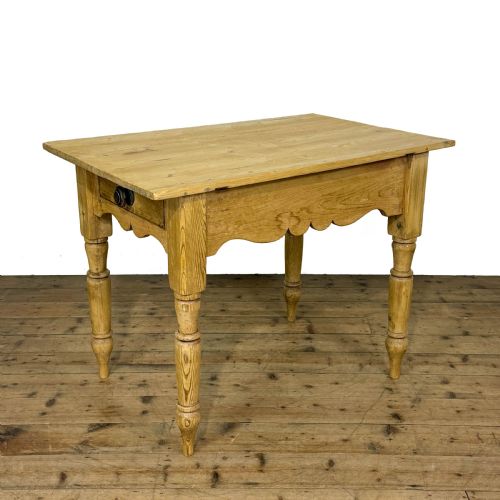
A victorian pine writing table is a practical nineteenth-century workstation designed for daily letters and accounts, usually fitted with one or more drawers beneath the frieze. These pieces range from simple single-drawer side tables to substantial multi-drawer pedestals and school desks.
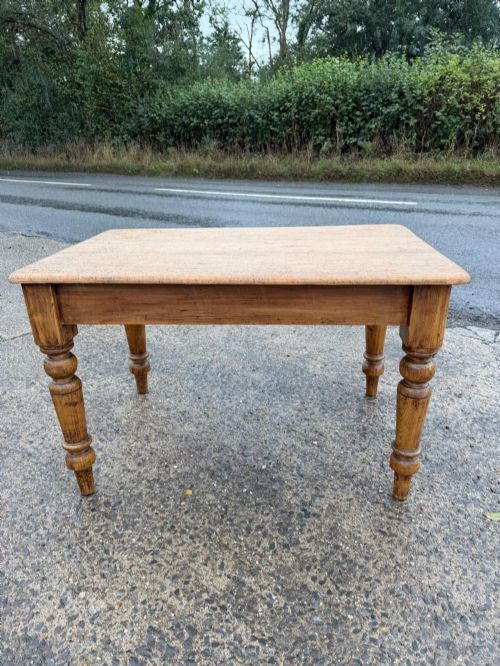
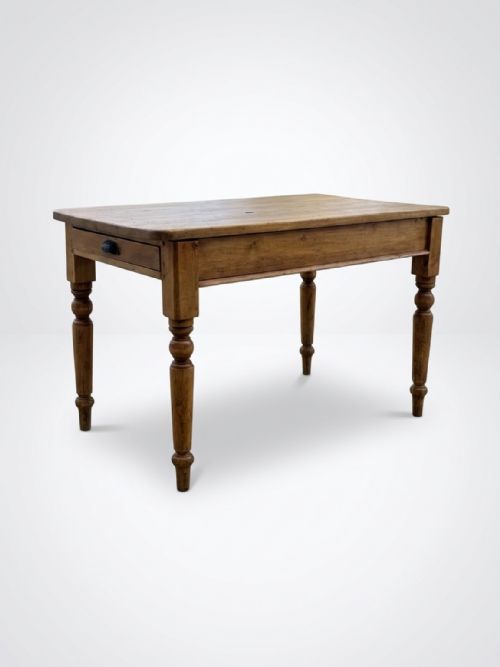
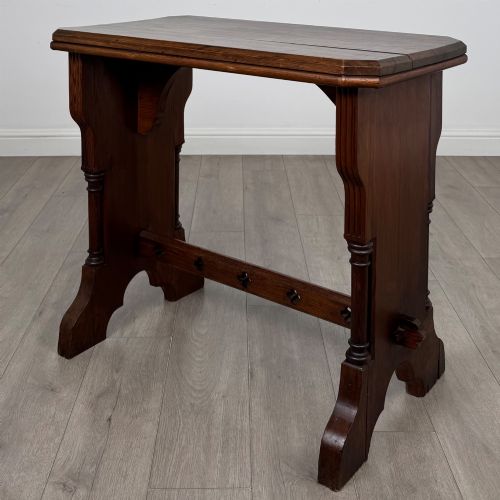
The materials you encounter span standard softwood pine, dense pitch pine, and occasionally surfaces paired with oak or elm. Many examples emerge from rural or institutional settings, bearing the honest marks of daily use rather than formal parlour polish.
How they were made
Carpenters constructed these tables primarily from solid timber planks, utilising traditional joints such as dovetails for the drawer construction and mortise and tenon frames for the undercarriage. Brass handles, iron fittings, and turned wooden knobs provide the primary hardware.
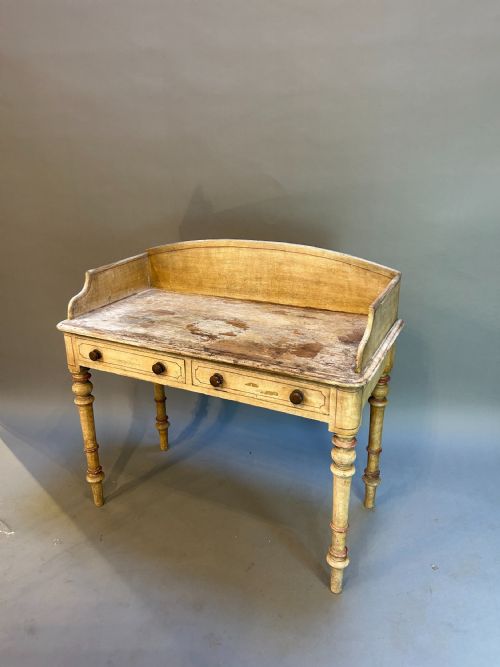
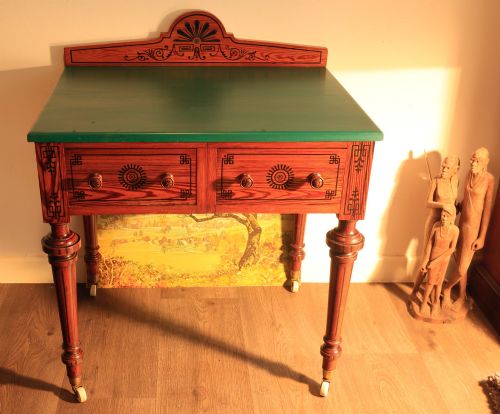
Surfaces frequently show historical treatments ranging from natural waxed finishes to painted layers or dark stains. Pitch pine variants rely on the resinous, highly figured grain of the wood, while other examples are built with secondary timbers like oak for structural durability.
Listings feature pieces spanning the Victorian period, including specific dates such as 1850, 1870, 1880, 1900, and 1910.
What varies in quality
Quality rests upon the selection of the timber, particularly the choice between standard knotty softwood and tightly grained pitch pine. Heavier construction, such as double-pedestal formats or multi-drawer configurations, indicates a more substantial piece intended for office or estate use.
The presence of original hardware, untouched painted surfaces, and intact drawer linings elevates an example above heavily restored or stripped alternatives. Refined details like turned faux bamboo legs or gallery backs distinguish bespoke workshop output from basic utility items.
Maple and Co·Heal and Sons
The Victorian Pine Writing Table Glossary
- Pitch pine
- A dense, heavily resinous softwood native to North America and widely utilised in nineteenth-century furniture for its strong grain pattern. It resists wear significantly better than standard softwood.
- Frieze
- The horizontal band situated directly beneath the top surface of the table. This area commonly houses the single or twin drawers.
- Kneehole
- A recessed central space beneath a desk or writing table designed to accommodate the user's legs. Larger pedestal formats often incorporate this arrangement.
- Gallery
- A raised wooden or metal border running along the back or sides of a tabletop. Its original purpose was to prevent inkwells and papers from sliding off.
- Dovetail
- A traditional interlocking joint utilised in drawer construction. The precision and tightness of these joints indicate the skill of the carpenter.
Victorian Pine Writing Table: Frequently Asked Questions
What did people use a victorian pine writing table for?
These tables served primarily as functional workstations for household correspondence, keeping accounts, and daily record-keeping in homes, schools, and estate offices.
Their straightforward surfaces and drawer storage made them adaptable for multiple tasks, shifting easily from correspondence desks to sideboards or dressing tables.
Can I use a writing table as a modern desk?
These tables adapt well to modern laptop use, provided you check the kneehole height and drawer clearance against your office chair.
Their modest proportions often suit smaller home studies or bedrooms where a massive modern desk would overwhelm the floor space.
How should I care for a painted pine finish?
Preserve original painted surfaces by dusting gently with a dry cloth and avoiding harsh chemical cleaners or excessive moisture.
If the timber is waxed, an occasional application of bees-wax helps nourish the grain and protects against everyday drying out.