

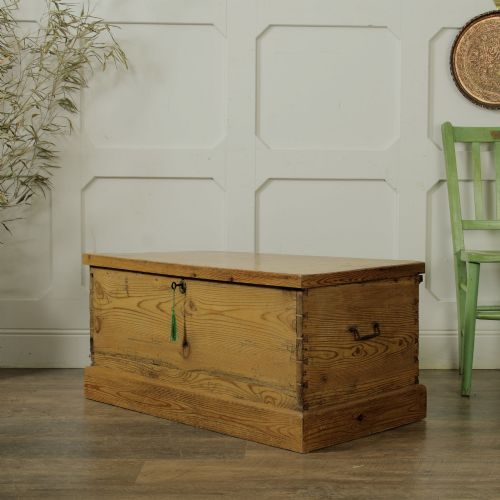
Victorian Pine Storage Chest
These robust pieces of functional furniture keep household gear hidden away while lending honest utility to a room.
Victorian Pine Storage Chest
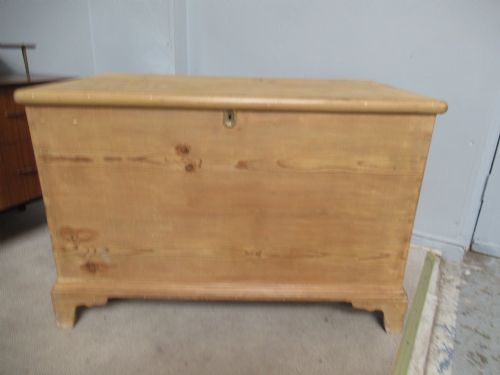
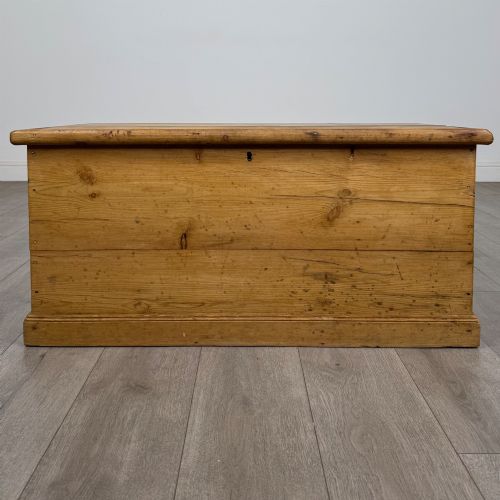
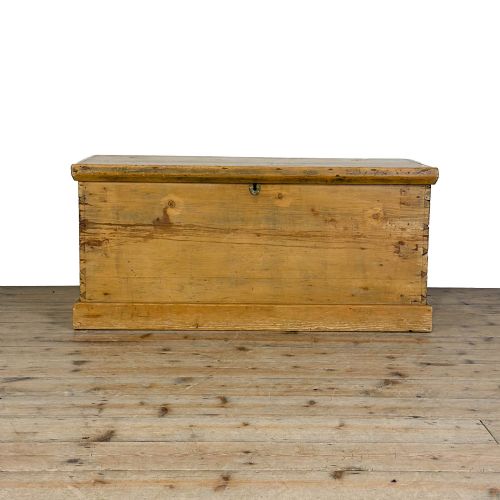
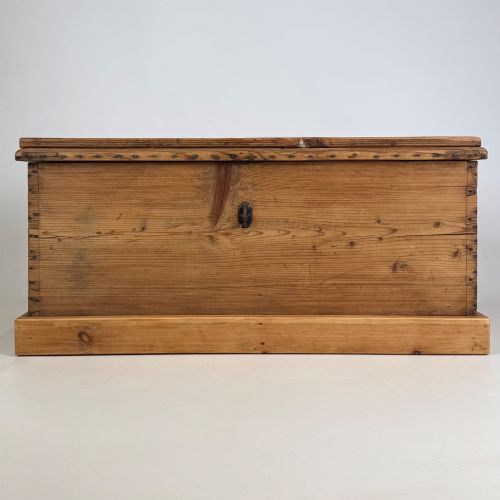
A victorian pine storage chest serves as a practical repository for blankets, tools and domestic belongings, built with the straightforward utility required by nineteenth-century households.
The versions most commonly met across these listings span blanket boxes, dome-top trunks and lidded coffers, often fashioned from native softwood or pitch pine.
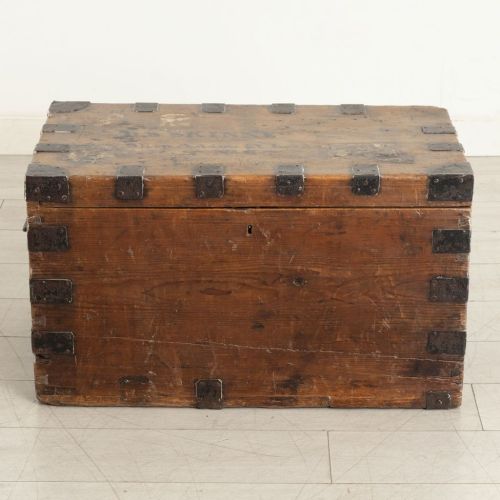
Origins stretch from rural English farmhouses to military quarters, taking forms that range from simple lidded boxes to robust pieces fitted with internal drawers.
Materials and Construction
Makers relied primarily on pine and pitch pine for carcases, choosing a resilient softwood that tolerated daily service in domestic and working interiors.
Hardware typically involves iron brackets or brass bindings to reinforce corners and edges on pieces intended for travel or heavy handling.
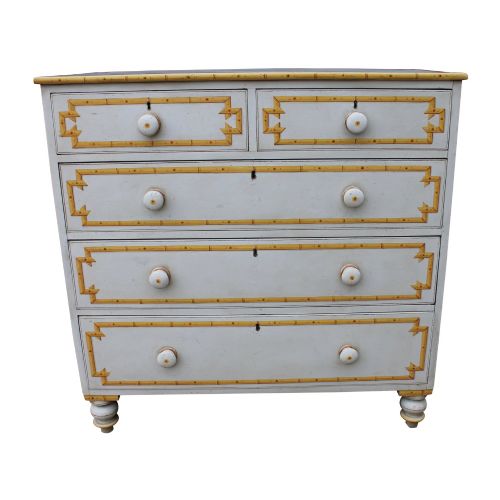
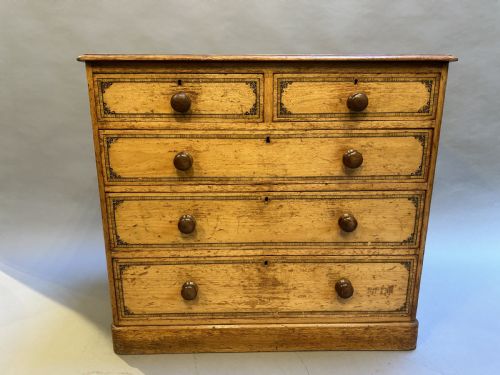
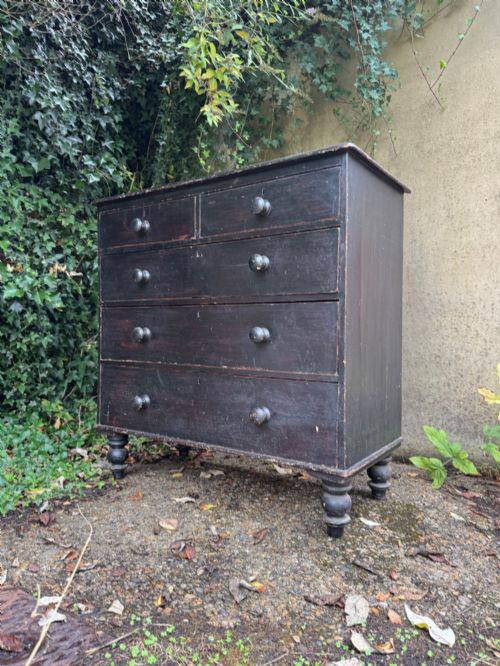
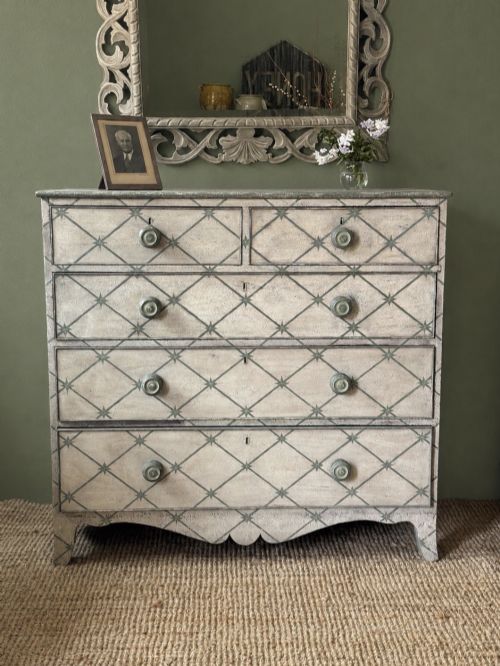
Surfaces frequently show historical treatments of applied paint, scumble finishes or wax polish, preserving the underlying timber while adding colour.
Victorian Pine Storage Chest Retail Price Guide 2026
Typical asking prices for victorian pine storage chest among the pieces listed under this phrase on Sellingantiques today, from the lower quarter to the upper quarter. They describe what is for sale here now, not the wider market.
Listings feature items dated from 1850 through to the Edwardian period, constructed in pine, pitch pine, iron, brass and glass.
Evaluating the Build
Superior examples retain their original surface treatments, such as untouched scumble paint or early wax polish, rather than heavy modern sanding.
Structural integrity depends on the retention of original brass or iron hardware and sound dovetail joints in the underlying timber carcase.
Luxmore's of Ilfracombe·Jacques
The Victorian Pine Storage Chest Glossary
- Scumble
- A decorative paint technique applied in translucent layers to imitate the grain of finer hardwoods. It produces a mottled, aged appearance on nineteenth-century pine furniture.
- Pitch pine
- A durable softwood with a high resin content and pronounced grain patterns. It was frequently selected for heavy-duty trunks and storage boxes.
- Blanket box
- A large rectangular lidded chest designed for textiles and linens. These items formed essential bedroom and landing storage before fitted wardrobes became standard.
- Campaign chest
- Modular furniture designed to dismantle or travel easily with military officers. These pieces feature recessed handles and reinforced corners.
- Bun handle
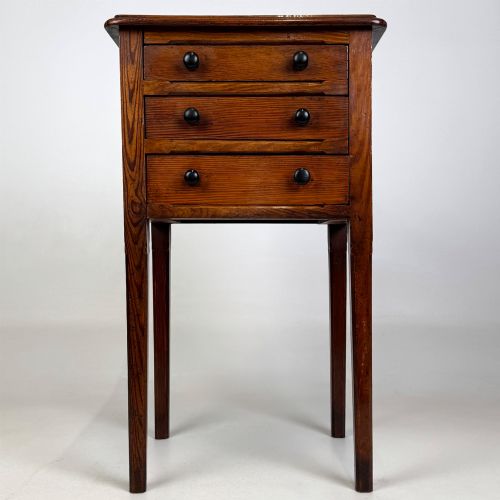
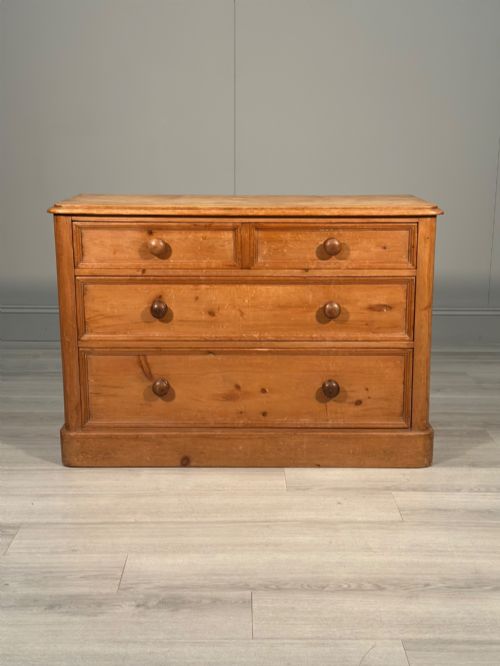
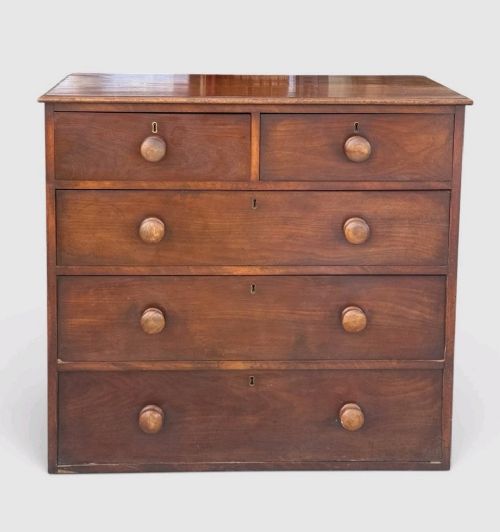
- A small, rounded wooden knob turned on a lathe and applied to drawers. They provide a tactile grip on nineteenth-century chests.
Victorian Pine Storage Chest: Frequently Asked Questions
What were pine storage chests used for originally?
These lidded boxes stored blankets, winter linens, tools and personal belongings in nineteenth-century bedrooms and utility spaces. Their solid construction protected contents from dust and damp.
Over time, many served dual purposes as everyday furniture or transport cases during household moves.
How do I care for a waxed pine chest?
Apply a traditional beeswax polish sparingly and buff with a soft cloth to maintain the timber's sheen. Avoid placing the chest near direct heat sources to prevent the pine from drying out or splitting.
Keep surfaces free from standing moisture by using coasters or mats on the lid.
Are these chests suitable for modern coffee tables?
Low rectangular blanket boxes and trunks work well as living room tables while offering concealed storage for household clutter. Their flat lids accommodate books and trays easily.
Ensure the height matches your seating before placing one in a central reception room.
How can I tell a scumbled finish from plain paint?
Scumble paint involves dragging or combing a translucent top layer over a lighter base coat to create faux wood grain patterns. Plain paint covers the pine in a flat, opaque single colour.
Closer inspection reveals the subtle brush marks or patterned movement characteristic of nineteenth-century scumbling.