
Victorian Pine Storage Cabinet
A victorian pine storage cabinet is a sturdy utility piece built to hold household stores, combining honest timber with practical proportions for daily use.
Victorian Pine Storage Cabinet
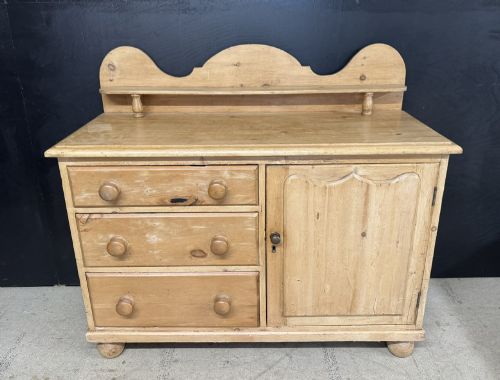
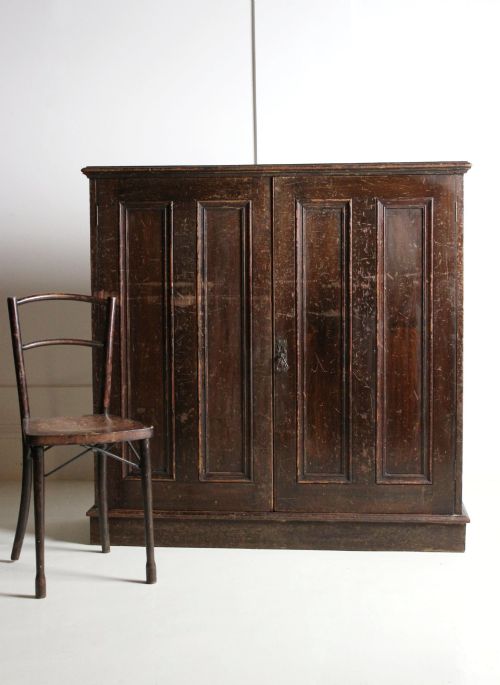
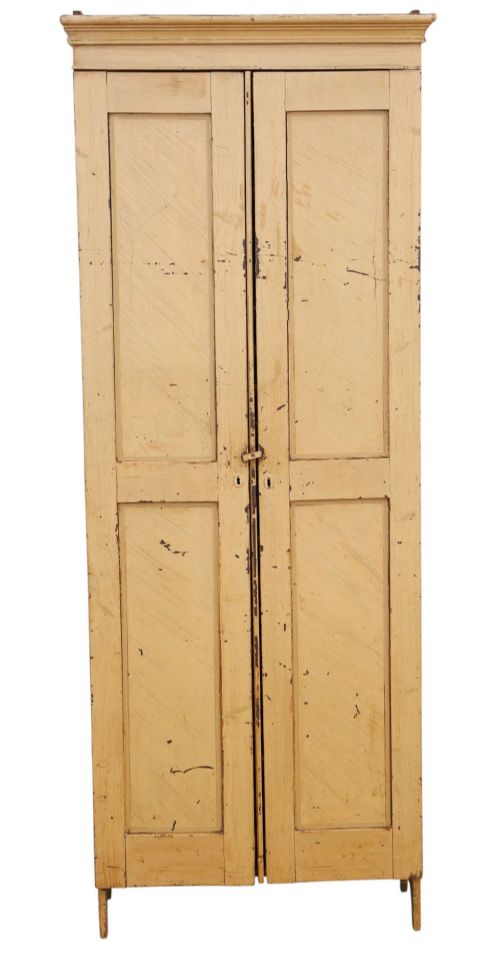
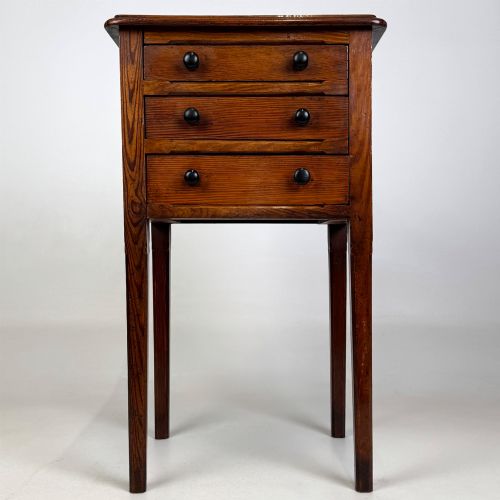
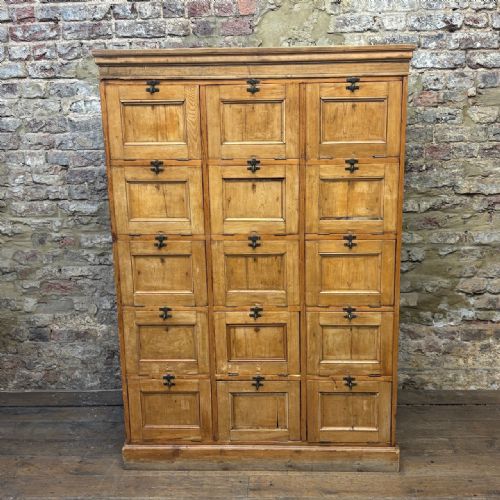
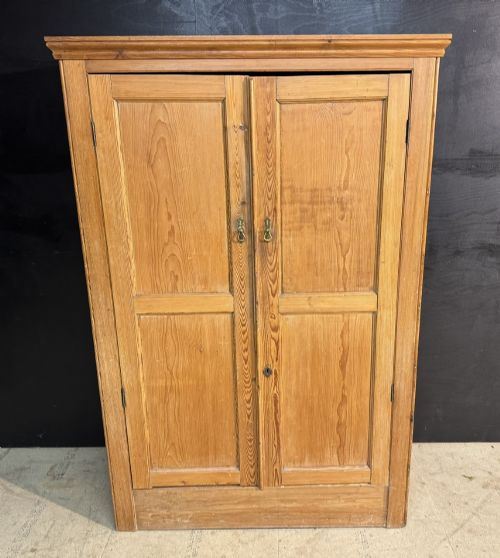
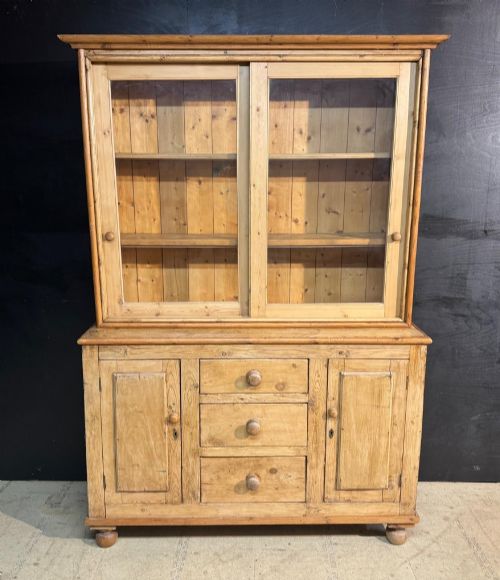
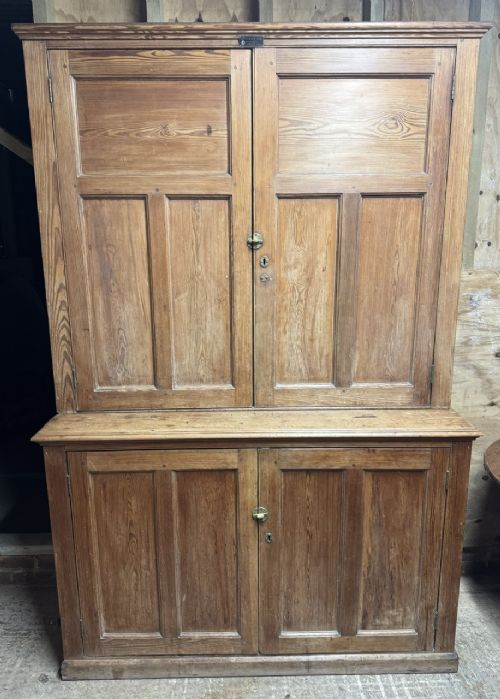
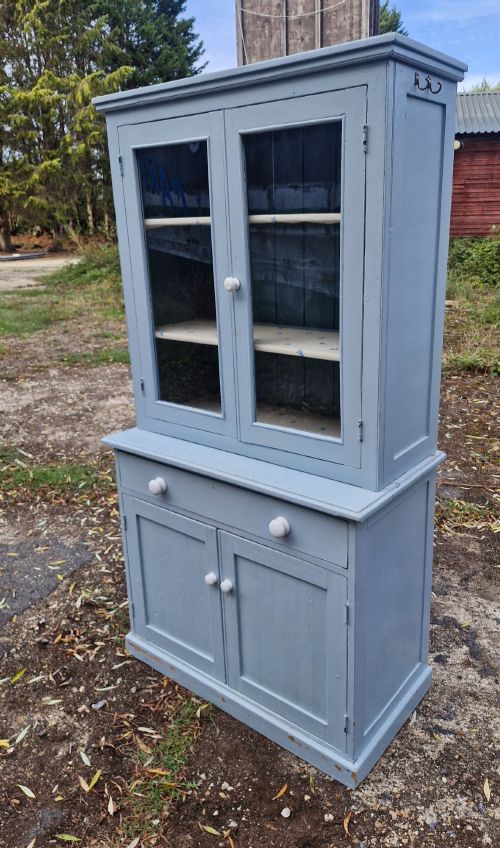
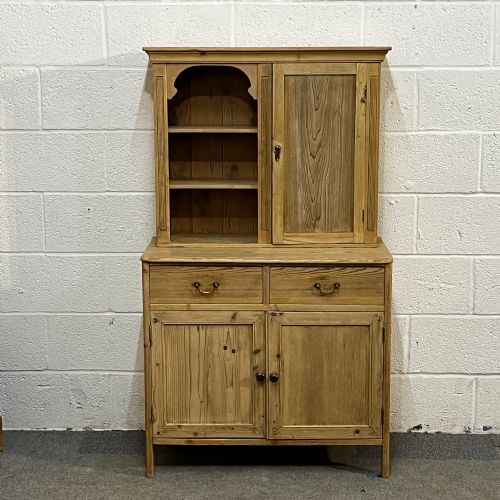
A victorian pine storage cabinet encompasses a wide variety of utilitarian furniture designed for domestic organisation during the nineteenth century. Buyers encounter forms ranging from tall kitchen larders and housekeepers cupboards to multi-drawer filing units and glazed bookcases.
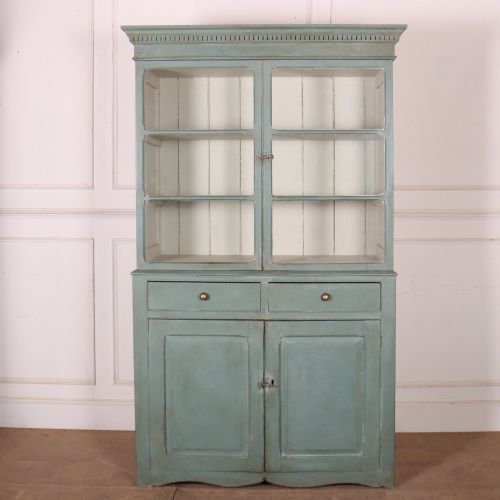
The pieces on this page lean heavily towards country house and farmhouse utility rather than formal parlour display. Scottish country styles, rustic farmhouse variants, and painted kitchen dressers dominate the selection alongside specialised items like railway ticket cupboards and school cabinets.
Most examples date from the Victorian period or the broader nineteenth century, constructed to endure heavy daily use in sculleries, kitchens, and workshops. Their surviving utility makes them adaptable for modern storage needs while retaining distinct period character.
How They Were Made
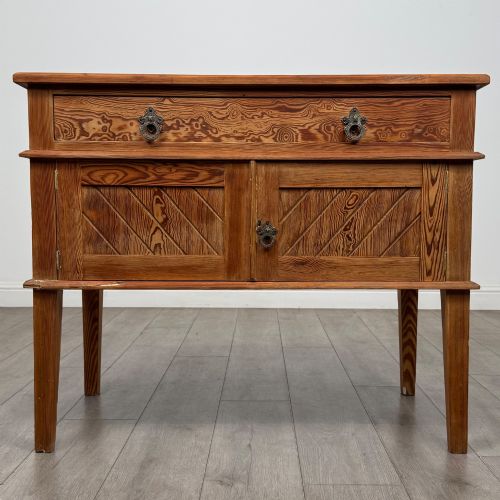
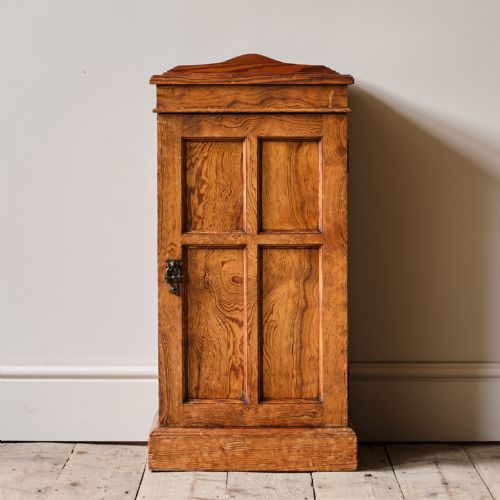
Makers relied primarily on solid pine and pitch pine for carcases and shelving, chosen for availability and strength. Secondary timbers such as mahogany occasionally appear alongside softwood construction.
Iron and brass hardware, including drop handles, hinges, and latches, secure doors and drawers. Glass panels feature in glazed bookcase and cabinet variations.
Surfaces show various historical finishes, from waxed natural grain and scumble paint to original layers of cream, coloured, or distressed paint.
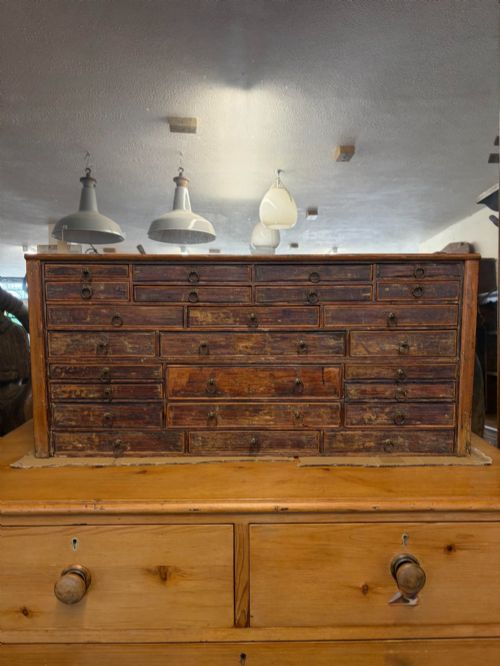
One twenty-five-drawer bank comes with a proper lineage from Luxmore's of Ilfracombe, ready to swallow up an impressive quantity of stray buttons.
What Varies in Quality
Construction methods dictate durability, distinguishing utilitarian workshop pieces from finer domestic furniture. Dovetailed drawer joints and solid timber backs signify superior cabinet-making over simpler nailed construction.
The integrity of the original surface finish heavily influences character and desirability. Pieces retaining undisturbed historic paint or deep patinated wax sit at an advantage over stripped or heavily altered examples.
Proportion and scale affect utility, with well-balanced dimensions in tall wardrobes, dresser bases, and multi-drawer banks providing better visual harmony in a room.
The Victorian Pine Storage Cabinet Glossary
- Pitch Pine
- A dense, resinous softwood with a prominent grain pattern used for robust nineteenth-century cabinetry.
- Housekeeper's Cupboard
- A large storage piece with upper shelving and lower drawers or cupboards, historically used for linens and provisions.
- Scumble Paint
- A decorative technique involving translucent glaze applied over a base coat to imitate finer wood grains.
- Dresser Base
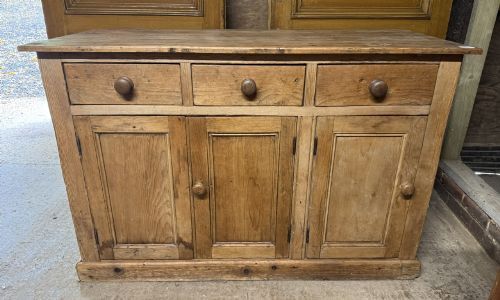
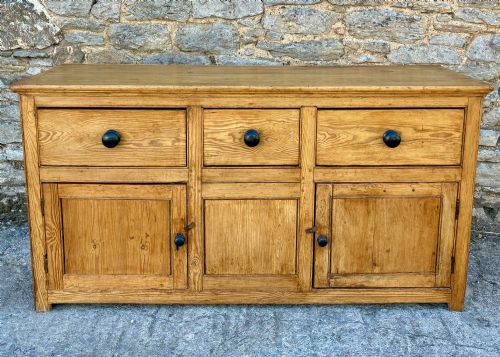
- The lower section of a kitchen dresser featuring cupboards and drawers without the upper plate rack.
- Knockdown
- Furniture constructed to be easily dismantled into separate panels and sections for transport or moving between rooms.
Victorian Pine Storage Cabinet: Frequently Asked Questions
What rooms suit a pine storage cabinet?
These cabinets suit kitchens, hallways, and living spaces where practical storage meets rustic character. Their straightforward utility adapts easily to modern pantry or linen organisation.
Larger wardrobes and dresser bases need adequate wall space, while smaller pot cupboards fit bedside or compact corners.
How do I clean waxed pine surfaces?
Maintain waxed pine by dusting with a soft cloth and applying a traditional beeswax polish sparingly when the timber looks dry. Avoid silicone sprays that build up and attract dust.
Keep these cabinets away from direct heat sources to prevent the pine from drying out and splitting.
Are painted pine cabinets original?
Many nineteenth-century utility cupboards retain original paint, scumble finishes, or layered decoration applied during their working life. Others were stripped down to bare wood during later decades.
Examine corners and interior surfaces closely to determine whether the current paint layer dates to the period of manufacture.
What distinguishes pitch pine from standard pine?
Pitch pine contains higher resin content, giving the timber a heavier weight, reddish-brown hue, and a distinctively strong grain pattern. It resists wear exceptionally well.
Standard pine appears lighter in colour and grain definition, serving as the common material for everyday nineteenth-century furniture.