

Victorian Pine Furniture
Victorian pine furniture delivers sturdy domestic utility through honest nineteenth-century construction, offering practical storage and seating that suits both period and modern interiors.
Victorian Pine Furniture
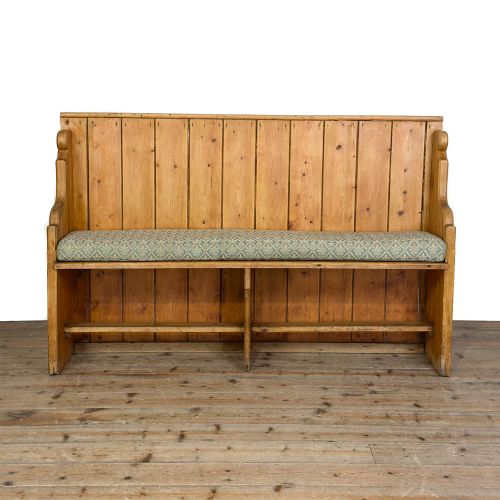
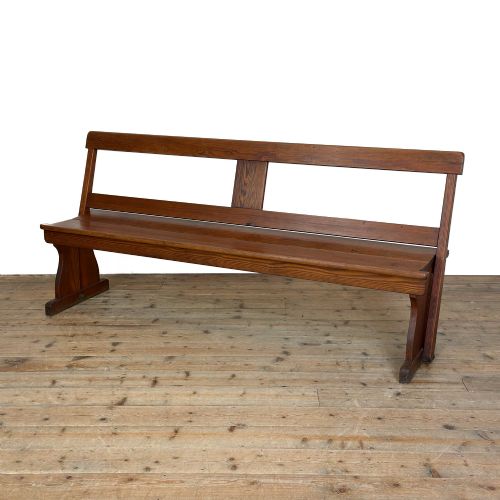
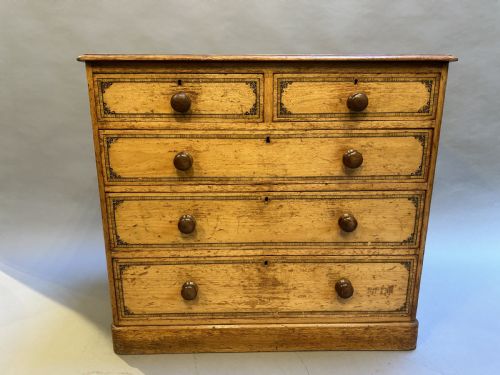
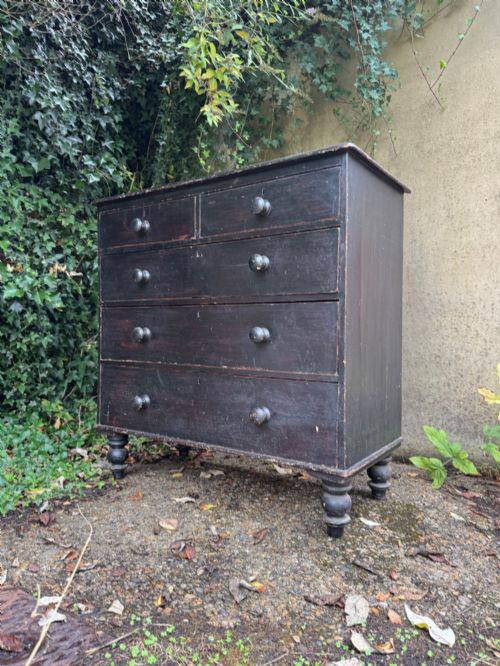
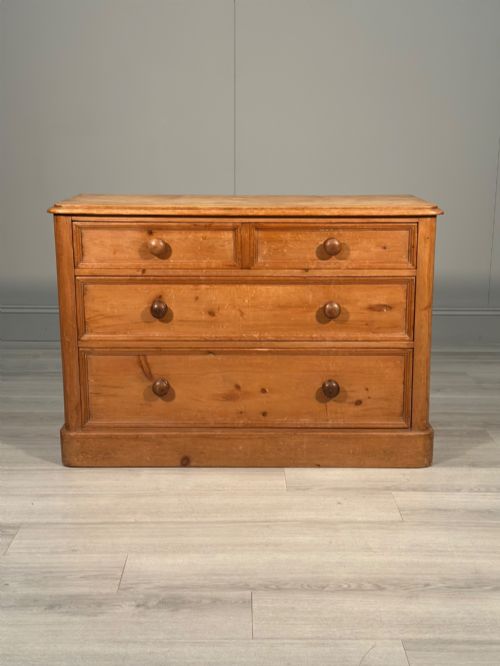
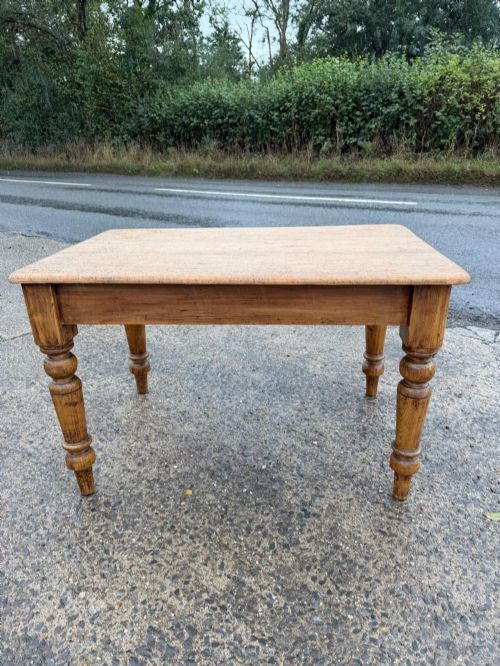
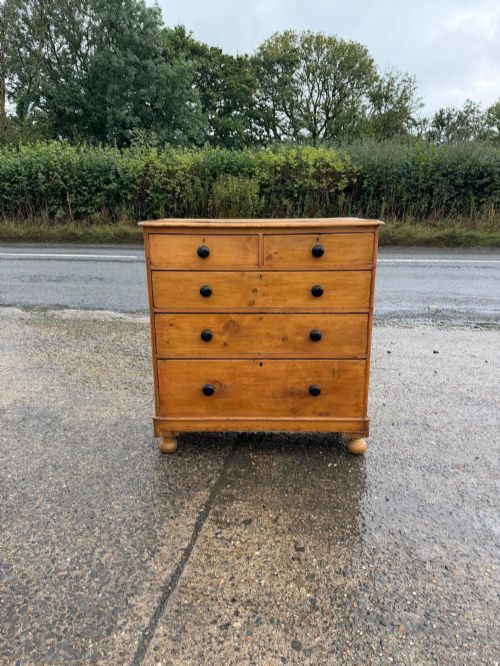
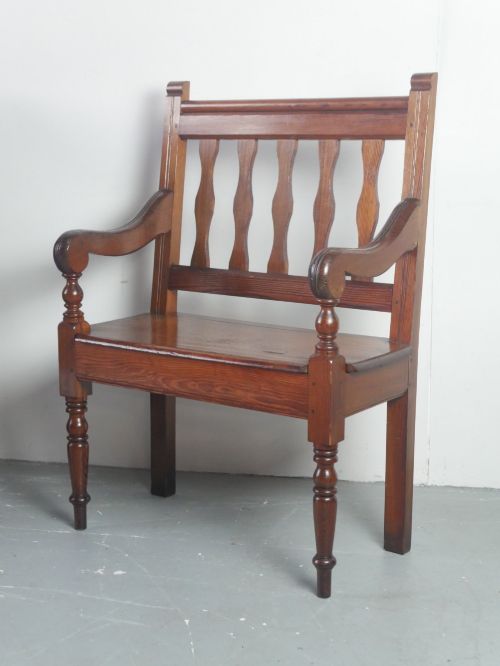
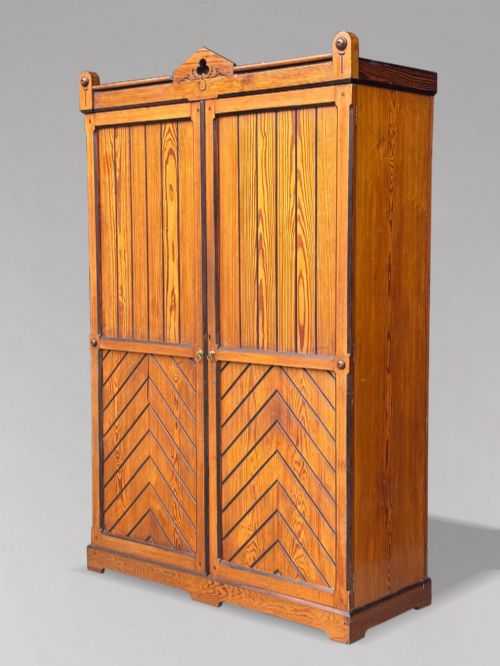
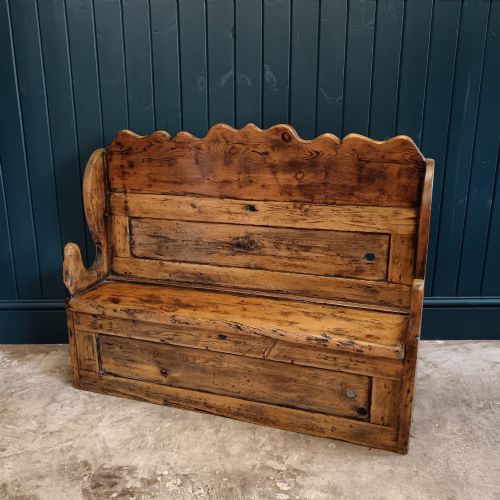
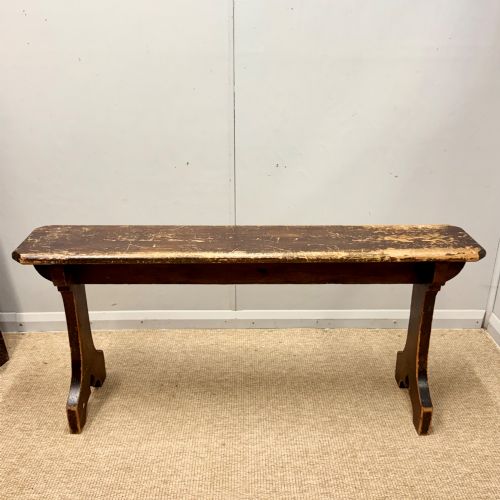
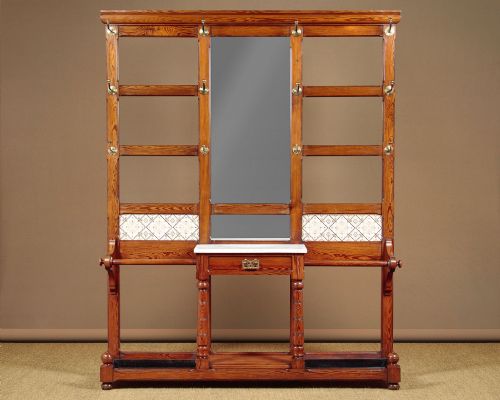
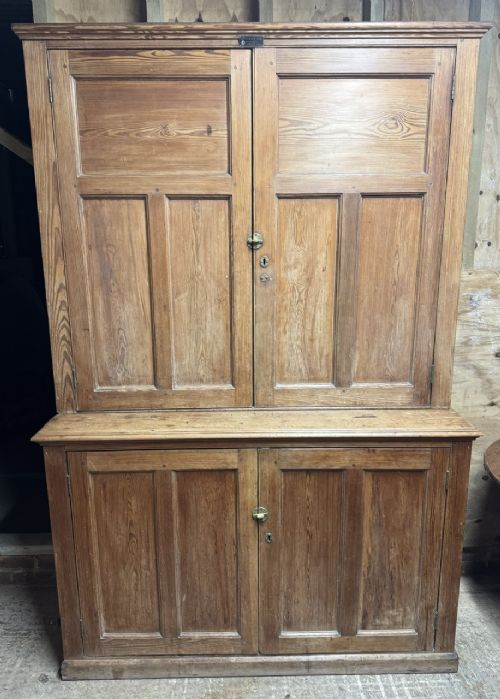
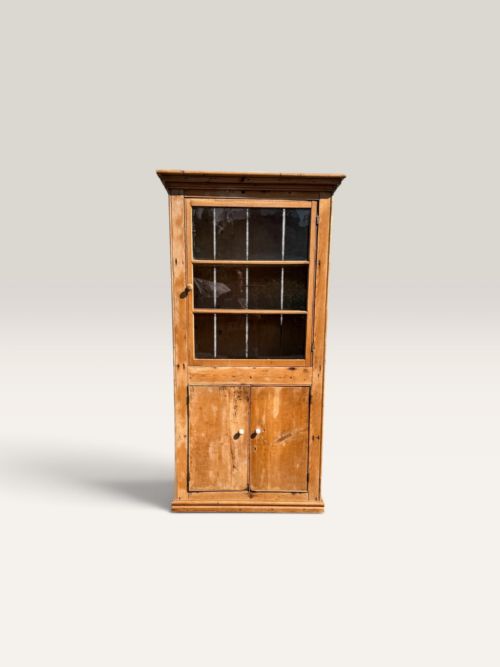
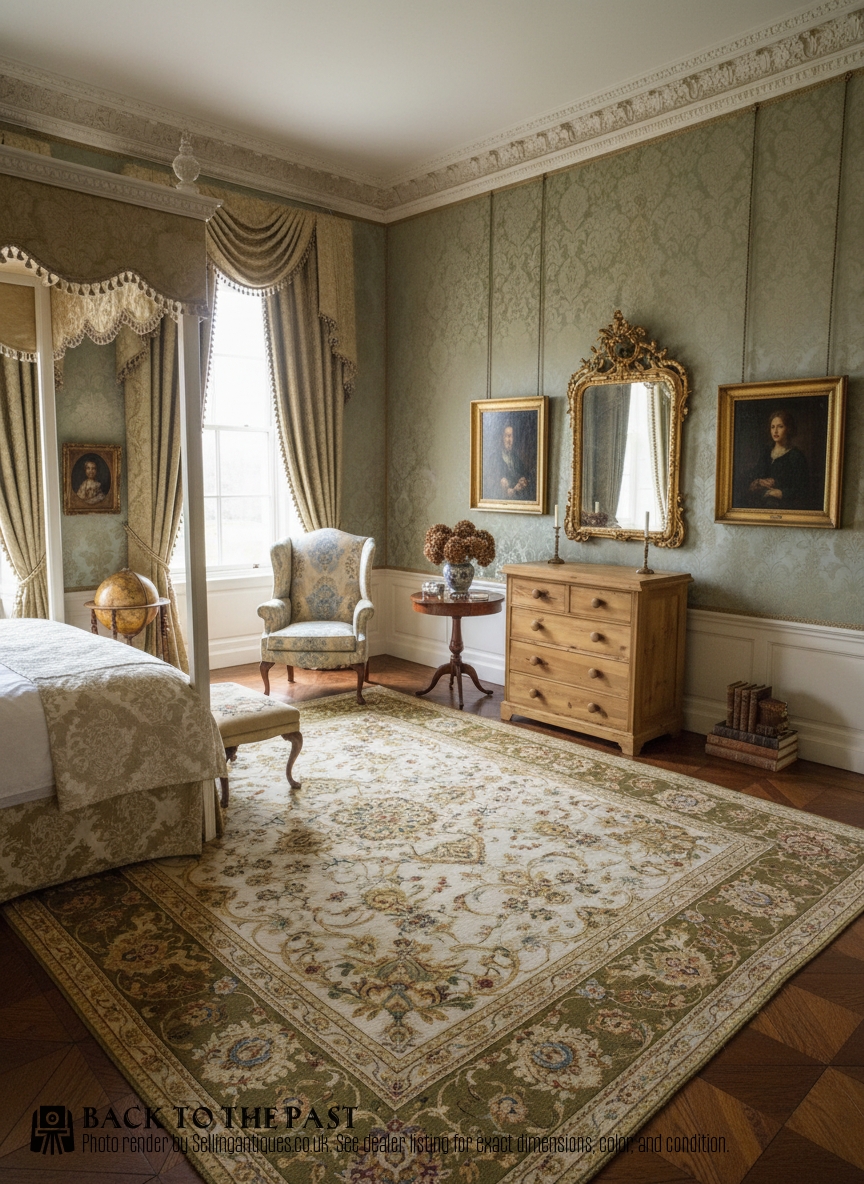
When searching for victorian pine furniture, buyers encounter a robust array of functional household pieces spanning the nineteenth century and Edwardian eras. The selection on this page centres heavily on chests of drawers, alongside practical hall benches, cupboards, wardrobes, and washstands.
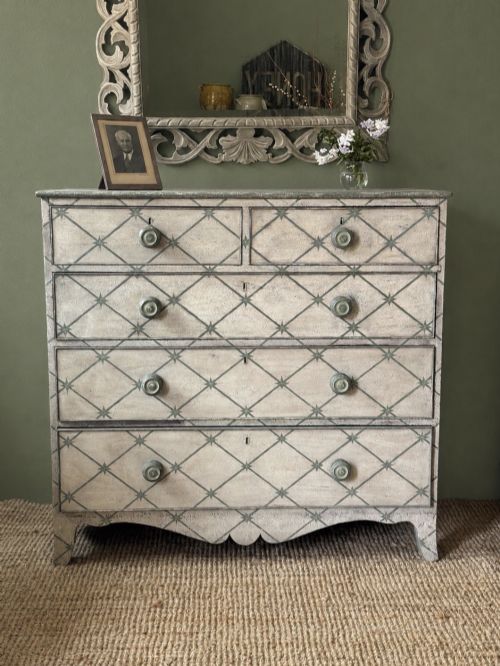
Makers of the period produced these utility items for everyday use in bedrooms, kitchens, and hallways, utilising durable timbers. Pieces range from simple provincial forms to stencilled or painted examples and Scottish Arts and Crafts designs.
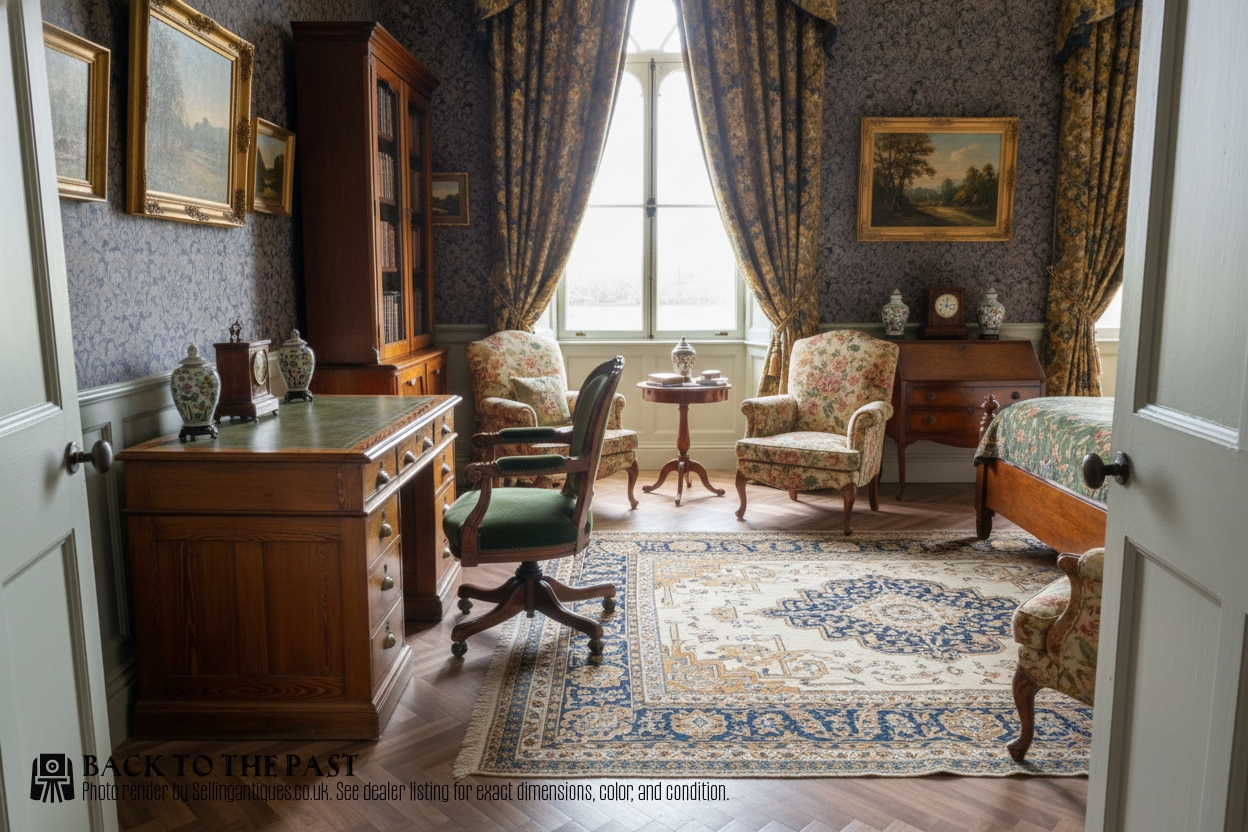
Assessment of Quality
Quality in these pieces rests upon the integrity of the original surfaces and the honesty of the construction. Retaining authentic paintwork, scumble glazes, or early waxed finishes elevates an item significantly above stripped or overly restored examples.
Proportion and utility define the better specimens, where drawer construction, original brass handles, and sound structural joinery remain intact without heavy modern intervention.
Victorian Pine Furniture Retail Price Guide 2026
Typical asking prices for victorian pine furniture among the pieces listed under this phrase on Sellingantiques today, from the lower quarter to the upper quarter. They describe what is for sale here now, not the wider market.
Listings feature materials including pine, pitch pine, brass, paint, iron, and glass across various domestic forms.
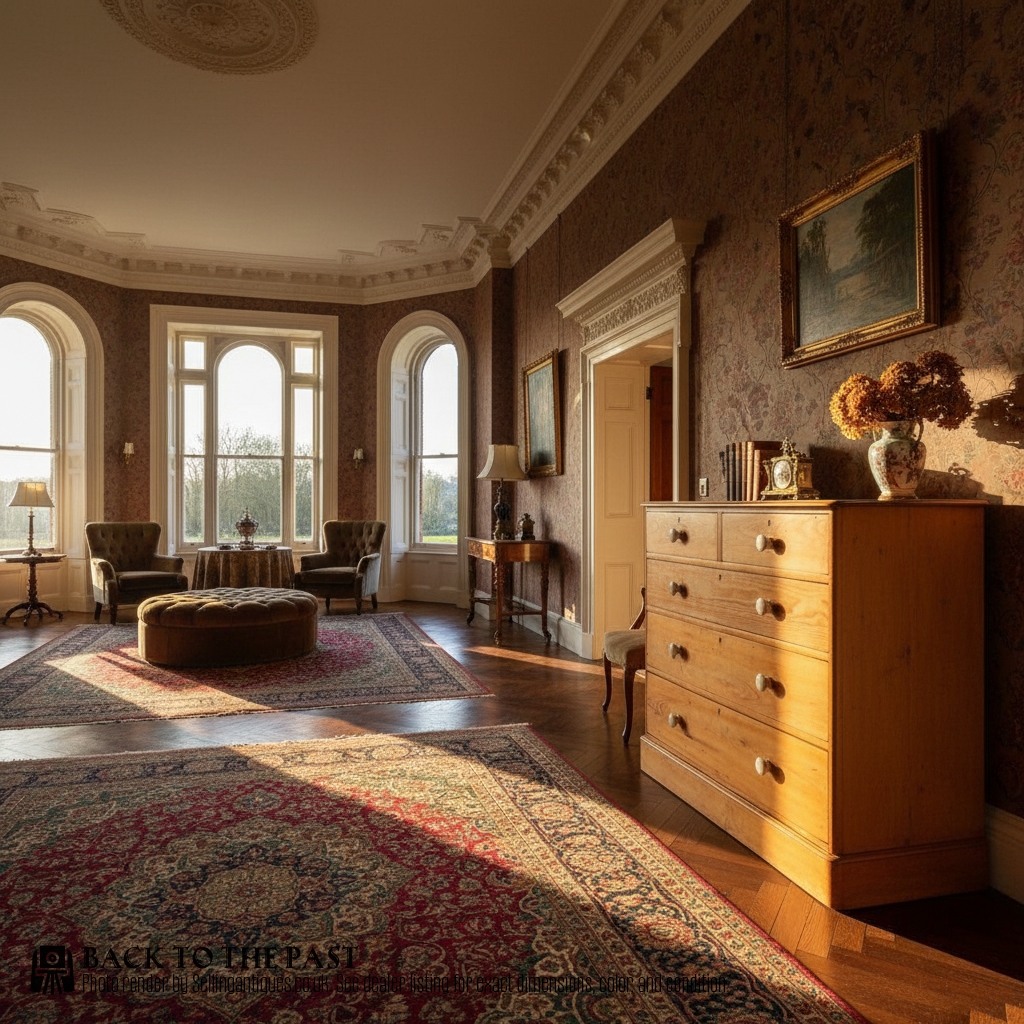
Johnston’s of London·Howard and Sons
The Victorian Pine Furniture Glossary
- Pitch pine
- A resinous North American pine timber utilised for its strength and distinct grain pattern during the nineteenth century.
- Scumble
- A decorative paint technique involving translucent glazes applied over a lighter base colour to simulate the appearance of figured hardwoods.
- Campaign chest
- A modular chest of drawers made in sections with recessed brass fittings, designed for easy transport by military officers.
- Washstand
- A dedicated bedroom or dressing table featuring a marble or timber top designed to hold a basin and jug.
Victorian Pine Furniture: Frequently Asked Questions
How do I identify original painted finishes?
Original painted surfaces show natural wear, stable craquelure, and multiple underlying layers that correspond to nineteenth-century decorative practices.
Modern repainting often appears uniform, lacks proper historical patina, and sits harshly over old timber without genuine integration into the grain.
What is pitch pine and how does it differ?
Pitch pine contains a high resin content, giving the timber a dense, heavier feel and a pronounced, reddish-brown grain structure.
Standard nineteenth-century pine tends to be softer, paler, and lighter in weight, used widely for general domestic cabinetry and painted furniture.
Where were these pieces originally used?
Most items served practical functions in domestic service areas, sculleries, bedrooms, and hallways of nineteenth-century households.
Cupboards, washstands, and chests of drawers provided essential storage before fitted domestic joinery became standard in British homes.
How should I care for waxed pine surfaces?
Maintain waxed pine by applying natural beeswax sparingly and buffing gently with a soft cloth to preserve the sheen.
Avoid placing these items near direct heat sources or strong sunlight, which can dry out the nineteenth-century timber and crack old finishes.