

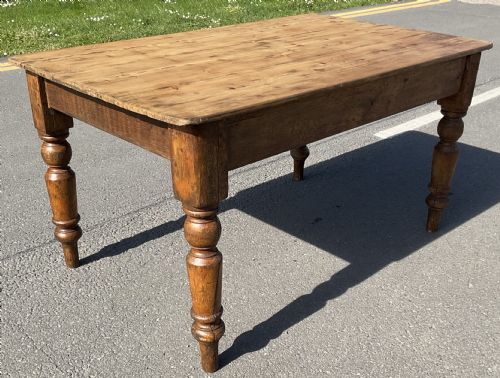
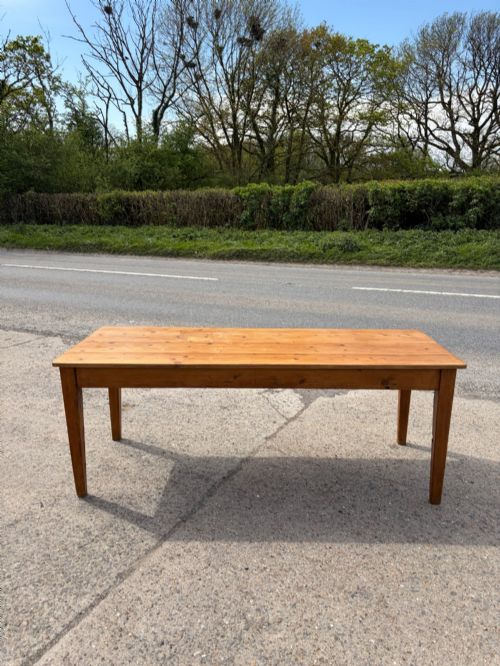
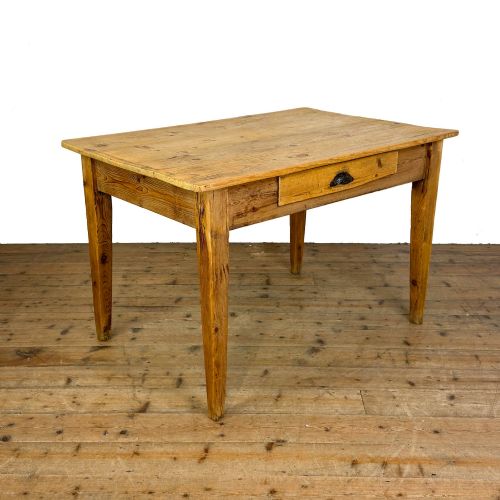


Victorian Pine Farm Table
A victorian pine farm table brings honest utility to a room, offering sturdy work surfaces and generous seating shaped by decades of domestic life.
Victorian Pine Farm Table
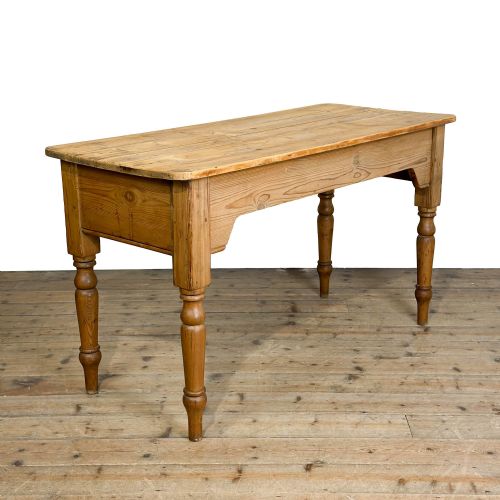
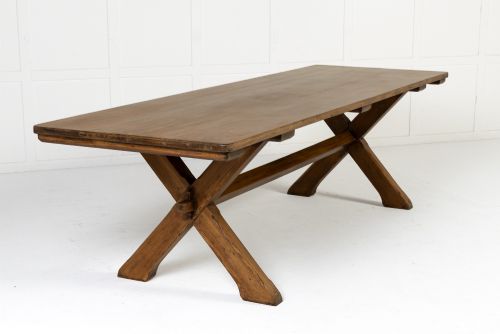
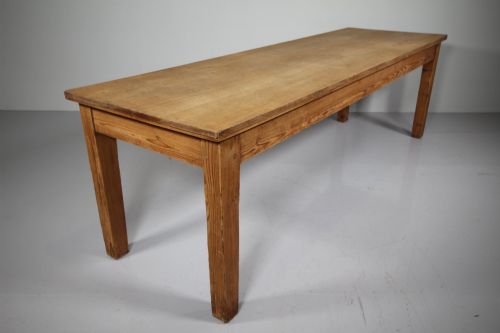
When you search for a victorian pine farm table, you are looking at utilitarian tables built for hard service in nineteenth-century kitchens, dairies, and country houses. Most examples you will encounter take the form of kitchen tables and refectory dining tables spanning the nineteenth century, including specific regional variations like dairy tables.
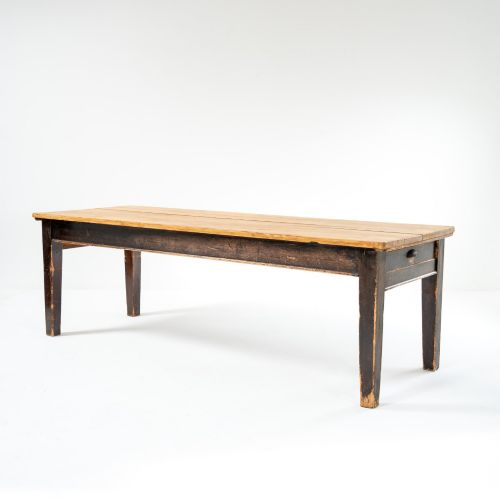
These pieces come from periods between eighteen-forty and nineteen-hundred, showing stylistic influences from rustic country to Victorian farmhouse traditions. They appear primarily as dining and kitchen tables, occasionally incorporating single drawers, fruitwood elements, or folding mechanisms for flexible utility.
How They Were Made
Makers constructed these tables predominantly from solid pine, often pairing white or yellow pine with harder timbers like elm, sycamore, and fruitwood for table tops to withstand daily preparation tasks. Secondary woods and structural supports occasionally incorporated cast iron brackets or brass fittings.
Surfaces frequently show layers of old paint, scrubbed bare timber, or stained finishes resulting from intensive use and periodic cleaning over generations. Construction methods rely on traditional joinery designed to maintain rigidity under heavy loads without complex mechanical fasteners.
Victorian Pine Farm Table Retail Price Guide 2026
Typical asking prices for victorian pine farm table among the pieces listed under this phrase on Sellingantiques today, from the lower quarter to the upper quarter. They describe what is for sale here now, not the wider market.
Keep an eye out for pig scratch tables, built with specialised surfaces for rustic agricultural work.
What Varies in Quality
The standard of a victorian pine farm table rests in the integrity of its timber selection, particularly where secondary woods like fruitwood or elm are combined with the primary pine structure. Tables retaining honest, untouched surfaces with layers of old paint or well-scrubbed patination stand apart from those stripped down indiscriminately.
Proportion and scale dictate the upper tier of the range, especially in longer harvest or refectory formats intended for seating eight or more diners. Fine quality shows in thoughtful additions like single drawers integrated cleanly into the front frieze and stable framing that requires no modern intervention.
The Victorian Pine Farm Table Glossary
- Pine
- A softwood commonly used throughout the nineteenth century for furniture carcasses and kitchen tables due to its accessibility and workability. It absorbs paint and patination readily through decades of use.
- Refectory table
- A long narrow dining table traditionally built for communal dining halls and adapted in the nineteenth century for domestic farmhouse kitchens. These pieces often seat six to twelve people comfortably.
- Dairy table
- A specialised nineteenth-century work table utilised in agricultural settings for milk processing and cheese making. These surfaces frequently employ moisture-resistant timbers.
- Frieze
- The horizontal band running directly beneath the top of the table, which in some examples houses utility drawers. Frieze construction provides structural stability to the legs.
- Scrubbed pine
- A finish achieved through repeated vigorous washing and scouring of the soft pine timber with soap and water over generations. This process removes softer summer growth rings and leaves a raised, textured grain.
Victorian Pine Farm Table: Frequently Asked Questions
How do I clean a pine farm table?
Clean these surfaces using a damp cloth and mild soap, avoiding harsh chemical strippers that destroy historical patination. Dry the timber thoroughly immediately afterward to prevent moisture damage.
Condition the bare wood periodically with appropriate natural waxes to nourish the grain without sealing away the accumulated character of the nineteenth century.
Were these tables used only in kitchens?
While the majority served as functional kitchen and dining tables for food preparation and family meals, many worked in dairies or utility spaces. Their robust construction suited any domestic task requiring a stable, heavy surface.
Over time, surviving examples transition easily into modern living spaces as primary dining hubs or large console tables.
How can I tell the period?
Dating relies upon examining construction marks, timber characteristics, and the physical wear imprinted by nineteenth-century usage. Pieces from eighteen-fifty often display different joinery habits compared to those built around nineteen-hundred.
Layers of old paint or scrubbed patination accumulate over decades, offering visual clues to the intensity and duration of the table's working life.
Can I seat eight people at these tables?
Many longer formats, including harvest tables and refectory styles from the Victorian era, accommodate eight or more diners comfortably. Lengths often reach eight feet or more in larger country house variants.
Check the clearance beneath the frieze and between the legs to ensure chairs fit adequately alongside the structural stretcher base.