
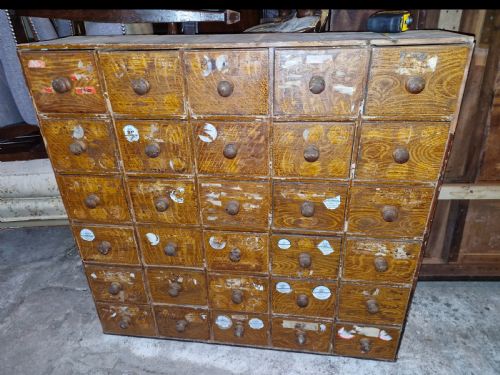
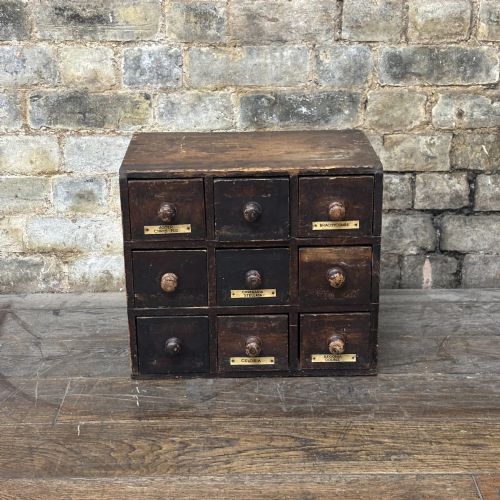
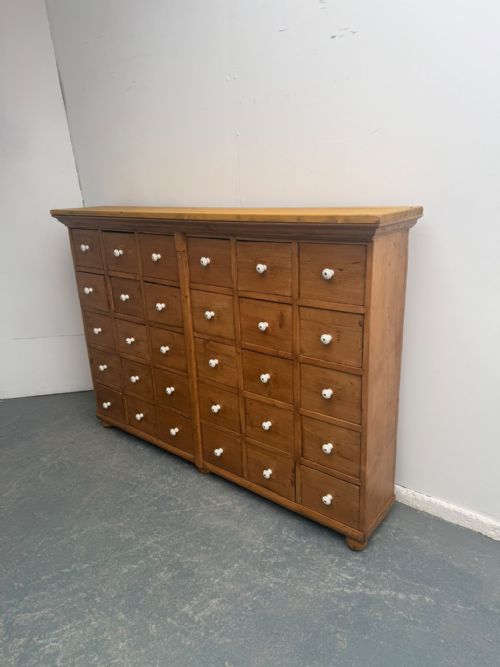
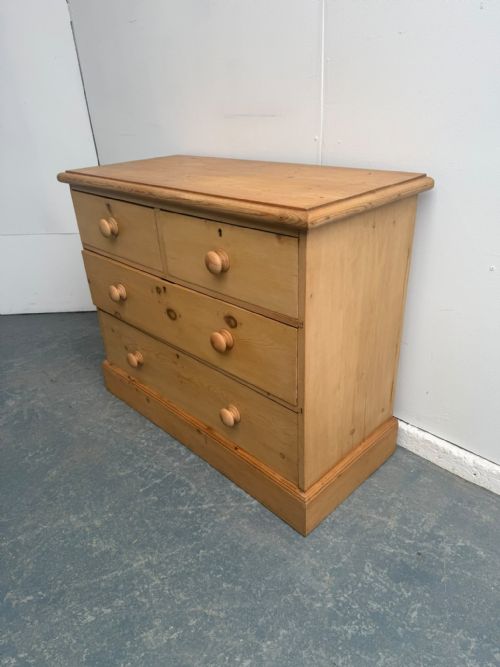
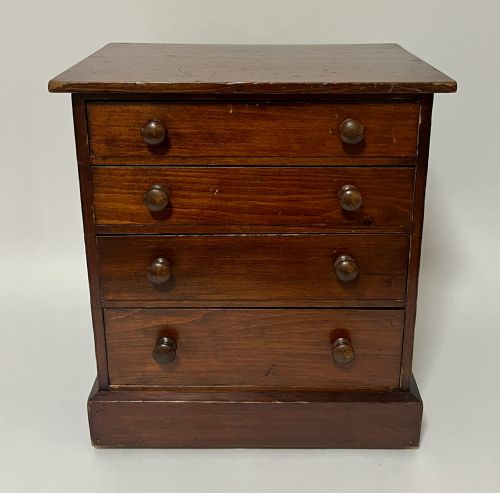
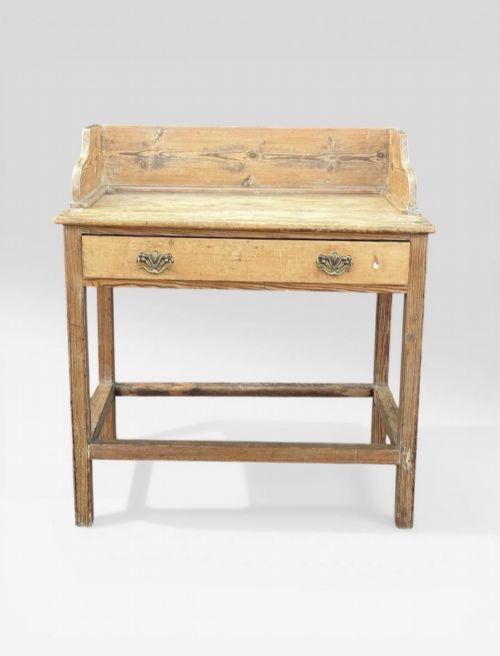

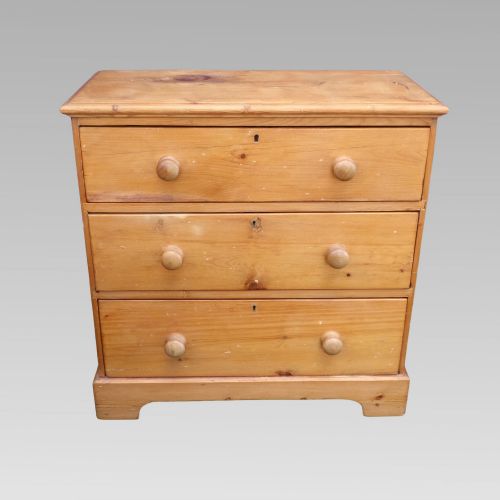
Victorian Pine Drawer Unit
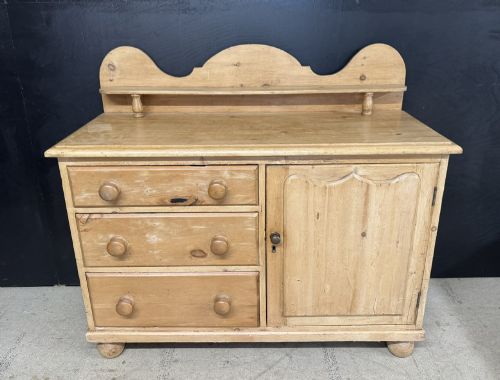
A victorian pine drawer unit offers honest utility and generous storage, combining the warmth of softwood with robust nineteenth-century construction.
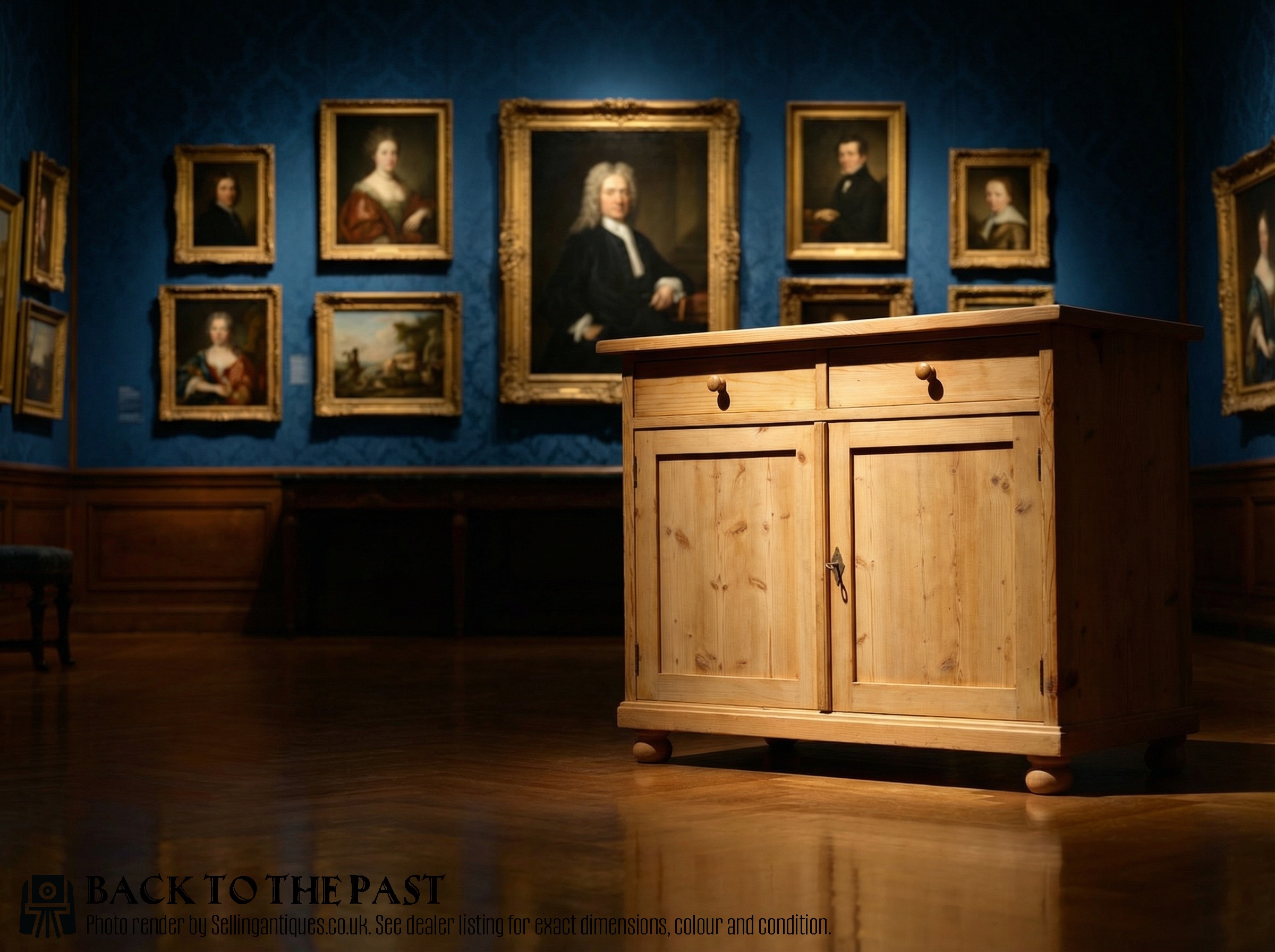
Victorian Pine Drawer Unit
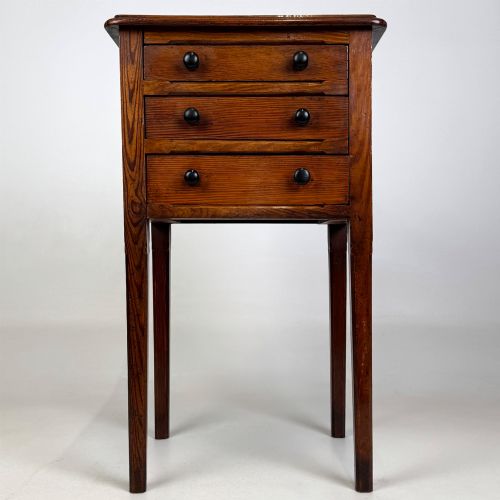
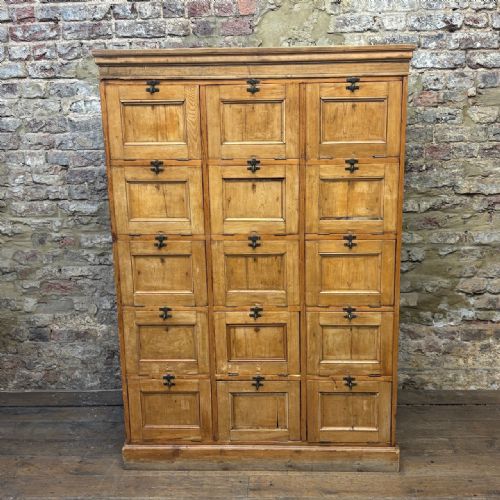
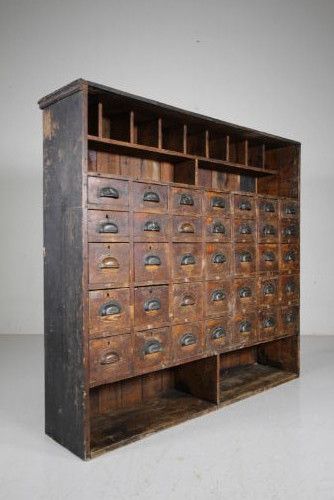
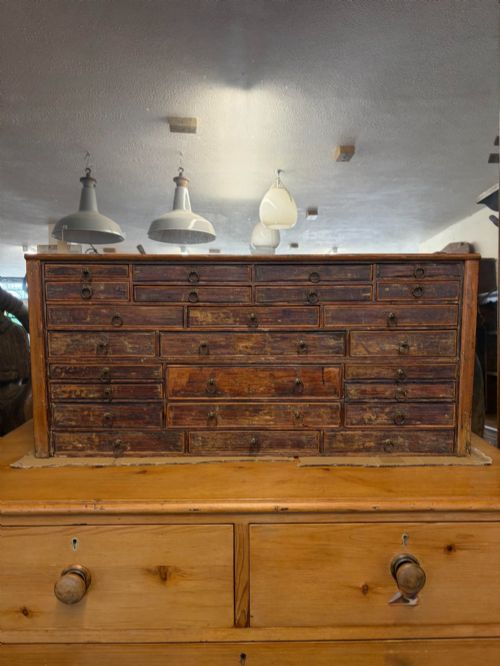
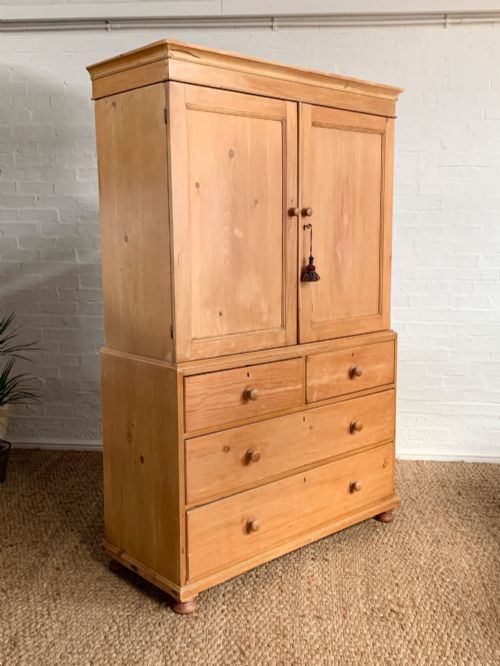
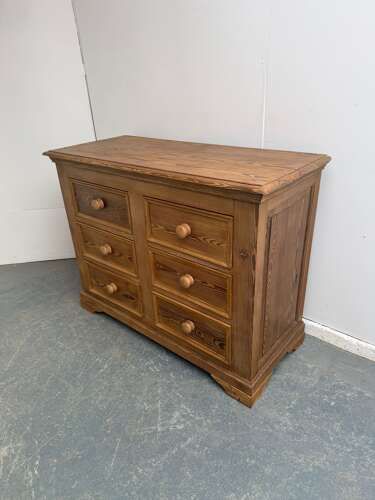
A victorian pine drawer unit encompasses a diverse range of domestic and commercial storage forms, from traditional bedroom chests to multi-drawer shop fittings and banks of drawers. Buyers encounter pieces intended for varied historical contexts, including domestic dressing tables, washstands, and substantial utilitarian cabinets.
Regional and international influences appear within the inventory, noting British country workshop pieces alongside Hungarian shop fittings and Irish storage units. These items range from compact bedroom furniture to massive commercial units designed for heavy daily use.
Materials and construction
Makers utilised pine as the primary softwood material, occasionally employing pitch pine for enhanced durability or specific visual grain patterns. Hardware elements frequently incorporate brass, iron, and metal fittings, while secondary materials include glass panels, ceramic components, and various paints.
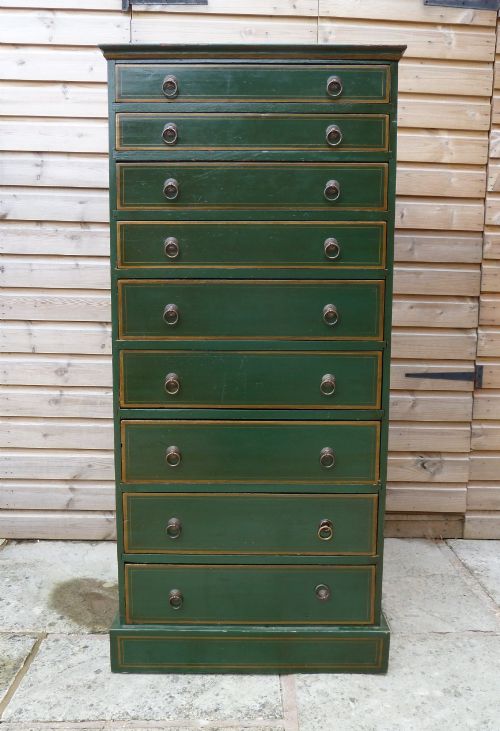
Surface finishes vary significantly across the pieces, recorded as waxed, stained, stripped, or retaining original paint and scumble glazes. Construction methods reflect the functional demands of the era, resulting in sturdy joinery capable of supporting extensive banks of numerous small drawers or large wardrobe units.
Listings feature 19th Century, Victorian, and Edwardian periods alongside materials such as pine, brass, iron, and paint.
Evaluating craftsmanship
The distinction between tiers of quality rests upon the integrity of the original construction and the preservation of authentic surface treatments. Pieces retaining their original paint, scumble glaze, or early wax finish hold particular interest compared to those stripped down in later decades.
Structural complexity and scale also influence distinction, separating standard domestic chests from large commercial shop fittings, florist seed chests, and multi-drawer collectors' cabinets. The precision of drawer operation and the retention of original brass or iron hardware contribute substantially to the standing of an individual piece.
Luxmore's of Ilfracombe
The Victorian Pine Drawer Unit Glossary
- Pitch pine
- A dense, resinous softwood variety prized for its prominent grain pattern and increased durability compared to standard pine.
- Scumble pine
- A timber surface treatment involving a translucent glaze dragged or layered over a base coat to imitate more expensive hardwoods.
- Bank of drawers
- A large storage unit featuring numerous small drawers, originally utilised in shops, offices, or workshops.
- Shop fitting
- Fixtures and furniture built specifically for commercial retail spaces, often characterised by extensive multi-drawer arrangements.
- Washstand
- A domestic bedroom piece designed to hold a basin and jug, frequently incorporating drawers or side tables.
Victorian Pine Drawer Unit: Frequently Asked Questions
How do I date a pine drawer unit?
Dating relies on observing construction techniques, hardware styles, and timber characteristics typical of the nineteenth and early twentieth centuries. Regional variations and specific joinery methods help narrow down the period of production.
Makers of the era often employed hand-cut dovetails and specific woods like pitch pine, which provide further chronological clues when compared against documented pieces.
What is a scumble finish on pine?
Scumbling is a decorative painting technique where a translucent coloured glaze is manipulated over a lighter base coat to create mottled or grained effects. This method was frequently used to elevate ordinary softwood.
Surviving scumble glazes give historic pine furniture a distinctive textured appearance that collectors value for its untouched period character.
Where were multi-drawer units used?
Large multi-drawer cabinets and banks of drawers originally served commercial and institutional functions in shops, offices, and seed merchants. These units provided systematic storage for small goods, papers, or inventory.
Today, these functional workshop pieces adapt easily to domestic environments for organising modern collections or studio supplies.
Should I wax or paint my pine unit?
Preserving the existing surface treatment is generally recommended, whether it is an old wax, original paint, or a scumble glaze. Many pieces on the market retain their historic patination from decades of use.
Applying a traditional wax polish helps nourish bare or stripped pine, while painted surfaces require careful cleaning to protect the original pigments beneath.